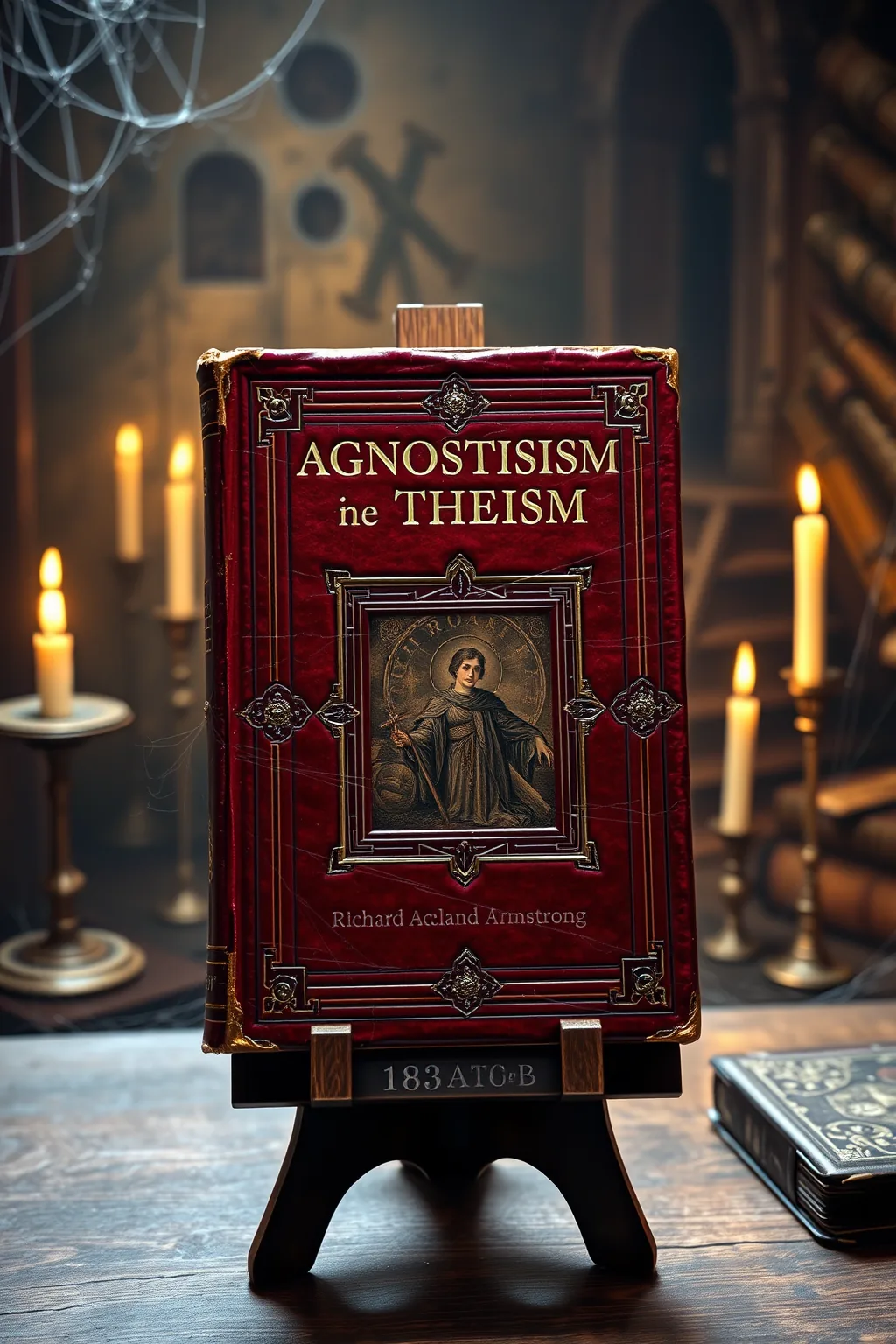
Agnosticism & Theism in the Nineteenth Century
 71
71

Agnosticism & Theism in the Nineteenth Century



'Agnosticism & Theism in the Nineteenth Century' by Richard Acland Armstrong is a seminal work that offers a profound exploration of the intellectual debates that defined the 19th century. For modern esoteric seekers, this book provides a rich historical context for understanding the evolution of religious thought and the philosophical inquiries that have shaped our understanding of belief and unbelief. Armstrong's meticulous analysis of key figures and movements makes this text an invaluable resource for those interested in the intersections of science, philosophy, and religion. The book's detailed examination of agnosticism and theism offers a balanced perspective, highlighting the complexities and nuances of these positions. While the language and style may be somewhat dated, the content remains highly relevant and thought-provoking. This is a must-read for anyone seeking to deepen their understanding of the esoteric and occult traditions.
📝 Description
71
Richard Acland Armstrong's 1899 book examines agnosticism and theism's esoteric dimensions.
Published in 1899, Richard Acland Armstrong's "Agnosticism & Theism in the Nineteenth Century" investigates the less visible currents within religious thought during that era. The work considers how mystical interpretations and symbolism shaped the development of theistic ideas, moving beyond standard theological arguments. Armstrong focuses on the deeper, sometimes hidden, spiritual foundations that informed human belief systems.
The book encourages a thoughtful engagement with the core questions of faith and the concept of the divine. It presents a perspective valuable for those interested in the philosophical and esoteric underpinnings of spirituality. The text is structured to guide readers through complex ideas, fostering personal reflection on the nature of belief and the sacred.
This work situates itself within the esoteric traditions that engaged with late 19th-century intellectual currents, particularly those questioning established religious dogma. It examines how thinkers sought spiritual meaning outside orthodox channels, often through symbolism and a focus on subjective experience. The book reflects a period where philosophical inquiry met a growing interest in the hidden dimensions of consciousness and belief, connecting theological debates to broader spiritual explorations.
💡 Why Read This Book?
Reading 'Agnosticism & Theism in the Nineteenth Century' today offers a unique opportunity to explore the foundational debates that continue to influence contemporary discussions on faith and reason. This book provides a historical lens through which to view the evolution of religious thought, making it an essential read for those interested in the esoteric and occult. By understanding the philosophical underpinnings of agnosticism and theism, readers can gain a deeper appreciation for the complexities of belief and unbelief. This text is particularly valuable for scholars, students, and enthusiasts of religious studies, philosophy, and the history of ideas.
⭐ Reader Reviews
Honest opinions from readers who have explored this book.
❓ Frequently Asked Questions
Who is the author of 'Agnosticism & Theism in the Nineteenth Century'?
The author is Richard Acland Armstrong, a prominent scholar of the early 20th century who explored the intersections of philosophy, theology, and science.
What is the historical significance of this book?
Published in 1905, this book provides a detailed examination of the intellectual debates surrounding agnosticism and theism during the 19th century, offering valuable insights into the evolution of religious thought.
Where can I find a digital copy of this book?
A digitized version of 'Agnosticism & Theism in the Nineteenth Century' is available through the Internet Archive, uploaded by user tpb.
🔮 Key Themes & Symbolism
Evolution of Theism
This theme explores the hidden knowledge and symbolism that have shaped the evolution of theism. Armstrong explores the mystical underpinnings of religious thought, offering a rich, evocative narrative that transcends conventional religious discourse. The book provides insights into how theism has evolved over time, uncovering the deeper, esoteric dimensions of faith.
Esoteric Insights
Armstrong's work is rich with esoteric insights, providing seekers of truth with a unique perspective on religious belief. The book explores the hidden symbolism and mystical dimensions of theism, offering a profound exploration of the evolution of religious thought. This theme is ideal for those interested in the deeper, more esoteric aspects of spirituality.
Symbolism in Religion
This theme focuses on the symbolism that underpins religious belief. Armstrong's exploration of theism through the lens of the nineteenth century provides a unique perspective on the mystical and esoteric dimensions of religion. The book offers a rich, evocative narrative that explores the hidden knowledge and symbolism that have shaped religious thought over time.
💡 Key Ideas
Editorial paraphrase of the work's core concepts — not direct quotes.
The quest for divine understanding is a journey into the depths of the soul.
This quote highlights the introspective nature of spiritual seeking, emphasizing the inner journey required to uncover hidden knowledge.
Faith is a symbol that transcends the boundaries of reason.
This passage underscores the mystical dimension of faith, suggesting that it exists beyond rational thought.
The evolution of theism is a range woven with threads of esoteric wisdom.
This quote emphasizes the rich, symbolic nature of religious belief, suggesting that it is deeply rooted in hidden knowledge.
To understand the divine is to begin a study of the spirit.
This passage highlights the spiritual journey that is necessary to grasp the deeper, mystical dimensions of faith.
The symbolism of religion is a language that speaks to the soul.
This quote underscores the importance of symbolism in religious belief, suggesting that it is a means of communicating with the divine.
🌙 Esoteric Significance
Tradition
This book belongs to the Hermetic and Gnostic traditions, exploring the mystical and esoteric dimensions of religious thought. Armstrong's work explores the hidden knowledge and symbolism that underpin the evolution of theism, providing seekers of truth with a profound exploration of the divine.
Symbolism
Key symbols in this book include the quest for divine understanding, the collection of esoteric wisdom, and the language of the soul. These symbols represent the deeper, mystical dimensions of faith and the journey required to uncover hidden knowledge.
Modern Relevance
This book is relevant today for modern practitioners who seek to understand the deeper, esoteric dimensions of religious belief. It offers a rich, evocative narrative that appeals to seekers of truth, providing insights into the mystical and symbolic nature of faith.
👥 Who Should Read This Book
Beginners interested in the mystical and esoteric dimensions of religion will find this book accessible and enlightening. Scholars of the occult will appreciate the deep dive into hidden knowledge and symbolism. Spiritual seekers will be inspired by the profound exploration of theism and agnosticism. Practitioners of mysticism will find valuable insights into the evolution of religious thought and the deeper, more esoteric aspects of spirituality.
📜 Historical Context
The nineteenth century was a time of profound intellectual and spiritual exploration. Richard Acland Armstrong's 'Agnosticism & Theism in the Nineteenth Century' captures this era's spirit of inquiry, exploring the evolution of religious thought. The book was written during a time when theism and agnosticism were subjects of intense debate, and Armstrong's work provided a unique perspective on these discussions. The book's influence lies in its ability to uncover hidden knowledge and symbolism, offering a rich, evocative narrative that resonates across centuries.
📔 Journal Prompts
How does the evolution of theism resonate with your own spiritual journey?
What hidden knowledge or symbolism have you uncovered in your exploration of religion?
In what ways does faith transcend the boundaries of reason?
How does the quest for divine understanding shape your spiritual practices?
What symbols in religion speak to your soul and why?
🗂️ Glossary
Theism
The belief in the existence of one or more gods, often involving a personal relationship with the divine.
Agnosticism
The view that the existence of God, the divine, or the supernatural is unknown or unknowable.
Esoteric
Relating to knowledge that is only available to a small group of people, often involving hidden or mystical truths.
Symbolism
The use of symbols to represent ideas or qualities, often in a mystical or spiritual context.
Hermetic
Relating to the mystical and esoteric teachings of Hermes Trismegistus, often involving alchemy and spiritual transformation.
This book appears in 3 collections
🔮 Readers Also Liked
Browse all →






From the “Gnosticism” Collection
View all →





More Free Sacred Texts & Gnosticism Books
View all →