Amulets and Magic Bowls
 76
76

Amulets and Magic Bowls
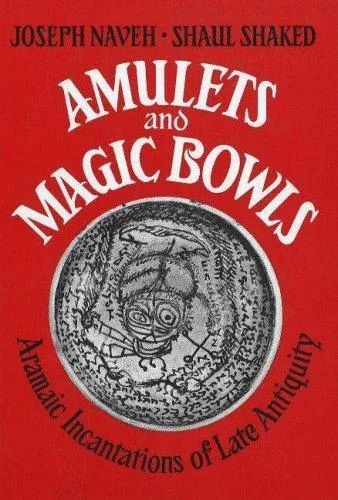
The re-publication of Naveh and Shaked's Amulets and Magic Bowls is a significant scholarly event, offering a consolidated view of these vital artifacts. The authors’ erudition is evident on every page, particularly in their detailed transliterations and translations of Aramaic incantations. A notable strength is the comprehensive cataloging of bowl types and amuletic designs, providing an invaluable resource for comparative study. However, the work's density can be challenging for the uninitiated; a more expansive introductory chapter contextualizing the broader landscape of ancient magic beyond Jewish circles might have enhanced accessibility. The section detailing the iconography of protective symbols on the bowls, especially those depicting the demon Lilith, offers a particularly compelling glimpse into ancient anxieties and beliefs. This is an essential, albeit demanding, reference for serious scholars of ancient Jewish magic.
📝 Description
76
Published in 1985, Amulets and Magic Bowls offers direct access to ancient Jewish magical texts.
Joseph Naveh and Shaul Shaked compiled a thorough study of ancient Jewish magical texts, focusing on incantation bowls and amulets. This volume gives scholars and enthusiasts access to a collection of material previously scattered or hard to find. The authors detail the scripts, imagery, and language of these artifacts, helping readers understand their purpose and meaning in their original settings. It serves as both a historical record and an introduction to a complex area of ancient religious and magical practices.
The book is aimed at serious students and researchers of ancient Judaism, magic, and religious history. It will interest scholars of late antique religions, epigraphers, and those studying the material culture of the ancient Near East. Although it contains extensive scholarly references, advanced undergraduates and graduate students can use it for primary source material. Anyone with a particular interest in Jewish magic, demonology, or the religious blending in the Sasanian period will find considerable value here.
This work sits within the study of late antique Jewish magical traditions, a field that gained momentum in the mid-to-late 20th century. It examines practices that existed alongside, but often outside, the mainstream rabbinic canon. By analyzing incantation bowls and amulets, Naveh and Shaked shed light on the diverse beliefs and ritual practices of Jews in the Sasanian and early Islamic periods, a time marked by significant cultural and religious exchange.
💡 Why Read This Book?
• Gain unparalleled access to primary source materials on Jewish magical bowls and amulets, meticulously cataloged and translated by leading scholars, offering insights unavailable in general surveys. • Understand the specific function and symbolism of over 100 Babylonian Jewish incantation bowls, exploring their role in everyday life during the Sasanian period (roughly 3rd to 7th centuries CE). • Explore the complex interplay of Jewish, Gnostic, and Babylonian influences in ancient magical practices, as detailed through the analysis of specific incantatory formulas and demonological figures.
⭐ Reader Reviews
Honest opinions from readers who have explored this book.
❓ Frequently Asked Questions
What is the primary language used in the incantation bowls discussed in Amulets and Magic Bowls?
The majority of the incantation bowls featured in Naveh and Shaked's work are inscribed in Jewish Babylonian Aramaic. This language was common in Mesopotamia during the late antique period, reflecting the cultural milieu of the Jewish communities that produced these artifacts.
When were most of the amulets and magic bowls analyzed in the book created?
The artifacts examined in Amulets and Magic Bowls predominantly date from the Sasanian period, which spans from the 3rd to the 7th centuries CE. This era was crucial for the development and dissemination of Jewish magical practices in Mesopotamia.
Who were Joseph Naveh and Shaul Shaked, the authors of Amulets and Magic Bowls?
Joseph Naveh was a renowned Israeli archaeologist and epigrapher specializing in ancient Semitic languages, particularly Aramaic. Shaul Shaked was a distinguished Israeli scholar of Iranian studies and Jewish Aramaic, known for his work on Zoroastrianism and Jewish magical texts.
What is the significance of the 'magic bowls' mentioned in the title?
The 'magic bowls,' also known as incantation bowls or demon bowls, are ceramic vessels inscribed with magical spells, primarily in Aramaic. They were used by Jewish communities in Babylonia to protect against evil spirits, illness, and misfortune.
Does the book cover amulets from periods other than the Sasanian era?
While the primary focus is on Sasanian-era Babylonian Jewish magic bowls and amulets, the book's comprehensive analysis may touch upon related or precursor traditions, contextualizing the material within broader ancient Near Eastern magical practices.
Are the texts within Amulets and Magic Bowls presented in their original script?
Yes, the book typically includes transliterations and translations of the Aramaic texts found on the amulets and bowls. It often presents the inscriptions in their original Hebrew or Aramaic script alongside scholarly commentary.
🔮 Key Themes & Symbolism
Babylonian Jewish Incantations
This theme explores the rich corpus of magical spells inscribed on ceramic bowls, primarily in Jewish Babylonian Aramaic, originating from Mesopotamia during the Sasanian period. Naveh and Shaked meticulously analyze these incantations, revealing their structure, linguistic features, and the specific aims of the practitioners – often protection against demons, healing, or securing good fortune. The work highlights the practical application of esoteric knowledge within Jewish communities, demonstrating how these bowls served as tangible tools for spiritual and physical well-being in antiquity.
Demonology and Protective Symbolism
A central focus is the detailed examination of the demonological landscape depicted in the texts and imagery of the amulets and bowls. The book identifies various malevolent entities and explores the complex system of invoking divine names, angels, and potent symbols to counteract their influence. Specific symbols, such as the 'evil eye' or depictions of mythical creatures, are analyzed for their protective functions. This theme underscores the ancient worldview where spiritual forces were believed to directly impact daily life, necessitating elaborate magical defenses.
Syncretism in Late Antiquity
The work critically engages with the syncretic nature of magic in the late antique Near East, particularly within Jewish communities under Sasanian rule. Naveh and Shaked illustrate how Jewish magical practices incorporated elements from surrounding Babylonian, Persian, and Gnostic traditions. This theme reveals a dynamic religious environment where distinct cultural and theological influences blended, resulting in unique expressions of esoteric belief and ritual. The analysis provides crucial evidence for understanding religious exchange and adaptation in the ancient world.
Material Culture of Ancient Magic
This theme emphasizes the physical artifacts themselves – the ceramic bowls and inscribed amulets – as primary sources for understanding ancient magical practices. The book details the physical characteristics of these objects, their common iconography, and the methods of their use. By studying the material culture, scholars gain insights into the daily lives, anxieties, and spiritual aspirations of individuals and communities. The tangible nature of these objects makes the study of ancient magic particularly vivid and accessible.
💬 Memorable Quotes
Direct passages from the work, attributed to the author.
“The bowls served a practical purpose, intended to protect their owners from demons and evil spirits.”
— This interpretation highlights the functional aspect of the incantation bowls. They were not merely decorative or ritualistic objects but active tools designed to create a magical defense for the household or individual against perceived supernatural threats prevalent in the era.
“Inscriptions frequently invoke divine names and angelic powers to bolster the spell's efficacy.”
— This points to a key mechanism in ancient Jewish magic: the belief that drawing upon the authority and power of God and His celestial agents amplified the effectiveness of an incantation. It reveals a hierarchical understanding of the cosmos and the strategic use of sacred names.
“Analysis reveals a blend of Jewish theological concepts with elements from surrounding Mesopotamian traditions.”
— This reflects the scholarly observation of syncretism. It indicates that Jewish magical practices in Babylonia were not isolated but engaged with and absorbed ideas, symbols, and perhaps even deities from the broader cultural milieu, creating a unique hybrid form.
“The study requires careful attention to both the Aramaic script and the specific archaeological context of each artifact.”
— This emphasizes the interdisciplinary nature of the research. Understanding these magical objects demands expertise in linguistics (Aramaic epigraphy) and archaeology (understanding the provenance and use of the physical objects), underscoring the complexity of the scholarly task.
💡 Key Ideas
Editorial paraphrase of the work's core concepts — not direct quotes.
The iconography often depicts mythological or monstrous figures, sometimes bound or neutralized.
This paraphrase suggests that the visual elements on the bowls and amulets were as important as the text. Depicting fearsome creatures, perhaps those responsible for misfortune, and showing them overcome, served as a potent symbolic representation of the magical protection being enacted.
🌙 Esoteric Significance
Tradition
This work is deeply embedded within the study of ancient Jewish esoteric traditions, specifically focusing on folk magic and the practical application of religious beliefs. While not strictly Kabbalistic in the later sense, it explores the roots of Jewish magical practice that would later inform Kabbalistic symbolism and ritual. It represents a significant contribution to understanding the lived religion and 'magical worldview' of Jews in Babylonia, a lineage distinct from, yet often intersecting with, more formalized mystical or philosophical streams.
Symbolism
Key symbols include the ubiquitous demonological figures, such as Lilith or various classes of malevolent spirits, often depicted in stylized, sometimes bound or defeated forms on the bowls. The use of divine names (e.g., YHWH, El Shaddai) and angelic titles acts as potent symbolic invocations, channeling celestial authority. The very act of inscribing spells on ceramic vessels transforms the object into a magical locus, a symbolic container of protective power meant to ward off cosmic chaos.
Modern Relevance
Contemporary practitioners and scholars of Jewish magical traditions, comparative religion, and ancient Near Eastern studies frequently reference Naveh and Shaked's foundational research. Modern Kabbalistic study, neo-paganism, and esoteric history often draw upon the insights provided here regarding the historical development and cultural context of Jewish amulets and incantations. The work remains a critical reference for understanding the historical roots of protective magic and the complex interplay of spiritual beliefs in antiquity.
👥 Who Should Read This Book
• Scholars of ancient Judaism and late antique religions seeking primary source material on magical practices and beliefs beyond rabbinic literature. • Researchers in comparative religion and the history of magic interested in the syncretic influences present in Mesopotamian Jewish traditions during the Sasanian period. • Students of Aramaic epigraphy and ancient Near Eastern archaeology looking for detailed analysis of inscribed artifacts and their cultural context.
📜 Historical Context
The research presented in Amulets and Magic Bowls emerged from a vibrant academic landscape in the mid-to-late 20th century, a period marked by significant advancements in the study of ancient Near Eastern religions and languages. Scholars like Moshe Idel and Gershom Scholem were revolutionizing the understanding of Jewish mysticism and magic, making works like this essential for mapping the diverse spectrum of Jewish belief. The context is the broader scholarly engagement with the Sasanian Empire (224-651 CE), a crucial period for religious development and interaction in Mesopotamia. Naveh and Shaked's meticulous work built upon foundational studies of Babylonian Jewish Aramaic and inscribed artifacts, directly contributing to the ongoing debate about the relationship between rabbinic Judaism and popular magical practices. Their findings were particularly relevant in challenging earlier assumptions about the uniformity of Jewish religious expression.
📔 Journal Prompts
The function of protective amulets in Sasanian Babylonia.
Analysis of the demonological figures invoked in Jewish incantation bowls.
The linguistic characteristics of Jewish Babylonian Aramaic in magical texts.
Symbolism of bound or neutralized figures on magic bowls.
Comparison of syncretic elements in Jewish and surrounding Mesopotamian magic.
🗂️ Glossary
Incantation Bowl
A ceramic bowl, typically inscribed with magical spells, used primarily in late antiquity (especially Babylonia) for protection against demons, illness, or misfortune. Often referred to as 'demon bowls'.
Jewish Babylonian Aramaic
A dialect of Aramaic spoken and written by Jewish communities in Babylonia during the late antique period (roughly 3rd to 7th centuries CE), commonly used for magical texts and Talmudic literature.
Sasanian Period
The era of the Sasanian Empire in Persia and Mesopotamia, lasting from 224 to 651 CE. This period was significant for religious and cultural developments, including the flourishing of Jewish magical practices in Babylonia.
Demonology
The study or belief in demons and evil spirits. In the context of magic bowls, it refers to the identification and invocation of specific malevolent entities targeted by the spells.
Syncretism
The blending of different religious or cultural beliefs and practices. In this context, it refers to the incorporation of elements from Babylonian, Persian, or Gnostic traditions into Jewish magical formulations.
Epigraphy
The study of inscriptions, especially ancient ones. In relation to magic bowls, it involves deciphering, translating, and analyzing the written texts inscribed upon them.
Amulet
An object believed to possess magical properties, typically worn or carried for protection against evil, harm, or disease. In this book, it refers to inscribed objects distinct from the larger incantation bowls.