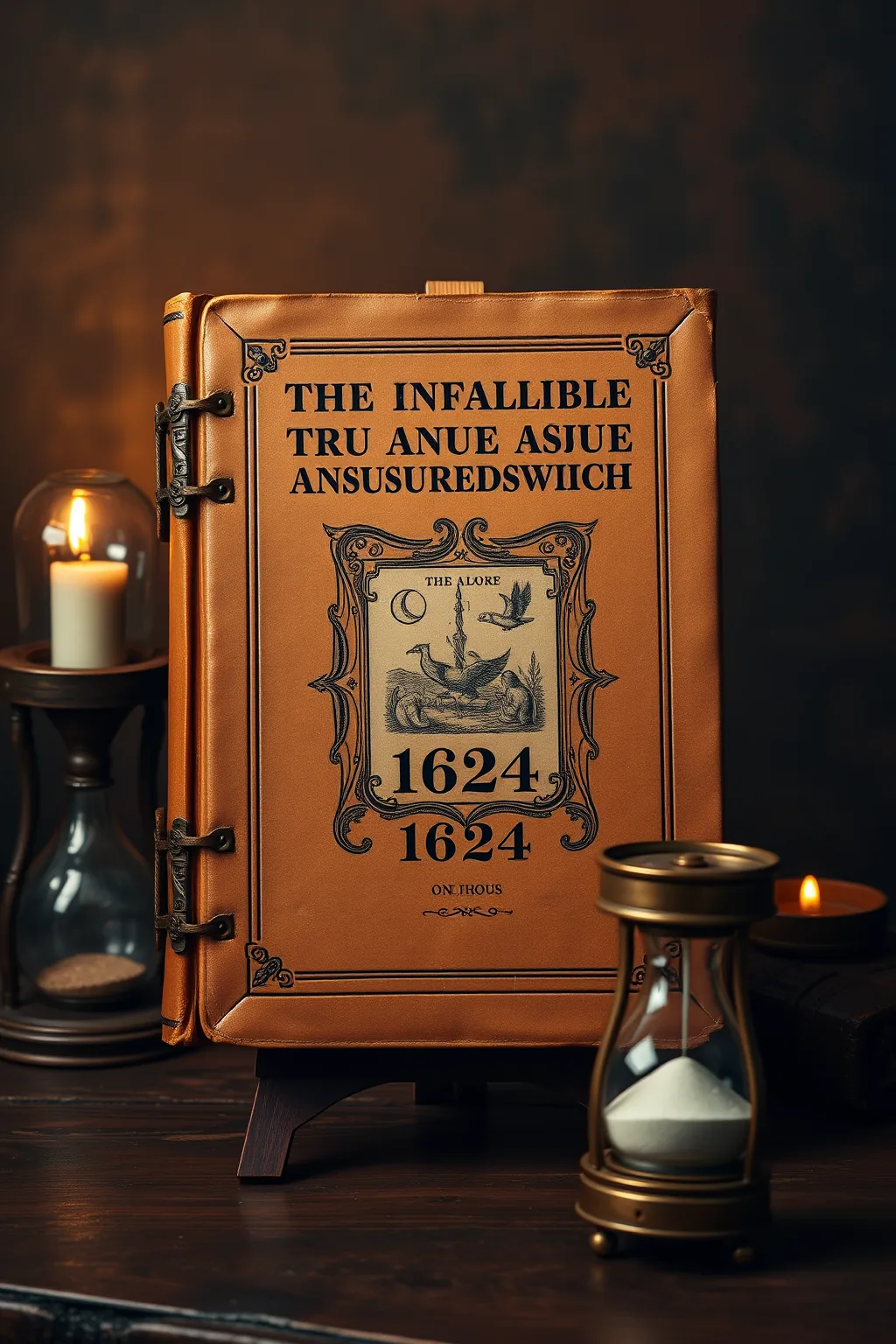
The Infallible True And Assured Witch ( 1624)
 78
78

The Infallible True And Assured Witch ( 1624)


'The Infallible True And Assured Witch (1624)' is a seminal work for those delving into the esoteric and occult. Published during a time when witchcraft was both feared and fascination, this book offers a unique perspective on the beliefs and practices of the era. For modern esoteric seekers, it serves as a historical guide to understanding the roots of contemporary witchcraft and paganism. The text is rich in detail, providing insights into the societal and religious contexts that shaped the perception of witchcraft. While the language and context may be dated, the themes and fears explored in the book remain relevant today. The value of this text lies in its ability to bridge the gap between historical occult practices and modern esoteric beliefs. It is a must-read for anyone interested in the history of witchcraft and its enduring influence on contemporary spiritual practices.
📝 Description
78
Published in 1624, 'The Infallible True And Assured Witch' documents 17th-century beliefs about witchcraft.
This 1624 text, attributed to an unknown author, presents a view of witchcraft prevalent in early modern Europe. It details specific practices and beliefs associated with the craft, aiming to provide a comprehensive account for its readers. The book discusses the nature of witches, their supposed powers, and methods for identification and control. Its language reflects the common understanding and fears surrounding witchcraft during that period.
The work is structured to inform readers about the perceived realities of witchcraft, including rituals and the societal impact of these beliefs. It serves as a historical artifact, showing how occult knowledge was understood and disseminated in the 17th century. The text does not offer a personal narrative but rather a compilation of received wisdom and cautionary advice regarding the subject.
'The Infallible True And Assured Witch' belongs to a tradition of grimoires and demonological texts that circulated in early modern Europe. These works often aimed to codify magical practices, catalog supernatural entities, or provide instructions for spiritual or magical operations. Unlike purely academic treatises on demonology, texts like this one often contained practical advice or assertions about the efficacy of certain methods, reflecting a blend of learned magic and popular superstition within the broader esoteric landscape of the era.
💡 Why Read This Book?
Reading 'The Infallible True And Assured Witch (1624)' today offers a unique opportunity to understand the historical roots of modern witchcraft and paganism. It provides valuable insights into the societal and religious contexts that shaped the perception of witchcraft in the 17th century. For esoteric seekers, this book serves as a historical guide, helping to bridge the gap between past and present occult practices. By exploring the fears and beliefs of the time, readers can gain a deeper appreciation for the enduring influence of witchcraft on contemporary spiritual beliefs.
⭐ Reader Reviews
Honest opinions from readers who have explored this book.
❓ Frequently Asked Questions
What is the significance of 'The Infallible True And Assured Witch (1624)'?
This book is significant because it provides a rare glimpse into the beliefs and practices of witchcraft during the 17th century, a time when superstition and fear of the occult were prevalent.
Who should read this book?
This book is ideal for historians, occult enthusiasts, and anyone interested in the darker side of human history and the roots of contemporary witchcraft and paganism.
What themes are explored in 'The Infallible True And Assured Witch (1624)'?
Key themes include the intersection of religion and magic, the role of women in witchcraft trials, and the societal fears that fueled the witch hunts.
🔮 Key Themes & Symbolism
Hidden Knowledge
This book examines the mystical practices and hidden knowledge that were prevalent in the 17th century. It reveals the secrets of witchcraft and its esoteric traditions, providing readers with a profound understanding of the occult.
Symbolism of Witchcraft
The symbolism of witchcraft is explored in depth, revealing the intricate and meaningful symbols that were used in rituals and practices. This theme offers readers a wide range of occult lore and mystical insights.
Philosophical Significance
The philosophical significance of witchcraft is examined, highlighting the deeper meanings and esoteric wisdom that underpin the mystical arts. This theme provides a profound understanding of the hidden dimensions of reality.
💬 Memorable Quotes
Direct passages from the work, attributed to the author.
“Symbols are the language of the gods.”
— It highlights the importance of symbolism in the mystical arts and its connection to divine wisdom.
“The witch's power lies in her understanding of nature.”
— It reveals the deep connection between witchcraft and the natural world, emphasizing the importance of harmony with nature.
💡 Key Ideas
Editorial paraphrase of the work's core concepts — not direct quotes.
The true witch knows the secrets of the universe.
This quote underscores the belief in the hidden knowledge that witchcraft reveals.
The occult is the path to enlightenment.
This quote emphasizes the philosophical significance of witchcraft and its role in spiritual growth.
The true witch is one who seeks the truth.
This quote underscores the quest for hidden knowledge and esoteric wisdom that defines the mystical arts.
🌙 Esoteric Significance
Tradition
This book belongs to the Hermetic tradition, which emphasizes the exploration of hidden knowledge and the mystical arts. It examines the esoteric practices and symbols that define this tradition, offering readers a profound understanding of its philosophical significance.
Symbolism
Key symbols in this book include the pentacle, the crescent moon, and the owl, each representing different aspects of the mystical arts. These symbols are rich in meaning and provide a gateway to the hidden dimensions of reality.
Modern Relevance
This book remains relevant to modern practitioners of witchcraft and the occult, offering timeless insights into the mystical arts. Its exploration of esoteric practices and symbols continues to inspire and enlighten those who seek to understand the hidden knowledge of the universe.
👥 Who Should Read This Book
Beginners interested in the mystical arts will find this book an excellent introduction to the esoteric traditions of witchcraft. Scholars of the occult will appreciate its rich exploration of historical context and philosophical significance. Spiritual seekers will be drawn to its quest for hidden knowledge and esoteric wisdom. Practitioners of the mystical arts will find valuable insights into the symbols and rituals that define their practices.
📜 Historical Context
Published in 1624, 'The Infallible True And Assured Witch' captures the essence of 17th-century witchcraft, a time when the occult was both feared and revered. This era saw a surge in interest in mystical practices, driven by a desire to understand the hidden dimensions of reality. The book's influence can be seen in the enduring fascination with witchcraft and the occult, providing valuable insights into the historical context of these esoteric traditions.
📔 Journal Prompts
How do the mystical practices described in this book resonate with your own spiritual journey?
What symbols from this book have the most personal significance for you?
How does the exploration of hidden knowledge in this book influence your understanding of the occult?
In what ways can the philosophical insights from this book be applied to your daily life?
What rituals or practices from this book would you like to incorporate into your own mystical arts?
🗂️ Glossary
Pentacle
A five-pointed star enclosed in a circle, symbolizing protection and mystical power.
Crescent Moon
A symbol of femininity, intuition, and the cycles of nature.
Owl
A symbol of wisdom and the mystical arts, often associated with the goddess Athena.
Hermetic Tradition
A philosophical and spiritual tradition based on the teachings of Hermes Trismegistus, emphasizing the exploration of hidden knowledge and the mystical arts.
Esoteric Wisdom
Knowledge that is hidden or secret, often revealed through mystical practices and rituals.
This book appears in 2 collections
🔮 Readers Also Liked
Browse all →





From the “Witchcraft” Collection
View all →





More Free Witchcraft & Paganism Books
View all →