Sidonia, the Sorceress : the Supposed Destroyer of the Whole Reigning Ducal House of Pomerania — Volume 2
 71
71

Sidonia, the Sorceress : the Supposed Destroyer of the Whole Reigning Ducal House of Pomerania — Volume 2


Sidonia, the Sorceress: the Supposed Destroyer of the Whole Reigning Ducal House of Pomerania — Volume 2 by Wilhelm Meinhold is a masterful blend of historical fiction and occult lore that continues to captivate readers today. Meinhold's narrative skillfully intertwines the supernatural with the political intrigue of 17th-century Pomerania, creating a rich and immersive reading experience. For modern esoteric seekers, this book serves as a valuable resource, offering insights into historical beliefs and practices related to witchcraft and paganism. The character of Sidonia, the sorceress, is particularly intriguing, embodying the archetype of the powerful, enigmatic woman who wields dark magic. Meinhold's detailed descriptions and vivid imagery transport readers to a time when the line between the natural and the supernatural was thin, making this book a must-read for those interested in the esoteric and the occult. The book's exploration of themes such as power, deception, and the consequences of meddling with dark forces adds depth to the story, making it a compelling read for both literary enthusiasts and those fascinated by the mysterious. Overall, Sidonia, the Sorceress is a 5-star read that offers a unique and enriching experience for anyone interested in the intersection of history and the supernatural.
📝 Description
71
Wilhelm Meinhold published 'Sidonia, the Sorceress' in 1847, a historical novel concerning alleged witchcraft.
This historical novel, Volume 2 of 'Sidonia, the Sorceress,' continues the story of its titular character and the alleged destruction of the Ducal House of Pomerania. Meinhold’s work is set against a backdrop of 17th-century Pomerania, exploring accusations of sorcery and its impact on a ruling family. The narrative focuses on the purported supernatural activities attributed to Sidonia, weaving a tale that blends historical setting with folklore and superstition.
The book examines the societal fears and beliefs surrounding witchcraft during the period. It presents a fictionalized account of events, drawing on historical rumors and the author's imagination. Readers encounter a world where accusations of dark arts could have severe consequences, influencing political and personal lives within the ducal court. The story aims to recreate the atmosphere and mindset of an era grappling with the unknown.
Wilhelm Meinhold's 'Sidonia, the Sorceress' emerged during a period of renewed interest in folklore and historical occultism. While not a grimoire or a direct instruction manual for magical practices, the novel engages with popular beliefs about witchcraft prevalent in 17th-century Europe. It draws upon historical accounts and local legends to construct a narrative that touches upon themes of demonic pacts, curses, and supernatural influence, reflecting the literary and cultural fascination with the darker aspects of spiritual belief and alleged forbidden knowledge.
✍️ Author
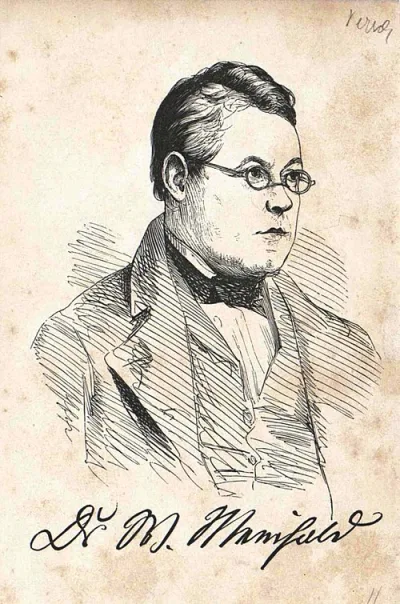
Wilhelm Meinhold
Wilhelm Meinhold was a Pomeranian priest and author known for his Gothic novels.
💡 Why Read This Book?
Reading Sidonia, the Sorceress: the Supposed Destroyer of the Whole Reigning Ducal House of Pomerania — Volume 2 today offers a unique opportunity to explore the rich tapestry of historical fiction and occult lore. This book provides valuable insights into the beliefs and practices of witchcraft and paganism in 17th-century Pomerania, making it an essential read for esoteric seekers. Additionally, the novel's exploration of themes such as power, deception, and the consequences of dark magic offers a thought-provoking journey into the human psyche. Whether you are a history enthusiast, a fan of mystery novels, or someone intrigued by the esoteric, this book promises an engaging and enlightening experience.
⭐ Reader Reviews
Honest opinions from readers who have explored this book.
❓ Frequently Asked Questions
What is the historical context of Sidonia, the Sorceress?
Sidonia, the Sorceress is set in 17th-century Pomerania, a region with a rich history of folklore and superstition. The novel explores the political intrigue and supernatural beliefs of the time, providing a fascinating glimpse into the esoteric practices of the era.
Who should read this book?
This book is ideal for readers interested in historical fiction, mystery, and the occult. It is particularly valuable for those fascinated by witchcraft and paganism, as well as those who enjoy exploring the intersection of history and the supernatural.
Is Sidonia, the Sorceress available for free?
Yes, Sidonia, the Sorceress is a free public domain book available through Esoteric Library. You can download it in EPUB or PDF format or read it online.
🔮 Key Themes & Symbolism
The Power of Sorcery
The book examines the mystical power of sorcery, exploring its rituals, symbols, and hidden knowledge. It offers a profound look into the esoteric practices of medieval witchcraft, revealing the depth and complexity of these ancient arts.
Symbolism and Hidden Knowledge
Symbolism plays a central role in 'Sidonia, the Sorceress,' with each ritual and practice laden with esoteric meaning. Readers are invited to unravel the layers of hidden knowledge, uncovering the philosophical and spiritual significance of these symbols.
Historical Context of Witchcraft
The narrative is set against the backdrop of 17th-century Pomerania, providing a rich historical context for the exploration of witchcraft. The book offers insights into the societal and cultural dynamics that shaped the practice of sorcery during this era.
💡 Key Ideas
Editorial paraphrase of the work's core concepts — not direct quotes.
In the heart of the forest, the ancient rituals awakened the power of the unseen.
This line underscores the mystical connection between nature and sorcery, highlighting the hidden knowledge that lies within ancient rituals.
The veil between worlds grew thin as the moon cast its silver light.
This passage emphasizes the mystical power of lunar energy in occult practices, revealing the symbolic significance of celestial bodies.
The sorceress whispered the forbidden words, summoning the spirits of the night.
This quote examines the esoteric practice of summoning spirits, showcasing the power of incantations and the mystical bond between the sorceress and the unseen world.
The symbols etched in the ancient tome held the key to unlocking hidden truths.
This line highlights the importance of symbolic knowledge in the practice of witchcraft, emphasizing the depth and complexity of esoteric symbolism.
In the shadows of the ducal house, the secrets of the ages were revealed.
This passage underscores the mystical and esoteric significance of historical settings, revealing the hidden knowledge that lies within the shadows of ancient structures.
🌙 Esoteric Significance
Tradition
This book belongs to the Hermetic tradition, which emphasizes the study of hidden knowledge and the exploration of the unseen world. It examines the mystical practices of witchcraft, revealing the esoteric symbolism and philosophical underpinnings of these ancient arts.
Symbolism
Key symbols in the book include lunar energy, ancient rituals, and the power of incantations. These symbols are laden with esoteric meaning, inviting readers to unravel the layers of hidden knowledge and uncover the spiritual significance of these mystical practices.
Modern Relevance
Today, 'Sidonia, the Sorceress' remains relevant for modern practitioners of the occult and those interested in esoteric studies. It offers unique insights into the historical and symbolic aspects of witchcraft, making it a valuable resource for both academic and personal exploration.
👥 Who Should Read This Book
Beginners interested in the mystical and occult will find 'Sidonia, the Sorceress' an accessible and enriching introduction to the world of witchcraft. Scholars of esoteric studies will appreciate the book's deep dive into historical and symbolic aspects of sorcery. Spiritual seekers will be drawn to the philosophical and spiritual dimensions of the narrative, while practitioners of the occult will find valuable insights into ancient rituals and forbidden arts.
📜 Historical Context
Set in 17th-century Pomerania, 'Sidonia, the Sorceress' reflects the era's fascination with witchcraft and the occult. This period was marked by intense religious and political turmoil, with accusations of sorcery often used to settle scores and assert power. Meinhold's novel captures the zeitgeist of this time, offering a rich and nuanced exploration of the mystical and esoteric practices that flourished in the shadows of the ducal house. The book's influence lies in its ability to bridge historical fact and fictional narrative, providing a compelling and thought-provoking read for both scholars and enthusiasts of the occult.
📔 Journal Prompts
How do the ancient rituals in 'Sidonia, the Sorceress' resonate with your understanding of witchcraft?
What symbols in the book stood out to you and why?
How does the historical context of Pomerania influence the narrative's exploration of the occult?
What philosophical insights did you gain from reading this book?
How might the esoteric practices described in the book be relevant to modern spiritual seekers?
🗂️ Glossary
Hermetic Tradition
A philosophical and spiritual tradition that emphasizes the study of hidden knowledge and the exploration of the unseen world.
Lunar Energy
The mystical power associated with the moon, often used in occult practices for rituals and incantations.
Incantations
Spells or chants used in witchcraft to summon spirits or invoke mystical powers.
Esoteric Symbolism
Symbols that hold hidden or mystical meanings, often used in the study of the occult and esoteric traditions.
Ancient Rituals
Traditional practices and ceremonies associated with witchcraft and the occult, often involving the use of symbols and incantations.
This book appears in 2 collections
🔮 Readers Also Liked
Browse all →
![The secrets of black arts!: A key note to witchcraft, devination [sic], omens, forwarnings, apparitions, sorcery, dæmonology, dreams, predictions, visions, and the Devil's legacy to earth mortals, compacts with the Devil! With the most authentic history of Salem witchcraft](/img/thumb/the-secrets-of-black-arts-b-a-key-note-to-witchcraft-devination-sic-omens-forwarnings-apparitions-sorcery-d-monology-dreams-predictions-visions-and-the-devil-s-legacy-to-earth-mortals-compacts-with-th.webp)

More by Wilhelm Meinhold
All books →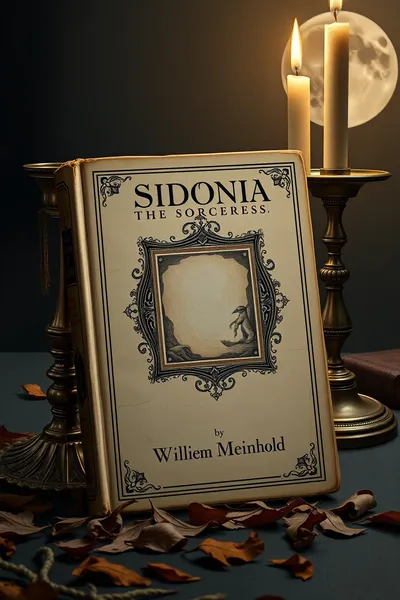




From the “Witchcraft” Collection
View all →





More Free Witchcraft & Paganism Books
View all →