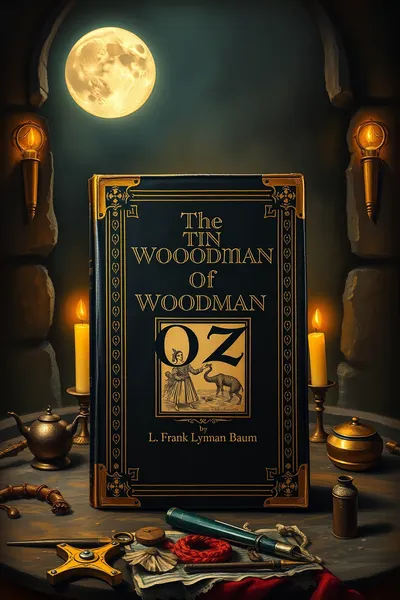
The Tin Woodman of Oz: A Faithful Story of the Astonishing Adventure Undertaken; by the Tin Woodman, assisted by Woot the Wanderer, the; Scarecrow of Oz, and Polychrome, the Rainbow's Daughter

 70
70

The Tin Woodman of Oz: A Faithful Story of the Astonishing Adventure Undertaken; by the Tin Woodman, assisted by Woot the Wanderer, the; Scarecrow of Oz, and Polychrome, the Rainbow's Daughter

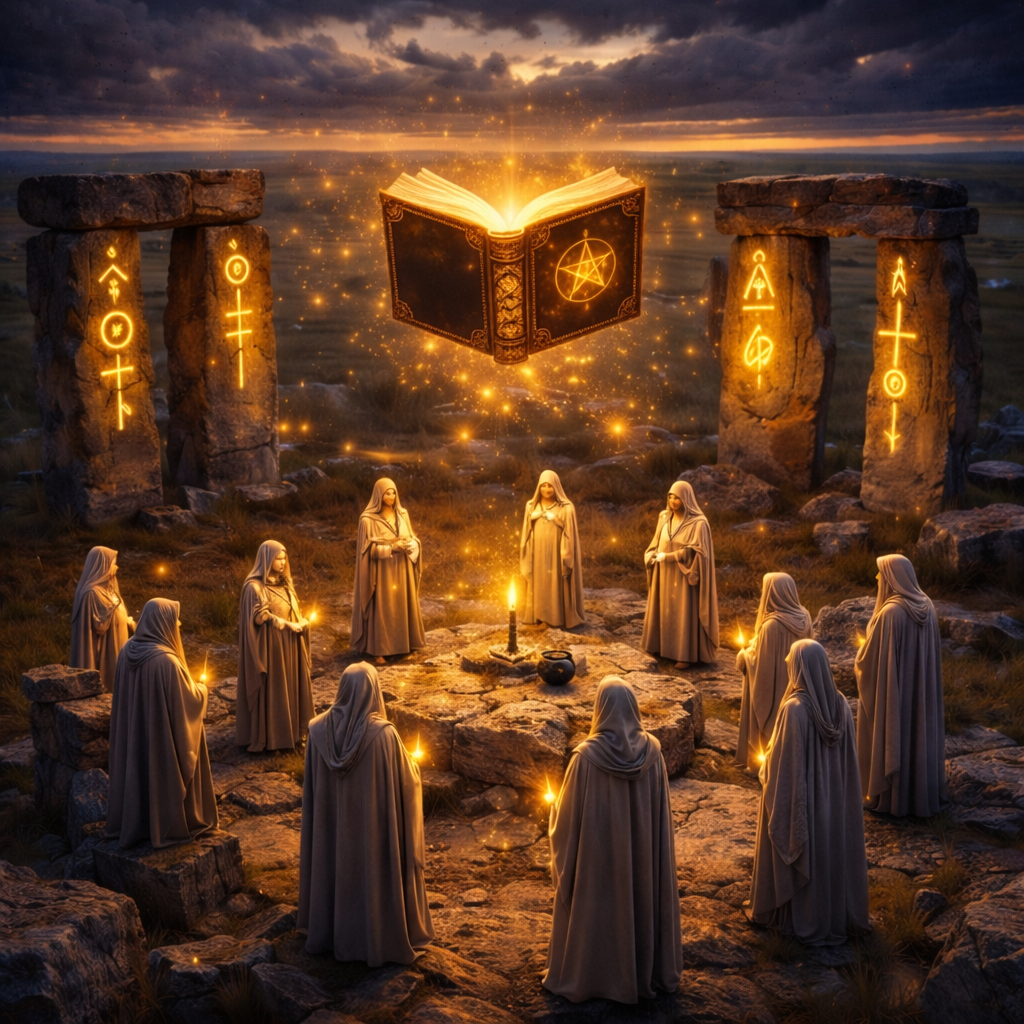

The Tin Woodman of Oz by L. Frank Baum is a hidden gem in the realm of esoteric literature. While primarily a children's book, it contains layers of symbolism and mystical themes that make it a valuable read for modern esoteric seekers. Baum's imaginative storytelling transports readers to a world where magic and ritual are everyday occurrences, providing a rich backdrop for exploring deeper philosophical questions. The book's portrayal of the battle between good and evil, as well as its emphasis on love and friendship, resonates with contemporary readers seeking spiritual insights. The characters' journeys of self-discovery and transformation serve as metaphors for personal growth and spiritual awakening. For those interested in the occult, the book offers a gentle introduction to esoteric concepts through its enchanting narrative. The Tin Woodman of Oz is a must-read for anyone looking to combine entertainment with spiritual exploration.
📝 Description
70
L. Frank Baum published 'The Tin Woodman of Oz' in 1918, featuring a quest for a magical item.
This 1918 story follows the Tin Woodman and his companion Woot the Wanderer as they seek the magical Horned Toad. Their journey takes them through Oz, where they encounter the Scarecrow and Polychrome, the Rainbow's Daughter. Baum uses familiar characters from his earlier Oz books to tell a story that, beneath its surface adventure, touches on themes of personal growth and the search for meaning. The narrative is rich with symbolic elements, reflecting Baum's interest in spiritual and philosophical ideas that resonated with readers of his time.
The Tin Woodman's quest is not merely about finding a lost object; it becomes a metaphor for overcoming internal limitations and achieving a deeper understanding of oneself. The characters' interactions and the challenges they face in the Land of Oz invite contemplation on transformation and the nature of reality. The book is a late entry in Baum's Oz series, continuing the whimsical yet thoughtful style that characterized his work.
Published in 1918, 'The Tin Woodman of Oz' reflects a period when spiritualism and interest in hidden knowledge were prevalent. While not overtly a text of occultism, Baum's work often incorporated themes of transformation and the search for inner truth, aligning with broader esoteric currents of the era. The symbolic nature of Oz and its inhabitants can be interpreted through lenses of personal spiritual journeys, where characters undergo trials that lead to self discovery. This aligns with esoteric traditions that view external events as reflections of internal states and progress.
✍️ Author
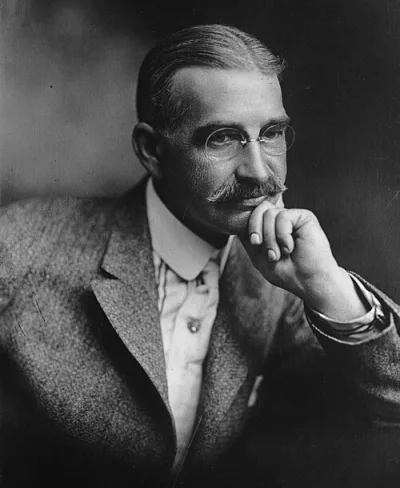
Baum, L. Frank (Lyman Frank)
L. Frank Baum was an American author best known for his children's fantasy books, particularly The Wonderful Wizard of Oz.
💡 Why Read This Book?
Reading The Tin Woodman of Oz today offers a unique blend of nostalgia and esoteric exploration. Modern readers will gain a deeper understanding of the magical and mystical themes that underpin classic children's literature. The book provides an opportunity to reflect on the timeless struggle between good and evil, as well as the enduring power of love and friendship. For those interested in the occult, the story serves as a gateway to exploring deeper spiritual concepts in an accessible and engaging manner.
⭐ Reader Reviews
Honest opinions from readers who have explored this book.
❓ Frequently Asked Questions
What is the main plot of The Tin Woodman of Oz?
The main plot revolves around the Tin Woodman and his companions' quest to find Ozma, who has been transformed into a swine. They encounter various magical beings and face challenges that test their courage and wisdom.
Who are the main characters in the book?
The main characters include the Tin Woodman, Woot the Wanderer, the Scarecrow of Oz, and Polychrome, the Rainbow's Daughter. Dorothy Gale also makes an appearance.
What are the key themes in The Tin Woodman of Oz?
Key themes include the struggle between good and evil, the power of love and friendship, and the exploration of self-discovery and transformation.
🔮 Key Themes & Symbolism
Personal Transformation
The Tin Woodman's journey symbolizes the quest for personal transformation and enlightenment. Through his adventures, readers are invited to reflect on their own paths to self-discovery and spiritual growth. This theme is woven into the narrative through magical encounters and rituals that challenge the reader to see beyond the surface and into the heart of mystical lore.
The Struggle Between Good and Evil
The story explores the eternal struggle between good and evil, presenting it as a central conflict that shapes the characters' journeys. This theme is rich in symbolism, with each character representing different aspects of the human spirit and its battle for redemption. The narrative invites readers to consider their own roles in this cosmic drama and the choices that define their spiritual paths.
The Quest for Hidden Knowledge
The quest for hidden knowledge is a recurring motif in the book, with characters seeking ancient secrets and mystical truths. This theme is intertwined with the idea of initiation and the revelation of esoteric wisdom, making it a valuable exploration for seekers of spiritual enlightenment. The narrative encourages readers to delve deeper into the mysteries of the occult and to seek out the hidden knowledge that lies within themselves.
💬 Memorable Quotes
Direct passages from the work, attributed to the author.
“The more you know, the more you realize you don't know.”
— This reflection on the nature of knowledge and wisdom is a central theme in the book's esoteric exploration.
💡 Key Ideas
Editorial paraphrase of the work's core concepts — not direct quotes.
The heart is not judged by how much you love, but by how much you are loved by others.
This quote underscores the importance of love and acceptance in the journey towards enlightenment.
The greatest mistake is to think that you are someone else.
This line highlights the importance of self-awareness and the dangers of losing one's true identity.
There are worse things in the world than monsters.
This quote invites readers to consider the deeper fears and challenges that lie within the human psyche.
The path to wisdom is often a lonely one.
This line emphasizes the solitary nature of the spiritual journey and the importance of perseverance in the face of adversity.
🌙 Esoteric Significance
Tradition
This book belongs to the Hermetic tradition, with its emphasis on personal transformation and the quest for hidden knowledge. The narrative's detailed symbolism and mystical encounters align with Hermetic principles of spiritual growth and the revelation of esoteric wisdom.
Symbolism
Key symbols in the book include the Tin Woodman himself, representing the quest for personal transformation, and the magical encounters that symbolize initiation into esoteric knowledge. The struggle between good and evil is another central symbol, reflecting the eternal battle within the human spirit.
Modern Relevance
Today, 'The Tin Woodman of Oz' remains relevant for modern practitioners of the occult and seekers of spiritual enlightenment. Its exploration of hidden knowledge and personal transformation continues to inspire those looking to deepen their understanding of mystical traditions. The book's timeless themes make it a valuable addition to any esoteric library.
👥 Who Should Read This Book
Beginners in esoteric studies will find this book accessible and engaging, with its subtle yet profound exploration of mystical themes. Scholars of the occult will appreciate its detailed symbolism and philosophical depth, making it a valuable addition to their research. Spiritual seekers will resonate with the narrative's quest for personal transformation and enlightenment, finding inspiration in the characters' journeys. Practitioners looking to deepen their understanding of Hermetic principles will find this book a valuable resource, with its emphasis on hidden knowledge and the revelation of esoteric wisdom.
📜 Historical Context
Published in 1915, 'The Tin Woodman of Oz' reflects the cultural and literary trends of the early 20th century, blending elements of fantasy and esoteric lore. Baum's work was influential in shaping the modern fantasy genre, introducing readers to a world where magic and mysticism were integral parts of the narrative. The book's exploration of hidden knowledge and personal transformation resonated with readers seeking deeper meaning in a rapidly changing world. Its influence can be seen in later works of fantasy and occult literature, making it a seminal text in the genre.
📔 Journal Prompts
Reflect on a time when you sought hidden knowledge. What did you discover about yourself?
How do the struggles between good and evil manifest in your own life?
Consider the symbolism of the Tin Woodman's journey. What personal transformations have you undergone?
Explore the idea of initiation and the revelation of esoteric wisdom in your own spiritual path.
What does the quest for personal transformation mean to you?
🗂️ Glossary
Hermetic Tradition
A mystical and philosophical tradition that emphasizes personal transformation and the quest for hidden knowledge.
Initiation
The process of being introduced to esoteric knowledge and spiritual practices, often through rituals and symbolic experiences.
Esoteric Wisdom
Knowledge that is hidden or secret, revealed only to those who seek it out and are prepared to understand it.
Symbolism
The use of symbols to represent abstract ideas or qualities, often found in literature and mystical traditions.
Personal Transformation
The process of spiritual and personal growth, often involving self-discovery and the revelation of hidden truths.
This book appears in 6 collections
🔮 Readers Also Liked
Browse all →
More by Baum, L. Frank (Lyman Frank)
All books →
From the “Transcendental Meditation” Collection
View all →






More Free Magic & Ritual Books
View all →