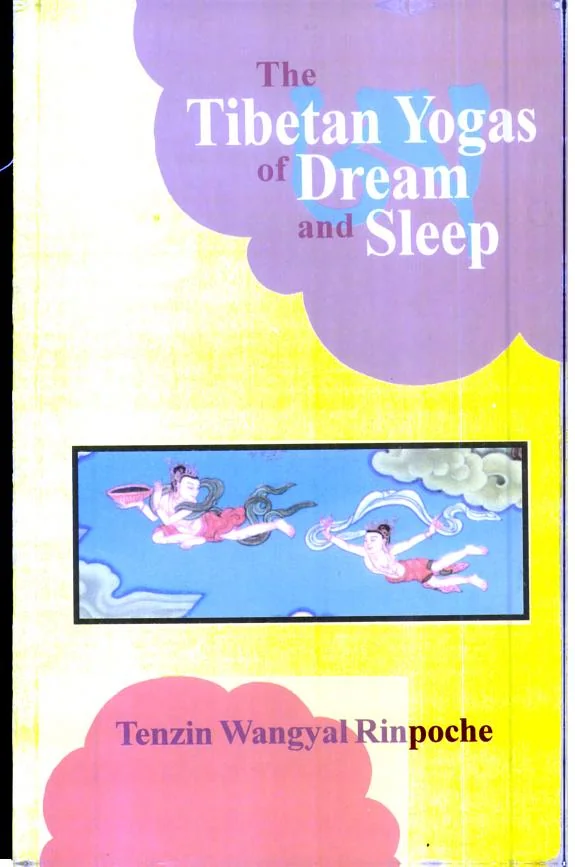
The Tibetan Yogas of Dream and Sleep
 77
77

The Tibetan Yogas of Dream and Sleep
Tenzin Wangyal Rinpoche’s The Tibetan Yogas of Dream and Sleep offers a rare distillation of advanced practices from the Bön tradition. Unlike many Western interpretations that might focus on the psychological aspects of dreaming, Rinpoche grounds these techniques firmly within the framework of achieving liberation. The book excels in its clarity, demystifying practices that are often considered among the most secret in Tibetan yogic traditions. A particular strength lies in the meticulous step-by-step guidance for recognizing and working with the dream state, making it actionable for dedicated practitioners. However, the transition to sleep yoga, while logically following dream yoga, can feel conceptually denser and perhaps less immediately accessible without direct guidance. The explanation of the clear light state, while vital, requires significant contemplative effort to grasp fully. The work’s value lies in its direct presentation of these profound methods, unfiltered by excessive academic or pop-psychology commentary. It serves as an indispensable manual for those serious about exploring consciousness beyond waking awareness.
📝 Description
77
Published in 2004, The Tibetan Yogas of Dream and Sleep details advanced meditation for lucid dreaming and sleep awareness.
Tenzin Wangyal Rinpoche's book examines advanced Tibetan Buddhist meditation practices, specifically lucid dreaming and awareness during deep sleep. It moves beyond viewing dream yoga as mere entertainment, positioning it as a path to spiritual liberation. The text outlines methods for maintaining consciousness and intention within dreams. It then progresses to the deeper practices of sleep yoga, also known as the yoga of clear light. These teachings originate from the Bön tradition, with a lineage that predates Buddhism in Tibet. Rinpoche, a Dzogchen master and Bön lineage holder, makes these complex teachings understandable. The book is recommended for experienced practitioners of Tibetan Buddhism or those dedicated to advanced yogic disciplines. It is suitable for individuals interested in subtler aspects of consciousness and spiritual growth beyond conventional waking practices. A basic understanding of Buddhist philosophy and meditation is advised.
These yogic practices stem from the Tibetan Bön tradition, an ancient spiritual path with roots predating Buddhism's formal introduction to Tibet. Tenzin Wangyal Rinpoche, a recognized master of Dzogchen and a holder of the Bön lineage, makes these historically esoteric teachings accessible. The Bön tradition, like Tibetan Buddhism, emphasizes direct experience and transformation of consciousness. The focus on dream and sleep states reflects a broader nondual understanding within these traditions, where all experiences, including dreams and sleep, are seen as potential pathways to awakening, rather than solely as mundane or escapist activities.
💡 Why Read This Book?
• Learn specific techniques for lucid dreaming as outlined in the dream yoga sections, enabling conscious engagement with your dream world for spiritual growth, a method detailed by Rinpoche since the book's 2004 publication. • Understand the advanced practice of sleep yoga, or the yoga of clear light, which aims for awareness during deep sleep, a state often lost to ordinary consciousness, as described by Tenzin Wangyal Rinpoche. • Gain insight into the Bön tradition's approach to consciousness, differentiating its yogic methods from other schools and understanding its specific lineage, as presented by a recognized master.
⭐ Reader Reviews
Honest opinions from readers who have explored this book.
❓ Frequently Asked Questions
What is the difference between dream yoga and sleep yoga in Tenzin Wangyal Rinpoche's book?
Dream yoga focuses on maintaining lucidity and awareness within the dream state. Sleep yoga, also called the yoga of clear light, is a more advanced practice aiming to sustain this awareness through deep, dreamless sleep, connecting with the mind's fundamental luminosity.
Is prior meditation experience necessary to benefit from The Tibetan Yogas of Dream and Sleep?
While not strictly mandatory, the book is intended for practitioners with some background in meditation or Buddhist philosophy. The practices are advanced, and a foundational understanding of concepts like impermanence and emptiness enhances comprehension.
Which Tibetan tradition does this book draw from?
The book primarily draws from the Bön tradition, which predates the arrival of Buddhism in Tibet. Tenzin Wangyal Rinpoche is a recognized master and lineage holder within this specific spiritual lineage.
What is the 'yoga of clear light'?
The yoga of clear light is the sleep yoga practice. It aims to achieve and maintain conscious awareness during the deepest state of sleep, where ordinary conceptual thought and sensory activity cease, to recognize the mind's primordial, luminous nature.
When was The Tibetan Yogas of Dream and Sleep first published?
The book was first published in January 2004, making it a relatively modern presentation of ancient Tibetan Bön yogic practices.
Can these practices help with nightmares or sleep disturbances?
By fostering lucidity and awareness, these practices can help practitioners recognize and work with disturbing dream content or sleep states, transforming potential distress into opportunities for insight and control, rather than merely suppressing issues.
🔮 Key Themes & Symbolism
Transforming Sleep States
The central theme is the reorientation of sleep and dreaming from passive states of unconsciousness to active arenas for spiritual practice. It details how to recognize the dream body and its environment as illusory, akin to waking reality, thus providing a unique training ground. The practices aim to cultivate awareness that can persist through the transition from wakefulness to dream and ultimately into deep sleep, preventing the loss of consciousness that typically occurs.
The Clear Light of Mind
This theme addresses the profound practice of sleep yoga, focusing on the 'clear light' – the fundamental, luminous nature of the mind that is present even in dreamless sleep. The book explains how to access this state, not as an abstract concept but as a direct experiential realization. Achieving this continuity of awareness through deep sleep is presented as a powerful method for attaining liberation, bypassing the grosser conceptual mind.
Bön Yogic Lineage
The work is rooted in the specific teachings and lineage of the Bön tradition of Tibet. It highlights how these yogic methods, while sharing some parallels with Buddhist practices, possess distinct characteristics and emphasis within the Bön framework. The author, Tenzin Wangyal Rinpoche, serves as a conduit for these ancient teachings, ensuring their transmission with authenticity and clarity for contemporary students.
Liberation Through Awareness
Ultimately, the overarching theme is that liberation (moksha or nirvana) is achievable through sustained and precise awareness, extended into all states of consciousness. The dream and sleep yogas are presented not as ends in themselves, but as potent vehicles to deconstruct ignorance and attachment by recognizing the nature of reality across different experiential modes, leading to profound spiritual insight.
💬 Memorable Quotes
Direct passages from the work, attributed to the author.
“Dream yoga is followed by sleep yoga, also known as the yoga of clear light.”
— This statement succinctly positions dream yoga as a preparatory phase for the more advanced and subtle practice of sleep yoga, highlighting the progression towards realizing the mind's fundamental luminous nature.
“The goal is to remain aware during deep sleep when the gross conceptual mind and the operation of the senses cease.”
— This emphasizes the core objective of sleep yoga: to transcend the typical cessation of consciousness during deep sleep and maintain continuity of awareness, thereby accessing a deeper reality of the mind.
“The ability to dream lucidly is not an end in itself, rather it provides an additional context in which one can engage in advanced and effective practices.”
— This reframes lucid dreaming from a recreational pursuit to a serious spiritual tool, asserting that its true value lies in its potential to facilitate profound meditative work and accelerate spiritual progress.
“It is a more advanced practice similar to the most secret Tibetan practices.”
— This highlights the profound and often guarded nature of sleep yoga, suggesting that its mastery requires significant dedication and offers access to teachings typically reserved for highly advanced practitioners.
“The result of these practices is the realization of the empty and luminous nature of mind.”
— This points to the ultimate fruition of engaging in both dream and sleep yogas: the direct experiential understanding of the mind's fundamental qualities of emptiness (lack of inherent existence) and luminosity (clarity and awareness).
🌙 Esoteric Significance
Tradition
This work is firmly rooted in the Bön tradition, specifically the Dzogchen teachings, which represent the pinnacle of Bön spiritual attainment. While sharing common ground with Tibetan Buddhist yogic systems, Bön emphasizes its own unique lineage and philosophical nuances. The practices detailed—dream yoga and the yoga of clear light—are considered advanced methods within this lineage, aimed at directly realizing the primordial state of awareness, often referred to as 'Rigpa' in Dzogchen.
Symbolism
Key symbols include the 'clear light,' representing the fundamental, unconditioned nature of mind – pure awareness devoid of conceptual fabrication. Dreams themselves symbolize the illusory nature of phenomena; recognizing them as dreams is the first step toward understanding the illusory quality of all experience. The transition states between waking, dreaming, and deep sleep are also symbolically crucial, representing the permeable boundaries of consciousness that can be navigated with practice.
Modern Relevance
Contemporary practitioners of mindfulness, meditation, and consciousness studies, particularly those interested in non-dual traditions, draw upon the principles outlined in this book. Thinkers and teachers exploring the nature of consciousness, dream analysis beyond Western psychology, and non-ordinary states of awareness find value in Rinpoche's accessible yet profound teachings. The work bridges ancient Bön wisdom with modern contemplative inquiry.
👥 Who Should Read This Book
• Experienced meditators seeking to deepen their practice beyond waking states, particularly those interested in consciousness exploration and spiritual liberation. • Students of Tibetan Buddhism and Bön traditions who wish to understand the specific yogic methods for navigating dreams and sleep. • Individuals curious about the non-dual nature of mind and looking for practical techniques to realize it through direct experience, as taught within the Dzogchen lineage.
📜 Historical Context
Published in 2004, Tenzin Wangyal Rinpoche's work emerged during a period of burgeoning Western interest in Tibetan Buddhism and Bön traditions, spurred by the diaspora of Tibetan lamas following the Chinese occupation. The book brings to light practices often considered highly esoteric, particularly within the Bön Dzogchen lineage, which predates Buddhism's formal introduction to Tibet. While Buddhist traditions also have dream yoga practices (like those associated with Naropa's Six Yogas), the Bön approach, as presented here, offers a distinct lineage and emphasis. The early 2000s saw numerous translations and teachings made accessible, but Rinpoche's work distinguished itself by focusing specifically on the integrated path of dream and sleep yoga. Its reception was largely positive among dedicated practitioners seeking authentic guidance, though the advanced nature of the material meant it was primarily accessed by those already engaged in deep contemplative study, rather than casual readers.
📔 Journal Prompts
The clear light of mind during deep sleep.
Recognizing the illusory nature of dream objects.
The transition from wakefulness to the dream state.
Maintaining continuity of awareness through sleep cycles.
The Bön tradition's unique approach to yogic practices.
🗂️ Glossary
Dream Yoga
A set of advanced yogic practices from Tibetan traditions focused on maintaining lucidity and awareness within the dream state, using dreams as a context for spiritual realization and practice.
Sleep Yoga
Also known as the yoga of clear light, this practice aims to sustain conscious awareness through the deepest stages of sleep, where ordinary conceptual thought ceases, to realize the mind's fundamental luminous nature.
Clear Light
The primordial, luminous, and empty nature of the mind, understood as the fundamental reality underlying all conscious experience, particularly accessible during deep sleep.
Dzogchen
The highest teachings within the Bön tradition, often translated as 'Great Perfection,' focusing on the direct realization of the primordial state of awareness (Rigpa).
Rigpa
A key concept in Dzogchen, referring to the fundamental, primordial awareness or consciousness that is pure, empty, and luminous, distinct from ordinary conceptual thinking.
Bön Tradition
An ancient spiritual tradition of Tibet, predating Buddhism's arrival, with its own distinct teachings, practices, and lineage, emphasizing Dzogchen as its highest path.
Lucid Dreaming
The state of being aware that one is dreaming while dreaming, allowing for conscious interaction with and intentionality within the dream environment.
This book appears in 1 collection
🔮 Readers Also Liked
Browse all →






From the “Yoga” Collection
View all →






More Free Sacred Texts & Gnosticism Books
View all →