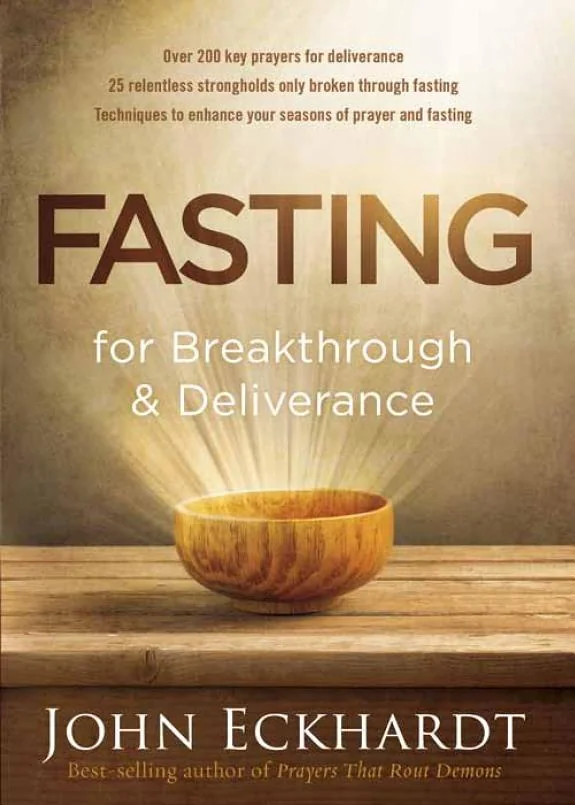
Fasting for Breakthrough and Deliverance
 77
77

Fasting for Breakthrough and Deliverance
John Eckhardt's "Fasting for Breakthrough and Deliverance" offers a direct, no-nonsense manual for a specific brand of spiritual discipline. Its strength lies in its clear articulation of fasting not as a passive act of piety, but as an active, weaponized form of spiritual engagement. Eckhardt asserts that traditional prayer alone may be insufficient against certain spiritual torments, a point he elaborates on with conviction. The book is particularly effective in its practical, step-by-step guidance, which can empower readers to undertake fasting with a sense of purpose and strategy. However, the work's limitation is its inherent theological specificity; while powerful for adherents of Pentecostal and Charismatic traditions, its pronouncements on spiritual warfare and the efficacy of fasting as a primary deliverance tool may not align with broader Christian theological discourse or other esoteric practices. A notable concept is the idea of fasting as a means to "open gates" and "close gates" to spiritual influence, a powerful metaphor for controlling one's spiritual environment. Ultimately, for those within its target theological framework, this book serves as a potent, actionable guide to spiritual warfare through fasting.
📝 Description
77
John Eckhardt's 2016 book explains fasting as a spiritual discipline for overcoming obstacles.
Fasting for Breakthrough and Deliverance, by John Eckhardt, outlines a structured approach to spiritual fasting. It frames this practice not merely as abstinence but as a potent discipline intended for significant personal and spiritual progress. The book details specific methods and theological reasons for fasting, presenting it as a direct way to move past hindrances and gain freedom from various forms of spiritual oppression. This work is intended for individuals wanting to deepen their spiritual lives through focused fasting. It speaks to those facing ongoing personal, spiritual, or relational difficulties, who believe that intense spiritual conflict demands effective spiritual tools. Readers familiar with or open to Pentecostal or Charismatic theology will find its ideas most relevant. It is for the committed seeker prepared to engage in demanding spiritual exercises for concrete outcomes.
Eckhardt's work is situated within contemporary Christian mysticism, specifically drawing from Pentecostal and Charismatic traditions that emphasize spiritual warfare and direct divine intervention. While fasting has ancient roots across many religions, this book applies it as a specific mechanism for confronting spiritual adversaries and achieving liberation, echoing historical Christian ascetic practices but within a modern context of deliverance ministries.
💡 Why Read This Book?
• You will learn to frame fasting as an active spiritual weapon, a concept distinct from passive piety, as detailed in Eckhardt's discussion of "spiritual warfare" and "deliverance." • You will gain practical, step-by-step methods for applying fasting to overcome specific "torments" and "hindrances," moving beyond general spiritual advice. • You will understand the theological underpinnings that position fasting as a necessary component for "breakthrough" when other spiritual disciplines alone prove insufficient, as argued throughout the book.
⭐ Reader Reviews
Honest opinions from readers who have explored this book.
❓ Frequently Asked Questions
What is the primary goal of fasting according to John Eckhardt's book?
The primary goal is to achieve 'breakthrough' and 'deliverance.' Eckhardt presents fasting not merely as spiritual discipline but as a potent tool for spiritual warfare, aiming to overcome specific torments and hindrances that prayer alone may not resolve.
When was 'Fasting for Breakthrough and Deliverance' first published?
The book was first published in 2016, placing it within the contemporary landscape of Christian spiritual warfare and deliverance ministries.
Does the book offer specific fasting techniques?
Yes, the book details specific methods and theological underpinnings for engaging in fasting, framing it as a structured spiritual exercise for tangible results.
Who is the intended audience for this book?
It is intended for individuals seeking to deepen their spiritual practice, particularly those confronting persistent challenges and open to Pentecostal or Charismatic theological frameworks.
What does Eckhardt mean by 'spiritual warfare' in relation to fasting?
Eckhardt views fasting as a proactive weapon in spiritual warfare, a means to confront and disarm negative spiritual influences and oppressive circumstances that hinder spiritual progress.
What is the concept of 'gates' in the context of fasting from this book?
The book discusses fasting as a means to 'open gates' for divine intervention and spiritual opportunities, or conversely, to 'close gates' against negative spiritual influences and hindrances.
🔮 Key Themes & Symbolism
Fasting as Spiritual Weaponry
The central thesis posits fasting as an offensive and defensive tool in spiritual warfare. It moves beyond asceticism for self-purification to active engagement against demonic opposition. Eckhardt argues that certain levels of spiritual oppression or "torment" require the intensified spiritual leverage that fasting provides, acting as a potent catalyst for "breakthrough" and "deliverance" where prayer alone might falter.
The Mechanism of Breakthrough and Deliverance
This theme explores how fasting directly facilitates profound personal and spiritual change. 'Breakthrough' signifies overcoming significant obstacles, while 'deliverance' denotes liberation from negative spiritual influences. The book details how the discipline of abstaining from food, coupled with focused prayer, can unlock spiritual potential and dismantle spiritual barriers, leading to a renewed state of freedom and progress.
Spiritual Warfare and Gatekeeping
Eckhardt frames the Christian life as a constant spiritual battle. Fasting is presented as a critical tactic within this warfare, specifically for influencing 'spiritual gates.' These gates represent portals of influence, either for divine access or demonic incursion. By strategically employing fasting, believers can aim to close off avenues for negative spiritual forces and open pathways for God's power and blessings.
Theological Basis for Intensified Discipline
The work grounds its approach in a specific theological perspective, emphasizing the power of the Holy Spirit and the reality of spiritual conflict. It suggests that while grace is foundational, diligent spiritual disciplines like fasting are essential for reading through the complexities of spiritual warfare and achieving the fullness of God's promises in one's life.
💬 Memorable Quotes
Direct passages from the work, attributed to the author.
“There is freedom from the torment of the enemy!”
— This declarative statement expresses the book's core promise: that through the specific spiritual discipline of fasting, individuals can achieve liberation from oppressive spiritual forces and their detrimental effects.
“Fasting is a spiritual weapon.”
— This concise assertion reframes fasting from a passive act of piety to an active, strategic tool for engaging in spiritual conflict and achieving tangible results in one's spiritual life.
“When you fast, you open spiritual gates.”
— This highlights the concept that fasting acts as a key, capable of unlocking spiritual portals, allowing for divine intervention and blessings, or conversely, sealing off negative influences.
“Prayer alone is not enough for some battles.”
— This challenges the notion that prayer is the sole spiritual discipline required for all spiritual conflicts, positing fasting as a necessary, complementary, and sometimes primary, method for certain types of spiritual warfare.
“Seek breakthrough and deliverance through fasting.”
— This serves as a direct call to action, guiding the reader toward fasting as the prescribed method for achieving significant spiritual advancement and liberation from hindrances.
🌙 Esoteric Significance
Tradition
While Eckhardt's work is firmly rooted in contemporary Pentecostal Christianity, it touches upon themes resonant with broader esoteric traditions concerning the power of disciplined will and ritualistic practice for spiritual advancement. The emphasis on fasting as a means to unlock spiritual potential and overcome unseen forces echoes practices found in Hermeticism and Gnosticism, which explore the body as a vessel for spiritual discipline and the manipulation of subtle energies to achieve liberation or gnosis.
Symbolism
The primary symbol is 'fasting' itself, representing the subjugation of the physical appetite to empower the spirit. 'Torment' symbolizes the oppressive forces from which deliverance is sought, often interpreted as demonic influence. 'Breakthrough' and 'Deliverance' function as symbolic states of liberation and spiritual advancement, representing a transition from a state of bondage or stagnation to one of freedom and progress, facilitated by spiritual discipline.
Modern Relevance
Eckhardt's work is relevant to modern practitioners of spiritual warfare within Pentecostal and Charismatic circles. It also informs contemporary discussions on disciplined spiritual practice and the potential for focused intent to influence one's spiritual environment. Some elements may resonate with those exploring the intersection of psychology and spirituality, particularly concerning self-mastery and the power of belief in overcoming perceived obstacles, even if framed within a distinctly religious context.
👥 Who Should Read This Book
• Individuals actively engaged in Pentecostal or Charismatic Christian faith seeking practical, faith-based methods for spiritual deliverance and overcoming personal hindrances. • Practitioners of spiritual warfare who believe in the efficacy of fasting as a potent tool to confront and disarm negative spiritual influences and achieve "breakthrough." • Seekers of deep spiritual discipline who are ready to commit to rigorous fasting practices, understanding it as a key to unlocking spiritual potential and achieving liberation from "torment."
📜 Historical Context
John Eckhardt's "Fasting for Breakthrough and Deliverance," published in 2016, emerges from a rich tradition of Christian asceticism and spiritual warfare. While fasting has been a spiritual practice since antiquity, its application as a deliberate tool for deliverance and overcoming demonic opposition gained significant traction within the Pentecostal and Charismatic movements. This movement, which saw major growth in the mid-20th century, emphasized the operation of spiritual gifts and direct divine intervention. Eckhardt's work can be seen as a contemporary iteration of this emphasis. He operates within a theological landscape where spiritual warfare is taken very seriously, often seen as a direct continuation of biblical narratives. This contrasts with more liberal theological streams that might interpret spiritual battles metaphorically. While contemporaries like Bill Johnson also write extensively on spiritual breakthrough and divine power, Eckhardt’s specific focus on fasting as a primary mechanism for engaging these forces places his work within a particular niche of deliverance ministry literature.
📔 Journal Prompts
The "spiritual weapon" of fasting: how can its application be strategic in your current challenges?
Reflect on the concept of "breakthrough" and what specific obstacles fasting might help you overcome.
Consider the idea of "deliverance" – what "torments" are you seeking freedom from through fasting?
How does the concept of "opening gates" through fasting apply to your spiritual life?
Explore the theological justification for fasting as a necessary complement to prayer in spiritual warfare.
🗂️ Glossary
Breakthrough
A significant advancement or overcoming of a major obstacle in one's spiritual or personal life, often achieved through intense spiritual discipline like fasting.
Deliverance
Liberation from spiritual oppression, demonic influence, or harmful circumstances; freedom from negative forces that hinder spiritual progress.
Spiritual Warfare
The concept of actively engaging in conflict with spiritual forces of evil, employing prayer, faith, and other spiritual disciplines to overcome their influence.
Torment
Severe spiritual or psychological suffering, often attributed to demonic influence or oppressive spiritual conditions.
Gates
Spiritual portals or access points through which divine blessings can enter or negative influences can operate; fasting is seen as a way to control these access points.
Fasting
Voluntary abstinence from food, undertaken for spiritual purposes, to enhance prayer, seek divine intervention, and engage in spiritual warfare.
Hindrances
Obstacles or impediments that block spiritual progress or the attainment of divine promises, which fasting is intended to remove.
This book appears in 1 collection
🔮 Readers Also Liked
Browse all →








From the “Exorcism” Collection
View all →







More Free Sacred Texts & Gnosticism Books
View all →