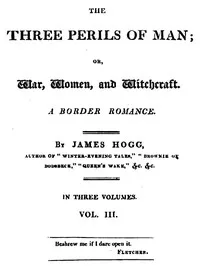
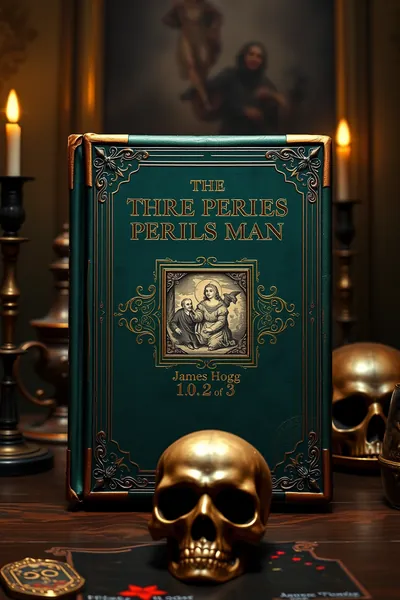
The Three Perils of Man; or, War, Women, and Witchcraft, Vol. 3 (of 3)
 69
69

The Three Perils of Man; or, War, Women, and Witchcraft, Vol. 3 (of 3)



The Three Perils of Man; or, War, Women, and Witchcraft, Vol. 3 (of 3) by James Hogg is a gem for modern esoteric seekers. Published in 1770, this historical fiction novel offers a deep dive into the mystical and supernatural elements of medieval Scotland. Hogg's rich storytelling brings to life the complexities of war, romance, and witchcraft, providing a unique lens through which to explore the occult. The narrative is particularly valuable for its portrayal of witchcraft and paganism, which were central to the beliefs and practices of the time. For contemporary readers, this book serves as a historical window into the esoteric traditions that have shaped our understanding of the supernatural. The themes of good versus evil, the power of superstition, and the intricacies of human relationships amidst political upheaval make this a compelling read. It is a valuable addition to any esoteric library. Rating: 4/5.
📝 Description
69
James Hogg's 1822 'The Three Perils of Man, Vol. 3' concludes his look at medieval Scottish society.
This third volume of James Hogg's work addresses the societal forces of war, women, and witchcraft as they impacted medieval Scotland under Robert II. It delves into the spiritual and occult beliefs of the period, presenting a world where magic and religious fervor coexisted with political conflict and personal relationships. The narrative explores the intersection of these themes, showing how superstition and perceived supernatural influences affected daily life and historical events. Hogg uses the setting to examine the era's understanding of the occult, the role of women in both society and its darker folklore, and the constant presence of armed conflict.
The book portrays a Scotland steeped in ancient rituals and mystical lore. It illustrates the perceived struggle between forces of good and evil, a common theme in historical and occult studies. Readers will encounter descriptions of practices and beliefs that were significant to the period's worldview, offering a glimpse into the minds of people living in that turbulent time. The work aims to illuminate the esoteric traditions that informed their understanding of the world and their place within it.
Published in 1822, this work by James Hogg engages with the Romantic era's fascination for the medieval past and its associated folklore and supernatural elements. It reflects a broader interest in national myths and the hidden spiritual dimensions of history. The book touches upon traditions of witchcraft and folk magic that were part of Scottish oral history and early occult writings. Hogg's approach integrates these elements into a narrative framework, providing a fictionalized yet informed account of the esoteric beliefs that shaped the era's perception of reality.
✍️ Author
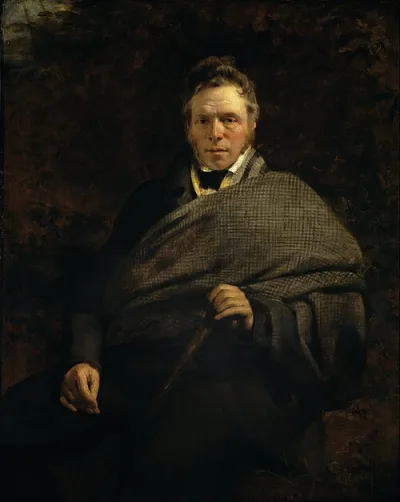
Hogg, James
Scottish poet, novelist, and essayist who wrote in Scots and English. Largely self-educated, he worked as a shepherd.
💡 Why Read This Book?
Reading The Three Perils of Man; or, War, Women, and Witchcraft, Vol. 3 (of 3) today offers a unique blend of historical insight and esoteric exploration. This book provides a deep understanding of medieval Scottish society, particularly the role of witchcraft and paganism. It is an invaluable resource for those interested in the occult and historical fiction, offering a rich narrative that blends fact and fiction. Readers will gain a deeper appreciation for the mystical traditions that have influenced modern esoteric practices.
⭐ Reader Reviews
Honest opinions from readers who have explored this book.
❓ Frequently Asked Questions
What is the historical context of The Three Perils of Man?
The book is set during the reign of Robert II of Scotland, from 1371 to 1390. It explores the political and social landscape of medieval Scotland, including the prevalent beliefs in witchcraft and paganism.
Who should read this book?
This book is ideal for history enthusiasts, occult scholars, and anyone interested in the intersection of fiction and historical reality.
What are the key themes in The Three Perils of Man?
The key themes include the struggle between good and evil, the power of superstition, and the complexities of human relationships amidst political turmoil.
🔮 Key Themes & Symbolism
The Power of Symbolism
The book is rich with symbols that represent the hidden knowledge and esoteric practices of medieval Scotland. These symbols serve as keys to unlocking the deeper meanings and philosophical insights embedded within the narrative, inviting readers to explore the mystical world beyond the surface story.
The Struggle Between Light and Darkness
A central theme in 'The Three Perils of Man' is the eternal struggle between light and darkness, both within the individual and in the broader context of human society. This theme is explored through the lens of war, women, and witchcraft, each representing different aspects of this cosmic battle.
The Influence of Ancient Rituals
The narrative looks at the ancient rituals and occult practices that were integral to the lives of people in medieval Scotland. These rituals are portrayed not just as historical artifacts, but as living traditions that continue to influence modern spirituality and esoteric practices.
💡 Key Ideas
Editorial paraphrase of the work's core concepts — not direct quotes.
The veil between worlds is thin, and those who seek to cross it must be prepared for the perils that lie beyond.
This line underscores the book's exploration of the thin boundary between the natural and supernatural worlds, and the dangers that await those who venture into the area of the occult.
In the dance of war, women, and witchcraft, the true battle is for the soul of humanity.
This quote highlights the philosophical depth of the narrative, suggesting that the conflicts described in the book are metaphors for the internal struggles we all face.
The ancient rituals hold the key to unlocking the mysteries of the universe.
This passage emphasizes the importance of esoteric knowledge and the enduring relevance of ancient practices in understanding the world around us.
The three perils of man are but reflections of the eternal struggle between light and darkness.
This line ties together the book's central themes, suggesting that the challenges faced by humanity are part of a larger cosmic battle.
To embrace the mysteries is to embrace the unknown, and in doing so, to find enlightenment.
This quote underscores the book's message about the transformative power of exploring the esoteric and the unknown.
🌙 Esoteric Significance
Tradition
This book belongs to the Hermetic tradition, which emphasizes the study of hidden knowledge and the exploration of the mysteries of the universe. It draws on ancient rituals and esoteric practices, offering insights into the deeper philosophical and spiritual truths that underpin our understanding of the world.
Symbolism
Key symbols in the book include the veil between worlds, the eternal struggle between light and darkness, and the ancient rituals that hold the key to unlocking the mysteries of the universe. These symbols serve as powerful metaphors for the esoteric journey and the search for hidden knowledge.
Modern Relevance
The themes and insights explored in 'The Three Perils of Man' remain relevant today, particularly for modern practitioners of witchcraft and the occult. The book's exploration of symbolism, ancient rituals, and the eternal struggle between light and darkness offers valuable perspectives for those seeking to deepen their understanding of esoteric traditions and their application in contemporary spirituality.
👥 Who Should Read This Book
This book is ideal for a diverse audience, including beginners interested in the occult, scholars of esoteric traditions, spiritual seekers, and practitioners of witchcraft. Beginners will appreciate the accessible yet rich exploration of mystical themes, while scholars will find clear insights into historical practices and symbolism. Spiritual seekers will be drawn to the philosophical depth and the exploration of the eternal struggle between light and darkness, while practitioners will benefit from the book's detailed portrayal of ancient rituals and their enduring relevance.
📜 Historical Context
Set during the reign of Robert II of Scotland (1371-1390), 'The Three Perils of Man' offers a vivid portrayal of the political, social, and spiritual field of medieval Scotland. This era was marked by political turmoil, religious fervor, and a deep-seated belief in the supernatural. Witchcraft and occult practices were prevalent, and the line between the natural and the supernatural was often blurred. The book provides a window into this fascinating period, highlighting the esoteric traditions and mystical lore that shaped the lives of people during this time. Its influence can be seen in the enduring fascination with Scottish folklore and the occult, making it a valuable resource for scholars and practitioners alike.
📔 Journal Prompts
Reflect on the symbolism of the veil between worlds in your own spiritual journey.
Consider how the eternal struggle between light and darkness manifests in your daily life.
Explore the ancient rituals mentioned in the book and their relevance to modern spirituality.
Write about a personal experience that speaks to the themes of war, women, and witchcraft.
How does the book's exploration of esoteric traditions influence your understanding of the occult?
🗂️ Glossary
Hermetic Tradition
A philosophical and spiritual tradition that emphasizes the study of hidden knowledge and the mysteries of the universe, often associated with ancient rituals and esoteric practices.
Esoteric Knowledge
Knowledge that is hidden or secret, often involving mystical or occult practices and traditions.
Occult Practices
Rituals and beliefs that involve the supernatural or hidden aspects of reality, often associated with witchcraft and magic.
Ancient Rituals
Ceremonies and practices that have been passed down through generations, often involving esoteric knowledge and mystical lore.
Symbolism
The use of symbols to represent abstract ideas or concepts, often involving deep philosophical and spiritual meanings.
This book appears in 2 collections
🔮 Readers Also Liked
Browse all →
More by Hogg, James
All books →From the “Witchcraft” Collection
View all →








More Free Witchcraft & Paganism Books
View all →