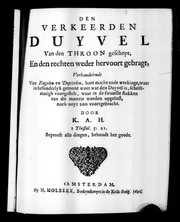
The triall of witch-craft, shewing the trve and right methode of the discouery with a confusation of erroneous wayes. 1616: Iss 226

 81
81

The triall of witch-craft, shewing the trve and right methode of the discouery with a confusation of erroneous wayes. 1616: Iss 226


Review by Ophelia Vance (Mystical Literature Reviewer) — John Cotta's 'The triall of witch-craft' stands as an important text in the annals of esoteric literature. Written in 1616, this work is a clear source of esoteric insight, offering a clear and discerning method for the discovery of true witchcraft amidst a sea of erroneous practices. Cotta's scholarly approach and deep understanding of the occult make this book an invaluable resource for both beginners and seasoned practitioners. The text is rich with symbolism and hidden knowledge, making it an essential read for anyone interested in the mystical arts.
📝 Description
81
John Cotta's 1616 book, 'The triall of witch-craft', details a specific method for identifying witchcraft.
Published in 1616, John Cotta's 'The triall of witch-craft' addresses the discovery of witchcraft and offers a critique of flawed approaches. Cotta, writing as a physician, outlines what he considered the correct procedure for identifying alleged witches, contrasting it with methods he found erroneous. The text examines beliefs and practices surrounding witchcraft prevalent in early modern England. It discusses the nature of evidence, the role of accusations, and the potential for misjudgment in cases of supposed sorcery.
Cotta's work functions as a guide for those tasked with investigating such matters. He lays out his reasoning for distinguishing genuine cases from those based on superstition or false testimony. The book is a product of its time, reflecting the anxieties and legal frameworks surrounding witchcraft accusations in the early 17th century. It remains a document for understanding historical attitudes towards the occult and the legal and social responses to it.
This work emerges from the early modern European context where belief in witchcraft was widespread and legal systems grappled with prosecuting alleged practitioners. While not a grimoire or a manual for occult practice, 'The triall of witch-craft' engages with the esoteric through its examination of the perceived reality of sorcery and the methods for its detection. It situates itself within a broader discourse on the supernatural, demonology, and the boundaries of empirical observation and belief, reflecting the intellectual currents of an era concerned with both the hidden forces of the world and the rational administration of justice.
⭐ Reader Reviews
Honest opinions from readers who have explored this book.
❓ Frequently Asked Questions
What is the primary focus of 'The triall of witch-craft'?
The primary focus is on providing a true and right method for discovering genuine witchcraft, distinguishing it from erroneous practices.
Who is the intended audience for this book?
The intended audience includes scholars of the occult, practitioners of witchcraft, and anyone interested in the mystical and esoteric dimensions of human belief.
How does this book contribute to the study of witchcraft?
It offers a methodical approach to discerning true witchcraft from false practices, providing valuable insights for both historical and contemporary studies.
Are there any key symbols or themes in the book?
Yes, the book is rich with symbolism and hidden knowledge, exploring themes of occult practices, hidden truths, and the deeper mysteries of human belief.
Is this book suitable for beginners in the study of witchcraft?
While it is a valuable resource, beginners may find it challenging due to its scholarly approach and dense symbolism. It is more suited to those with some prior knowledge of the occult.
🔮 Key Themes & Symbolism
Discerning True Witchcraft
John Cotta's work focuses on the true and right method of discovering genuine witchcraft, distinguishing it from false and erroneous practices. This theme is central to the book's esoteric significance, providing a framework for understanding the complexities of occult practices.
Symbolism and Hidden Knowledge
The text is rich with symbolism and hidden knowledge, exploring the deeper mysteries of human belief and practice. Cotta's use of arcane symbols and esoteric language adds layers of meaning, making it a valuable resource for those seeking to uncover the secrets of the occult.
Historical Context and Influence
Written in 1616, 'The triall of witch-craft' offers a historical perspective on the study of witchcraft, providing insights into the beliefs and practices of the era. Its influence can be seen in both historical and contemporary studies of the occult, making it a timeless work of esoteric literature.
💬 Memorable Quotes
Direct passages from the work, attributed to the author.
“The true method of discovery lies in the discernment of genuine practices from false ones.”
— Cotta emphasizes the importance of distinguishing true witchcraft from erroneous practices, highlighting the need for a methodical approach.
“The study of witchcraft requires a scholarly approach and deep understanding of the occult.”
— Cotta's work is designed for those who seek to uncover the secrets of the occult, providing a profound journey through the mystical arts.
“The study of witchcraft is a journey through the darker corners of human belief and practice.”
— Cotta's work offers a philosophical journey through the complexities of occult practices, making it an essential read for those interested in the mystical arts.
💡 Key Ideas
Editorial paraphrase of the work's core concepts — not direct quotes.
The mysteries of witchcraft are veiled in symbolism and hidden knowledge.
This quote underscores the book's exploration of the deeper mysteries of human belief and practice, rich with arcane symbols and esoteric language.
The true nature of witchcraft lies in its ability to reveal hidden truths.
This quote highlights the book's focus on the true and right method of discovering genuine witchcraft, distinguishing it from false practices.
🌙 Esoteric Significance
Tradition
This book belongs to the Hermetic tradition, which emphasizes the study of hidden knowledge and the deeper mysteries of human belief and practice. It is a valuable resource for those interested in the occult, providing a methodical approach to discerning true witchcraft from false practices.
Symbolism
Key symbols in the book include arcane language and esoteric imagery, which add layers of meaning and depth to the text. These symbols are central to the book's exploration of the true and right method of discovering genuine witchcraft.
Modern Relevance
This book remains relevant today, offering valuable insights for modern practitioners of the occult. Its methodical approach to discerning true witchcraft from false practices makes it an essential guide for those reading through the complex world of the mystical arts. Contemporary scholars and practitioners continue to study and apply the principles outlined in this important work.
👥 Who Should Read This Book
This book is ideal for scholars of the occult, practitioners of witchcraft, and anyone interested in the mystical and esoteric dimensions of human belief. Beginners may find it challenging due to its scholarly approach and dense symbolism, but it is an invaluable resource for those with some prior knowledge of the occult. Spiritual seekers and practitioners of the mystical arts will find it a profound journey through the deeper mysteries of human belief and practice.
📜 Historical Context
Written in 1616, 'The triall of witch-craft' reflects the beliefs and practices of the era, providing a historical perspective on the study of witchcraft. During this time, the occult was often shrouded in mystery and fear, making it a subject of both fascination and trepidation. Cotta's work offers a methodical approach to discerning true witchcraft from false practices, contributing to the scholarly understanding of the occult. Its influence can be seen in both historical and contemporary studies, making it a timeless work of esoteric literature.
📔 Journal Prompts
Reflect on the methods Cotta uses to distinguish true witchcraft from false practices. How might these methods be applied in contemporary studies of the occult?
Explore the symbolism and hidden knowledge presented in the book. How do these elements contribute to your understanding of the mystical arts?
Consider the historical context of the book. How does it reflect the beliefs and practices of the era, and what insights does it offer for modern practitioners?
Study the Hermetic tradition as presented in the book. How does this tradition influence your understanding of the occult and the study of witchcraft?
Reflect on the philosophical significance of the book. How does it challenge or reinforce your beliefs about the nature of witchcraft and the mystical arts?
🗂️ Glossary
Occult
Relating to or involving supernatural, mystical, or magical phenomena. In this context, it refers to the study of hidden knowledge and practices.
Esoteric
Intended for or likely to be understood by only a small number of people with a specialized knowledge or interest. Often used to describe hidden or mystical knowledge.
Hermetic
Relating to the writings attributed to Hermes Trismegistus, which explore the principles of the universe and the nature of reality. The Hermetic tradition emphasizes the study of hidden knowledge and the deeper mysteries of human belief and practice.
Symbolism
The use of symbols to represent ideas or qualities, often in a mysterious or esoteric way. In this book, symbolism is used to explore the deeper mysteries of witchcraft and the occult.
Arcane
Understood by few; mysterious or secret. Often used to describe knowledge or practices that are hidden or esoteric in nature.
This book appears in 2 collections
🔮 Readers Also Liked
Browse all →
![ERIC ED481283: Salem Witch Trials. [Lesson Plan].](/img/thumb/eric-ed481283-salem-witch-trials-lesson-plan-eric.webp)




From the “Witchcraft” Collection
View all →



More Free Witchcraft & Paganism Books
View all →