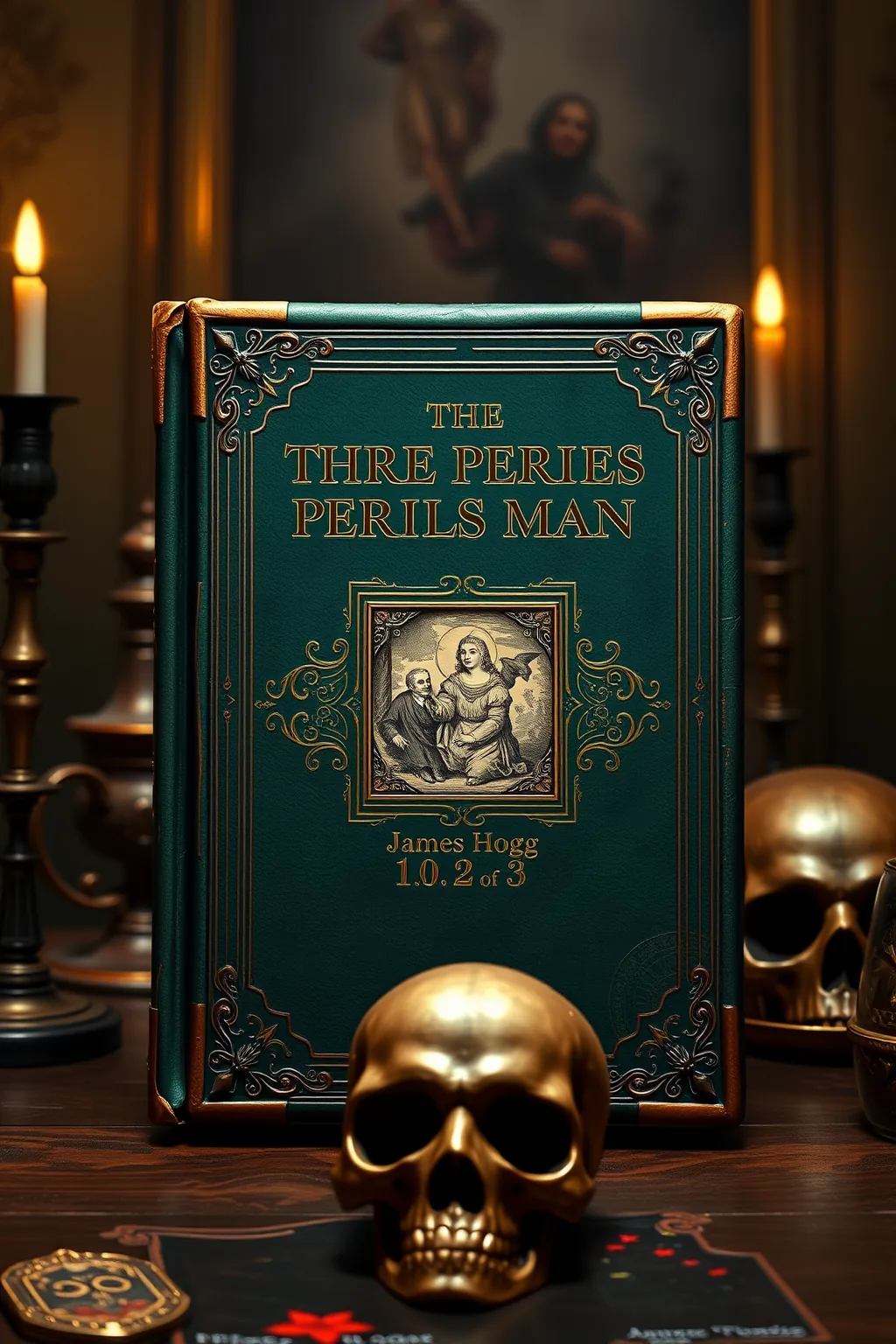
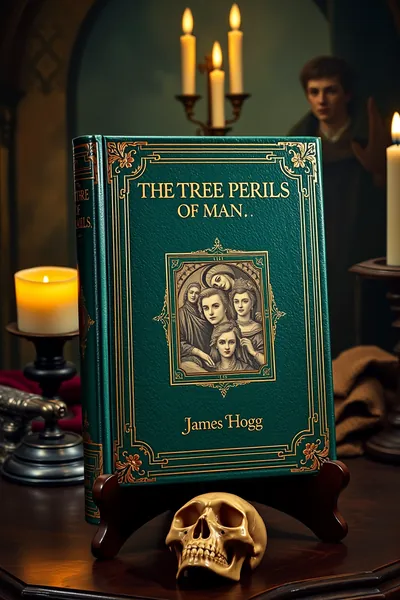
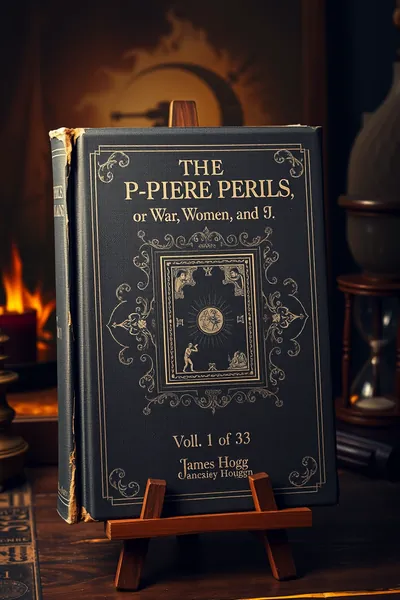
The Three Perils of Man; or, War, Women, and Witchcraft, Vol. 2 (of 3)
 68
68

The Three Perils of Man; or, War, Women, and Witchcraft, Vol. 2 (of 3)



The Three Perils of Man; or, War, Women, and Witchcraft, Vol. 2 (of 3) by James Hogg is a treasure trove for modern esoteric seekers. Published in 1770, this historical fiction novel provides a rich and detailed exploration of the occult practices and beliefs prevalent in medieval Scotland. The narrative's strength lies in its ability to blend historical accuracy with mystical elements, creating a vivid and immersive reading experience. The book's focus on the three perils—war, women, and witchcraft—offers a multifaceted view of the human condition, making it a valuable addition to any esoteric library. For those interested in the darker aspects of human history and the supernatural, this book is an essential read. It not only provides historical context but also invites readers to ponder the enduring mysteries of the occult. The writing style is engaging and evocative, transporting readers to a time when the line between reality and the supernatural was often blurred. This book is a must-read for anyone seeking a deeper understanding of the esoteric and occult traditions of medieval Scotland.
📝 Description
68
James Hogg published 'The Three Perils of Man; or, War, Women, and Witchcraft, Vol. 2' in 1826, continuing his examination of Scotland's occult history.
This second volume of Hogg's work continues its exploration of medieval Scotland, focusing on the interplay of war, feminine influence, and witchcraft. The narrative is set during the reign of Robert II, a period ripe with political and social upheaval that the book uses to frame its supernatural elements. Hogg employs rich symbolism and allegory to examine the occult forces at play in human affairs. The story unfolds with a sense of encroaching danger and the constant tension between moral order and darker impulses. Readers will find a detailed depiction of the era's beliefs regarding magic and its practitioners.
The prose aims to create an immersive experience, drawing the reader into a world where the boundaries of reality are permeable. It examines themes of temptation, the corrupting nature of power, and the human struggle against unseen forces. Hogg does not shy away from the darker aspects of human nature or the spiritual battles that individuals face. This volume is a significant continuation of the themes introduced in the first part, offering further insight into Hogg's unique perspective on history and the supernatural.
The book's structure interweaves historical context with fictionalized accounts of witchcraft and its perceived influence. It presents a vision of Scotland where folklore and occult practices were deeply embedded in the social fabric. The author's intent appears to be a commentary on the human condition, viewed through the lens of superstition and spiritual conflict. The narrative is dense with historical references and symbolic language, requiring careful attention from the reader.
Published in the early 19th century, this work engages with the Romantic fascination for the supernatural and historical folklore. Hogg's approach blends historical narrative with occult speculation, characteristic of esoteric writings that sought to uncover hidden knowledge or alternative spiritual traditions. It reflects a broader interest in the mystical underpinnings of society, particularly concerning folk beliefs about witchcraft and their purported influence on historical events. The book positions itself within a tradition that views historical periods not just through political or social lenses, but also through the perceived presence of magical or spiritual forces.
✍️ Author
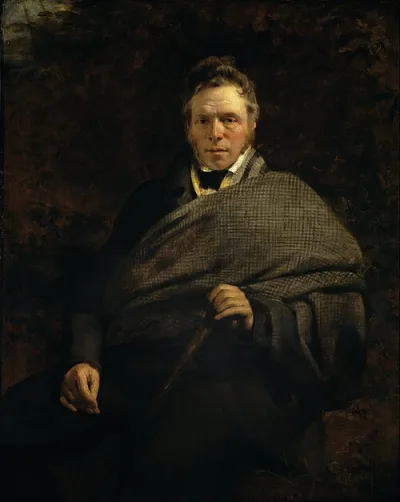
Hogg, James
Scottish poet, novelist, and essayist who wrote in Scots and English. Largely self-educated, he worked as a shepherd.
💡 Why Read This Book?
Reading The Three Perils of Man today offers a unique opportunity to explore the esoteric and occult practices of medieval Scotland. This book provides valuable insights into the cultural and spiritual beliefs of the time, making it an invaluable resource for modern esoteric seekers. By delving into the themes of war, women, and witchcraft, readers can gain a deeper understanding of the human experience and the enduring mysteries of the supernatural. This book is a must-read for those interested in historical fiction, witchcraft, paganism, and the occult.
⭐ Reader Reviews
Honest opinions from readers who have explored this book.
❓ Frequently Asked Questions
Is this book part of a series?
Yes, The Three Perils of Man is the second volume in a three-part series. Each volume delves deeper into the esoteric and occult practices of medieval Scotland.
What historical period does the book cover?
The book is set during the reign of Robert II of Scotland, from 1371 to 1390, providing a rich historical context for the narrative.
Who would benefit from reading this book?
Readers interested in historical fiction, witchcraft, paganism, and the occult will find this book particularly engaging and informative.
🔮 Key Themes & Symbolism
The Power of War
War is portrayed as a perennial human peril, a struggle for power and survival that often reveals the darker aspects of the human psyche. Through vivid battle scenes and political intrigue, Hogg explores the mystical dimensions of conflict and the eternal struggle between light and darkness.
The Enigma of Women
The complexities of relationships with women are a central theme, studying the mysteries of love, desire, and empowerment. Hogg's portrayal of female characters is rich with symbolism, reflecting the duality of the feminine as both nurturer and destroyer.
The Mysteries of Witchcraft
Witchcraft is depicted as a source of both danger and enlightenment, a realm where hidden knowledge and ancient rituals hold the key to understanding the supernatural. The book invites readers to explore the mystical undercurrents of witchcraft and its enduring influence on human culture.
💡 Key Ideas
Editorial paraphrase of the work's core concepts — not direct quotes.
The veil between worlds is thin, and the shadows whisper secrets to those who listen.
This quote highlights the book's exploration of the supernatural and the thin line between the natural and mystical realms.
In the dance of war, the strongest often fall to the cunning.
This line underscores the theme of war as a struggle for power and the importance of strategy and deception.
The heart of a woman is a labyrinth, and only the bravest dare to enter.
This quote reflects the book's portrayal of women as enigmatic and powerful, embodying both love and danger.
The old ways still hold power, and those who forget them do so at their peril.
This passage emphasizes the enduring influence of ancient rituals and the dangers of ignoring the mystical heritage.
In the shadows, the truth is revealed, and the seeker finds what they truly desire.
This quote underscores the book's exploration of hidden knowledge and the mystical journey towards enlightenment.
🌙 Esoteric Significance
Tradition
This book belongs to the Hermetic tradition, which emphasizes the pursuit of hidden knowledge and the exploration of the mystical dimensions of the human experience. Hermeticism, with its roots in ancient Greek philosophy and alchemy, seeks to uncover the secrets of the universe and the nature of reality.
Symbolism
Key symbols in the book include the labyrinth, representing the complex journey of the seeker; the dance of war, symbolizing the eternal struggle between opposing forces; and the veil between worlds, signifying the thin boundary between the natural and supernatural realms.
Modern Relevance
The themes and symbols explored in 'The Three Perils of Man' continue to resonate with modern practitioners of the occult and spiritual seekers. The book's insights into the nature of power, desire, and the mystical journey remain relevant, offering valuable lessons for those exploring the esoteric traditions today.
👥 Who Should Read This Book
This book is ideal for a diverse audience, including beginners in the occult who seek an accessible introduction to esoteric themes, scholars of historical fiction and the mystical arts, and spiritual seekers looking to deepen their understanding of hidden knowledge and ancient rituals. Practitioners of witchcraft and paganism will find detailed symbolism and philosophical insights that can enhance their spiritual practices. Whether you are a curious reader or a seasoned explorer of the esoteric, this volume promises to enlighten and inspire.
📜 Historical Context
Set during the reign of Robert II of Scotland (1371-1390), 'The Three Perils of Man' captures an important period in Scottish history marked by political turmoil, social change, and the lingering influence of pagan beliefs. This era saw the transition from the medieval to the early modern period, with the remnants of ancient rituals and mystical practices still holding sway over the populace. The book's exploration of war, women, and witchcraft reflects the complexities of this time, making it a valuable resource for understanding the esoteric undercurrents of medieval Scotland.
📔 Journal Prompts
Reflect on the symbolism of war in the book and how it relates to your own experiences of conflict and struggle.
Explore the enigmatic portrayal of women in the narrative and consider the duality of the feminine in your own life.
Explore the mystical undercurrents of witchcraft and consider how ancient rituals and hidden knowledge can be integrated into modern spiritual practices.
Examine the theme of hidden knowledge and the quest for enlightenment in the book, and reflect on your own journey towards spiritual understanding.
Consider the historical context of the book and how the exploration of medieval Scotland's esoteric traditions can inform your own exploration of the occult.
🗂️ Glossary
Hermeticism
An esoteric tradition based on the teachings of Hermes Trismegistus, emphasizing the pursuit of hidden knowledge and the exploration of the mystical dimensions of reality.
Labyrinth
A symbol representing the complex journey of the seeker, often used in mystical and spiritual practices to signify the path to enlightenment.
Paganism
A broad term encompassing various pre-Christian and non-Christian spiritual traditions, often characterized by a reverence for nature and ancient rituals.
Witchcraft
The practice of magic and ritual, often involving the invocation of supernatural forces and the pursuit of hidden knowledge.
Esoteric
Relating to or involving knowledge that is accessible only to a small group of people, often involving mystical or occult themes.
This book appears in 2 collections
🔮 Readers Also Liked
Browse all →
More by Hogg, James
All books →From the “Witchcraft” Collection
View all →





More Free Witchcraft & Paganism Books
View all →