What is Divination?
Divination is the practice of attempting to gain insight into a question or situation by using a divinatory object or method, often to discover future events or hidden knowledge. It encompasses a wide array of techniques, from interpreting natural phenomena to using specialized tools like cards or palms. Historically, divination has been integrated into religious, political, and personal decision-making across cultures, reflecting a persistent human desire to understand the unseen.
Best Books for Complete Beginners
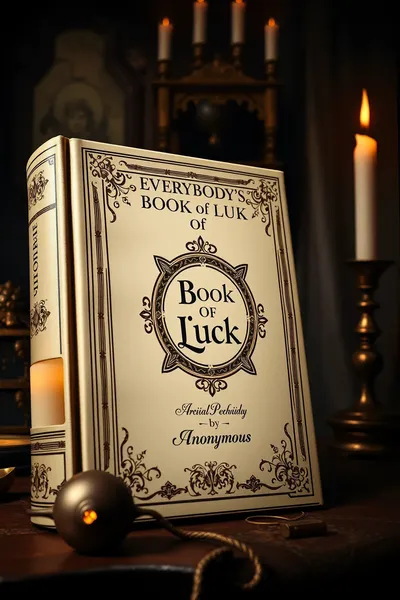
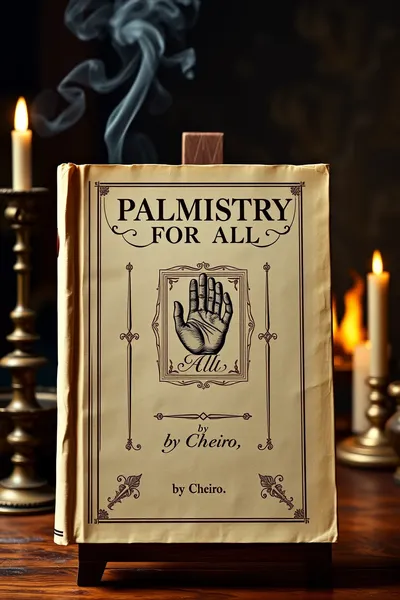
For those new to divination, practical guides offer accessible entry points. "Palmistry for All" by Cheiro provides a clear introduction to reading the hand. "Tea-Cup Reading and Fortune-Telling by Tea Leaves, by a Highland Seer" explains a common domestic practice. "Everybody's Book of Luck" by Anonymous touches on broader themes of fate and chance. "How to tell fortunes" by Aaron A. Warford offers multiple methods including card reading and interpreting omens. These texts focus on straightforward techniques and interpretations, making them ideal for initial exploration.
Intermediate Reading
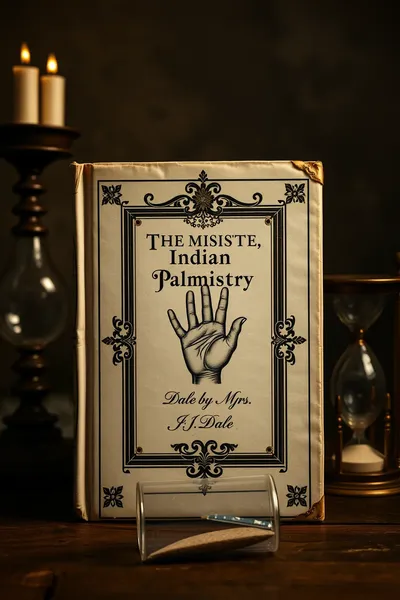
Moving beyond the basics, intermediate texts delve deeper into specific systems and their historical context. "The Illustrated Key to the Tarot" by L. W. De Laurence offers a detailed examination of Tarot symbolism and interpretation. "Prophetical, Educational and Playing Cards" by Mrs. John King Van Rensselaer explores the history and use of cards for divination. "Fortunes and dreams" by Astra Cielo combines fortune-telling with dream interpretation. "Indian Palmistry" by Mrs. J. B. Dale offers a more specialized perspective on palmistry.
Classical / Advanced Texts
Advanced study involves engaging with foundational ethnographies and complex theoretical works. Charles Godfrey Leland's "Gypsy Sorcery and Fortune Telling" is a key work documenting diverse folk magic and divination practices. "The Mysteries of All Nations" by James Grant (Archaeologist) provides a historical overview of superstitions and related practices. John Gregory Bourke's "Scatalogic Rites of All Nations" offers an anthropological perspective on the use of various substances in ritual and divination. William Blake's "The Marriage of Heaven and Hell" contains allegorical and symbolic content relevant to esoteric thought.
Reading Order — Step by Step
Begin your journey with foundational practical guides. Weeks 1-2: Start with "Palmistry for All" by Cheiro and "How to tell fortunes" by Aaron A. Warford to grasp basic techniques. Month 1: Progress to "Tea-Cup Reading and Fortune-Telling by Tea Leaves" and "Everybody's Book of Luck" to broaden your understanding of common methods. Month 2: Engage with "The Illustrated Key to the Tarot" by L. W. De Laurence and "Indian Palmistry" by Mrs. J. B. Dale for more in-depth study of specific systems. Month 3+: Explore historical and ethnographic works like "Gypsy Sorcery and Fortune Telling" by Charles Godfrey Leland and "The Mysteries of All Nations" by James Grant for deeper context.
Frequently Asked Questions
Which divination book should I read first?
For a complete beginner, start with 'Palmistry for All' by Cheiro or 'How to tell fortunes' by Aaron A. Warford. These books offer clear, practical introductions to fundamental techniques without requiring prior knowledge.
Is Tarot divination difficult to learn?
Learning Tarot involves understanding symbolism and intuition. 'The Illustrated Key to the Tarot' by L. W. De Laurence is recommended for its detailed explanations of cards, making the learning process more structured.
Are there books on divination methods other than cards or palms?
Yes, 'Tea-Cup Reading and Fortune-Telling by Tea Leaves' by a Highland Seer covers tasseography, and 'Gypsy Sorcery and Fortune Telling' by Charles Godfrey Leland explores a variety of folk practices.
Where can I find historical context on divination?
James Grant's 'The Mysteries of All Nations' provides a broad historical overview of superstitions and divination. John Gregory Bourke's work offers deeper anthropological insights into ritualistic practices.
What is the difference between prophecy and divination?
Prophecy often implies receiving messages directly from a divine source, while divination is the act of interpreting signs, patterns, or objects to gain insight into the unknown or future.
Are there scientific studies related to divination?
While divination is largely considered a pseudoscience, some historical texts in the catalog, such as those by H.S. Isbell, focus on scientific measurements (like mutarotation) which, while not directly divination, reflect a scientific approach to understanding phenomena.