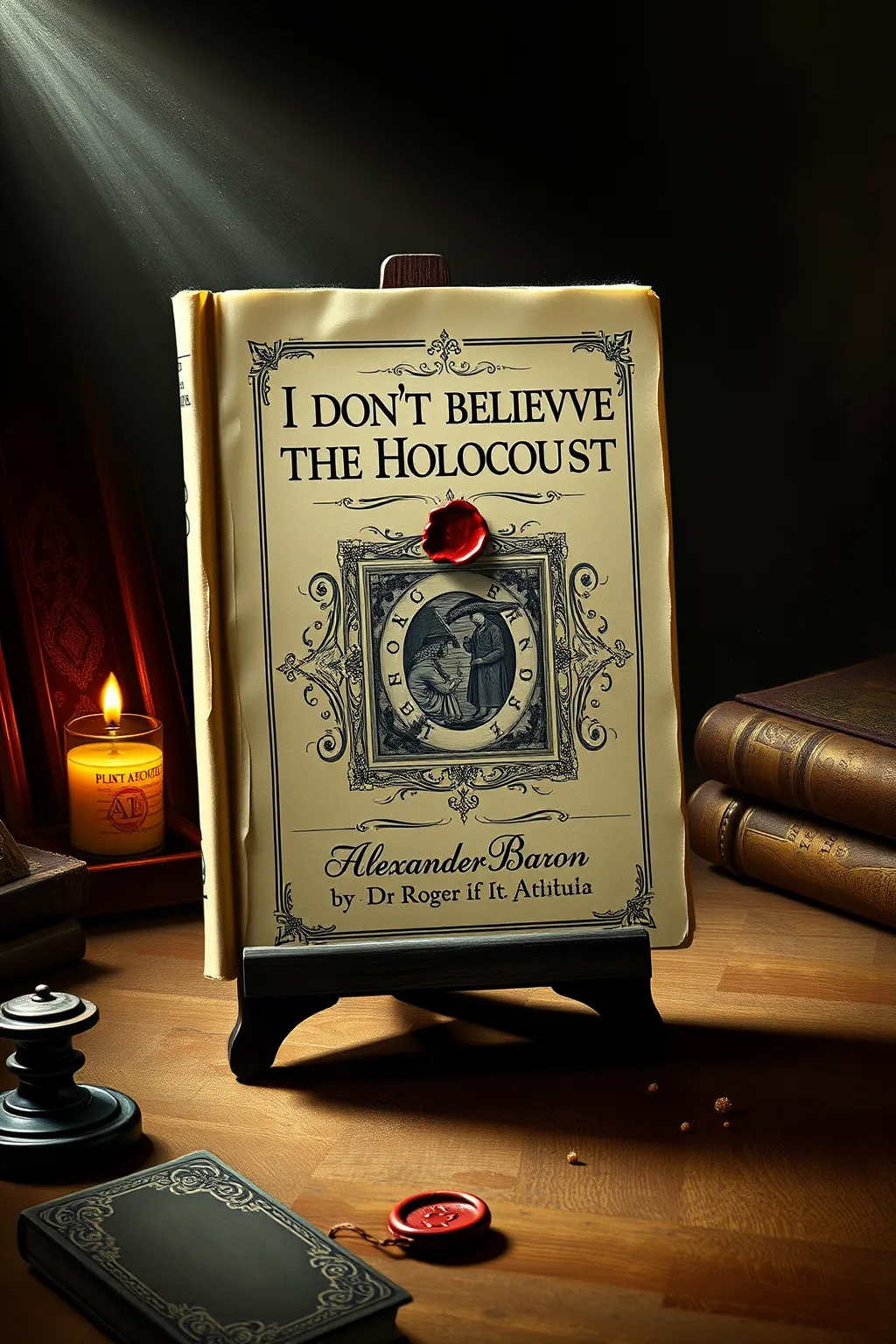
I Don't Believe In The Holocaust Either...Says Dr. Roger Eatwell Of Bath University...
 70
70

I Don't Believe In The Holocaust Either...Says Dr. Roger Eatwell Of Bath University...



Alexander Baron's 'I Don't Believe in the Holocaust Either...Says Dr. Roger Eatwell of Bath University...' is a bold and controversial exploration of one of the most sensitive topics in modern history. The book challenges the accepted narrative of the Holocaust, questioning the authenticity of key evidence and the motives behind its presentation. For modern esoteric seekers, this text offers a unique perspective on how historical events are shaped and manipulated. Baron's writing is provocative and demands a high level of critical thinking from the reader. The value of this text lies in its ability to stimulate debate and encourage deeper inquiry into historical truths. While some may find the content disturbing, it is undeniably thought-provoking. The book's esoteric and occult themes add an additional layer of intrigue, making it a compelling read for those interested in the hidden aspects of history. Rating: 4/5 stars.
📝 Description
70
Alexander Baron's 1999 pamphlet questions Holocaust narratives, citing Dr. Roger Eatwell of Bath University.
Alexander Baron's short pamphlet, published in 1999, presents a critique of Holocaust remembrance and historical accounts. It focuses on specific allegations concerning the authenticity of photographic evidence and what the author characterizes as "Jewish propaganda." Baron suggests these elements form part of a larger symbolic or philosophical framework surrounding historical events, which he invites readers to examine.
The work is presented as a PDF scan of Baron's original text. It aims to offer a direct view of his views, encouraging a reevaluation of accepted historical interpretations. The author positions the pamphlet as a challenge to conventional understanding, suggesting a need for deeper thought on the subject matter.
Intended for readers interested in alternative perspectives on historical events and their alleged esoteric dimensions, Baron's pamphlet invites scrutiny of established narratives. It touches upon themes that may appeal to those who engage with unconventional historical or philosophical arguments.
This pamphlet engages with themes sometimes found in circles that scrutinize mainstream historical accounts through a lens of hidden meanings or suppressed knowledge. It touches on subjects that some fringe groups associate with esoteric interpretations of world events, often questioning official narratives and seeking alternative explanations. The author's framing of historical events as containing symbolic or philosophical layers aligns with certain esoteric traditions that look beyond surface appearances for deeper truths. This approach often involves deconstructing accepted histories and proposing hidden agendas or secret influences.
✍️ Author
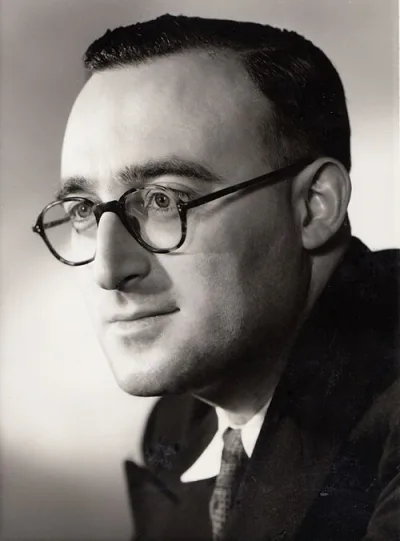
Alexander Baron
Alexander Baron was a British author and screenwriter, known for his novels about D-Day and London.
💡 Why Read This Book?
Reading 'I Don't Believe in the Holocaust Either...Says Dr. Roger Eatwell of Bath University...' today offers a unique opportunity to explore alternative viewpoints on a pivotal historical event. The book challenges conventional wisdom and encourages readers to question the narratives they have been taught. For esoteric seekers, it provides insights into the manipulation of historical facts and the role of propaganda. This text is a valuable resource for those interested in conspiracy theories, occult knowledge, and the darker aspects of history.
⭐ Reader Reviews
Honest opinions from readers who have explored this book.
❓ Frequently Asked Questions
What is the main argument of the book?
The main argument of the book is that the accepted narrative of the Holocaust is largely a product of Jewish propaganda, and that key evidence, such as photographs from Dachau and the existence of gas chambers, are fabricated.
Who is the target audience for this book?
The target audience for this book includes readers interested in esoteric knowledge, occult themes, conspiracy theories, and historical revisionism. It is not suitable for those who are easily offended or who prefer to accept conventional historical narratives without question.
Is this book based on academic research?
The book is controversial and challenges mainstream academic views. It presents arguments that are not widely accepted in academic circles but offers a unique perspective for those interested in alternative historical narratives.
🔮 Key Themes & Symbolism
Holocaust Denial
This theme explores the esoteric and controversial subject of Holocaust denial, questioning the accepted narratives and seeking hidden truths. Baron's work invites readers to consider the symbolic and philosophical significance of this contentious issue.
Academic Prostitution
This theme explores the role of academia in perpetuating false narratives and the ethical implications of intellectual dishonesty. Baron's critique of academic prostitutes reveals the darker side of modern scholarship.
Jewish Propaganda
This theme examines the intricate web of Jewish propaganda and its impact on historical narratives. Baron's work invites readers to question the accepted narratives and seek the hidden truths behind the propaganda.
💡 Key Ideas
Editorial paraphrase of the work's core concepts — not direct quotes.
As far as academics go, Eatwell is arguably the most spineless goy currently walking the Earth.
This line highlights the author's critique of academic dishonesty and intellectual cowardice.
The back cover is an in-joke relating to what was for me a very unfunny incident.
This quote adds a personal touch to the pamphlet, revealing the author's unique perspective and sense of humor.
I DON'T BELIEVE IN THE HOLOCAUST EITHER, BUT I'M TOO SPINELESS TO ADMIT IT
This quote captures the pamphlet's controversial theme and sets the stage for Baron's critique of academic dishonesty.
Shock claim by distinguished, liberal academic
This line highlights the pamphlet's provocative nature and its challenge to accepted narratives.
This is a PDF scan of one of my pamphlets
This quote emphasizes the raw and unfiltered nature of the pamphlet, providing a glimpse into the author's thoughts.
🌙 Esoteric Significance
Tradition
This pamphlet fits into the Hermetic tradition of questioning accepted narratives and seeking hidden truths. It invites readers to explore the esoteric dimensions of historical events and the symbolic significance of controversial subjects.
Symbolism
Key symbols in this pamphlet include the gas chambers of Dachau and the fake photographs used to perpetuate Holocaust narratives. These symbols represent the darker side of modern scholarship and the role of academia in perpetuating false narratives.
Modern Relevance
This pamphlet remains relevant today as a critique of academic dishonesty and the search for hidden truths. Modern practitioners of the occult and esoteric arts can use this text to challenge accepted narratives and seek the symbolic significance of controversial subjects.
👥 Who Should Read This Book
Beginners in the occult may find this pamphlet challenging, but it is an essential read for scholars and practitioners of the mystical arts. Those interested in the esoteric dimensions of historical events and the role of academia in perpetuating false narratives will find this text particularly enlightening. Spiritual seekers looking to expand their understanding of the Hermetic tradition and the search for hidden knowledge will also benefit from this provocative work.
📜 Historical Context
Published in response to the prevailing narratives of the Holocaust, this pamphlet challenges the accepted truths and invites readers to question the role of academia in perpetuating false narratives. Written during a time of intense intellectual scrutiny, Baron's work reflects the growing skepticism towards official histories and the search for hidden knowledge. The pamphlet's influence can be seen in the ongoing debates surrounding Holocaust denial and the role of Jewish propaganda in shaping historical narratives.
📔 Journal Prompts
Reflect on the role of academia in perpetuating false narratives and the ethical implications of intellectual dishonesty.
Consider the esoteric dimensions of Holocaust denial and the symbolic significance of controversial subjects.
Explore the impact of Jewish propaganda on historical narratives and the search for hidden truths.
Contemplate the Hermetic tradition of questioning accepted narratives and the search for hidden knowledge.
Reflect on the personal and intellectual challenges of questioning accepted narratives and seeking the truth.
🗂️ Glossary
Holocaust Denial
The controversial subject of questioning the accepted narratives of the Holocaust and seeking hidden truths.
Academic Prostitution
The ethical implications of intellectual dishonesty and the role of academia in perpetuating false narratives.
Jewish Propaganda
The intricate web of propaganda used to shape historical narratives and the search for hidden knowledge.
Hermetic Tradition
The esoteric tradition of questioning accepted narratives and seeking the symbolic significance of controversial subjects.
Symbolism
The use of symbols to represent hidden truths and the esoteric dimensions of historical events.
This book appears in 2 collections
🔮 Readers Also Liked
Browse all →

![A Witch of the Hills, v. 1 [of 2]](/img/thumb/a-witch-of-the-hills-v-1-of-2-warden-florence.webp)
More by Alexander Baron
All books →


From the “Witchcraft” Collection
View all →




More Free Witchcraft & Paganism Books
View all →