The Templars
 81
81

The Templars
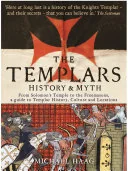
Michael Haag's "The Templars" is a rigorously researched account that avoids sensationalism, presenting a clear-eyed view of the Knights' rise and fall. Its strength lies in its detailed exposition of the Order's financial and political machinations, particularly how their banking system functioned across Europe. Haag effectively debunks many of the more outlandish conspiracy theories by grounding the narrative in verifiable historical events, such as the 1307 mass arrests initiated by Philip IV. However, the book occasionally feels overly focused on the minutiae of medieval economics and governance, which may slow the pace for readers primarily interested in the more mystical or legendary aspects. A particularly compelling section details the legal proceedings and confessions, highlighting the political motivations behind the Order's destruction. While it meticulously separates fact from fiction, it sometimes sacrifices narrative flair for academic precision. Ultimately, Haag provides a vital historical corrective to the romanticized myths surrounding the Templars.
📝 Description
81
Michael Haag's 2023 book examines the Knights Templar's rise and fall.
Michael Haag's "The Templars" begins with the Order's founding in the early 12th century. It details their initial role as protectors of pilgrims in the Holy Land and their rapid growth into a wealthy and influential medieval organization. The book follows their military involvement in the Crusades and their strategic importance in the Levant. Haag explains how their unique status, answering only to the Pope, allowed them to build vast fortunes and establish extensive networks across Christendom.
The latter part of the book covers the Templars' suppression starting in 1307. Haag analyzes the accusations of heresy and blasphemy brought against them, and the trials conducted by King Philip IV of France. The narrative describes the arrests, torture, confessions, and the execution of leaders like Jacques de Molay in 1314. The book also investigates the legends and the lasting impact of the Order's name.
Haag's work traces the Templars from their origins as monastic warriors to their dramatic downfall and the subsequent myths that have surrounded them.
This book examines the historical Knights Templar, a military order whose suppression and alleged secret practices have fueled centuries of esoteric speculation. While Haag focuses on historical events, the Templars' transition from a recognized military force to a subject of conspiracy theories places this work within the broader tradition of investigating secret societies and their alleged hidden knowledge. The book provides the historical groundwork for understanding the later adoption of Templar imagery and lore in various occult and fraternal organizations.
💡 Why Read This Book?
• Gain a factual understanding of the Knights Templar's operational structure and financial influence in the 12th and 13th centuries, moving beyond popular speculation. • Understand the political climate and specific events, like the 1307 arrests, that led to the Order's dramatic dissolution under Philip IV of France. • Explore the historical threads connecting the Templars to later secret societies, such as Freemasonry, and the evolution of their legend.
⭐ Reader Reviews
Honest opinions from readers who have explored this book.
❓ Frequently Asked Questions
When were the Knights Templar founded and for what purpose?
The Knights Templar were founded around 1119 AD by Hugh de Payens and eight other knights. Their primary mission was to protect Christian pilgrims traveling to the Holy Land after the First Crusade.
What were the main accusations against the Templars?
The Templars were accused of heresy, blasphemy, spitting on the cross, denying Christ, engaging in idolatry (worshipping a head called Baphomet), and homosexual orgies during secret initiation rites.
Who was responsible for the downfall of the Templars?
King Philip IV of France, heavily indebted to the Order, was the primary architect of their downfall. He orchestrated their arrest on Friday, October 13, 1307, and pressured Pope Clement V to dissolve the Order.
What happened to the Templars' wealth?
Much of the Templars' vast wealth, including their lands and properties, was transferred to their rivals, the Knights Hospitaller, by papal decree. However, Philip IV is believed to have seized a significant portion beforehand.
What is the connection between the Templars and Freemasonry?
While direct historical lineage is debated, many Masonic rites and degrees, particularly in higher branches of Freemasonry, incorporate Templar symbolism and narratives, suggesting a spiritual or symbolic inheritance rather than a direct organizational one.
When were the Templar leaders executed?
The last Grand Master, Jacques de Molay, and Geoffroi de Charney were burned at the stake in Paris on March 18, 1314, after refusing to recant their confessions, which were largely extracted under duress.
🔮 Key Themes & Symbolism
Order's Financial Power
The work details the Templars' sophisticated banking system, which allowed them to transfer large sums of money across vast distances using letters of credit. This financial infrastructure made them indispensable to European monarchs and the Papacy, contributing significantly to their wealth and influence. Haag explores how this economic power fueled both their success and the envy that ultimately contributed to their downfall, presenting them as early pioneers of international finance.
Accusations and Suppression
Haag meticulously examines the charges of heresy, blasphemy, and secret rites brought against the Templars, beginning with the mass arrests on October 13, 1307. He analyzes the confessions, often extracted under torture, and the political motivations of King Philip IV of France. The book contrasts the official accusations with the Templars' historical roles, questioning the veracity of the claims and highlighting the irregular judicial processes employed.
Templar Legacy and Legend
The book investigates how the Templars' historical narrative morphed into legend after their dissolution. Haag discusses the purported links to Freemasonry, the search for hidden treasures, and the enduring myths of esoteric knowledge passed down through the centuries. This section explores the cultural impact of the Order, separating historical fact from the romanticized and often conspiratorial interpretations that have persisted.
Warrior Monasticism
Central to the Templars' identity was their unique status as warrior monks, blending religious vows with military service. Haag describes their disciplined lifestyle, their devotion to protecting pilgrims, and their role on the battlefields of the Crusades. This duality is presented as fundamental to understanding their rise, their veneration by some, and the shockwaves their perceived transgressions sent through medieval society.
💬 Memorable Quotes
Direct passages from the work, attributed to the author.
“The Templars were among the wealthiest and most powerful bodies in the medieval world.”
— This statement expresses the Order's immense influence, stemming from their military might, landholdings, and sophisticated financial operations, making them an important force in 12th and 13th-century Europe.
“Two centuries later, they were arrested, accused of blasphemy, heresy and orgies, and their leaders were burnt at the stake.”
— This highlights the dramatic and brutal end of the Templars, contrasting their centuries of power with their swift and violent suppression, driven by accusations that remain historically contested.
“Part guide, part history, this book investigates the Templar legends and legacy.”
— The author positions the work as a dual exploration, aiming not only to recount historical events but also to dissect the myths and enduring mysteries surrounding the Order.
“The mysteries of Solomon's Temple in Jerusalem.”
— This points to the esoteric traditions associated with the Templars, suggesting a connection to ancient biblical sites and potentially hidden knowledge sought or guarded by the Order.
“Nineteenth century development of the Freemasons.”
— This indicates the book's exploration of the historical threads linking the Templars to later fraternal organizations, examining how their symbolism and narrative were adopted and adapted.
🌙 Esoteric Significance
Tradition
While the Templars were primarily a Catholic military order, their historical association with Jerusalem and the Holy Land has led to their incorporation into various esoteric traditions. Haag's work, though historical, touches upon themes that resonate with Hermeticism and Rosicrucianism due to the Order's alleged custodianship of secret knowledge and its connection to sacred sites. The book explores how later esoteric movements, particularly Freemasonry, adopted Templar symbolism, creating a bridge between the historical Order and modern mystical practices.
Symbolism
The book implicitly references several potent symbols associated with the Templars. The most significant is the Temple of Solomon itself, representing not just a physical structure but an ideal of sacred space and hidden wisdom. The double-headed eagle, often depicted in Templar-related regalia, symbolizes duality and sovereignty, common themes in esoteric thought. Furthermore, the legend of the Templars guarding relics or secret texts hints at the motif of hidden knowledge, a core part of many mystical traditions.
Modern Relevance
Contemporary esoteric practitioners and historians of mysticism continue to draw inspiration from the Templar narrative. Groups within Freemasonry, such as the York Rite, explicitly incorporate Templar degrees and lore into their teachings. Moreover, modern conspiracy theories and alternative history narratives frequently posit the Templars as secret guardians of Gnostic gospels or ancient lineages, demonstrating their persistent allure in fields ranging from ceremonial magic to New Age spirituality.
👥 Who Should Read This Book
• History enthusiasts seeking a factual, non-sensationalized account of the Knights Templar's rise and fall, particularly interested in the medieval political and economic context. • Readers curious about the origins of popular myths surrounding the Templars and their connection to later secret societies like Freemasonry. • Students of the Crusades and medieval military orders who require a detailed examination of the Order's structure, operations, and historical demise.
📜 Historical Context
Published in 2010, Michael Haag's "The Templars" entered a discourse already rich with historical and pseudo-historical accounts of the medieval military order. The late 20th and early 21st centuries saw a resurgence of popular interest in the Templars, fueled by Dan Brown's "The Da Vinci Code" (2003) and numerous documentaries. Haag's work positions itself against this wave of speculative fiction, grounding its narrative firmly in documented history. He engages with established scholarship, implicitly referencing the foundational work of historians like Malcolm Barber, who also critically examined the Templar trials. The book's meticulous approach to the financial and political machinations leading to the Order's suppression in 1307-1314 stands in contrast to more sensationalist interpretations. While not directly engaging with a specific contemporary rival publication in its text, its rigorous factual approach serves as an implicit counterpoint to less academically rigorous treatments of the subject prevalent at the time of its release.
📔 Journal Prompts
The financial infrastructure of the Templars and its role in their power.
The specific accusations of heresy and blasphemy leveled against the Order.
The transition from historical Knights Templar to legendary figures.
The political motivations of Philip IV in suppressing the Order.
The symbolism of Solomon's Temple in relation to Templar lore.
🗂️ Glossary
Knights Templar
A Catholic military order founded around 1119 AD, dedicated to protecting pilgrims in the Holy Land and serving as elite fighters during the Crusades. They became immensely wealthy and powerful before their suppression.
Grand Master
The supreme leader of the Knights Templar Order. Key figures include Hugues de Payens (founder) and Jacques de Molay (last Grand Master).
Commanderies
Local administrative centers or estates owned by the Templars throughout Europe and the Holy Land, serving as bases for their operations and sources of income.
Philip IV (Philip the Fair)
King of France (reigned 1285–1314) who orchestrated the arrest and suppression of the Knights Templar, driven largely by his significant debts to the Order and a desire to seize their assets.
Jacques de Molay
The 23rd and last Grand Master of the Knights Templar. He was arrested in 1307, tortured, and eventually burned at the stake in 1314, famously cursing King Philip IV and Pope Clement V.
Papal Bull
An official decree or proclamation issued by the Pope. Key papal bulls related to the Templars include those establishing the Order and later dissolving it.
Baphomet
An enigmatic idol or symbolic head allegedly worshipped by the Templars, as claimed during their trials. Its true nature and origin remain a subject of debate and esoteric speculation.
This book appears in 1 collection
🔮 Readers Also Liked
Browse all →






From the “Templar Knights” Collection
View all →

![EBOOK COLLECTION ( PART 8) [ CSI][h 33t]](/img/thumb/ebook-collection-part-8-csi-h-33t.webp)



More Free Esoteric History & Biography Books
View all →