What were the Knights Templar?
The Poor Fellow-Soldiers of Christ and of the Temple of Solomon, commonly known as the Knights Templar, were a Catholic military order founded around 1119. They were one of the most powerful and wealthy Western Christian military orders. Their primary mission was to protect Christian pilgrims in the Holy Land following the First Crusade. They gained significant influence and landholdings across Europe, operating with papal backing. Their abrupt suppression in 1307 by King Philip IV of France, followed by widespread arrests and trials for heresy, remains a subject of intense historical and speculative interest.
Best Books for Complete Beginners
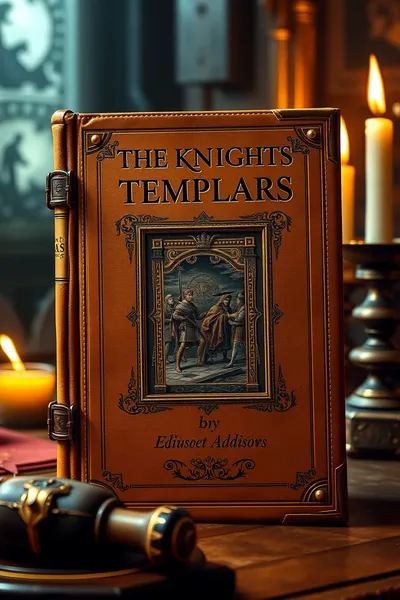
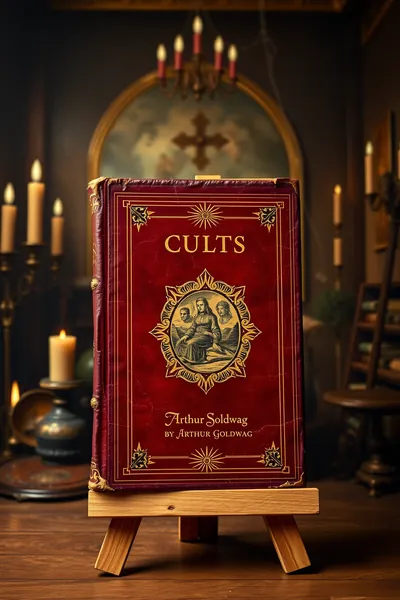
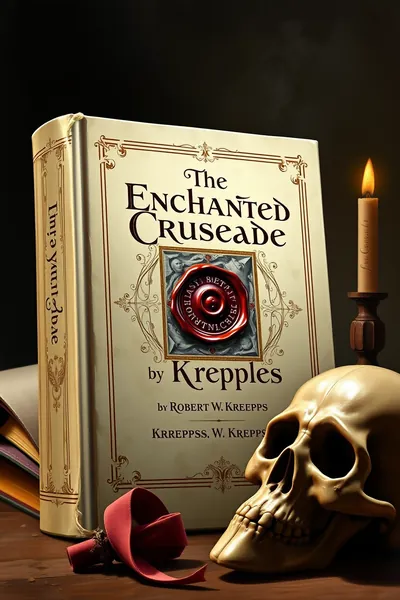
For those new to the subject, Charles Greenstreet Addison's "The Knights Templars" offers a comprehensive historical overview, detailing their rise and fall. Robert W. Krepps' "The Enchanted Crusade" provides a narrative exploration of their historical context. "Cults, Conspiracies, and Secret Societies" by Arthur Goldwag touches upon the Templars within a broader context of hidden organizations, offering accessible insights. These texts lay a solid groundwork for understanding the order's historical reality before studying more speculative theories.
Intermediate Reading
Moving beyond the basics, James Burnes' "Sketch of the History of the Knights Templars" offers a more focused historical account. A. E. Waite's "The Templar Orders in Freemasonry" studies the complex relationship between the Templars and subsequent Masonic traditions, a crucial link for understanding their esoteric legacy. "The Secret History of Freemasonry" by Naudon further explores these connections, tracing alleged Templar influence into Masonic rituals and symbolism.
Classical / Advanced Texts
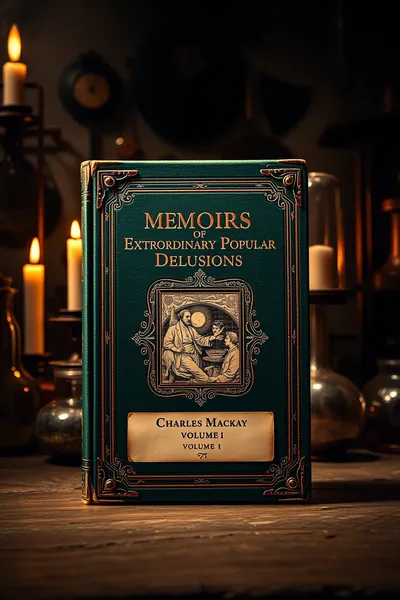
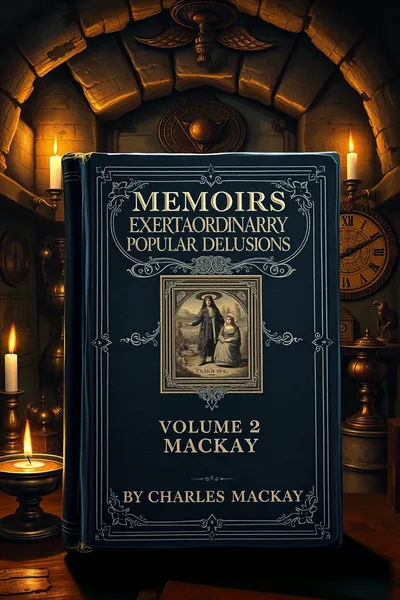
For advanced study, Charles Mackay's "Memoirs of Extraordinary Popular Delusions and the Madness of Crowds" (Volumes 1 & 2) provides historical context for the widespread fascination and myths surrounding the Templars, treating them as a case study in collective delusion. Jessie L. Weston's "From Ritual To Romance" (1920) offers a seminal, though debated, exploration of Grail legends and their potential links to Templar symbolism and Arthurian lore, essential for understanding the esoteric interpretations.
Reading Order — Step by Step
Begin with Charles Greenstreet Addison's "The Knights Templars" for a clear historical foundation. Follow with Arthur Goldwag's "Cults, Conspiracies, And Secret Societies" for context on secret groups. In month two, explore James Burnes' "Sketch of the History of the Knights Templars" for a deeper historical dive. Transition to A. E. Waite's "Templar Orders in Freemasonry" and Naudon's "The Secret History of Freemasonry" to understand esoteric connections. For month three, engage with Charles Mackay's "Memoirs of Extraordinary Popular Delusions" to analyze the myths, and finally, examine Jessie L. Weston's "From Ritual To Romance" for advanced Grail and Templar symbolism.
Frequently Asked Questions
Which Knights Templar book should I read first?
Start with Charles Greenstreet Addison's 'The Knights Templars'. It provides a clear, historically grounded introduction to the order's rise and fall, setting a strong foundation before exploring more complex theories or esoteric connections.
Are the Knights Templar directly linked to Freemasonry?
The connection is debated. While modern Freemasonry adopted Templar imagery and rituals, direct historical lineage is not definitively proven. Works like A. E. Waite's 'Templar Orders in Freemasonry' explore these alleged links.
What is the historical basis for Templar myths?
The abrupt suppression, accusations of heresy, and the Templars' vast wealth fueled speculation. Charles Mackay's 'Memoirs of Extraordinary Popular Delusions' analyzes how such narratives can gain traction and persist over time.
Did the Templars possess secret knowledge?
This is a central theme in esoteric interpretations. While historical records focus on their military and financial roles, later traditions and occultists have attributed secret teachings, often related to Gnosticism or Grail lore, to them.
How did the Templars influence Arthurian legends?
Scholars like Jessie L. Weston, in 'From Ritual To Romance', explored potential connections between Grail quests and Templar symbolism or practices, suggesting a cross-pollination of themes in medieval literature and belief systems.
What happened to the Knights Templar?
They were arrested in 1307 by order of King Philip IV of France, accused of heresy and other crimes. The order was officially dissolved by Pope Clement V in 1312, with its assets largely transferred to the Knights Hospitaller.













![EBOOK COLLECTION ( PART 8) [ CSI][h 33t]](/img/thumb/ebook-collection-part-8-csi-h-33t.webp)
