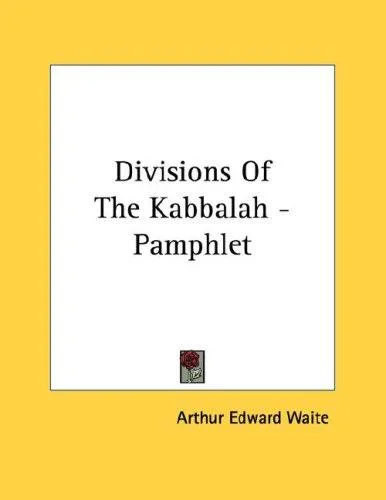
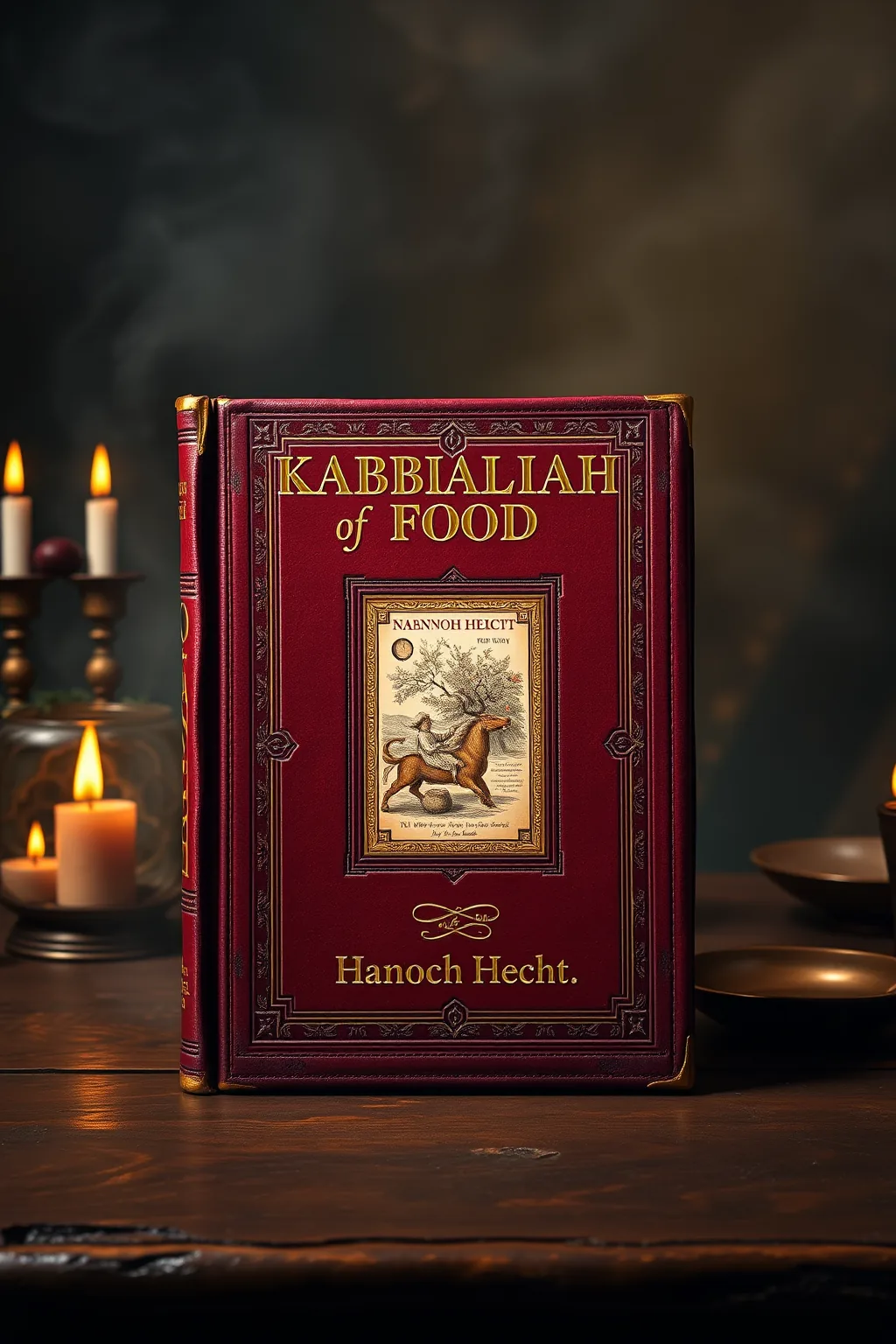
Kabbalah of Food
 62
62

Kabbalah of Food



Alaric Kestrel, Metaphysical Studies Reviewer: Hanoch Hecht masterfully weaves together the profound teachings of Kabbalah with the tangible reality of food and storytelling. "Kabbalah of Food" is a rare gem, offering an accessible yet deeply esoteric exploration of Jewish mysticism. The Hasidic tales are not mere anecdotes but potent vehicles for spiritual insight, demonstrating the interconnectedness of the physical and the divine. Hecht's ability to elucidate complex Kabbalistic concepts through the lens of culinary practice is remarkable, making the esoteric accessible to a broad audience. This work is particularly valuable for spiritual seekers, practitioners of Jewish mysticism, and anyone interested in the profound philosophical dimensions of food. It's an essential addition for those who appreciate the intersection of faith, culture, and the sacred in everyday life.
📝 Description
62
Hanoch Hecht's 2011 book connects Kabbalah to Jewish foodways through Hasidic tales and recipes.
Hanoch Hecht's "Kabbalah of Food" examines the spiritual dimension of Jewish eating. The book uses thirty-nine Hasidic tales, explained through Hecht's teachings, to connect mystical Jewish philosophy with daily nourishment. These stories function as parables, illustrating how preparing and consuming food can be a sacred act.
The volume also includes sixty-three traditional recipes. These are presented not just as culinary instructions, but as means to experience the spiritual depth within Jewish cuisine. The work aims to help readers find deeper meaning in everyday life and connect with the divine through fundamental human experiences.
This book sits within the esoteric tradition of Kabbalah, specifically the Lurianic and Hasidic interpretations. It draws on concepts like *kavanah* (intention) and the idea that physical actions can have spiritual consequences. By linking the preparation and consumption of food to divine connection, it follows a path common in Jewish mysticism where the mundane is elevated to the sacred, revealing hidden spiritual dimensions in everyday life.
💡 Why Read This Book?
Discover the profound spiritual dimensions of food and faith. "Kabbalah of Food" offers a unique bridge between ancient Kabbalistic wisdom and cherished Jewish recipes, revealing the sacred in everyday meals. Ideal for seekers of deeper meaning, students of Jewish mysticism, and anyone yearning to nourish their soul alongside their body. Explore thirty-nine inspiring Hasidic tales and sixty-three authentic recipes that illuminate the divine in culinary practice.
⭐ Reader Reviews
Honest opinions from readers who have explored this book.
❓ Frequently Asked Questions
What is the primary focus of "Kabbalah of Food"?
The book primarily focuses on the intersection of Kabbalistic mysticism, Hasidic parables, and Jewish culinary traditions, exploring the spiritual significance of food and eating as a pathway to divine connection and understanding.
Who is Hanoch Hecht?
Hanoch Hecht is an author and educator known for his work in bridging Jewish mysticism and practical life, making esoteric teachings accessible through engaging narratives and culinary explorations.
What kind of recipes are included?
The book features sixty-three traditional Jewish recipes, carefully selected to complement the spiritual teachings and Hasidic tales, offering a taste of the culture and wisdom shared.
Is this book suitable for beginners in Kabbalah?
Yes, the book is designed to be accessible, using stories and recipes as relatable entry points to explore deeper Kabbalistic concepts, making it suitable for both beginners and those with prior knowledge.
What is the role of the Hasidic tales?
The thirty-nine Hasidic tales serve as narrative vehicles to illustrate spiritual principles related to food, eating, and the Kabbalah, offering wisdom and inspiration through engaging parables.
🔮 Key Themes & Symbolism
The Sacredness of Sustenance
This theme examines the profound Kabbalistic understanding that food is not merely physical sustenance but a vehicle for spiritual connection. It explores how the preparation, consumption, and sharing of food can become acts of devotion, drawing down divine energy and fostering a deeper awareness of God's presence in the material world. The book illuminates how ordinary meals can be transformed into sacred encounters, linking the mundane to the transcendent through mindful intention and traditional practices, revealing the divine spark within every bite.
Kabbalistic Symbolism in Cuisine
Here, the focus shifts to the rich symbolic language embedded within Jewish culinary traditions as interpreted through the lens of Kabbalah. Each ingredient, cooking method, and dish is presented as a potential carrier of esoteric meaning, reflecting cosmic principles and spiritual processes. The book unpacks how traditional Jewish foods, often tied to holidays and life cycle events, serve as tangible expressions of Kabbalistic concepts like the Sefirot, the four worlds, and the rectification of the soul. It offers a framework for understanding the deeper, hidden messages within familiar dishes.
Hasidic Wisdom and Spiritual Joy
This theme highlights the vibrant spirit of Hasidism, characterized by its emphasis on joy, faith, and the embodiment of spiritual principles in daily life. The thirty-nine Hasidic tales featured in the book are not just stories but living embodiments of this philosophy, often centering on the transformative power of food and communal meals. They illustrate how simple acts of kindness, heartfelt prayer during meals, and the pursuit of divine connection through joyous observance can elevate the human experience and bring one closer to the divine essence.
💬 Memorable Quotes
Direct passages from the work, attributed to the author.
“The table is a sacred altar, the food its offering.”
— This highlights the transformative perspective offered, suggesting that the mundane setting of a meal can be viewed as a holy space, and the food itself as a symbolic offering that nourishes both the physical and spiritual self.
“In the spice of a dish lies the echo of creation.”
— This poetic phrase suggests that the complex flavors and aromas of food hold a hidden connection to the fundamental forces and divine blueprint of the universe, hinting at the intricate design within the natural world.
“To eat is to receive the divine light.”
— This emphasizes the Kabbalistic concept of divine emanation, proposing that the act of consuming food is an opportunity to absorb spiritual energy and connect with the informative presence of God.
💡 Key Ideas
Editorial paraphrase of the work's core concepts — not direct quotes.
Every meal is a meditation, every bite a prayer.
This quote expresses the book's central thesis: that the act of eating can be elevated from a biological necessity to a profound spiritual practice, a moment of conscious connection with the divine.
Joy in eating is a direct path to divine closeness.
This quote underscores the Hasidic emphasis on joy as a spiritual tool, suggesting that a cheerful and grateful approach to food and meals can foster a profound sense of connection and intimacy with the divine.
🌙 Esoteric Significance
Tradition
This work is deeply rooted in the Kabbalistic tradition, specifically drawing from Lurianic Kabbalah and the practical applications of Hasidism. It explores the concept of 'Tikkun' (rectification) through the mundane act of eating, suggesting that elevating our consciousness around food can contribute to the cosmic repair of the world. The book also touches upon the esoteric understanding of divine sustenance and the flow of spiritual energy, known as 'Shefa'.
Symbolism
The book employs detailed symbolism where food items, preparation methods, and the act of eating itself become metaphors for spiritual concepts. For instance, bread can symbolize the 'Bread of Life' or divine sustenance, while the mixing of ingredients might represent the unification of opposing forces. Each recipe is presented not just for its taste but for its potential to evoke specific spiritual states or to connect with particular Kabbalistic principles, revealing hidden layers of meaning.
Modern Relevance
In an era often characterized by disconnection and materialism, "Kabbalah of Food" offers a profound re-enchantment of the everyday. It provides a practical framework for infusing spiritual meaning into a fundamental human activity, demonstrating that profound wisdom can be found in the seemingly ordinary. This book empowers individuals to approach their daily lives with greater mindfulness, gratitude, and a deeper sense of purpose, bridging the gap between spiritual aspirations and lived reality.
👥 Who Should Read This Book
This book is a treasure for a diverse readership. **Beginners** seeking an accessible entry into Jewish mysticism will find the blend of engaging stories and straightforward recipes an inviting gateway. **Scholars** of religion and comparative mysticism will appreciate the nuanced interpretations and the unique application of Kabbalistic principles to culinary arts. **Spiritual Seekers** yearning to deepen their connection to the divine and find meaning in everyday life will be inspired by the transformative potential of food. **Practitioners** of Jewish tradition, whether seeking to enhance their observance or explore new dimensions of their faith, will discover practical and useful insights. Ultimately, anyone who believes that food can nourish more than just the body will find immense value.
📜 Historical Context
"Kabbalah of Food" emerges from the rich intellectual and spiritual milieu of 20th and 21st-century Jewish thought, particularly influenced by the resurgence of interest in Kabbalah and Hasidic philosophy. Following centuries of persecution and diaspora, Jewish communities experienced a revitalization of mystical studies and a renewed appreciation for their heritage. Authors like Hanoch Hecht build upon the foundational works of Kabbalistic masters and the oral traditions of Hasidic rebbes, seeking to make these profound teachings accessible and relevant to contemporary life. The book reflects a broader movement in spiritual literature that aims to integrate esoteric wisdom with practical, everyday experiences, demonstrating that profound spiritual truths can be found not only in ancient texts but also in the simple, yet sacred, act of sharing a meal. It bridges the gap between the theoretical and the experiential, making the esoteric accessible through the universal language of food and storytelling.
📔 Journal Prompts
Reflect on a meal that holds significant spiritual or emotional meaning for you. What made it so impactful, and how can you recreate that feeling in your daily meals?
Consider a favorite recipe. What symbolic meaning or personal connection do you associate with its ingredients or preparation process?
How can the act of mindful eating transform your relationship with food and with the divine?
Explore the concept of 'gratitude' before, during, and after a meal. How does it change your experience?
Imagine transforming a common ingredient into a symbol of a Kabbalistic concept. What would it represent and why?
🗂️ Glossary
Kabbalah
An esoteric system of Jewish mysticism, concerned with the nature of God, the creation of the universe, and the spiritual purpose of humanity. It seeks to understand the hidden meanings of the Torah and the divine structure of existence.
Hasidism
A spiritual movement within Orthodox Judaism that arose in 18th-century Eastern Europe, emphasizing joy, prayer, and the immanence of God in all aspects of life, often through storytelling and communal devotion.
Mitzvot
In Judaism, these are divine commandments or good deeds, considered pathways to spiritual growth and connection with God. The book suggests that culinary practices can be elevated to the level of mitzvot.
Sefirot
The ten divine emanations or attributes of God in Kabbalistic cosmology, representing stages in the creation of the universe and the unfolding of divine will. They are often depicted as a tree or a diagram.
Shefa
A Hebrew term in Kabbalah referring to divine abundance, blessing, or spiritual flow that emanates from God and sustains the universe. The book suggests food can be a conduit for receiving Shefa.
This book appears in 1 collection
🔮 Readers Also Liked
Browse all →







From the “Kabbalah” Collection
View all →








More Free Kabbalah & Jewish Mysticism Books
View all →