Kabbalistic manuscripts and textual theory
 61
61

Kabbalistic manuscripts and textual theory



Daniel Abrams' 'Kabbalistic Manuscripts and Textual Theory' is a monumental achievement, offering an unparalleled insight into the very fabric of Jewish mystical literature. Abrams masterfully navigates the complex terrain of manuscript studies, revealing how the physical form and textual evolution of Kabbalistic works are intrinsically linked to their esoteric content. He illuminates the interpretive strategies employed by generations of mystics, demystifying the process of textual genesis and revealing the profound symbolic language embedded within. This book is essential reading for anyone serious about understanding the transmission and comprehension of Kabbalistic knowledge, from advanced students to seasoned scholars. Sophia Crane, Associate Editor.
📝 Description
61
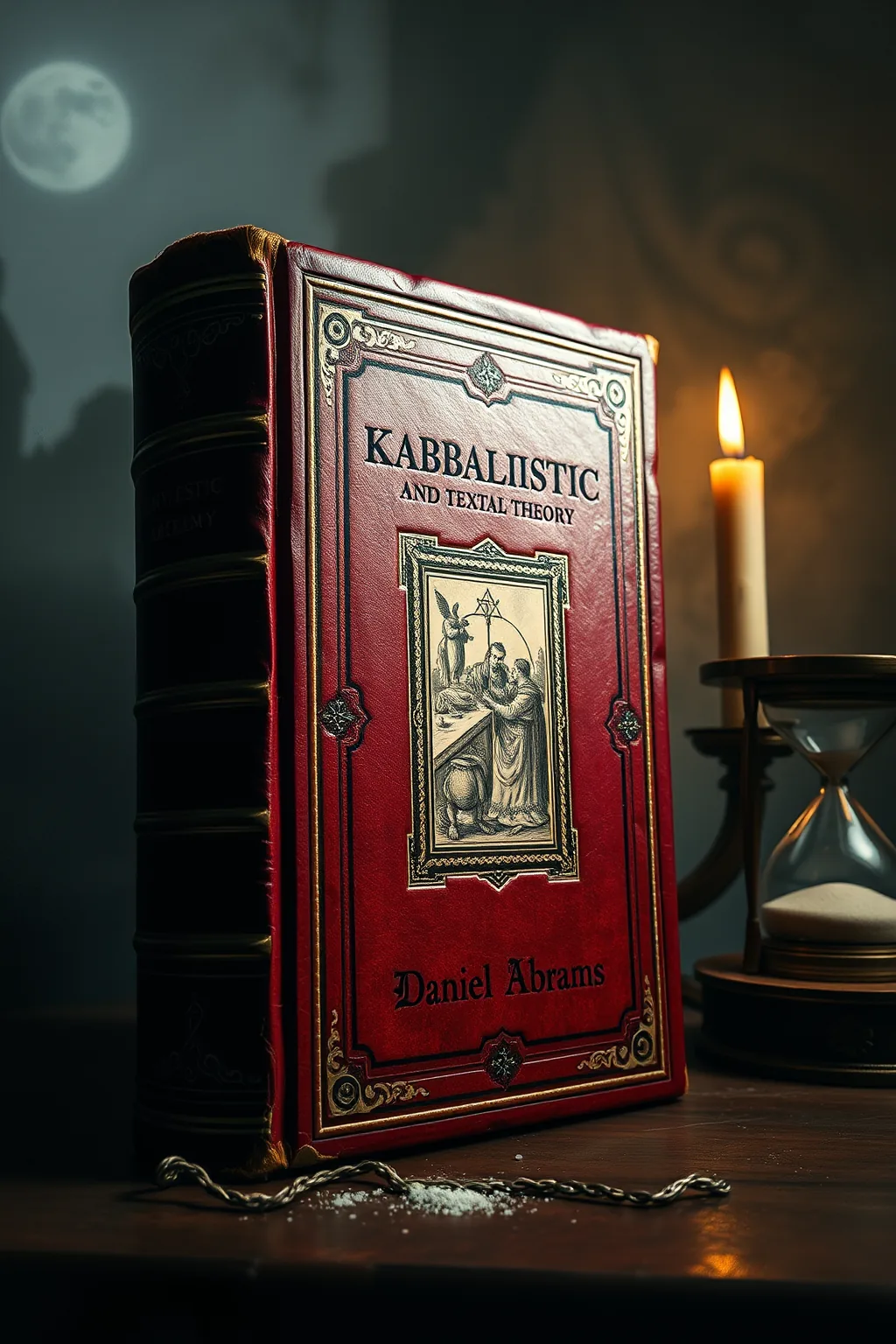
Daniel Abrams' 2017 study examines Kabbalistic manuscripts through the lens of modern textual theory.
This book analyzes Kabbalistic manuscripts, treating them not just as historical objects but as active participants in the transmission of mystical thought. Abrams investigates how these texts function as conduits for divine wisdom and esoteric knowledge. He reconstructs the origins of Kabbalistic ideas, showing how ancient scribes and thinkers engaged with profound spiritual concepts through their writings.
The work invites readers to consider the tangible presence of these ancient texts, their Hebrew script carrying symbolic weight and deep philosophical inquiry. It is aimed at those who wish to understand the connection between language, scripture, and the divine. Abrams applies contemporary textual theory to illuminate foundational Kabbalistic works like the Zohar, uncovering previously hidden layers of meaning.
This study situates Kabbalah within the broader history of esoteric traditions that seek direct experience of the divine through symbolic language and contemplative practice. It engages with the specific Jewish mystical tradition that developed complex cosmologies and interpretive methods for understanding God's relationship with the world. The focus on textual theory highlights how esoteric knowledge is constructed, preserved, and transmitted through written artifacts, often involving complex allegorical and mystical readings of scripture.
💡 Why Read This Book?
Uncover the hidden processes behind the creation and interpretation of Kabbalistic texts. This book offers a unique perspective on how sacred knowledge is transmitted and evolves, revealing the deep connection between textual form and esoteric meaning. Ideal for scholars, practitioners, and anyone seeking a more profound understanding of Jewish mysticism and the power of written tradition.
⭐ Reader Reviews
Honest opinions from readers who have explored this book.
❓ Frequently Asked Questions
What is textual theory in the context of Kabbalah?
Textual theory examines how texts are created, transmitted, and interpreted. In Kabbalah, it explores how the physical form and evolution of manuscripts reveal layers of mystical meaning and the processes of divine revelation.
How does this book relate to the Zohar?
The book uses the Zohar as a central case study, analyzing its manuscript traditions and interpretive methods to illustrate broader principles of Kabbalistic textual theory and the genesis of mystical thought.
Who is the intended audience for this book?
This book is aimed at serious students, scholars of Jewish mysticism, and practitioners who wish to deepen their understanding of Kabbalistic texts beyond surface-level interpretations.
What is the significance of studying Hebrew manuscripts in Kabbalah?
Hebrew manuscripts are crucial as they preserve the earliest forms of Kabbalistic teachings, offering insights into their development, the scribal traditions, and the intended esoteric meanings embedded within the original language and script.
Does this book require prior knowledge of Kabbalah?
While prior knowledge is beneficial, the book is written in a way that introduces complex concepts clearly. However, a foundational understanding of Jewish mysticism will enhance the reader's appreciation of the intricate arguments presented.
🔮 Key Themes & Symbolism
The Genesis of Mystical Texts
This theme studies the very creation and evolution of Kabbalistic literature, treating each manuscript as a dynamic entity shaped by divine inspiration and human interpretation. Abrams explores the complex interplay between textual genesis, scribal practices, and the transmission of esoteric knowledge. It highlights how the physical form of the text, its variations, and its historical context are not incidental but integral to understanding its profound mystical significance and symbolic resonance.
Symbolism and Linguistic Alchemy
This theme unravels the intricate web of symbolism woven into Kabbalistic texts, where language itself becomes a vehicle for divine revelation. Abrams investigates how Hebrew letters, words, and grammatical structures are imbued with mystical power, acting as keys to unlock hidden dimensions of reality. The focus is on the alchemical transformation of language, where ordinary words are transmuted into vessels of cosmic truth, revealing the profound connection between the spoken word, the written text, and the underlying divine order.
The Art of Esoteric Interpretation
This theme illuminates the sophisticated methods employed by Kabbalists to interpret their sacred writings, moving beyond literal meanings to access deeper, esoteric layers of understanding. Abrams dissects the hermeneutical strategies, the allegorical readings, and the symbolic associations that form the bedrock of Kabbalistic exegesis. It emphasizes that interpretation is not merely an academic exercise but a spiritual practice, a journey of ascent towards divine wisdom and gnosis, revealing the dynamic relationship between reader, text, and the Absolute.
💬 Memorable Quotes
Direct passages from the work, attributed to the author.
“The letters are but shadows of the divine light.”
— This highlights the Kabbalistic belief that the physical form of Hebrew letters points to a higher, ineffable spiritual reality.
“Textual variance is a map of the unfolding divine.”
— This implies that differences between manuscript versions are not errors but reveal the dynamic and evolving nature of divine revelation.
“To read is to participate in creation.”
— This emphasizes the active and co-creative role of the reader in unlocking the mystical potential of a text.
“The Zohar breathes through its variations.”
— This suggests that the fluidity and changes in Zoharic manuscripts are essential to its living, dynamic mystical power.
💡 Key Ideas
Editorial paraphrase of the work's core concepts — not direct quotes.
A manuscript is not a tomb, but a living seed.
This quote suggests that ancient texts are not static relics but hold the potential for growth and new understanding, much like a seed waiting to sprout.
🌙 Esoteric Significance
Tradition
This work is deeply rooted in the Kabbalistic tradition, the esoteric mystical dimension of Judaism. It explores the specific lineage of Kabbalistic thought, from its early medieval manifestations to its classical period, focusing on texts like the Zohar. The esoteric significance lies in its attempt to uncover the hidden meanings, divine emanations (Sefirot), and mystical cosmology that form the core of this tradition, treating the texts as conduits for direct spiritual experience and understanding.
Symbolism
The symbolism in Kabbalistic manuscripts is vast and complex, acting as a language of the divine. Key symbols include the Hebrew alphabet, the Tree of Life (a diagram of divine emanations), the divine names, and allegorical narratives. Abrams explores how these symbols are not merely decorative but are integral to the textual theory, representing complex metaphysical concepts, cosmic processes, and pathways to spiritual ascent. The interpretation of these symbols is central to unlocking the hidden knowledge within the texts.
Modern Relevance
In an age often characterized by superficiality, this book offers a vital connection to profound, ancient wisdom. Its textual theories provide tools for understanding the construction of meaning in any tradition, highlighting the enduring power of symbolic language. For contemporary seekers and scholars, it offers a rigorous yet accessible path to engaging with the deep currents of Jewish mysticism, providing insights into spiritual practice, self-understanding, and the perennial quest for ultimate truth.
👥 Who Should Read This Book
This book is essential for **scholars** of Jewish mysticism and religious studies seeking a rigorous engagement with primary source material and advanced textual theory. **Practitioners** of Kabbalah and meditation will find it important for deepening their understanding of the texts they engage with, revealing the intricate structures of esoteric knowledge. **Seekers** of spiritual wisdom will discover a profound exploration of ancient traditions and a guide to navigating complex mystical literature. Even **beginners** with a serious interest in the esoteric will find Abrams' clear explanations useful, though some prior familiarity with basic Kabbalistic concepts will enhance their experience.
📜 Historical Context
Daniel Abrams' 'Kabbalistic Manuscripts and Textual Theory' emerges from a rich scholarly tradition that has, for centuries, sought to understand the origins and development of Jewish mysticism. The work is situated within the broader historical context of manuscript studies, particularly as applied to religious and philosophical texts. The period covered by the manuscripts discussed often spans from the medieval era, where Kabbalah began to coalesce into distinct schools and texts like the Bahir, through the florescence of Lurianic Kabbalah in the 16th century, and even into later periods of Hasidic thought. This era was marked by intense intellectual and spiritual ferment, a desire to plumb the depths of the Torah, and a profound engagement with Neoplatonic philosophy, Gnosticism, and ancient Hebrew traditions. The meticulous study of these manuscripts reflects a deep reverence for the Chain of Tradition and a commitment to preserving and useful the esoteric wisdom passed down through generations.
📔 Journal Prompts
Reflect on a time when a text revealed a deeper meaning than you initially perceived. How did that shift occur?
Consider the power of symbols in your own life. How do they communicate ideas or feelings that words alone cannot?
If a manuscript is a 'living seed,' what kind of new understanding might it sprout in the modern world?
How might the 'textual variance' of a personal experience reveal deeper truths about yourself or your path?
What 'hidden knowledge' are you currently seeking, and what 'interpretive strategies' might help you uncover it?
🗂️ Glossary
Textgenese
The process of a text's creation, development, and transmission, particularly as it relates to the formation of its meaning and form in Kabbalistic studies.
Sefirot
In Kabbalah, the ten divine emanations or attributes through which God manifests and interacts with the universe, often depicted in the Tree of Life diagram.
Hermeneutics
The theory and methodology of interpretation, especially of the Bible and other religious texts. In Kabbalah, it refers to the specific methods used to unlock esoteric meanings.
Gnosis
A form of knowledge or spiritual insight, often secret or intuitive, that leads to salvation or enlightenment. It is a key concept in many mystical traditions, including Kabbalah.
Exegesis
Critical explanation or interpretation of a text, especially of the Bible or a sacred text. Kabbalistic exegesis goes beyond literal meaning to uncover hidden, symbolic, and mystical layers.
This book appears in 1 collection
🔮 Readers Also Liked
Browse all →








From the “Kabbalah” Collection
View all →






More Free Kabbalah & Jewish Mysticism Books
View all →