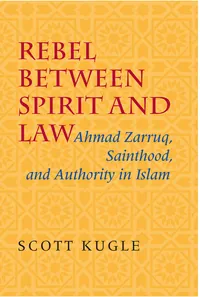
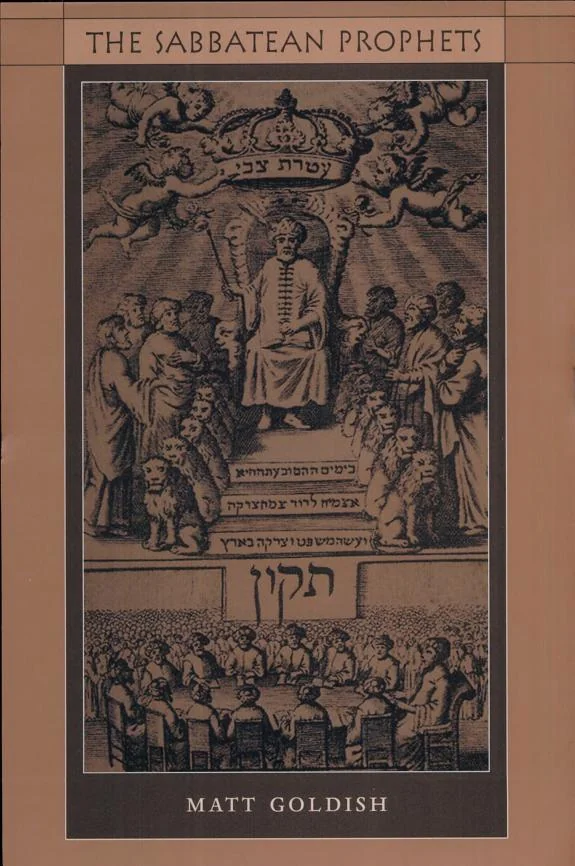
The Sabbatean Prophets
 71
71

The Sabbatean Prophets
Matt Goldish's *The Sabbatean Prophets* offers a valuable recalibration of how we approach the Sabbatean phenomenon. By shifting focus from the dense theology of Lurianic Kabbalah to the pervasive belief in latter-day prophecy during the 17th century, Goldish successfully integrates the movement into the broader sweep of early modern history. A particular strength lies in his explication of how prophetic utterances, rather than complex doctrinal exegesis, fueled the movement's initial, explosive growth. The section detailing the dissemination of news and prophetic claims across Jewish communities in 1665-1666 is particularly compelling. However, the book occasionally feels constrained by its primary goal of accessibility; some readers accustomed to deeper dives into Kabbalistic thought might find the theological discussions somewhat abbreviated. The core argument, that the movement's success hinged on widespread prophetic expectations, remains lucid and well-supported. Goldish provides a clear, historically grounded account that makes the Sabbatean crisis comprehensible to a wider audience. It is a solid historical survey that demystifies a complex period of Jewish religious history.
📝 Description
71
Matt Goldish's 2004 book examines the 17th-century Sabbatean movement and its messianic fervor.
Matt Goldish's "The Sabbatean Prophets" focuses on the 17th-century movement surrounding Shabbatai Zevi, who was proclaimed the Messiah in 1665. Instead of concentrating solely on the complex theological roots within Lurianic Kabbalah, Goldish shifts the emphasis to the era's widespread belief in prophecy and messianic anticipation. He places the Sabbatean phenomenon within the social, political, and intellectual currents of early modern Europe.
The book is designed for readers interested in messianism, Jewish mysticism, and the early modern period who want an analysis that goes beyond purely theological explanations. It will appeal to students and scholars of religious history, as well as those interested in prophetic movements and their societal effects. Individuals seeking to understand how a single messianic claim could captivate a large segment of the Jewish world will find this work particularly valuable. Goldish frames the Sabbatean story against the backdrop of widespread belief in prophecy, a concept not unique to Sabbateanism but present in various Christian millenarian groups too.
This work engages with the tradition of Jewish messianism, a recurring theme within Kabbalistic thought. Specifically, it addresses the historical manifestation of messianic expectations that flourished in the 17th century, a period marked by significant upheaval and spiritual searching within Jewish communities. The book situates the Sabbatean movement, centered on Shabbatai Zevi, within this broader context of mystical and prophetic aspirations that sought redemption and divine intervention.
💡 Why Read This Book?
• Understand the role of prophecy in messianic movements by examining how Shabbatean prophets utilized their pronouncements, as detailed in the book's focus on 'latter-day prophecy'. • Grasp the socio-historical context of the 17th century, a period of intense religious fervor, by learning how events like the Chmielnicki Massacres (1648-1649) contributed to the yearning for a messiah. • Explore the dissemination of religious ideas across early modern Jewish communities, understanding how beliefs about Shabbatai Zevi spread rapidly through networks described in the text.
⭐ Reader Reviews
Honest opinions from readers who have explored this book.
❓ Frequently Asked Questions
What is the central argument of The Sabbatean Prophets regarding the Sabbatean movement?
The book argues that the widespread belief in latter-day prophecy, rather than solely complex Kabbalistic theology, was the primary driver behind the Sabbatean movement's appeal and rapid spread in the 17th century.
Who was Shabbatai Zevi?
Shabbatai Zevi was a 17th-century Jewish mystic who was proclaimed the Messiah in 1665, sparking a widespread messianic movement across the Jewish diaspora.
How does Goldish's work differ from previous studies of Sabbateanism?
Goldish shifts the focus from the intricate theology of Lurianic Kabbalah to the socio-historical context and the pervasive belief in prophecy that characterized the era, making the movement more accessible.
What historical events influenced the context of the Sabbatean movement?
The lingering trauma of the Chmielnicki Massacres (1648-1649) created a fertile ground of religious yearning and expectation for redemption within Jewish communities.
What is the significance of Nathan of Gaza in the Sabbatean movement?
Nathan of Gaza was a key figure who proclaimed Shabbatai Zevi as the Messiah and disseminated prophetic interpretations that amplified the movement's influence and reach.
What crisis did the Sabbatean movement face?
The movement faced a profound crisis when Shabbatai Zevi converted to Islam under duress from the Ottoman Sultan in 1666, challenging the core tenets of his messianic claim.
🔮 Key Themes & Symbolism
Latter-Day Prophecy
The book centers on the concept of 'latter-day prophecy' as the engine of the Sabbatean movement. It details how pronouncements of future events and divine selection, particularly those attributed to Shabbatai Zevi and his circle like Nathan of Gaza, were perceived as direct divine communication. This belief system provided a framework for understanding the imminent arrival of the messianic era, offering hope and direction during a turbulent period. Goldish explores how these prophetic claims were disseminated and interpreted, becoming the primary vehicle for the movement's widespread acceptance and fervor.
Messianic Expectations
The Sabbatean movement emerged from a deep-seated yearning for redemption within 17th-century Jewish communities, exacerbated by historical traumas such as the Chmielnicki Massacres. Goldish connects these socio-historical pressures to the readiness of many to embrace a messianic figure. The book examines how Shabbatai Zevi’s declaration as Messiah in 1665 resonated with these expectations, offering a perceived solution to widespread suffering and displacement. It analyzes the dynamics of belief, hope, and collective psychology that fueled this intense messianic fervor across the diaspora.
Integration into Early Modern World
Goldish endeavors to situate the Sabbatean movement within the broader intellectual and religious range of the early modern period, moving beyond specialized studies of Jewish mysticism. The work highlights that beliefs in prophecy and messianic figures were not unique to Sabbateanism, appearing in various Christian millenarian circles as well. By examining these parallels and the movement's interaction with its surrounding environment, the book aims to demonstrate how Sabbateanism was an integral, albeit extraordinary, part of the early modern world, shaped by and shaping its times.
Kabbalah and Its Influence
While Goldish shifts emphasis from Lurianic Kabbalah, he acknowledges its foundational role. The book discusses how concepts derived from Kabbalistic thought, particularly Isaac Luria's teachings, provided a symbolic and theological language through which the Sabbatean claims could be understood and articulated by its adherents. However, the primary focus remains on how these abstract ideas were translated into the more immediate and accessible language of prophecy and divine revelation, which proved more potent in mobilizing popular support.
💬 Memorable Quotes
Direct passages from the work, attributed to the author.
“Shabbatai Zevi was proclaimed the Messiah in 1665.”
— This simple statement marks the important moment around which the entire Sabbatean phenomenon revolved. It signifies the point where latent messianic expectations coalesced around a specific individual, igniting a movement that would profoundly impact Jewish history.
“The movement was fueled by widespread belief in latter-day prophecy.”
— This highlights Goldish's central argument: the Sabbatean movement's success stemmed not just from complex theology but from a shared conviction in contemporary divine communication and the imminent fulfillment of messianic prophecies.
“Goldish shifts the focus from the theology of Lurianic Kabbalah.”
— This indicates a methodological departure, signaling that the book prioritizes historical context and social reception over intricate mystical doctrines, aiming for a broader understanding of the movement.
“The Chmielnicki Massacres (1648-1649) created a yearning for redemption.”
— This places the Sabbatean movement within its specific historical trauma, suggesting that the immense suffering caused by the massacres created a psychological and spiritual climate ripe for messianic hope.
“Nathan of Gaza amplified the messianic claims.”
— This points to the crucial role of key figures in shaping and disseminating the movement's message. Nathan of Gaza's prophetic interpretations were instrumental in legitimizing and expanding Shabbatai Zevi's appeal.
🌙 Esoteric Significance
Tradition
The Sabbatean movement, while deeply rooted in Kabbalistic concepts, particularly those of Isaac Luria, represents a significant departure in its popular manifestation. Goldish highlights how the movement translated complex Lurianic ideas into a more accessible, prophecy-driven narrative. This shift from esoteric doctrine to widespread prophetic fervor can be seen as a democratization or perhaps a simplification of mystical traditions, making them potent forces in shaping communal identity and eschatological hope.
Symbolism
While not explicitly detailing specific symbols in its blurb, the Sabbatean movement itself became a potent symbol of messianic hope and subsequent crisis. The figure of Shabbatai Zevi, and later his apostasy, functioned as a powerful, albeit controversial, symbol within Jewish history, prompting re-evaluations of messianism, faith, and the nature of divine intervention.
Modern Relevance
Contemporary interest in messianic movements, the psychology of belief, and the intersection of religion and history continues to draw scholars and practitioners to the Sabbatean phenomenon. Thinkers exploring the dynamics of charisma, mass movements, and the impact of religious figures on society find ample material. Furthermore, some modern Kabbalistic interpretations continue to grapple with the legacy and meaning of Sabbateanism.
👥 Who Should Read This Book
• Students of Jewish history and mysticism seeking a focused account of the Sabbatean movement that prioritizes historical context over dense theological exposition. • Scholars of early modern Europe interested in the pervasive role of prophecy and messianic belief across different religious traditions during the 17th century. • Readers fascinated by the sociology of religious movements and the psychological factors that contribute to the rise and fall of charismatic figures and their followers.
📜 Historical Context
The publication of Matt Goldish's *The Sabbatean Prophets* arrives in the wake of significant scholarship on Sabbateanism, yet it carves out a distinct niche by emphasizing the movement's integration into the broader currents of the early modern world. The 17th century was an era of intense religious upheaval, marked by the Thirty Years' War, the rise of scientific inquiry, and widespread millenarian expectations across both Christian and Jewish communities. The trauma of the Chmielnicki Massacres (1648-1649) left deep scars on Jewish society, intensifying a longing for messianic redemption. Into this milieu stepped Shabbatai Zevi, proclaimed Messiah in 1665, whose movement captivated a significant portion of the Jewish world. Goldish’s work counters the tendency to view Sabbateanism solely through the lens of Lurianic Kabbalah, arguing instead for the primacy of belief in latter-day prophecy. This perspective aligns the movement with broader patterns of prophetic enthusiasm prevalent in the period, differentiating it from purely theological disputes and situating it as a social and religious phenomenon deeply embedded in its time. The reception of such movements was often fraught, with authorities, both religious and secular, viewing them with suspicion.
📔 Journal Prompts
The widespread belief in latter-day prophecy: how did this concept shape Sabbatean actions?
Shabbatai Zevi's proclamation as Messiah in 1665: what societal conditions made this possible?
The influence of Nathan of Gaza: analyze his role in amplifying the movement's prophetic message.
The early modern context: how did events like the Chmielnicki Massacres fuel messianic fervor?
The shift from Lurianic Kabbalah: consider the impact of simplifying complex theology for popular appeal.
🗂️ Glossary
Sabbatean Movement
A messianic movement that emerged in the mid-17th century, centered around Shabbatai Zevi, who was proclaimed the Messiah. It spread rapidly across Jewish communities before facing a crisis upon Zevi's apostasy.
Shabbatai Zevi
A 17th-century Kabbalist who, in 1665, was proclaimed the Messiah by many Jewish communities, leading a widespread messianic movement.
Latter-day Prophecy
Belief in ongoing divine revelation through prophetic pronouncements, particularly concerning the imminent end times and the coming of the Messiah, a key element in the Sabbatean movement.
Lurianic Kabbalah
The mystical system developed by Rabbi Isaac Luria in the 16th century, focusing on concepts like tzimtzum (contraction), shevirat ha-kelim (shattering of the vessels), and tikkun (rectification), which heavily influenced subsequent Jewish mysticism.
Messiah
In Jewish tradition, a divinely appointed leader, descended from King David, who will bring an era of peace, justice, and universal knowledge to the world.
Chmielnicki Massacres
A series of brutal Cossack rebellions and massacres led by Bohdan Khmelnytsky against Polish nobility and Jews in the mid-17th century, causing immense devastation.
Nathan of Gaza
A 17th-century theologian and mystic who played a crucial role as the prophet and main exponent of Shabbatai Zevi's messiahship.
This book appears in 1 collection
🔮 Readers Also Liked
Browse all →








From the “Prophecy” Collection
View all →




More Free Esoteric History & Biography Books
View all →