The hills of the dead
 69
69

The hills of the dead


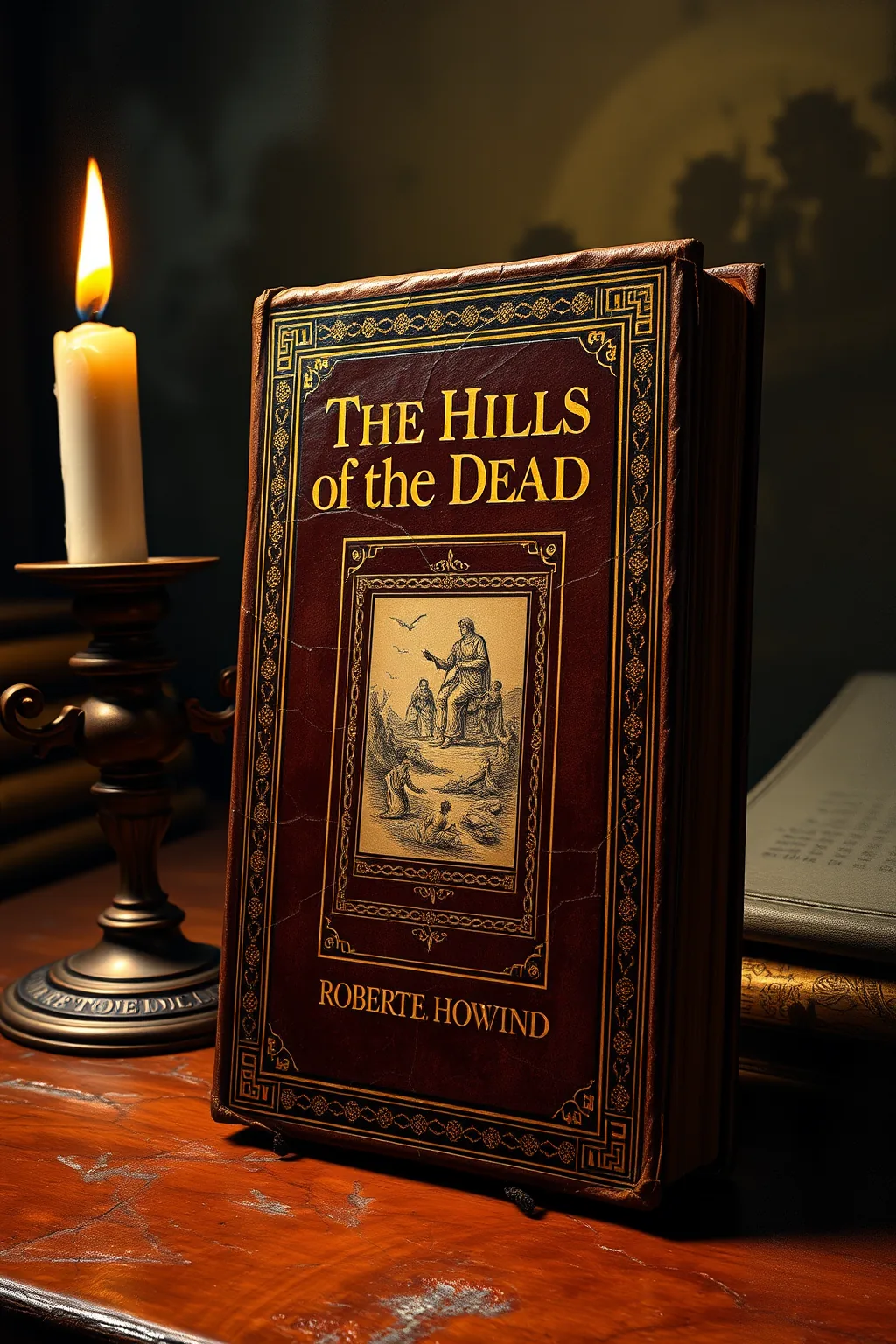
The Hills of the Dead by Robert E. Howard stands as a timeless classic in the realm of esoteric literature. Published in 1906, this collection of horror tales provides a deep dive into the occult, making it an invaluable resource for modern esoteric seekers. Howard's vivid storytelling and rich historical context bring to life the puritanical themes that permeate the narrative. Solomon Kane, the book's central character, serves as a conduit for exploring the darker aspects of human nature and the supernatural. For those interested in the intersection of fiction and the occult, The Hills of the Dead offers a unique and enriching experience. The book's exploration of ancient evil forces and hidden truths about the occult makes it a must-read for anyone seeking a deeper understanding of esoteric beliefs.
📝 Description
69
Robert E. Howard wrote 'The Hills of the Dead' in 1930, blending occult horror with folklore.
Robert E. Howard's 'The Hills of the Dead' collects tales that merge occult dread with British and African folklore. These stories examine the porous boundary between the mundane and the supernatural. Howard uses atmospheric settings and symbolic language to draw readers into the mysteries he creates. The volume appeals to readers interested in the philosophical weight of occult themes.
These narratives invite those drawn to the unknown and the esoteric currents within fiction. The collection focuses on the secrets hidden within its titular hills. Howard's work here is for the reader who appreciates dark fantasy with a strong sense of place and ancient lore.
This collection engages with themes common in early 20th-century occult fiction, particularly the idea of hidden worlds and ancient powers influencing the present. Howard draws on both European folk traditions and motifs that echo broader esoteric interests in non-Western spiritualities, though filtered through a pulp fiction lens. The stories often feature protagonists confronting forces that defy rational explanation, a staple in occult literature that seeks to explore the limits of human knowledge and the presence of unseen energies.
✍️ Author
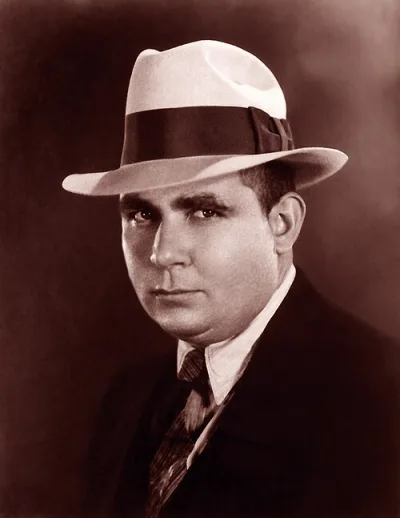
Howard, Robert E. (Robert Ervin)
Robert E. Howard (1906-1936) was an American author, creator of Conan the Barbarian and father of sword and sorcery.
💡 Why Read This Book?
Reading The Hills of the Dead today offers a unique opportunity to explore the esoteric and occult themes that have fascinated readers for over a century. This book provides a deep dive into the supernatural and the darker aspects of human nature, making it an invaluable resource for modern esoteric seekers. Whether you are a fan of horror, historical fiction, or occult philosophy, this book offers a rich and engaging reading experience. It is a must-read for anyone interested in the intersection of fiction and the occult.
⭐ Reader Reviews
Honest opinions from readers who have explored this book.
❓ Frequently Asked Questions
What is the main theme of The Hills of the Dead?
The main theme of The Hills of the Dead is the exploration of occult philosophy and its influence on human nature. The book delves into the darker aspects of the supernatural and the historical context of puritanical beliefs.
Who is Solomon Kane?
Solomon Kane is the central character in The Hills of the Dead. He is a fictional puritan who embarks on various adventures in British Africa, confronting ancient evil forces and uncovering hidden truths about the occult.
Is this book suitable for modern readers?
Yes, The Hills of the Dead is suitable for modern readers, especially those interested in esoteric literature, horror, and historical fiction. The book's exploration of occult themes and rich storytelling make it a timeless classic.
🔮 Key Themes & Symbolism
Ancient Mysteries
The stories in 'The Hills of the Dead' look at the ancient mysteries that lie hidden within the hills, offering readers a glimpse into the esoteric knowledge that has been passed down through generations. This theme is central to the book's exploration of the occult and its philosophical significance.
Occult Symbolism
The book is rich in occult symbolism, with each story combining elements of British and African folklore to create a set of hidden meanings. These symbols add depth to the narratives, making them a fascinating read for those interested in the mystical.
Philosophical Insights
Beyond the horror and mystery, 'The Hills of the Dead' offers profound philosophical insights into the nature of reality and the human psyche. The stories challenge readers to question their perceptions and explore the deeper mysteries of existence.
💡 Key Ideas
Editorial paraphrase of the work's core concepts — not direct quotes.
The hills held secrets that whispered in the wind, tales of ancient rites and hidden knowledge.
This line highlights the book's exploration of ancient mysteries and the esoteric knowledge that lies within the hills.
In the shadows of the night, the veil between worlds grew thin, revealing glimpses of the supernatural.
This passage underscores the book's atmospheric storytelling and its look at the occult.
The puritan's fear of the unknown was a beacon to the darkness that lurked within.
This quote illustrates the philosophical significance of the stories, exploring the human psyche and its fears.
The hills of the dead held more than just the traces of the past; they held the secrets of the ages.
This line emphasizes the book's exploration of hidden knowledge and the mysteries that lie within the hills.
The occult symbols etched into the stones told a story of rituals and ancient powers.
This passage highlights the detailed symbolism found in the stories, adding layers of meaning to the narratives.
🌙 Esoteric Significance
Tradition
The Hills of the Dead' belongs to the Hermetic and Gnostic traditions, looking at the mysteries of the occult and the hidden knowledge that lies beyond the veil. The stories explore ancient rituals and the supernatural, making them a valuable resource for those interested in esoteric studies.
Symbolism
Key symbols in the book include ancient rituals, occult symbols, and the supernatural. These symbols are woven into the narratives, adding layers of meaning and depth to the stories. They serve as a gateway to the esoteric knowledge that the book seeks to uncover.
Modern Relevance
Today, , 'The Hills of the Dead' remains relevant for modern practitioners of the occult and those interested in esoteric studies. The book's exploration of ancient mysteries and hidden knowledge continues to inspire and inform, making it a timeless work in the genre.
👥 Who Should Read This Book
Beginners in occult studies will find 'The Hills of the Dead' an accessible and engaging introduction to the genre, while scholars and practitioners will appreciate the depth and complexity of the narratives. Spiritual seekers will be drawn to the book's exploration of ancient mysteries and hidden knowledge, making it a valuable resource for their journey. Those interested in the philosophical significance of the occult will find the stories rich in insight and meaning.
📜 Historical Context
Written during a time when the occult and mystical themes were gaining traction in literature, 'The Hills of the Dead' by Robert E. Howard reflects the era's fascination with the supernatural and hidden knowledge. Published in the early 20th century, this collection of short stories drew from the rich folklore of Britain and Africa, blending these elements with Howard's deep understanding of occult symbolism. The book's influence can be seen in the works of later authors who explored similar themes, making it a significant contribution to the genre.
📔 Journal Prompts
Reflect on the ancient mysteries explored in the stories. What hidden knowledge do they reveal?
How do the occult symbols in the book add depth to the narratives? What meanings do they convey?
Consider the philosophical insights offered by the stories. How do they challenge your perceptions of reality?
What role does the supernatural play in the tales of 'The Hills of the Dead'? How does it influence the characters?
Explore the atmospheric settings in the book. How do they contribute to the overall mood and themes?
🗂️ Glossary
Occult Symbolism
The use of symbols and rituals that are associated with the occult, often representing hidden knowledge and ancient mysteries.
Ancient Mysteries
Mysteries that have been passed down through generations, often involving hidden knowledge and esoteric traditions.
Hermetic Tradition
A philosophical and spiritual tradition that seeks to uncover the hidden knowledge of the universe and the human psyche.
Gnostic Traditions
A spiritual movement that emphasizes the acquisition of secret knowledge, or gnosis, as a path to spiritual liberation.
Esoteric Knowledge
Knowledge that is hidden or secret, often associated with mystical and occult traditions.
This book appears in 6 collections
🔮 Readers Also Liked
Browse all →
More by Howard, Robert E. (Robert Ervin)
All books →
From the “Transcendental Meditation” Collection
View all →







More Free Occult Philosophy Books
View all →