The magic of Makishi masks & traditions in Zambia
 61
61

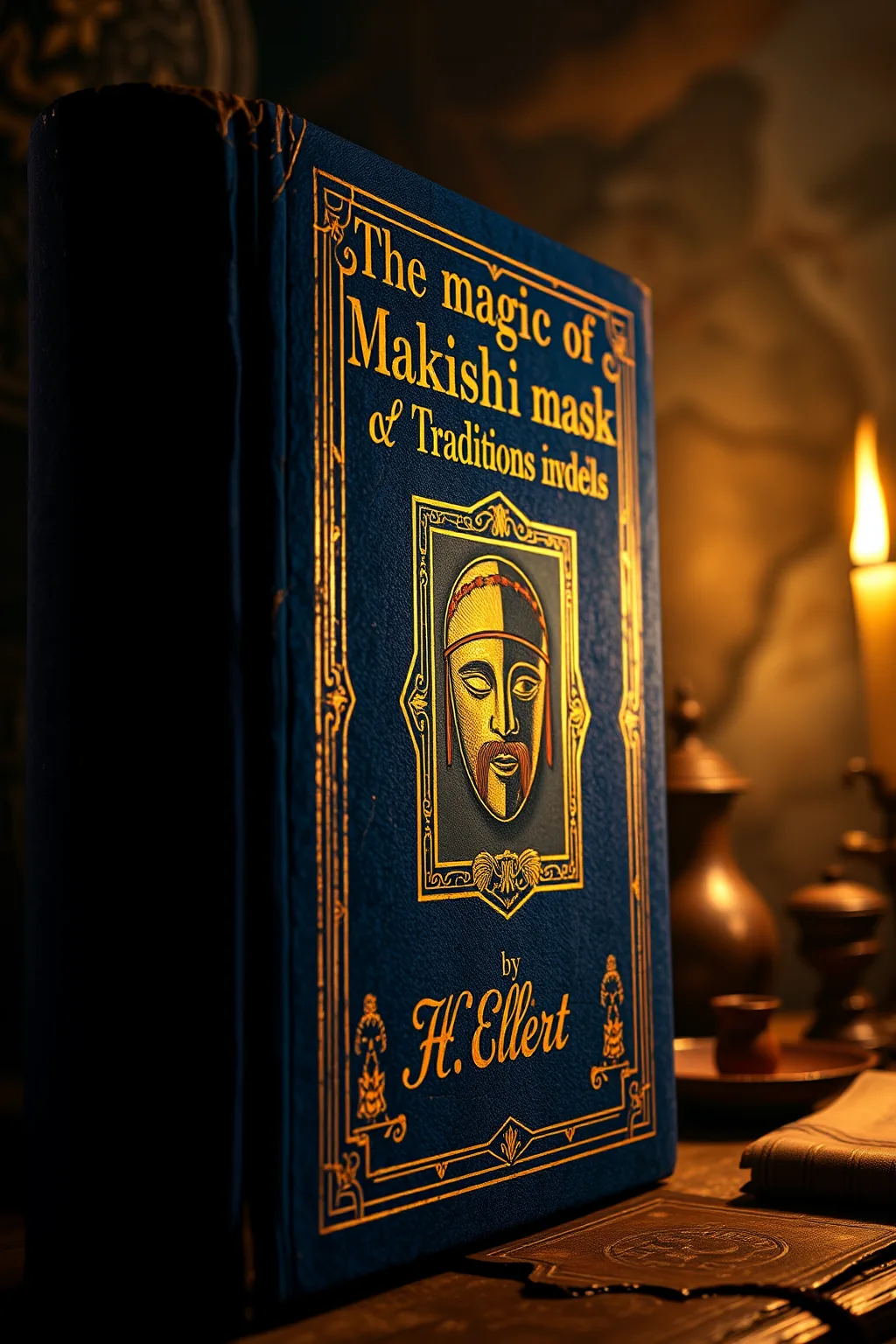
The magic of Makishi masks & traditions in Zambia


Aurelia Blackwood (Occult Philosophy Critic) — H. Ellert's "The Magic of Makishi Masks & Traditions" is a revelation for anyone seeking to grasp the profound esoteric dimensions of African ritual. Ellert masterfully navigates the complex symbolism of the Makishi masks, revealing them as far more than mere artifacts, but as living embodiments of spiritual principles and ancestral power. The book's strength lies in its deep respect for the traditions it explores, offering insights into the transformative nature of the masquerades and their role in maintaining cosmic order. This work is essential for scholars of comparative religion, practitioners of animistic traditions, and seekers of hidden knowledge who wish to understand the potent magic inherent in cultural ritual.
📝 Description
61
H. Ellert's 1987 book deciphers the symbolism of Zambian Makishi masks.
H. Ellert's 1987 study, "The Magic of Makishi Masks & Traditions," examines the complex role of Makishi masquerades in Zambian culture. The book moves beyond a simple ethnographic description to investigate the masks as vital instruments of spiritual communication and ancestral connection. Ellert details the specific iconography of the masks, explaining how their carved forms represent fundamental aspects of existence, from cosmic principles to the progression of life.
The author's research traces the ritualistic use of these objects, illustrating their function in mediating between the physical and spiritual worlds. These traditions guide individuals through crucial life transitions and are presented as integral to maintaining a sense of order. The work aims to reveal the spiritual dimensions inherent in Zambian daily life, showing a worldview where the sacred permeates all aspects of being. This book is for those interested in authentic insights into a living tradition, focusing on the philosophical foundations of ritual and symbolism.
This book engages with esoteric traditions by focusing on the symbolic language and spiritual functions of ritual objects. It examines how the Makishi masks act as conduits for communication with ancestral spirits and embody cosmic principles. The work positions these masks not merely as cultural artifacts but as active agents in maintaining spiritual equilibrium and facilitating transformative experiences for initiates, aligning with a worldview that sees the sacred as interwoven with the fabric of existence.
💡 Why Read This Book?
Uncover the profound spiritual and symbolic power of Zambian Makishi masks. This book offers a rare glimpse into ancient rites, ancestral communication, and the transformative magic embedded within these sacred traditions. Ideal for seekers of esoteric knowledge, cultural anthropologists, and practitioners interested in the deep connections between art, ritual, and the spirit world.
⭐ Reader Reviews
Honest opinions from readers who have explored this book.
❓ Frequently Asked Questions
What are Makishi masks primarily used for?
Makishi masks are central to initiations and rites of passage in Zambian traditions, serving as powerful spiritual entities that guide, teach, and protect initiates, bridging the gap between the living and the ancestral realms.
What kind of symbolism is found in the masks?
The masks embody a rich tapestry of symbolism, representing ancestral spirits, natural forces, social roles, and moral lessons, each element carefully crafted to convey specific spiritual messages and energies.
Does the book discuss the creation process of the masks?
Yes, the book often delves into the artistry and spiritual considerations involved in the carving and adornment of Makishi masks, highlighting the sacred connection between the carver and the spirit the mask is intended to embody.
Is this book suitable for beginners in African studies?
While rich in detail, the book is accessible to beginners interested in esoteric traditions, offering clear explanations of complex concepts and a compelling narrative that draws readers into the subject matter.
What is the philosophical significance of the Makishi traditions?
The traditions underscore a worldview where the spiritual and material are interconnected, emphasizing the importance of ancestral guidance, community cohesion, and the cyclical nature of life and death through potent ritualistic expression.
🔮 Key Themes & Symbolism
The Embodiment of Ancestral Spirits
Makishi masks are not mere objects but are understood as direct manifestations of ancestral spirits, acting as intermediaries between the living and the deceased. Their creation and use are imbued with profound respect and spiritual intention, ensuring that the wisdom and power of the ancestors can actively guide and influence the community. This theme explores how the masks serve as potent conduits for maintaining a living connection to the spiritual lineage, providing guidance, protection, and continuity across generations.
Transformative Rites of Passage
The masquerades are intrinsically linked to critical stages of life, particularly initiations for young men and women. These rituals are designed to facilitate profound personal transformation, stripping away the old self and ushering in a new understanding of social responsibilities and spiritual awareness. The masks, through their imposing presence and symbolic actions, create an atmosphere of awe and reverence, enabling participants to confront challenges, learn sacred knowledge, and emerge as changed individuals ready to contribute to the community's well-being.
Cosmic Harmony and Social Order
Beyond individual transformation, the Makishi traditions play a vital role in upholding the equilibrium of the cosmos and maintaining social order within the community. The rituals often address disruptions, appease spiritual forces, and reinforce moral codes and societal values. The masks, through their performances and interactions, serve as living embodiments of these principles, reminding individuals of their place within the larger spiritual and social fabric, and ensuring that the community functions in accordance with natural and divine laws.
💬 Memorable Quotes
Direct passages from the work, attributed to the author.
“Through the veil of wood, the ancestral voice speaks.”
— This highlights the mask's function as a conduit for ancestral wisdom. The carved form acts as a sacred barrier through which the voices and guidance of the departed can be heard and understood by the living.
“Initiation is the shedding of the old skin, guided by the spirits.”
— This points to the transformative power of the rituals facilitated by the masks. They mark the essential process of personal rebirth and the acquisition of new spiritual understanding under the tutelage of higher powers.
“The dance of the mask is the rhythm of the cosmos.”
— This suggests a profound connection between the ritualistic movements of the masquerades and the fundamental order of the universe. The masked performances echo and reinforce the natural laws and cycles that govern all existence.
“In the gaze of the mask, truth is revealed.”
— This implies that the masks possess an inherent ability to unveil hidden realities and profound truths, acting as a mirror to the soul and a source of sacred insight for those who observe with reverence.
💡 Key Ideas
Editorial paraphrase of the work's core concepts — not direct quotes.
The mask is not an image, but a presence.
This quote emphasizes the dynamic and living nature of the Makishi masks. They are not static representations but active spiritual entities that possess their own power and consciousness, capable of interacting with and influencing the world.
🌙 Esoteric Significance
Tradition
This work studies the esoteric underpinnings of traditional Zambian (specifically Lunda and related groups) spiritual practices, often categorized as animistic or shamanistic. It explores a worldview where the veil between the physical and spiritual realms is thin, and where ancestral spirits, nature spirits, and other unseen forces actively influence human life. The Makishi traditions represent a sophisticated system of maintaining balance, receiving guidance, and facilitating spiritual growth through carefully orchestrated rituals and the potent symbolism of the masks, which are viewed as living entities and conduits of divine energy.
Symbolism
The symbolism of Makishi masks is incredibly rich and many-sided. Beyond aesthetic representation, each mask embodies specific ancestral spirits, social roles, moral lessons, or cosmic forces. Elements such as animal features, geometric patterns, specific colors, and exaggerated facial expressions all carry profound meanings understood within the cultural context. They symbolize the transition from childhood to adulthood, the power of the elders, the mysteries of life and death, and the interconnectedness of all beings with the spiritual universe, acting as keys to unlock deeper spiritual understanding.
Modern Relevance
In a world increasingly driven by materialism and rationalism, the Makishi traditions, as presented by Ellert, offer a potent reminder of the enduring human need for spiritual connection, ritual, and communal wisdom. The book's exploration of transformative rites, ancestral guidance, and the intricate symbolism of the masks appeals to contemporary seekers looking for deeper meaning, alternative forms of healing, and a more holistic understanding of existence. It provides a framework for appreciating the profound psychological and spiritual benefits derived from deeply rooted cultural practices and the power of sacred art.
👥 Who Should Read This Book
This profound work is essential for scholars of African ethnography, comparative religion, and ritual studies seeking an in-depth understanding of Zambian spiritual traditions. Esoteric practitioners and seekers of hidden knowledge will find the symbolic language and ritualistic power of the Makishi masks useful. Those interested in the philosophy of art, the psychology of ritual, and the enduring connection between humanity and the spirit world will also discover invaluable insights. Beginners to these subjects will be drawn in by the evocative descriptions and clear explanations of complex spiritual concepts.
📜 Historical Context
H. Ellert's "The Magic of Makishi Masks & Traditions in Zambia" emerges from a period of significant cultural documentation and scholarly interest in African spiritual practices, particularly in the mid to late 20th century. As many African nations were gaining independence, there was a burgeoning effort to preserve and understand indigenous knowledge systems that had been historically marginalized or misinterpreted by colonial powers. Ellert's work contributes to this vital endeavor, offering an in-depth exploration of a specific and complex tradition. The book reflects an era when researchers sought to move beyond superficial ethnographic descriptions to explore the deeper philosophical, symbolic, and spiritual meanings embedded within cultural expressions, recognizing them as sophisticated systems of thought and practice vital to the identity and well-being of the communities that uphold them. This context underscores the book's value as a proof of the enduring power and relevance of traditional beliefs in a rapidly changing world.
📔 Journal Prompts
Reflect on a time you felt a strong connection to something beyond the material world. How did it manifest?
Consider a personal rite of passage you have experienced. What was shed, and what was gained?
What personal 'masks' do you wear in daily life, and what do they conceal or reveal?
How can the concept of 'ancestral wisdom' be applied to contemporary challenges?
Imagine you are carving a mask to represent a core spiritual truth. What would it look like and what would it symbolize?
🗂️ Glossary
Makishi
A term referring to the masked spirits or ancestral figures central to initiations and ritual performances among various Zambian ethnic groups, particularly the Lunda and Chokwe peoples. These are not mere costumes but perceived as living spiritual entities.
Rites of Passage
Ceremonies or rituals that mark and facilitate an individual's transition from one stage of life to another, such as from childhood to adulthood, often involving symbolic death and rebirth.
Initiation
The process of being formally admitted to a group or to knowledge of secret or mysterious rites or doctrines. In the context of Makishi, it refers to the structured learning and spiritual transformation undertaken by young people.
Ancestral Spirits
The spirits of deceased relatives who are believed to retain an active interest in the affairs of the living and can influence their lives, often acting as intermediaries between humans and the divine.
Cosmic Harmony
The state of balance and order within the universe, encompassing both the spiritual and material realms. Makishi traditions are seen as crucial in maintaining this equilibrium through ritual actions and spiritual guidance.
This book appears in 3 collections
🔮 Readers Also Liked
Browse all →





From the “Ritual Magic” Collection
View all →







More Free Magic & Ritual Books
View all →