Witch of the Demon Seas
 68
68

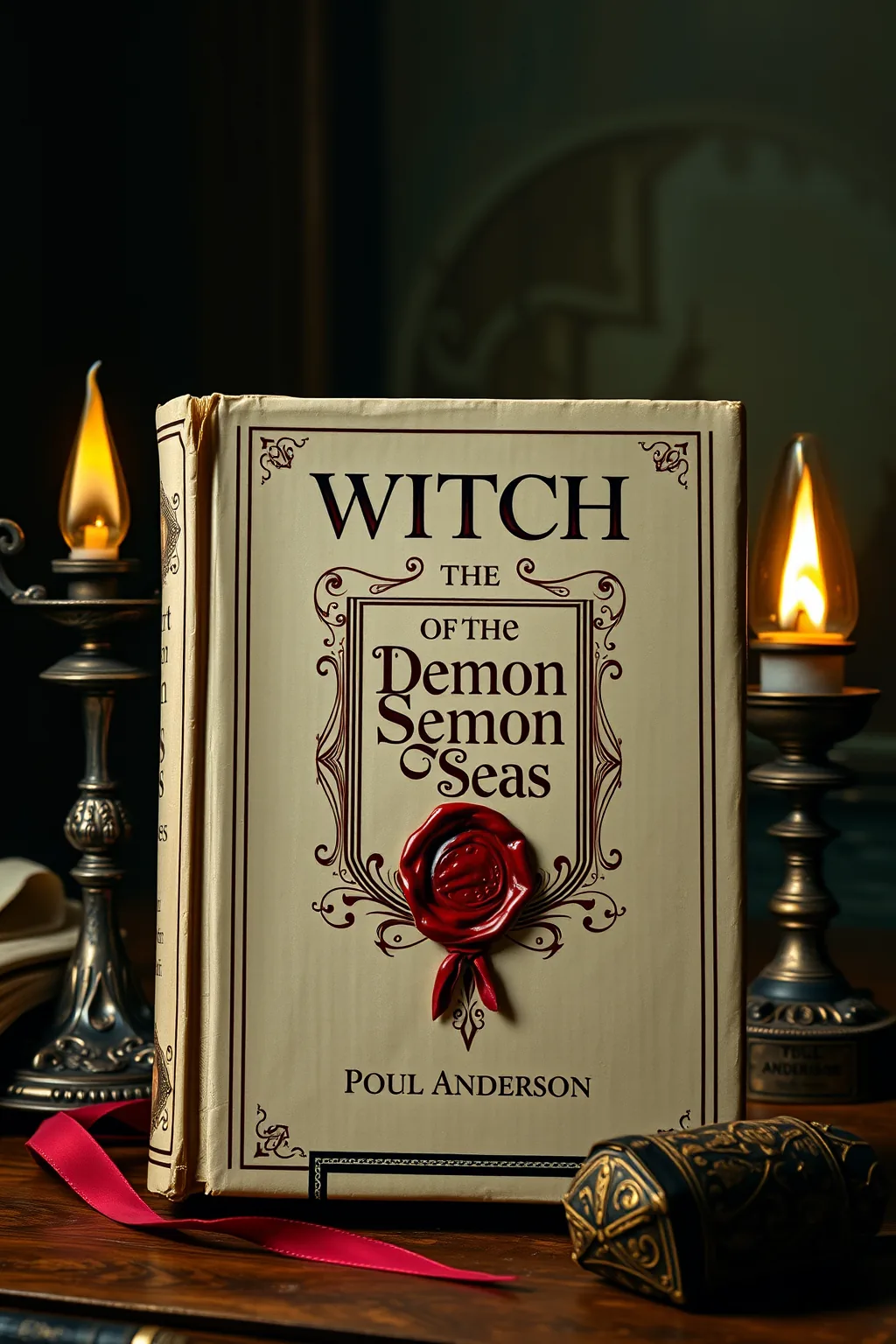
Witch of the Demon Seas



Poul Anderson's 'Witch of the Demon Seas' is a hidden gem in the realm of esoteric literature. Published in 1926, this book seamlessly merges elements of adventure, witchcraft, and science fiction, creating a narrative that is both engaging and thought-provoking. For modern esoteric seekers, this text offers a unique perspective on the interplay between magic and maritime lore, making it a valuable addition to any occult library. Anderson's prose is vivid and evocative, painting a vivid picture of a world where ancient magic and pirate daring coexist. The book's exploration of themes such as the struggle between good and evil, and the allure of forbidden knowledge, makes it a compelling read for those interested in the deeper mysteries of the occult. While some readers might find the language and style dated, the richness of the story and the depth of its themes make 'Witch of the Demon Seas' a worthwhile investment for anyone seeking to expand their understanding of the esoteric.
📝 Description
68
Poul Anderson's 1970 novel 'Witch of the Demon Seas' pits a sorceress against a pirate captain over oceanic magic.
The novel centers on the sorceress Althasar and the pirate Captain Thorkell, who pursue a legendary artifact said to grant control over the sea's hidden powers. Their quest takes them across treacherous waters, confronting supernatural threats and rival factions eager to claim the artifact for themselves. Anderson grounds the fantasy elements in a rough, maritime setting, depicting the harsh realities of life at sea alongside the arcane struggles. The narrative examines the corrupting influence of power and the moral compromises individuals make in its pursuit. It questions whether forbidden knowledge is worth the personal cost. Anderson's characters grapple with their desires and the consequences of wielding extraordinary abilities.
The conflict escalates as Althasar and Thorkell's paths repeatedly intersect, each driven by different motivations. Althasar seeks the artifact to protect herself and her followers, while Thorkell desires it for conquest and wealth. The story also touches on themes of destiny versus free will, as characters confront forces beyond their immediate control. The ocean itself becomes a character, a source of both wonder and immense danger, reflecting the volatile nature of magic and ambition.
Set in 1970, 'Witch of the Demon Seas' draws on a tradition of maritime fantasy that often incorporates elements of the occult and arcane lore. While not strictly a grimoire or ritual text, its depiction of magic and its practitioners aligns with popular esoteric interests of the mid-20th century. The novel reflects an engagement with themes of hidden power, ancient secrets, and the perilous acquisition of forbidden knowledge, common threads in esoteric literature that explore the boundaries between the known and the unknown, the natural and the supernatural. The struggle for control over oceanic forces can be seen as an allegorical representation of internal or external battles waged within esoteric traditions.
✍️ Author

Anderson, Poul
Poul William Anderson ( POH-əl; November 25, 1926 – July 31, 2001) was an American fantasy and science fiction author who was active from the 1940s until his death in 2001. Anderson also wrote historical novels.
💡 Why Read This Book?
Reading 'Witch of the Demon Seas' today offers a unique opportunity to explore the intersection of adventure, witchcraft, and science fiction. This book provides a rich historical context for occult practices and pirate lore, making it an invaluable resource for esoteric seekers. Whether you're looking to deepen your understanding of magical traditions or simply enjoy a thrilling tale, this book delivers on both fronts. The vivid storytelling and intricate plotlines make it a captivating read, while the exploration of mystical themes adds depth and intrigue.
⭐ Reader Reviews
Honest opinions from readers who have explored this book.
❓ Frequently Asked Questions
What makes 'Witch of the Demon Seas' a unique read?
'Witch of the Demon Seas' stands out due to its blend of adventure, witchcraft, and science fiction, creating a narrative that is both engaging and thought-provoking.
Is this book suitable for modern esoteric seekers?
Yes, the book offers a unique perspective on the interplay between magic and maritime lore, making it a valuable addition to any occult library.
What themes does 'Witch of the Demon Seas' explore?
The book delves into themes such as the power of ancient magic, the struggle between good and evil, and the allure of forbidden knowledge.
🔮 Key Themes & Symbolism
The Struggle Between Light and Darkness
The narrative explores the eternal conflict between good and evil, knowledge and ignorance. This theme is woven into the fabric of the story, making it a profound exploration of the human condition.
Hidden Knowledge and Ancient Symbolism
Anderson studies the mysteries of hidden knowledge and ancient rituals, using symbolism to enrich the narrative. This theme is central to the book's esoteric appeal.
The Price of Power
The story examines the consequences of seeking power and the sacrifices one must make. This theme adds depth to the characters and their motivations, making it a thought-provoking read.
💡 Key Ideas
Editorial paraphrase of the work's core concepts — not direct quotes.
"The sea holds secrets beyond our imagination."
This line underscores the mystique of the ocean and the hidden knowledge it contains.
"Power comes at a price, and the price is often one's soul."
This quote highlights the philosophical depth of the narrative, exploring the consequences of seeking power.
"In the depths of the sea, ancient magic still lingers."
This passage emphasizes the esoteric themes and the strong symbolism found throughout the book.
"The battle between light and darkness rages on, unseen by mortal eyes."
This line captures the eternal struggle between good and evil, a central theme in the story.
"Knowledge is a double-edged sword, cutting both ways."
This quote underscores the dangers and rewards of seeking hidden knowledge, a key theme in the novel.
🌙 Esoteric Significance
Tradition
This book belongs to the Hermetic tradition, exploring themes of hidden knowledge and ancient rituals. It draws on the mysteries of the sea and the power of symbolism to enrich its narrative.
Symbolism
Key symbols in the book include the ocean as a repository of hidden knowledge, the struggle between light and darkness, and the price of power. These symbols add depth to the story and its esoteric appeal.
Modern Relevance
Today, 'Witch of the Demon Seas' continues to inspire practitioners of the occult and those seeking esoteric wisdom. Its themes of hidden knowledge and ancient rituals remain relevant, making it a valuable resource for modern seekers.
👥 Who Should Read This Book
Beginners in the occult will find 'Witch of the Demon Seas' an accessible and fascinating introduction to mystical themes. Scholars of esoteric traditions will appreciate its deep philosophical insights and strong symbolism. Spiritual seekers will be drawn to its exploration of the struggle between light and darkness, while practitioners of witchcraft and paganism will find it a valuable resource for understanding ancient rituals and hidden knowledge.
📜 Historical Context
Written during a time of renewed interest in occult and mystical themes, 'Witch of the Demon Seas' reflects the era's fascination with hidden knowledge and ancient rituals. The book draws on historical maritime lore and mystical traditions, making it a mix of adventure and esoteric wisdom. Its influence can be seen in later works that combine adventure with occult elements, solidifying its place in the canon of mystical literature.
📔 Journal Prompts
Reflect on the symbolism of the ocean in the story and what hidden knowledge it might represent.
Consider the consequences of seeking power and the sacrifices one must make.
Explore the eternal struggle between light and darkness in your own life and how it manifests.
What role does hidden knowledge play in your spiritual journey?
How does the narrative of 'Witch of the Demon Seas' challenge or reinforce your beliefs about the occult?
🗂️ Glossary
Hermetic Tradition
A philosophical and spiritual tradition based on the teachings attributed to Hermes Trismegistus, focusing on hidden knowledge and ancient rituals.
Esoteric
Relating to knowledge that is understood by only a small number of people with special knowledge or interest.
Symbolism
The use of symbols to represent ideas or qualities, often in a literary or artistic context.
Occult
Relating to supernatural, mystical, or magical phenomena, often involving hidden knowledge and practices.
Paganism
A term used to describe various polytheistic and nature-based religious traditions, often involving the worship of multiple deities and the veneration of nature.
This book appears in 2 collections
🔮 Readers Also Liked
Browse all →


From the “Witchcraft” Collection
View all →







More Free Witchcraft & Paganism Books
View all →