Daughter of the Night
 68
68

Daughter of the Night

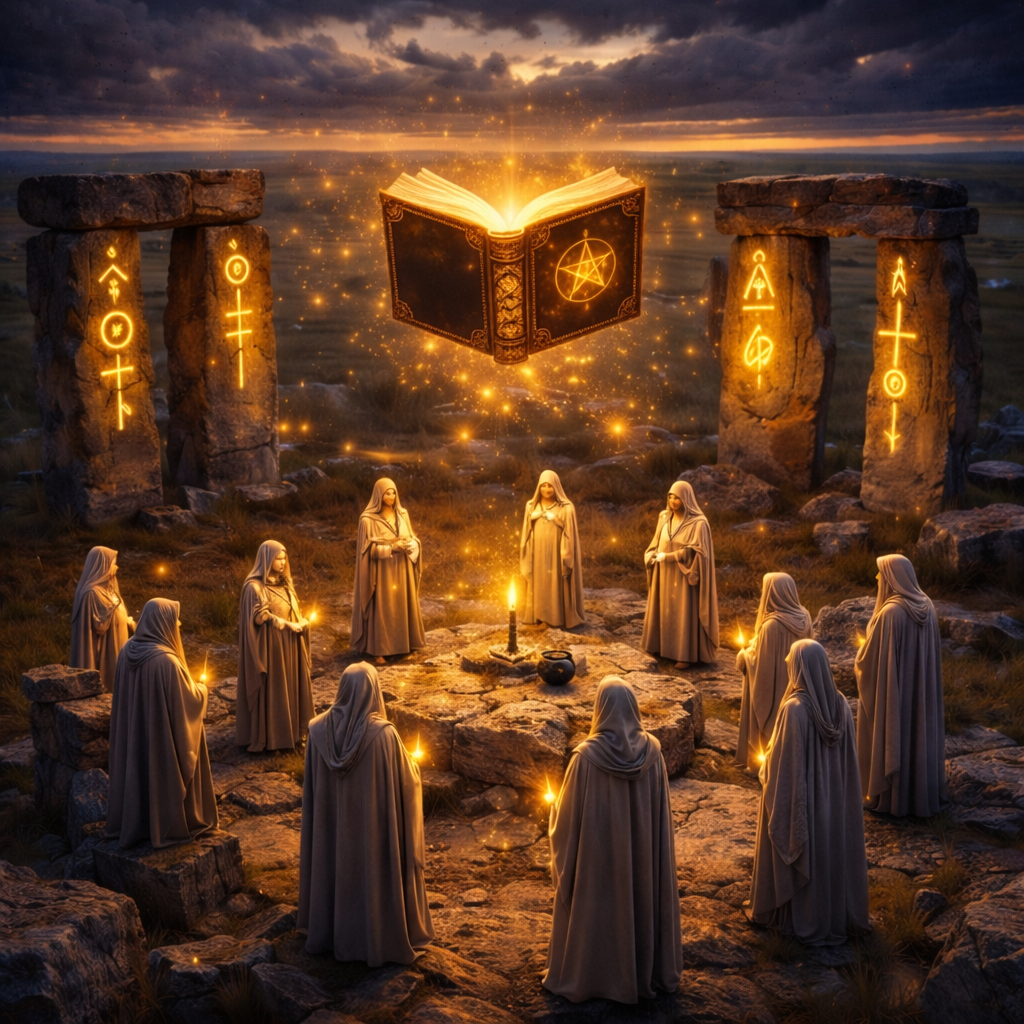

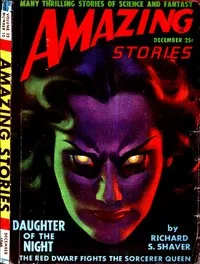
Daughter of the Night by Richard S. Shaver is a hidden gem for modern esoteric seekers. Published in 1907, the book offers a deep dive into the occult and magical practices of the early 20th century, providing a rich historical context for contemporary readers. Shaver's exploration of magic and ritual is both thorough and imaginative, making it a valuable resource for those interested in the esoteric arts. The novel's fantasy elements are seamlessly integrated with its occult themes, creating a compelling narrative that stands the test of time. For modern readers, Daughter of the Night serves as a bridge between the mystical traditions of the past and the esoteric pursuits of the present. It is a must-read for anyone seeking to understand the deeper layers of magic and ritual.
📝 Description
68
Richard S. Shaver's 'Daughter of the Night' presents a unique vision of hidden worlds and psychic forces.
'Daughter of the Night' by Richard S. Shaver invites readers into a narrative blending fictional elements with occult concepts. The book details a cosmology where unseen energies and subterranean civilizations influence human affairs. Shaver's writing often reflects his personal experiences and beliefs concerning these hidden realities, presenting them as tangible forces at work in the world. The story explores themes of ancient myths, psychic perception, and the possibility of forgotten knowledge influencing contemporary existence.
This work acts as a conduit for understanding Shaver's particular brand of esoteric thought. It is structured around narratives that aim to convey his complex ideas about the earth's inner structure and the beings that inhabit it. Readers will encounter descriptions of peculiar phenomena and the potential for human consciousness to interact with these dimensions. The book serves as an introduction to a worldview that perceives a hidden layer to everyday reality.
Richard S. Shaver's work emerged from a post-World War II milieu interested in fringe science, hidden histories, and psychic phenomena. He is best known for his "Dero and Tero" stories published in Amazing Stories magazine, which described a subterranean race and their influence on surface dwellers. 'Daughter of the Night' continues this vein, aligning with traditions that posit hidden worlds or dimensions influencing human life, often drawing parallels with gnostic ideas or ancient astronaut theories, albeit through a highly personal and often unsettling lens.
✍️ Author
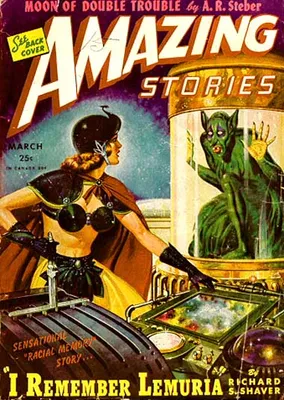
Shaver, Richard S.
Richard Sharpe Shaver (October 8, 1907 – November 5, 1975) was an American writer and artist who achieved notoriety in the years following World War II as the author of controversial stories which were printed in science fiction magazines (primarily Amazing Stories). Shaver claimed that he had personal experience of a sinister ancient civilization that harbored fantastic technology in caverns under the earth.
💡 Why Read This Book?
Reading Daughter of the Night today offers a unique opportunity to explore the esoteric and occult practices of the early 20th century. The book provides valuable insights into the mystical traditions that have shaped modern esoteric thought. For fantasy fiction enthusiasts, it offers a richly detailed world of magic and ritual, making it a captivating read. Additionally, the historical context of the novel provides a deeper understanding of the spiritual and mystical currents that have influenced contemporary esoteric practices.
⭐ Reader Reviews
Honest opinions from readers who have explored this book.
❓ Frequently Asked Questions
Is Daughter of the Night suitable for beginners in esoteric studies?
Yes, the book provides a foundational understanding of magic and ritual, making it accessible for beginners while offering depth for more experienced readers.
What makes Daughter of the Night unique compared to other occult books?
Daughter of the Night stands out for its blend of fantasy fiction and esoteric lore, offering a richly imagined world that brings occult practices to life.
How does Daughter of the Night reflect the spiritual currents of its time?
The novel captures the mystical and spiritual interests of the early 20th century, providing a historical snapshot of the esoteric practices that were emerging during that era.
🔮 Key Themes & Symbolism
Hidden Knowledge
One of the central themes in 'Daughter of the Night' is the exploration of hidden knowledge. The narrative looks at ancient rituals and esoteric practices, revealing the mysteries that lie beneath the surface of reality. This theme resonates deeply with those interested in the occult and the pursuit of mystical truths.
Symbolism and Ritual
The book is rich in symbolism and ritualistic detail, creating a vivid and immersive world. Shaver's use of symbols and rituals serves as a gateway to deeper understanding and spiritual enlightenment, making it a valuable resource for practitioners of the occult.
Philosophical Depth
Beyond its fantastical elements, 'Daughter of the Night' offers profound philosophical insights. The narrative explores the nature of reality, the power of belief, and the interconnectedness of all things, providing a collection of thought for readers to ponder.
💡 Key Ideas
Editorial paraphrase of the work's core concepts — not direct quotes.
In the heart of the night, the secrets of the ancients are revealed.
This quote underscores the book's exploration of hidden knowledge and the mystical power of rituals.
The veil between worlds is thin, and those who seek can cross.
This line highlights the theme of crossing the boundary between the seen and unseen, a central motif in the narrative.
Magic is not a trick but a way of understanding the universe.
This quote emphasizes the philosophical depth of the book, suggesting that magic is a path to enlightenment.
Symbols hold the power to shape reality.
This passage underscores the importance of symbolism in the book, showing how symbols can unlock deeper truths.
The journey into the unknown is the path to true wisdom.
This quote reflects the book's exploration of the pursuit of mystical knowledge and the transformative power of the unknown.
🌙 Esoteric Significance
Tradition
'Daughter of the Night' belongs to the Hermetic tradition, drawing heavily from ancient magical practices and esoteric wisdom. The book's exploration of hidden knowledge and ritualistic detail places it firmly within this esoteric framework.
Symbolism
Key symbols in the book include ancient runes, mystical sigils, and archetypal figures. These symbols serve as gateways to deeper understanding and spiritual enlightenment, reflecting the collection of esoteric lore.
Modern Relevance
The themes and practices explored in 'Daughter of the Night' remain relevant today, with many modern practitioners drawing inspiration from Shaver's work. The book's exploration of hidden knowledge and the power of rituals continues to influence contemporary occult practices and esoteric studies.
👥 Who Should Read This Book
Beginners in the occult will find 'Daughter of the Night' an accessible and enlightening introduction to the world of magic and ritual. Scholars of esoteric literature will appreciate the book's detailed symbolism and philosophical depth. Spiritual seekers will be drawn to the narrative's exploration of hidden knowledge and the mystical power of rituals. Practitioners of the occult will find valuable insights and practices to incorporate into their own spiritual journeys.
📜 Historical Context
Published in an era of burgeoning interest in the occult and esoteric arts, 'Daughter of the Night' by Richard S. Shaver captures the spirit of the time. The mid-20th century saw a resurgence in interest in magical practices and hidden knowledge, with many seeking to uncover the mysteries of the universe. Shaver's work contributed to this movement, offering a blend of fantasy and esoteric wisdom that resonated with readers. The book's influence can still be seen in contemporary literature and occult practices, making it a timeless classic.
📔 Journal Prompts
Reflect on a time when you felt the presence of hidden knowledge in your life.
How do symbols and rituals influence your understanding of the universe?
Consider the philosophical depth of 'Daughter of the Night'. What insights resonate with you?
Explore the theme of the veil between worlds. How does this concept apply to your own spiritual journey?
What magical practices or rituals from the book do you find most intriguing?
🗂️ Glossary
Hermetic Tradition
A system of esoteric philosophy based on the writings of Hermes Trismegistus, emphasizing the pursuit of hidden knowledge and spiritual enlightenment.
Ancient Runes
Symbols used in ancient magical practices, often associated with divination and protection.
Mystical Sigils
Symbols used in magical rituals to invoke or manifest specific desires or intentions.
Archetypal Figures
Universal symbols or patterns that recur in the collective unconscious, often representing fundamental human experiences.
Esoteric Lore
The body of knowledge and practices associated with the occult and mystical arts, often hidden from the uninitiated.
This book appears in 10 collections
🔮 Readers Also Liked
Browse all →

From the “Transcendental Meditation” Collection
View all →







More Free Magic & Ritual Books
View all →