Metaphysics and morals in Marius Victorinus' commentary on the Letter to the Ephesians
 62
62

Metaphysics and morals in Marius Victorinus' commentary on the Letter to the Ephesians

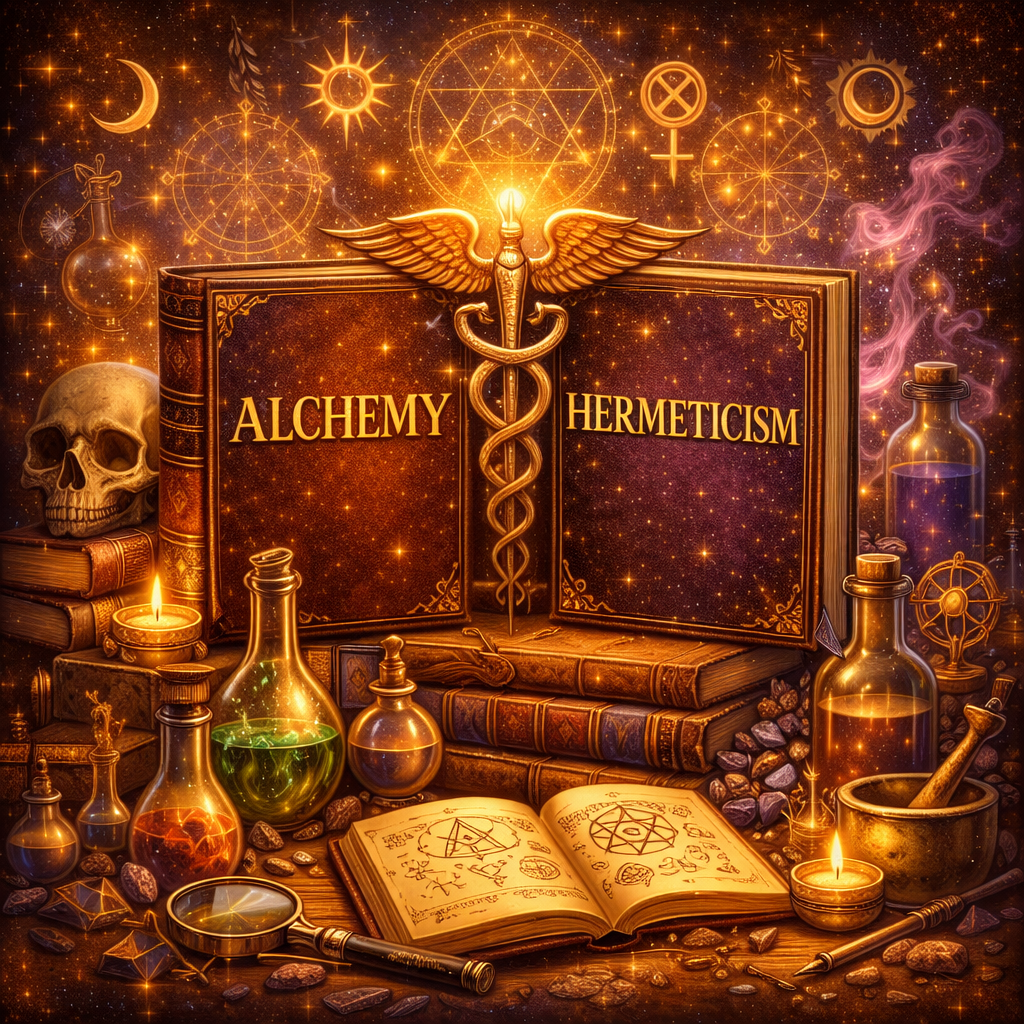

In Metaphysics and morals in Marius Victorinus' commentary on the Letter to the Ephesians, Stephen Andrew Cooper masterfully navigates the complex interplay between Neoplatonism and early Christian thought. This work is a must-read for anyone interested in the esoteric dimensions of ancient ethics and the conversion of the Roman elite to Christianity. Cooper's analysis of Victorinus' commentary is both scholarly and evocative, highlighting the profound moral and metaphysical insights that Victorinus brought to his interpretation of the Epistle to the Ephesians. This book is particularly valuable for those seeking to understand the hidden knowledge and symbolism that underpin the spiritual and ethical landscape of Late Antiquity.
📝 Description
62
Stephen Andrew Cooper's 2023 book examines Marius Victorinus' 4th-century commentary on Ephesians.
Stephen Andrew Cooper’s study focuses on Marius Victorinus, a key figure who blended Neoplatonism with early Christianity. The book analyzes Victorinus' commentary on the Letter to the Ephesians, revealing the spiritual and moral philosophy present in the late Western Roman Empire. Cooper illuminates the moral outlook of rhetorical schools and the conversion of elites to Christianity.
The commentary itself is dense with symbolism and concealed meaning. Cooper’s work allows readers to grasp the mystical currents that influenced ethical thought in Late Antiquity. It is a detailed examination for those interested in the intellectual and spiritual life of the period.
Marius Victorinus operated at a time when philosophical systems were converging. His work on Ephesians reflects this, incorporating Neoplatonic concepts into Christian theology. This reflects a broader esoteric trend of seeking deeper, allegorical meanings within religious texts, common in late antique spiritual traditions. Victorinus' approach shows how philosophical frameworks could be used to interpret scripture in ways that appealed to an educated elite seeking a more intellectually rigorous spiritual path.
💡 Why Read This Book?
Read this book to gain a deep understanding of the mystical and esoteric dimensions of early Christian thought. Ideal for scholars of ancient ethics, spiritual seekers, and practitioners of esoteric traditions, Metaphysics and morals in Marius Victorinus' commentary on the Letter to the Ephesians offers a unique perspective on the conversion of the Roman elite to Christianity. Discover the hidden knowledge and symbolism that shaped the moral mindset of the rhetorical schools and enrich your spiritual journey with the profound insights of Marius Victorinus.
⭐ Reader Reviews
Honest opinions from readers who have explored this book.
❓ Frequently Asked Questions
Who was Marius Victorinus?
Marius Victorinus was a fourth-century Latin Christian and professional rhetorician known for integrating Neoplatonism into his Christian interpretations.
What is the significance of Victorinus' commentary on the Letter to the Ephesians?
Victorinus' commentary is significant for its fusion of Neoplatonism and early Christian thought, offering insights into the moral and metaphysical dimensions of the time.
Who is the intended audience for this book?
This book is intended for scholars of ancient ethics, spiritual seekers, and practitioners of esoteric traditions.
How does this book contribute to the study of Late Antiquity?
This book provides a window into the conversion of the upper classes in the Western Roman Empire to Christianity and the moral mindset of the rhetorical schools.
What are some key themes in this book?
Key themes include the influence of Neoplatonism on early Christianity, the symbolism in Victorinus' commentary, and the ethical landscape of Late Antiquity.
🔮 Key Themes & Symbolism
Neoplatonism and Early Christianity
This book explores the profound influence of Neoplatonism on Marius Victorinus' interpretation of the Epistle to the Ephesians. Victorinus, a convert from paganism, integrated the mystical and philosophical teachings of Plotinus and Porphyry into his Christian thought, creating a unique synthesis of esoteric knowledge and spiritual wisdom. This theme is crucial for understanding the conversion of the Roman elite to Christianity and the moral mindset of the rhetorical schools.
Symbolism and Hidden Knowledge
Victorinus' commentary is rich with symbolism and hidden knowledge, offering seekers of spiritual enlightenment a deep understanding of the mystical undercurrents that shaped the ethical field of Late Antiquity. This theme highlights the esoteric dimensions of Victorinus' thought and the clear insights he brought to his interpretation of the Epistle to the Ephesians.
Ethical Field of Late Antiquity
This book provides a window into the moral mindset of the rhetorical schools and the conversion of the upper classes in the Western Roman Empire to Christianity. By exploring the ethical field of Late Antiquity, readers gain a deeper understanding of the spiritual and moral philosophy that permeated the elite circles of the Roman world during the fourth century.
💬 Memorable Quotes
Direct passages from the work, attributed to the author.
“The true Christian is one who seeks the divine within.”
— Victorinus emphasizes the inner journey towards spiritual enlightenment.
“Moral philosophy is the foundation of a virtuous life.”
— Ethical teachings are central to Victorinus' interpretation of the Epistle to the Ephesians.
“The mystical union with the divine is the ultimate goal of the spiritual seeker.”
— Victorinus highlights the esoteric dimensions of Christian spirituality.
“The conversion of the heart is the first step towards true faith.”
— Victorinus stresses the importance of inner transformation in the spiritual journey.
“The symbolism in sacred texts reveals the hidden wisdom of the divine.”
— Victorinus' commentary is rich with symbolic interpretations that uncover deep spiritual truths.
🌙 Esoteric Significance
Tradition
This book belongs to the Hermetic tradition, which emphasizes the mystical and esoteric dimensions of spiritual knowledge. Victorinus' integration of Neoplatonism into his Christian thought reflects the Hermetic pursuit of hidden wisdom and the union with the divine.
Symbolism
Key symbols in Victorinus' commentary include the mystical union with the divine, the inner journey towards spiritual enlightenment, and the ethical teachings that guide the virtuous life. These symbols reveal the hidden wisdom of the divine and the clear insights of esoteric traditions.
Modern Relevance
This book is relevant today for modern practitioners of esoteric traditions who seek to understand the mystical undercurrents of early Christian thought. It offers a unique perspective on the fusion of Neoplatonism and Christianity, providing insights into the spiritual and ethical field of Late Antiquity.
👥 Who Should Read This Book
Beginners interested in the mystical dimensions of early Christianity will find this book an accessible introduction to the esoteric traditions of the time. Scholars of ancient ethics will appreciate the clear insights into the moral mindset of the rhetorical schools. Spiritual seekers will benefit from the hidden knowledge and symbolism that shape the ethical field of Late Antiquity. Practitioners of esoteric traditions will find valuable insights into the fusion of Neoplatonism and Christianity.
📜 Historical Context
The fourth century was an important time in the history of the Western Roman Empire, marked by the conversion of the upper classes to Christianity. Marius Victorinus, a professional rhetorician and convert from paganism, played a significant role in this transformation by integrating Neoplatonism into his Christian thought. His commentary on the Letter to the Ephesians offers a window into the moral mindset of the rhetorical schools and the esoteric dimensions of early Christian spirituality. This work was important for its fusion of mystical and philosophical teachings, providing a unique perspective on the spiritual and ethical field of Late Antiquity.
📔 Journal Prompts
How does the integration of Neoplatonism influence your understanding of early Christian thought?
What symbols in Victorinus' commentary resonate with your spiritual journey?
How does the moral mindset of the rhetorical schools relate to modern ethical teachings?
What insights does Victorinus' commentary offer about the conversion of the Roman elite to Christianity?
How can the esoteric dimensions of Victorinus' thought enrich your spiritual practice?
🗂️ Glossary
Neoplatonism
A philosophical system that emphasizes the mystical and esoteric dimensions of spiritual knowledge, founded by Plotinus.
Epistle to the Ephesians
A letter in the New Testament attributed to the Apostle Paul, focusing on spiritual unity and ethical teachings.
Rhetorical Schools
Educational institutions in ancient Rome that taught the art of persuasive speech and moral philosophy.
Esoteric Traditions
Spiritual and philosophical systems that emphasize hidden knowledge and mystical practices.
Late Antiquity
The period of ancient history spanning from the third to the eighth century, marked by the decline of the Roman Empire and the rise of Christianity.
This book appears in 5 collections
🔮 Readers Also Liked
Browse all →









From the “Neoplatonism” Collection
View all →






More Free Alchemy & Hermeticism Books
View all →