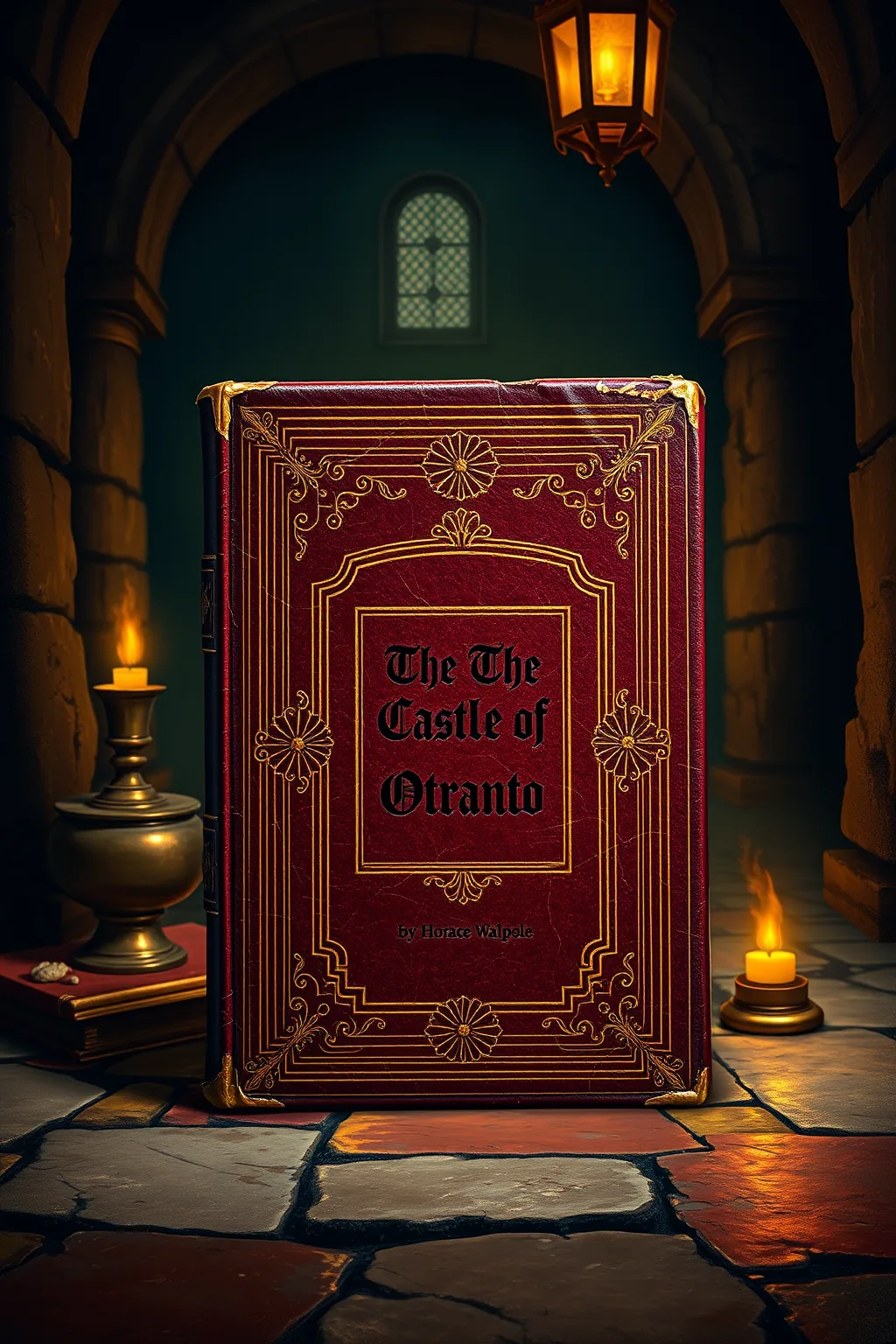
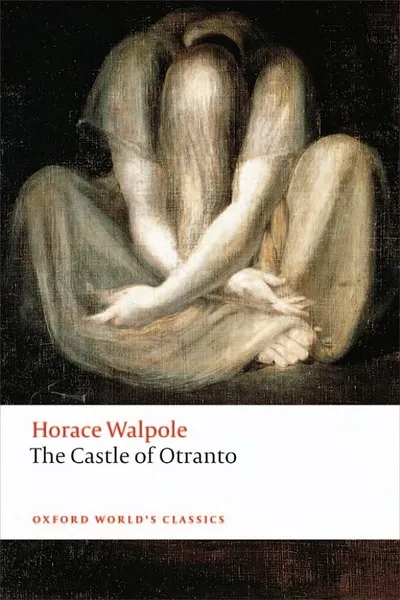
The Castle of Otranto
 83
83

The Castle of Otranto


Alaric Kestrel, Metaphysical Studies Reviewer — 'The Castle of Otranto' stands as a monumental achievement in Gothic literature, a foundational text for understanding the interplay of the mundane and the mystical. Walpole's narrative masterfully evokes a palpable sense of ancient dread, exploring themes of inherited karma and the inescapable influence of ancestral forces. The crumbling castle itself becomes a potent symbol of a lineage burdened by dark secrets and supernatural entanglements. For the discerning reader, this work offers profound insights into the psychological manifestations of guilt and fear, revealing how the past can haunt the present through spectral echoes and cosmic justice. It’s an essential read for anyone interested in the esoteric roots of Western literature and the enduring power of the supernatural.
📝 Description
83
Horace Walpole published 'The Castle of Otranto' in 1764, initiating the Gothic novel.
Horace Walpole's 1764 novella, 'The Castle of Otranto,' tells the story of Manfred, a usurping prince who seeks to secure his lineage through marriage. His tyrannical actions, however, unleash a series of supernatural events tied to a prophecy concerning the castle itself. A giant spectral knight, a disembodied hand, and the ghost of a former ruler all appear, disrupting Manfred's plans and revealing the castle's dark history. The narrative blends elements of medieval romance with emerging horror tropes.
Set within a crumbling Italian fortress, the story focuses on Manfred's desperate attempts to defy fate and supernatural intervention. The castle's very structure seems to participate in the unfolding drama, its ancient walls echoing with the past. Walpole uses these elements to create an atmosphere of dread and suspense, exploring themes of destiny, usurpation, and the return of the repressed. The novella's brevity belies its significant impact on subsequent literature.
While not explicitly occult in the modern sense, 'The Castle of Otranto' taps into a late 18th-century fascination with the supernatural and the uncanny. It draws on folklore and medieval legends, presenting a world where spectral presences and ancient prophecies hold sway over human affairs. The narrative’s focus on inherited sin and the return of the dead can be seen as reflecting broader cultural anxieties about the past’s hold on the present, a common thread in esoteric thought.
✍️ Author
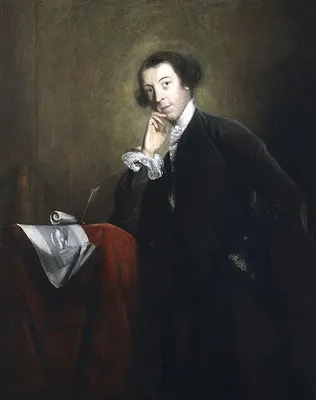
Horace Walpole
Horace Walpole was a British writer, historian, and antiquarian, known for Strawberry Hill House.
💡 Why Read This Book?
Embark on a journey into the primal origins of Gothic fiction. 'The Castle of Otranto' offers a potent blend of medieval enchantment and supernatural dread, unveiling themes of fate, prophecy, and the haunting power of the past. Ideal for seekers of esoteric lore, literary scholars, and practitioners intrigued by the manifestation of the subconscious in narrative. This foundational text will ignite your imagination and deepen your understanding of the uncanny.
⭐ Reader Reviews
Honest opinions from readers who have explored this book.
❓ Frequently Asked Questions
What makes 'The Castle of Otranto' the first Gothic novel?
It established key tropes like a medieval setting, a sense of dread, supernatural events, and an ancient, foreboding castle, setting the template for the genre that followed.
Are there actual supernatural entities in the book?
Yes, the narrative features spectral apparitions, disembodied limbs, and a giant spectral knight, blurring the lines between reality and the supernatural.
What is the role of fate and prophecy?
Fate and prophecy are central, driving the plot and revealing the inescapable destiny of the characters, often tied to ancient curses and omens.
Who is the intended audience for this book?
It appeals to readers interested in classic literature, the origins of Gothic horror, and those fascinated by tales of the supernatural and psychological suspense.
How does the castle function as a character?
The castle is more than a setting; it's an active participant, filled with hidden passages, ancient secrets, and a palpable sense of malevolence that mirrors the characters' internal turmoil.
🔮 Key Themes & Symbolism
The Weight of Ancestry and Curse
The novel deeply explores the concept of inherited destiny, where the sins and curses of past generations cast a long shadow over the present. Characters are bound by ancient prophecies and familial maledictions, suggesting an inescapable cosmic justice or fate. This theme looks at how the actions and unresolved energies of ancestors can manifest in the lives of their descendants, creating a palpable sense of doom and predetermined suffering. It’s a potent exploration of karma and the unseen threads that connect us to those who came before.
The Manifestation of the Unseen
Walpole masterfully blurs the boundaries between the physical and the spectral. Supernatural occurrences are not mere embellishments but integral to the narrative's fabric, driving the plot and instilling a profound sense of unease. This theme examines how psychological fears and repressed anxieties can find tangible form, manifesting as spectral apparitions, disembodied limbs, and overwhelming omens. The castle itself becomes a vessel for these spectral energies, a place where the veil between worlds is thin and the unseen exerts its influence.
The Psychology of Terror and Guilt
'The Castle of Otranto' looks at the darkest corners of the human psyche, exploring how guilt, fear, and ambition can lead to monstrous acts. The tyrannical rulers and their desperate attempts to maintain power, often through morally reprehensible means, highlight the corrupting influence of unchecked desire. The pervasive sense of dread and the characters' reactions to supernatural events reveal their internal struggles and the psychological toll of living under a curse. It's a foundational text for understanding how external horror can mirror internal turmoil.
💬 Memorable Quotes
Direct passages from the work, attributed to the author.
“The castle and the domain of Otranto have been for some centuries in the possession of my family.”
— This sets the stage for the deep historical and familial roots of the curse, emphasizing the weight of lineage and the long-standing presence of the dark forces at play.
“The moment I beheld him, my heart foretold that some disaster would befall us.”
— A classic premonition, highlighting the pervasive sense of impending doom and the intuitive understanding of supernatural forces at work.
“A large helmet…was discovered in the courtyard of the castle.”
— A tangible, yet uncanny, artifact that serves as a direct physical manifestation of the spectral presence, initiating the overt supernatural events.
“The helmet…was no sooner lifted than a groan was heard.”
— This emphasizes the direct correlation between disturbing ancient remnants and the awakening of spectral energies, signaling the release of pent-up supernatural power.
“A black charger, of a size and fierceness that would have become the barbarous heart of the giant.”
— This vivid description conjures an image of a monstrous, supernatural steed, embodying the untamed and terrifying forces unleashed upon the characters.
🌙 Esoteric Significance
Tradition
While not explicitly tied to a single occult tradition, 'The Castle of Otranto' appeals to archetypal themes found in Hermeticism and Gnosticism. The concept of a pervasive, ancient curse and the inescapable influence of fate echo the Hermetic principle of 'As Above, So Below,' suggesting a cosmic order governing earthly events. The narrative's exploration of hidden knowledge, ancestral burdens, and the manifestation of primordial fears aligns with Gnostic ideas of a fallen world and the struggle against malevolent forces, hinting at a spiritual battleground within the human psyche and the physical environment.
Symbolism
The crumbling castle itself is a potent symbol of decay, a haunted lineage, and the physical manifestation of a cursed past. The giant helmet represents the overwhelming power of ancient forces and the futility of human defense against them. The spectral knight embodies the vengeful spirit of a wronged ancestor or a primordial entity. The disembodied limbs and spectral apparitions symbolize the fragmented nature of the psyche under duress and the tangible intrusion of the supernatural into the mundane, reflecting the breakdown of rational order and the emergence of primal terrors.
Modern Relevance
In an era increasingly fascinated by the subconscious, ancestral healing, and the power of narrative, 'The Castle of Otranto' remains remarkably relevant. Its exploration of how past trauma can manifest across generations speaks to contemporary understandings of intergenerational trauma and the lingering effects of historical injustices. The novel’s atmospheric dread and exploration of the uncanny continue to captivate, tapping into a modern yearning for mystery and the acknowledgment of forces beyond empirical understanding, making it a foundational text for exploring the enduring power of the supernatural in literature and consciousness.
👥 Who Should Read This Book
This key work is essential for literary scholars and students of Gothic literature seeking the genre's origins. Seekers of esoteric knowledge will find profound symbolic resonance and explorations of fate and the supernatural. Practitioners interested in the manifestation of archetypal energies and the psychological impact of ancient lore will discover a wide range of themes. Beginners to classic literature will find a captivating and accessible entry point into a foundational genre, while seasoned readers will appreciate its enduring power and influence on subsequent works of mystery and horror.
📜 Historical Context
Published in 1764, 'The Castle of Otranto' emerged during the Enlightenment, a period often characterized by reason and empirical observation. Yet, it tapped into a burgeoning fascination with the past, the irrational, and the sublime—sentiments that would fuel the Romantic movement. Horace Walpole, an antiquarian and a keen observer of societal shifts, deliberately sought to fuse medieval romance with contemporary sensibilities of terror. The novel's reception was initially ambiguous, with some dismissing its supernatural elements, but its innovative blend of gothic architecture, ancestral curses, and psychological suspense resonated deeply, laying the groundwork for a genre that would explore the darker, more mysterious aspects of human experience and the spiritual realm, directly influencing writers like Ann Radcliffe and the Brontë sisters.
📔 Journal Prompts
How does the setting of the castle influence the mood and events of the story?
What does the recurring motif of the giant helmet symbolize to you?
Explore the concept of inherited guilt and its impact on the characters.
How do the characters' reactions to the supernatural reveal their inner states?
In what ways does 'The Castle of Otranto' foreshadow modern explorations of psychological horror?
🗂️ Glossary
Gothic Novel
A genre of fiction characterized by mystery, horror, and supernatural elements, often set in ancient castles or decaying mansions with a sense of dread and suspense.
Medieval Romance
A literary genre popular in the Middle Ages, often featuring knights, chivalry, quests, and themes of love and adventure, which Walpole blended with supernatural elements.
Supernatural
Attributed to phenomena or beings beyond the natural world and its known laws, such as ghosts, spirits, or omens.
Prophecy
A prediction of future events, often divinely inspired or based on omens, which plays an important role in driving the narrative and shaping characters' destinies.
Archetype
A recurring symbolic image, character type, or narrative pattern that appears in myths, literature, and dreams, often representing universal human experiences or primordial forces.
This book appears in 1 collection
🔮 Readers Also Liked
Browse all →




More by Horace Walpole
All books →

From the “Transcendental Meditation” Collection
View all →




More Free Supernatural & Occult Fiction Books
View all →