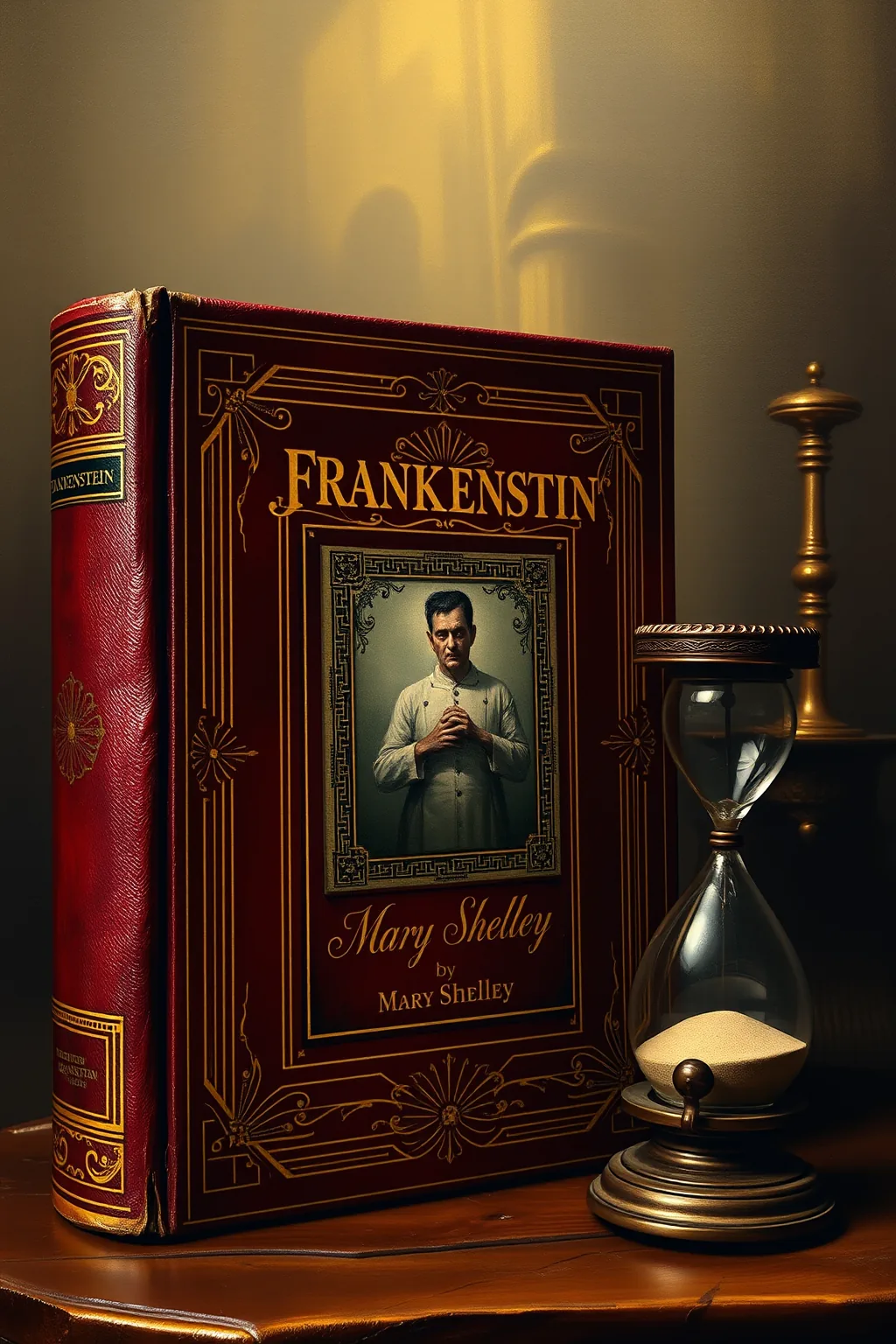
Frankenstein
 80
80

Frankenstein


Silas Hawthorne (Hermetic Studies Editor) — Mary Shelley's *Frankenstein* is far more than a tale of monstrous creation; it is a profound Gnostic text disguised as Gothic fiction. The ambition to imbue inert matter with the spark of life echoes ancient alchemical aspirations and the Kabbalistic pursuit of animating the Golem. Victor's hubristic quest for forbidden knowledge, a transgression against natural law, serves as a potent symbol for the dangers of unchecked intellectualism divorced from spiritual understanding. The creature's existential anguish and yearning for connection speak to the alienated soul seeking its divine spark. A must-read for anyone exploring the Luciferian themes of knowledge and rebellion within esoteric traditions.
📝 Description
80
Mary Shelley wrote Frankenstein in 1818, a novel that grapples with the ethics of scientific ambition.
Mary Shelley's 1818 novel, *Frankenstein*, tells the story of Victor Frankenstein, a young scientist driven by ambition to create life. He succeeds, but is horrified by his creation, an intelligent but grotesque being. Abandoned by his creator, the creature suffers immense loneliness and seeks revenge. The narrative unfolds as a story of pursuit and confrontation across desolate landscapes.
The novel examines the consequences of unchecked scientific pursuit and the creator's responsibility for their creations. It questions the nature of humanity, sentience, and what it means to be an outcast. Shelley weaves philosophical anxieties about creation and divine power into a narrative that reflects the scientific advancements of her time.
Published in 1818, *Frankenstein* emerged during a period of intense interest in natural philosophy and vitalism, which explored the fundamental principles of life. Shelley's work engages with the era's fascination with galvanism and the possibility of reanimating dead tissue, themes that bordered on alchemical pursuits. The novel also touches on Romantic era preoccupations with the sublime, the uncanny, and the limits of human knowledge, aligning with a broader esoteric current that questioned established scientific and religious dogma.
✍️ Author
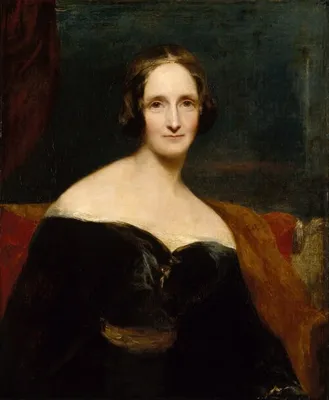
Mary Shelley
British novelist, short story writer, and essayist, best known for her Gothic novel Frankenstein.
💡 Why Read This Book?
This novel is essential for seekers of hidden truths, scholars of esoteric philosophy, and practitioners grappling with the ethics of creation and the nature of consciousness. It offers a profound allegorical exploration of the alchemical quest, the dangers of forbidden knowledge, and the spiritual isolation of the outcast, providing fertile ground for contemplation on our own creative powers and responsibilities.
⭐ Reader Reviews
Honest opinions from readers who have explored this book.
❓ Frequently Asked Questions
What is the primary esoteric theme in Frankenstein?
The primary esoteric theme is the forbidden pursuit of knowledge and the act of creation outside natural or divine laws, mirroring alchemical ambitions and the hubris of playing God.
Is Frankenstein considered early science fiction or Gothic literature?
It is widely regarded as a foundational text for both early science fiction, due to its speculative scientific premise, and Gothic literature, due to its dark atmosphere, supernatural elements, and exploration of psychological horror.
What philosophical questions does Frankenstein raise?
It raises profound questions about the nature of life, sentience, humanity, responsibility, isolation, prejudice, and the ethical implications of scientific ambition.
Who is the 'monster' in Frankenstein?
The 'monster' is the sentient being created by Victor Frankenstein through unconventional means. The narrative challenges the reader to question who the true monster is – the creator or the created.
What is the significance of the Arctic setting?
The desolate Arctic setting symbolizes isolation, the barrenness of Victor's ambition, and the ultimate reckoning for his transgressions, representing a spiritual and physical wasteland.
🔮 Key Themes & Symbolism
The Hubris of Creation
Victor Frankenstein's relentless pursuit of animating inert matter represents a profound act of hubris, an attempt to usurp the divine prerogative of creation. This theme resonates deeply with esoteric traditions that caution against the dangers of seeking forbidden knowledge and manipulating the fundamental forces of existence without spiritual understanding or ethical grounding. It serves as a potent allegory for the alchemical quest gone awry, where the desire for ultimate power blinds the practitioner to the potential for catastrophic consequences and the spiritual void left by such transgressions.
The Outcast's Existential Anguish
The Creature's profound isolation and desperate yearning for acceptance form the emotional core of the novel. Rejected by his creator and society due to his unnatural origins, he embodies the archetypal outcast, a soul adrift in a universe that offers no solace or belonging. This appeals to mystical concepts of the alienated soul, the divine spark trapped in material form, and the universal search for connection and recognition. His suffering highlights the moral responsibility that accompanies the act of bringing a sentient being into existence, a burden often overlooked in the pursuit of grand ambitions.
Forbidden Knowledge and Its Price
Frankenstein is a powerful exploration of the allure and peril of forbidden knowledge. Victor's obsessive looking at secret arts and obscure sciences to achieve his goal leads not to enlightenment, but to ruin. This aligns with esoteric warnings about the potential for knowledge to corrupt when pursued without wisdom, humility, or a connection to the divine. The novel illustrates that true understanding transcends mere intellectual accumulation; it requires spiritual discernment and a recognition of the interconnectedness of all things, lest the seeker become consumed by the very power they sought to command.
💬 Memorable Quotes
Direct passages from the work, attributed to the author.
“I ought to be thy god, and I am thy demon.”
— A chilling declaration of the creator's failure, where the divine aspiration devolves into monstrous abandonment and the birth of a vengeful spirit.
“There is a joy in the pursuit of knowledge.”
— This seemingly innocent statement belies the dangerous obsession that drives Victor, highlighting the seductive nature of forbidden lore and the potential for it to consume the seeker.
“I had desired it with an ardour that far exceeded moderation.”
— Reveals the unchecked passion and ambition that fuels Victor's destructive quest, a common theme in esoteric texts warning against the perils of immoderate desire.
“Was I, then, a monster, a blot upon the earth, from which all men fled and whom all men disowned?”
— The creature's profound existential crisis, questioning his own nature and place in the world due to societal rejection and his unnatural origin.
“I can tell you, my friend, that I have been in a state of the utmost agitation.”
— A subtle acknowledgment of the psychological torment and profound disquiet that permeates the novel, often a hallmark of works exploring the darker aspects of the human psyche and spiritual struggle.
🌙 Esoteric Significance
Tradition
The novel deeply appeals to Gnostic traditions, particularly in its portrayal of a flawed demiurge (Victor) whose creation is imperfect and suffers due to its creator's hubris and lack of true divine insight. It echoes alchemical symbolism of animating inert matter, the pursuit of the 'Philosopher's Stone' of life itself, and the inherent dangers of tampering with primordial forces without spiritual purification. The Creature's alienation can be seen as the alienated divine spark seeking its return to the Pleroma.
Symbolism
The animating spark itself symbolizes the divine breath or vital force, often sought in esoteric practices. The Creature's physical form, stitched together from disparate parts, represents the fragmented human psyche or the material world as a composite of lesser elements. The desolate landscapes, particularly the Arctic, symbolize spiritual void, isolation, and the ultimate consequence of transgressing natural and divine laws.
Modern Relevance
In an era of rapid technological advancement, artificial intelligence, and genetic engineering, *Frankenstein* remains profoundly relevant. It serves as a timeless cautionary tale about the ethical responsibilities that accompany scientific innovation and the potential for unchecked ambition to create unforeseen suffering. The novel prompts us to consider the essence of humanity, the dangers of prejudice, and the moral obligations we hold towards our creations, whether biological or digital.
👥 Who Should Read This Book
This edition of *Frankenstein* is curated for the discerning reader. **Beginners** to esoteric literature will find a compelling and accessible entry point into themes of creation, responsibility, and the nature of the soul. **Scholars** of literature, philosophy, and occult studies will discover rich layers of symbolism and allegorical depth to analyze. **Seekers** of hidden knowledge will appreciate the novel's exploration of forbidden pursuits and their profound consequences. **Practitioners** of mystical arts may find resonance in the themes of animating force, the perils of immoderate desire, and the spiritual isolation that can arise from transgressing natural orders.
📜 Historical Context
Published in 1818, *Frankenstein* emerged from a period of intense intellectual and societal upheaval. The Age of Enlightenment had fostered a belief in the power of reason and science to unlock the universe's secrets, while the nascent Romantic movement emphasized emotion, imagination, and the sublime. Mary Shelley, steeped in these influences and the intellectual discourse of her parents (William Godwin and Mary Wollstonecraft), penned the novel during a rainy summer at Lake Geneva, inspired by a challenge to write a ghost story. This origin highlights the novel's combination of scientific speculation and supernatural dread. The burgeoning understanding of electricity and galvanism provided a plausible, albeit fantastical, scientific backdrop for Victor's experiment, while the Gothic literary tradition supplied the atmospheric elements of horror, isolation, and the uncanny. The novel thus stands as a bridge between Enlightenment rationalism and Romantic sensibility, grappling with the ethical implications of scientific progress in a world increasingly aware of its own transformative power.
📔 Journal Prompts
Reflect on a time when your ambition outstripped your wisdom. What were the consequences, and what did you learn?
Consider the concept of the 'creator's responsibility.' How does this apply to our relationship with technology, nature, and other beings?
If you were the Creature, what would be your first plea to your creator? What would you demand?
Explore the idea of 'monstrosity.' Is it inherent, or is it a result of societal perception and treatment?
How does the pursuit of 'forbidden knowledge' manifest in modern society? What are the potential spiritual and ethical implications?
🗂️ Glossary
Demiurge
In Gnosticism, a lesser creator god, often imperfect or malevolent, responsible for the material universe. Victor Frankenstein can be seen as a demiurge figure.
Alchemical Animation
The alchemical pursuit of creating life from inanimate substances, often involving complex symbolic processes and the manipulation of elemental forces.
Gothic Literature
A literary genre characterized by elements of horror, death, the supernatural, and mystery, often set in desolate or decaying environments.
Hubris
Excessive pride or self-confidence, often leading to a downfall. Victor's relentless ambition exemplifies this trait.
The Pleroma
In Gnosticism, the divine totality or fullness of God, the spiritual realm from which emanations or divine sparks originate.
This book appears in 1 collection
🔮 Readers Also Liked
Browse all →





More by Mary Shelley
All books →

From the “Transcendental Meditation” Collection
View all →






More Free Supernatural & Occult Fiction Books
View all →