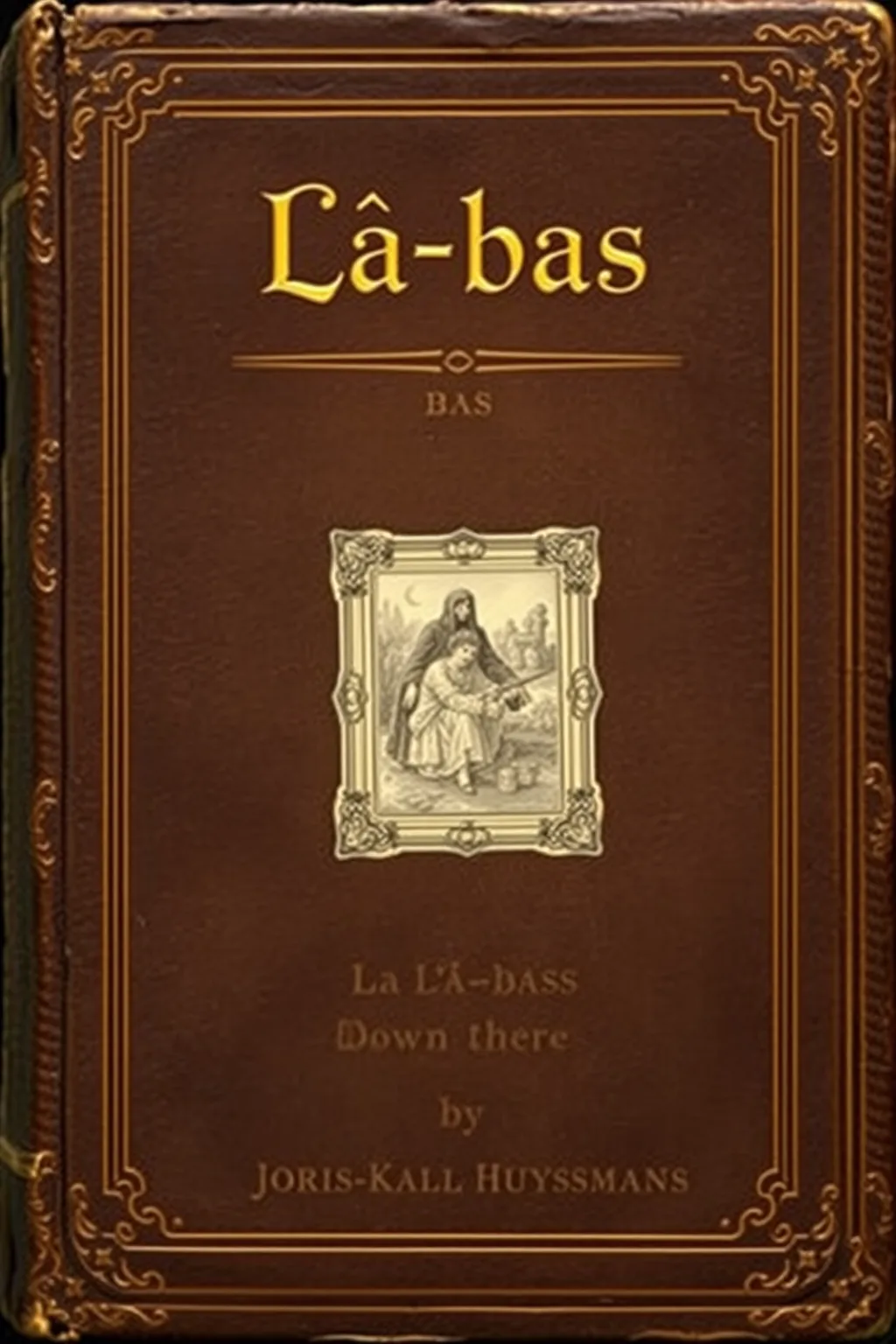
Là-bas
 81
81

Là-bas



Cassian Rothmann (Senior Critic, Ancient Wisdom): Huysmans' *Là-bas* remains a potent, albeit disquieting, testament to the enduring fascination with the esoteric. The novel is not merely a sensationalist portrayal of Satanism but a profound philosophical inquiry into spiritual desolation and the desperate search for meaning in a mechanistic age. Durtal’s descent into the occult, fueled by a disgust for bourgeois complacency, mirrors a broader societal malaise. Huysmans' prose is both decadent and precise, rendering the allure of forbidden knowledge with unsettling clarity. Essential reading for scholars of fin-de-siècle decadence and practitioners seeking to understand the historical roots of Western occultism, offering a stark warning and a compelling invitation into the shadows.
📝 Description
81
Joris-Karl Huysmans published Là-bas in 1891, depicting a descent into Parisian occultism.
The novel centers on the artist Durtal, who seeks an escape from the spiritual emptiness of late 19th-century Paris. He becomes engrossed in the occult, drawn to its forbidden knowledge and ancient practices. Durtal's investigation into the history of Gilles de Rais, a notorious figure from the Middle Ages, becomes a focal point for his exploration of darker human impulses and the appeal of Satanism. Huysmans creates a palpable sense of ennui and a morbid fascination with the spiritual crisis of the era.
Through Durtal's experiences, the book examines the allure of forbidden knowledge and the search for meaning in a world perceived as spiritually barren. It questions the boundaries between religious devotion, heresy, beauty, and revulsion. The narrative invites readers to consider the human drive for transcendence, even when faced with what seems like a lack of divine guidance.
Published in 1891, Là-bas engages with the occult revival of the late 19th century, a period marked by renewed interest in spiritualism, esotericism, and alternative religious movements. Huysmans, who himself became involved in occult circles, uses the novel to portray a fascination with magic, ritual, and the darker aspects of religious history. The book reflects a broader cultural milieu where figures like Eliphas Lévi and Stanislas de Guaita were active, and where the perceived materialism of modern society drove some to seek answers in the arcane and the supernatural. It touches upon themes of gnosis and the pursuit of hidden truths, often through controversial or morally ambiguous paths.
✍️ Author
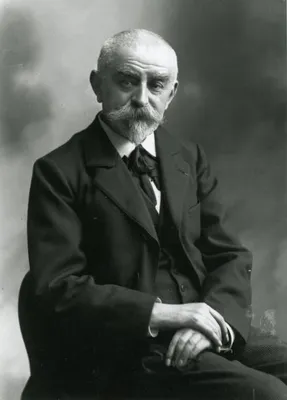
Joris Karl Huysmans
Charles-Marie-Georges Huysmans (US: , French: [ʃaʁl maʁi ʒɔʁʒ ɥismɑ̃s]; 5 February 1848 – 12 May 1907) was a French novelist and art critic who published his works as Joris-Karl Huysmans (French: [ʒɔʁis kaʁl -], abbreviated as J. K.
💡 Why Read This Book?
Embark on a visceral journey into the heart of fin-de-siècle occultism and spiritual ennui. *Là-bas* is essential for seekers of hidden knowledge, scholars of decadent literature, and practitioners interested in the historical evolution of Satanic and black magic traditions. It offers a profound, albeit disturbing, exploration of the human psyche's darker impulses and the desperate quest for meaning beyond the material world.
⭐ Reader Reviews
Honest opinions from readers who have explored this book.
❓ Frequently Asked Questions
Is 'Là-bas' a purely fictional account of Satanism?
While fictionalized, *Là-bas* draws heavily on Huysmans' personal research and attendance at actual occult ceremonies, including a Black Mass. It blurs the lines between fiction and the author's lived esoteric experiences.
What is the significance of Gilles de Rais in the novel?
Gilles de Rais, a 15th-century Marshal of France accused of horrific child murders, serves as a focal point for Durtal's investigation into the darker aspects of human nature and the historical connection between power, sin, and the occult.
What does 'Là-bas' mean?
'Là-bas' is French for 'Down There,' a title that alludes to the infernal, the hidden, and the 'other' world often associated with occult practices and the abyss of the human soul.
Who is the main character, Durtal?
Durtal is a thinly veiled autobiographical character, representing Huysmans himself. He is an artist and writer disillusioned with modern society, seeking spiritual and aesthetic fulfillment in the esoteric and forbidden.
Is this book suitable for beginners in occult studies?
While fascinating, *Là-bas* is best approached by those with some familiarity with occult themes. Its dense prose and controversial subject matter can be challenging for complete novices.
🔮 Key Themes & Symbolism
Spiritual Desolation and the Search for Transcendence
The novel vividly portrays the spiritual void of the late 19th century, a world perceived as increasingly materialistic and devoid of genuine faith. Durtal's disgust with bourgeois superficiality drives his desperate quest for something more profound. This theme explores the human yearning for connection to the divine or the transcendent, even if it leads down forbidden paths. Huysmans interrogates whether true spiritual awakening can be found by confronting the absolute negation of conventional morality, questioning the very nature of good and evil in the pursuit of ultimate truth.
The Allure and Peril of the Occult
*Là-bas* studies the seductive power of occult knowledge and forbidden practices. It examines why individuals are drawn to Satanism and black magic, often as a rebellion against societal norms or a desperate attempt to find order in chaos. The novel doesn't shy away from the perceived dangers, presenting rituals and beliefs that are both fascinating and terrifying. It explores the psychological impact of engaging with these hidden realms, questioning whether such pursuits offer genuine enlightenment or lead to psychological ruin and moral corruption.
Decadence and the Aestheticization of Evil
Huysmans, a key figure of the Decadent movement, imbues *Là-bas* with a rich, often morbid, aesthetic sensibility. The novel explores the artistic and philosophical fascination with decay, the grotesque, and the darker aspects of human experience. Evil is not just depicted but is, in a sense, aestheticized – presented with a disturbing beauty that reflects the fin-de-siècle’s embrace of the unconventional and the transgressive. This theme questions the boundaries between art, morality, and the sublime, suggesting that beauty can be found even in the most horrific manifestations.
💬 Memorable Quotes
Direct passages from the work, attributed to the author.
“We are all born with a thirst for the infinite.”
— It highlights the universal human longing for meaning and connection beyond the mundane, a driving force behind spiritual and esoteric quests.
“The true religion is the one that most frightens us.”
— This provocative statement suggests that genuine spiritual revelation often lies beyond comfort and familiarity, in the realms that challenge our deepest fears.
“Modern life is a graveyard of souls.”
— A stark critique of materialism and spiritual shallowness, implying that contemporary society suffocates the inner life and leads to a form of spiritual death.
💡 Key Ideas
Editorial paraphrase of the work's core concepts — not direct quotes.
The abyss of the human heart is bottomless.
This quote speaks to the inherent darkness and complexity within every individual, suggesting that true understanding requires confronting one's own deeper meaning.
The devil is only the negation of God.
This quote offers a theological perspective, framing evil not as an independent force but as a consequence of the absence or rejection of the divine.
🌙 Esoteric Significance
Tradition
While *Là-bas* is not a direct manual of a specific esoteric tradition, it deeply engages with the broader currents of Western occultism that were gaining traction in the late 19th century. It touches upon themes prevalent in Hermeticism, Gnosticism, and the nascent Satanic philosophies that would later influence groups like the Ordo Templi Orientis (OTO) and the Church of Satan. The novel reflects a period of syncretism, where practitioners sought to synthesize diverse mystical elements into personal paths of gnosis.
Symbolism
The novel is rich with symbolism. The decaying Parisian churches represent spiritual abandonment, while the rituals of black magic symbolize a perversion of sacred acts, seeking power through transgression. Gilles de Rais himself becomes a symbol of fallen nobility and the ultimate corruption of the soul. The character of Durtal embodies the seeker lost in the modern world, his journey into the occult a symbolic descent into the subconscious and the hidden aspects of reality.
Modern Relevance
In an age still grappling with materialism, spiritual alienation, and the search for authentic meaning, *Là-bas* remains remarkably relevant. It prompts reflection on the enduring human fascination with the forbidden and the psychological allure of 'otherness.' The novel serves as a cautionary tale and a historical document, offering insight into the roots of modern esoteric movements and the persistent human impulse to explore the shadowed corners of existence in search of truth, however unsettling.
👥 Who Should Read This Book
This profound work is essential for several audiences. **Scholars of literature and history** will find it a core part of the Decadent movement and a revealing snapshot of fin-de-siècle spiritual malaise. **Seekers of esoteric knowledge and occult history** will appreciate its detailed, albeit dramatized, exploration of Satanism and black magic traditions. **Practitioners** may find resonance in its depiction of spiritual yearning and the psychological aspects of examining the darker aspects of existence. **Readers interested in philosophical fiction** that probes the depths of human nature, morality, and the search for transcendence will be deeply engaged by its challenging themes and evocative atmosphere.
📜 Historical Context
Published in 1891, *Là-bas* emerged from the heart of the fin-de-siècle, a period in late 19th-century Europe marked by profound social, cultural, and spiritual upheaval. It was an era of rapid industrialization, scientific advancement, and a burgeoning sense of existential angst. Traditional religious beliefs were increasingly questioned, leading to a spiritual vacuum that many sought to fill through diverse means, including occultism, spiritualism, and decadent art. Huysmans, a prominent figure in the Decadent literary movement, captured this zeitgeist with unflinching honesty. The novel reflected a growing fascination with the forbidden, the perverse, and the mystical, challenging bourgeois morality and exploring the psychological underpinnings of both faith and heresy. Its controversial themes of Satanism and black magic resonated with a society grappling with its own moral ambiguities and the seductive allure of the unknown.
📔 Journal Prompts
How does Durtal's disgust with modern society fuel his interest in the occult?
What is the 'abyss' that Huysmans describes, and how does it manifest in the novel?
Analyze the symbolic significance of the decaying churches in Paris.
In what ways does Huysmans aestheticize evil, and what is the effect on the reader?
Consider the role of forbidden knowledge in the novel: is it empowering or destructive for Durtal?
🗂️ Glossary
Fin-de-siècle
A French term meaning 'end of the century,' referring to the period in the late 19th century characterized by cultural and artistic decadence, spiritual ennui, and a fascination with the morbid and the occult.
Decadence
An artistic and literary movement of the late 19th century that embraced artificiality, subjectivity, and often morbid or perverse themes, reacting against naturalism and realism.
Black Mass
A blasphemous parody of the Catholic Mass, often associated with Satanic rituals, intended to invoke demonic forces or express defiance against religious authority.
Gnosticism
A diverse set of religious and philosophical traditions that emphasize spiritual knowledge (gnosis) as the key to salvation, often viewing the material world as flawed or evil.
Esotericism
A broad category of spiritual traditions that present themselves as possessing secret knowledge or wisdom accessible only to a select few initiates, often involving mysticism, magic, and alchemy.
This book appears in 1 collection
🔮 Readers Also Liked
Browse all →



From the “Transcendental Meditation” Collection
View all →





More Free Supernatural & Occult Fiction Books
View all →