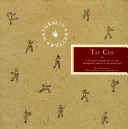
Tai Chi
 72
72

Tai Chi
Crompton’s “Tai Chi” from 1996 provides a straightforward entry point into a practice often shrouded in mystique. The inclusion of color photographs is a significant asset, clearly illustrating the foundational movements and postures that are crucial for beginners. The author’s approach prioritizes clarity, making the initial steps of learning the basic forms accessible without overwhelming the reader. A particular strength lies in its directness; it avoids overly academic or philosophical tangents, focusing instead on the physical mechanics and immediate benefits like tension relief. However, the book’s brevity, while a strength for newcomers, may leave those seeking deeper theoretical or historical context wanting more. It functions best as a primer, a functional guide to getting started rather than a comprehensive exploration of Tai Chi's rich philosophical underpinnings. For anyone looking to physically engage with Tai Chi for the first time, this book is a competent and helpful manual.
📝 Description
72
Paul H. Crompton's 1996 book demystifies Tai Chi with practical instruction.
Paul H. Crompton's "Tai Chi" offers a focused introduction to the ancient Chinese martial art, published in 1996. The work moves beyond philosophical discussion to give practical instruction, aiming to equip readers with the fundamental movements and forms for engaging with Tai Chi. It emphasizes the physical benefits and accessibility of the practice. This book is for individuals curious about starting Tai Chi, seeking a clear, step-by-step guide to basic postures and sequences. Readers interested in stress reduction, improved flexibility, and gentle physical conditioning will find its structured approach helpful. It serves as a text for beginners.
While Tai Chi has centuries of history, Crompton's 1996 publication appeared as Eastern martial arts gained traction in the West. This period saw increased popular interest in practices like yoga and martial arts for holistic well-being. Crompton's work adds to the literature that translated complex traditions for a Western audience, distinct from more academic or lineage-specific texts. The book breaks down the art into manageable components, illustrating sequences that promote balanced energy flow and physical harmony. It introduces concepts such as coordinated breath with movement, a relaxed yet grounded stance, and cultivating internal awareness through external form, focusing on practical application for health and tension relief.
Published in 1996, Crompton's "Tai Chi" enters the broader discourse on Eastern practices that gained popularity in the West during the late 20th century. It sits alongside works that sought to make complex traditions accessible, serving as a bridge between purely philosophical texts and highly specialized martial arts lineages. The book's focus on practical application for health and well-being aligns with a Western esoteric interest in mind-body integration and the cultivation of internal energy, drawing from Taoist principles without necessarily requiring deep prior knowledge of Chinese philosophy.
💡 Why Read This Book?
• Learn foundational Tai Chi movements through clear, step-by-step instructions and color photographs, a practical method for cultivating flexibility and reducing tension, as detailed in the book's instruction sections. • Understand the importance of coordinated breath and movement, a core principle for achieving internal harmony and physical relaxation as presented in the book’s illustrative examples. • Gain a tangible starting point for a mind-body practice, directly applying the basic patterns and stances to experience immediate physical benefits described within the text.
⭐ Reader Reviews
Honest opinions from readers who have explored this book.
❓ Frequently Asked Questions
When was Paul H. Crompton's book on Tai Chi first published?
Paul H. Crompton's "Tai Chi" was first published in 1996, offering a contemporary guide to this ancient martial art.
What are the primary benefits of practicing Tai Chi as described in the book?
The book highlights benefits such as promoting flexibility, relieving physical tension, and improving overall physical conditioning through its fundamental movements and patterns.
Does the book include visual aids for learning Tai Chi?
Yes, "Tai Chi" by Paul H. Crompton features color photographs to visually guide readers through the basic movements and sequences.
Is this book suitable for absolute beginners in Tai Chi?
Absolutely. The book is designed as a brief introduction, offering step-by-step instructions specifically for those new to the practice.
What kind of instruction does the book provide for Tai Chi movements?
It offers step-by-step instructions and demonstrates basic movements and patterns, focusing on their practical application for flexibility and tension relief.
What is the author's approach to teaching Tai Chi in this book?
The author's approach is instructional and practical, using clear descriptions and visual aids to teach fundamental movements and sequences for health benefits.
🔮 Key Themes & Symbolism
Foundational Movement Sequences
The work meticulously breaks down the core movements of Tai Chi, presenting them as sequential patterns. Crompton emphasizes the importance of learning these forms correctly, illustrating how each posture flows into the next. This systematic approach is crucial for beginners aiming to grasp the physical structure of the art, transforming abstract principles into tangible actions that can be practiced for improved physical well-being and kinetic awareness.
Physical Harmony and Tension Relief
A central theme is the book's focus on the physical benefits derived from Tai Chi practice. Crompton explains how the deliberate, flowing movements, combined with controlled breathing, work to release muscular tension and promote a sense of bodily harmony. The book presents Tai Chi not just as a martial art, but as a method for cultivating a balanced physical state, accessible through consistent practice of the illustrated techniques.
Accessible Introduction to Practice
This book serves as an entry point, clarifying Tai Chi for a Western audience. Crompton prioritizes clarity and practicality, ensuring that readers can begin practicing the fundamental aspects without needing prior esoteric knowledge. The inclusion of step-by-step instructions and color photos underscores this theme of accessibility, making the practice achievable for anyone interested in exploring its physical and mental advantages.
Mind-Body Connection Through Form
While primarily focused on the physical execution, the work implicitly explores the mind-body connection fostered by Tai Chi. The emphasis on precise movements, coordinated breath, and a grounded stance encourages a state of mindful presence. Crompton’s instruction guides the reader to integrate mental focus with physical action, demonstrating how the external form cultivates internal awareness and calm.
💬 Memorable Quotes
Direct passages from the work, attributed to the author.
“Basic movements and patterns that promote flexibility and relieve tension.”
— This statement captures the book's core promise: a practical approach to Tai Chi focused on tangible physical benefits. It highlights the art's capacity to enhance bodily suppleness and alleviate stress through its foundational sequences.
“Step-by-step instructions and color photos.”
— This descriptive phrase points to the book's pedagogical method. It signals a clear, visual learning experience designed to make the complex movements of Tai Chi understandable and imitable for the reader.
“A brief introduction to the martial art of t'ai chi.”
— This frames the book's scope and intent. It positions the work as an accessible starting point, designed to provide essential knowledge without overwhelming newcomers to the practice.
“The book also includes...”
— This phrasing suggests supplementary material that enhances the primary instruction. It implies that beyond the core introduction, additional elements are provided to support the reader's learning journey.
💡 Key Ideas
Editorial paraphrase of the work's core concepts — not direct quotes.
Readers show basic movements and patterns.
This paraphrased concept emphasizes the active, participatory nature of learning Tai Chi from the book. It indicates that the content is designed for direct application and practice by the reader.
🌙 Esoteric Significance
Tradition
While not strictly adhering to a singular esoteric lineage like Hermeticism or Kabbalah, "Tai Chi" engages with Taoist principles that underpin many Western esoteric traditions. Its emphasis on the flow of vital energy (Qi, though not explicitly detailed in this introductory text) and the cultivation of internal balance through external movement aligns with concepts found in Neoplatonism and various forms of energy work. The book serves as a practical gateway, translating Taoist principles of natural harmony into a physical discipline that appeals to broader metaphysical interests.
Symbolism
The primary symbolism in Crompton's "Tai Chi" is embedded within the movements themselves. The slow, deliberate progression through forms represents the Taoist concept of 'wu wei' (effortless action) and the cyclical nature of existence. Each posture, such as the 'Cloud Hands' or 'Ward Off', can be seen as embodying principles of balance, yielding, and directed force. The focus on rooting and stability symbolizes grounding and connection to the earth, a common motif in many esoteric practices signifying stability and centeredness.
Modern Relevance
Crompton's accessible introduction remains relevant for contemporary practitioners seeking foundational Tai Chi knowledge. Modern wellness trends, including mindfulness-based stress reduction (MBSR) and somatic therapies, often incorporate principles that parallel Tai Chi's emphasis on body awareness and controlled movement. Thinkers and practitioners in fields like somatic experiencing and embodied cognition might find the book's direct approach to physical form a useful starting point for understanding how martial arts influence mind-body integration.
👥 Who Should Read This Book
• Individuals new to martial arts or contemplative practices seeking a gentle, effective method for improving physical health and reducing stress. • Readers interested in exploring Taoist principles through a practical, physical discipline rather than purely philosophical study. • Students of holistic health and wellness looking for accessible techniques to enhance flexibility and cultivate bodily awareness.
📜 Historical Context
Published in 1996, Paul H. Crompton's "Tai Chi" emerged during a period of significant Western interest in Eastern philosophies and practices for personal development. The 1990s saw a broader acceptance and integration of disciplines like yoga, martial arts, and meditation into mainstream wellness culture, moving beyond niche spiritual circles. Crompton's work contributed to this trend by offering a practical, visually-supported guide to Tai Chi, a martial art with roots stretching back centuries. Unlike purely academic texts or deeply traditional lineage teachings, this book aimed for accessibility. It arrived in a landscape where authors like Stephen Mitchell were popularizing Taoist concepts, and martial arts films were bringing Chinese culture to global attention. The book's focus on physical benefits like flexibility and tension relief aligned perfectly with the era's growing emphasis on holistic health and stress management.
📔 Journal Prompts
The basic movements and patterns described for flexibility.
The step-by-step instructions for initiating a Tai Chi practice.
The concept of relieving tension through deliberate physical form.
The role of color photos in understanding Tai Chi sequences.
The initial introduction to the martial art of t'ai chi.
🗂️ Glossary
T'ai Chi
An ancient Chinese internal martial art practiced for both its defensive applications and its health benefits, emphasizing slow, deliberate movements and controlled breathing.
Martial Art
A system of codified practices and traditions of combat, often practiced for self-defense, military and law enforcement applications, competition, physical fitness, and mental discipline.
Flexibility
The quality of being able to bend easily without breaking; in the context of Tai Chi, it refers to the suppleness of muscles and joints achieved through practice.
Tension Relief
The process of reducing physical or mental stress and tightness within the body, often achieved through relaxation techniques and mindful movement like Tai Chi.
Basic Movements
The fundamental postures and actions that form the building blocks of a martial art or practice, serving as the foundation for more complex techniques.
Patterns
In Tai Chi, refers to choreographed sequences of movements that flow into one another, forming a complete form or routine.
Color Photos
Photographic images reproduced using color inks, used in the book to visually demonstrate the correct execution of Tai Chi postures and sequences.
This book appears in 1 collection
🔮 Readers Also Liked
Browse all →









From the “Qi Gong” Collection
View all →


More Free Occult Philosophy Books
View all →