Qi Gong
 76
76

Qi Gong
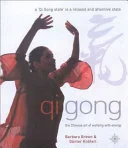
Brown and Knöferl's "Qi Gong" offers a structured entry into a vast and often opaque subject. The book's strength lies in its clear delineation of different Qi Gong styles, moving beyond a monolithic portrayal of the practice. Its most valuable contribution is arguably the directory of teachers, a practical feature that directly addresses a common hurdle for newcomers. However, the text occasionally feels more like an academic survey than an experiential guide. While the descriptions of movements and theory are accurate, they lack the visceral immediacy that a seasoned practitioner might convey. The section on the Five Elements, for instance, presents the concepts competently but doesn't fully translate their dynamic, felt sense into the text. It's a competent, informative primer, but not one that will fundamentally alter your energetic perception on its own. "Qi Gong" provides a solid map, but the reader must still undertake the journey.
📝 Description
76
Barbara Brown and Günter Knöferl's 2001 book introduces Qi Gong, an ancient Chinese mind-body system.
This book details Qi Gong, a traditional Chinese practice that coordinates movement, breath, and intention to cultivate vital energy, known as 'Qi'. The authors differentiate various schools and methods within Qi Gong, emphasizing their common principles. It functions as an introduction to the practice's scope and application for physical health and spiritual growth.
The text is suited for those interested in alternative healing, integrating physical activity with mental focus, or expanding their knowledge of contemplative arts. It is written for beginners, with clear explanations of core concepts. A directory of instructors is included, connecting theoretical understanding with practical guidance.
Qi Gong's origins trace back thousands of years in China, influenced by traditional medicine, martial arts, and Taoist philosophy. Its presence in Western discussion grew in the late 20th century. Published in 2001, this work appeared as global interest in Eastern practices increased, offering a structured overview for those seeking accessible information on these disciplines.
Qi Gong is part of a long Chinese tradition focused on harnessing and balancing the body's vital life force, Qi. This practice is deeply interwoven with traditional Chinese medicine, where imbalances in Qi are seen as the root of illness. It also draws from Taoist philosophy and martial arts, aiming for harmony between mind, body, and spirit. The book places this ancient system within a modern context, making its principles accessible to those interested in holistic health and spiritual development.
💡 Why Read This Book?
• Understand the foundational concept of Qi, the vital life force, and how its cultivation through specific movements and breathwork aims to improve health, as detailed in the sections on breathing techniques and meridian flow. • Differentiate between the various styles of Qi Gong presented, such as Medical Qi Gong and Martial Qi Gong, enabling a more informed choice for personal practice or further study. • Utilize the directory of reputable Qi Gong teachers, a practical resource that directly assists in finding qualified guidance for in-person or online training, a feature uncommon in general esoteric texts.
⭐ Reader Reviews
Honest opinions from readers who have explored this book.
❓ Frequently Asked Questions
What is the primary goal of practicing Qi Gong according to Brown and Knöferl?
The primary goal is to cultivate and balance the body's vital energy, known as Qi. This practice aims to improve physical health, mental clarity, and overall well-being by ensuring a smooth and abundant flow of Qi through the body's energetic pathways.
How does Qi Gong differ from Tai Chi?
While related and often sharing similar movements, Qi Gong typically focuses more on health cultivation and energy balancing through simpler, repetitive movements and breathwork. Tai Chi often incorporates more complex martial applications and a greater emphasis on form and flow.
When was the book "Qi Gong" by Barbara Brown and Günter Knöferl first published?
The book "Qi Gong" by Barbara Brown and Günter Knöferl was first published in 2001, reflecting a growing Western interest in Chinese energetic practices during that period.
Does the book explain specific Qi Gong exercises?
Yes, the book explores different styles and methods of Qi Gong, outlining the principles behind various movements and breathing techniques used to cultivate and direct Qi.
Is the directory of teachers in the book up-to-date?
The directory lists reputable Qi Gong teachers as compiled for the original 2001 publication. While the foundational information remains relevant, specific contact details or teacher availability may have changed over time.
What is the concept of 'meridians' in Qi Gong?
Meridians are described as invisible pathways within the body through which Qi (vital energy) flows. Maintaining the free and balanced flow of Qi within these meridians is considered crucial for health in Traditional Chinese Medicine and Qi Gong.
🔮 Key Themes & Symbolism
Cultivating Vital Energy (Qi)
The central theme is the understanding and manipulation of Qi, the fundamental life force in Chinese philosophy. The book explains how Qi Gong practices are designed to harmonize the flow of this energy, clearing blockages and strengthening the body's natural vitality. It presents Qi not merely as a metaphor but as a tangible energetic substance that can be influenced through focused intention, breath, and movement, impacting physical health and emotional balance.
Diverse Styles and Applications
Rather than presenting a single monolithic form, the work highlights the variety within Qi Gong. It distinguishes between styles developed for healing (Medical Qi Gong), martial prowess, and spiritual development. This exploration allows readers to grasp the breadth of the practice, recognizing that Qi Gong is adaptable and can serve multiple purposes depending on the practitioner's goals and the specific lineage followed.
Mind-Body Integration
A core tenet explored is the inseparable connection between the mind and body. Qi Gong emphasizes that conscious awareness, focused intention (Yi), and deliberate physical action work in concert. The book illustrates how mental states can directly affect the flow of Qi, and conversely, how regulating Qi can influence mental clarity and emotional stability, underscoring the holistic nature of the practice.
Practical Guidance and Resources
Beyond theoretical exposition, the book offers practical utility. It details specific postures and breathing methods that readers can begin to explore. Crucially, the inclusion of a directory of reputable Qi Gong teachers provides a tangible pathway for individuals seeking qualified instruction, bridging the gap between reading about the practice and engaging with it under expert supervision.
💬 Memorable Quotes
Direct passages from the work, attributed to the author.
“Qi is the fundamental life force that animates all things.”
— This statement defines the core concept of Qi, positioning it as the essential energy underlying existence in the context of Qi Gong and Traditional Chinese Medicine.
“Coordination of breath, movement, and intention is key.”
— This highlights the triadic nature of Qi Gong practice, emphasizing that effective cultivation requires the synchronized application of physical action, respiratory control, and mental focus.
“Different schools emphasize distinct approaches to Qi cultivation.”
— This points to the internal diversity of Qi Gong, suggesting that practitioners may encounter varied methods and philosophies depending on the specific lineage or tradition they explore.
“A regular practice promotes energetic balance and health.”
— This conveys the therapeutic outcome of consistent Qi Gong exercise, linking the regular practice of these disciplines directly to the restoration and maintenance of physical and energetic equilibrium.
“The body's energy pathways, or meridians, must remain clear.”
— This references a fundamental concept in TCM and Qi Gong, identifying meridians as the channels for Qi flow and stressing the importance of their unobstructed state for well-being.
🌙 Esoteric Significance
Tradition
Qi Gong belongs to the Taoist tradition, deeply intertwined with Traditional Chinese Medicine (TCM). Its esoteric significance lies in its lineage tracing back to ancient Taoist practices aimed at harmonizing the individual with the Tao, the fundamental principle of the universe. The work fits within this lineage by presenting Qi Gong not just as physical exercise but as a method for energetic cultivation, aligning the practitioner's internal state with cosmic rhythms and principles.
Symbolism
Key symbols often implicit in Qi Gong include the Yin and Yang, representing the dynamic balance of opposing forces crucial for energetic harmony. The Five Elements (Wood, Fire, Earth, Metal, Water) are also central, symbolizing cyclical interactions and transformations within the body and the environment. The book implicitly references these by discussing the flow of Qi and its relationship to seasonal changes and organ health.
Modern Relevance
Contemporary thinkers and practitioners in fields like somatic psychology, integrative medicine, and holistic health continue to draw upon Qi Gong principles. Schools of therapeutic Qi Gong and movement-based therapies echo its emphasis on breath, intention, and gentle movement for stress reduction and chronic condition management. Its foundational concepts are foundational in many modern energy healing modalities and mindfulness-based stress reduction programs.
👥 Who Should Read This Book
• Individuals new to energetic practices seeking a clear, structured introduction to Qi Gong, its origins, and fundamental concepts like Qi and meridians. • Practitioners of other mind-body disciplines (e.g., yoga, Tai Chi) interested in understanding a related but distinct system of energy cultivation. • Those looking for practical methods to enhance physical health, reduce stress, and improve mental focus through gentle, consistent exercise.
📜 Historical Context
Published in 2001, "Qi Gong" emerged during a period of significant global interest in Eastern health and wellness practices, spurred by figures like Deepak Chopra and the increasing availability of translated texts. The late 20th century saw a surge in Western exploration of practices like yoga, meditation, and martial arts, with Qi Gong gaining traction as a distinct yet related discipline. This era was characterized by a burgeoning comparative spirituality movement and a growing acceptance of mind-body interventions within alternative medicine circles. While competing schools of thought like Transcendental Meditation offered different avenues for inner exploration, Qi Gong distinguished itself through its explicit focus on the cultivation of 'Qi' and its roots in Traditional Chinese Medicine. Authors like Mantak Chia were also instrumental in popularizing Taoist internal arts, including Qi Gong, during this time, creating a landscape where Brown and Knöferl's systematic overview found a receptive audience seeking structured information.
📔 Journal Prompts
The concept of Qi as vital life force: How might this energy manifest in your daily life?
Exploring different Qi Gong styles: Which approach described in the book most appeals to your current needs and why?
The role of breathwork: Reflect on a time when controlled breathing altered your state of mind or body.
The relationship between movement and energy: Consider how specific postures could influence your energetic flow.
Finding a teacher: What criteria would be most important to you when selecting a reputable Qi Gong instructor?
🗂️ Glossary
Qi
The fundamental vital energy or life force believed to animate all living beings and permeate the universe in Chinese philosophy and medicine.
Meridians
A network of invisible pathways throughout the body through which Qi is said to flow, analogous to channels in acupuncture theory.
Yi
Intention or consciousness; the mental aspect of Qi Gong practice that directs the flow of Qi and guides the physical movements.
Diaphragmatic Breathing
A breathing technique where the abdomen expands on inhalation and contracts on exhalation, promoting deeper, more efficient oxygen exchange.
Five Elements
A traditional Chinese philosophical concept (Wood, Fire, Earth, Metal, Water) used to explain the interactions and relationships between phenomena, including the flow of Qi and organ functions.
Medical Qi Gong
A branch of Qi Gong specifically focused on using energetic practices for healing and disease prevention, often prescribed by TCM practitioners.
Postures
Specific physical stances or positions held during Qi Gong practice, designed to facilitate the circulation of Qi and align the body.
This book appears in 1 collection
🔮 Readers Also Liked
Browse all →









From the “Qi Gong” Collection
View all →



More Free Occult Philosophy Books
View all →