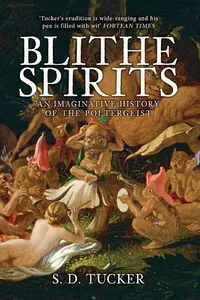
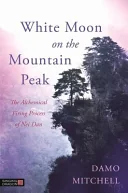
White Moon on the Mountain Peak
 80
80

White Moon on the Mountain Peak
Damo Mitchell’s White Moon on the Mountain Peak offers a commendably direct approach to the intricate subject of Nei Dan, or internal alchemy. Unlike many texts that remain abstract, Mitchell grounds the practice in observable physiological and energetic shifts, a significant strength for Western practitioners accustomed to empirical evidence. He effectively translates complex Taoist concepts into accessible language, a difficult feat given the subject matter. The book’s primary limitation lies in its sheer density; while comprehensive, the theoretical explanations, though clear, can become overwhelming without direct guidance. A particularly illuminating section details the energetic correspondences of the stages, moving beyond mere metaphor to suggest tangible internal experiences. The verdict is clear: this is an authoritative manual for dedicated students, demanding diligent study but rewarding it with unparalleled clarity on advanced internal cultivation.
📝 Description
80
Damo Mitchell's 2015 book demystifies Nei Dan, Taoist internal alchemy.
White Moon on the Mountain Peak details Nei Dan, a sophisticated system of internal alchemy rooted in Taoist traditions. Damo Mitchell structures the book to make this practice accessible to a Western audience, offering a clear method for internal cultivation. The work covers the theoretical foundations of Nei Dan and maps out the stages involved for practitioners. Mitchell highlights the concrete, observable results that consistent practice can yield, intending to connect esoteric theory with practical application.
This book is for dedicated practitioners of internal arts who want a deeper understanding beyond basic exercises. It speaks to those interested in the scientific or physiological aspects of advanced meditation and energy work. It is also for students of Qigong, Tai Chi, and similar contemplative disciplines aiming to explore the more hidden dimensions of energy cultivation and consciousness change. Individuals new to Eastern esoteric systems but open to structured study will also find value.
Published in 2015, this book addresses Nei Dan, a complex system of internal alchemy within Taoism. While many texts introduce Qigong or general Taoist philosophy, Mitchell's work specifically targets the advanced internal alchemy practices, which are often not widely discussed. It offers a detailed guide to a system that has historically been kept private. This work contributes to making advanced Taoist internal practices more widely known and understood in the West.
💡 Why Read This Book?
• Gain a structured understanding of Nei Dan, moving beyond basic Qigong to explore Taoist internal alchemy, as detailed in the book's stage-by-stage progression. • Learn about the Three Treasures (Jing, Qi, Shen) and their practical cultivation within the body, a core element discussed extensively in the theoretical sections. • Understand the tangible results and energetic markers associated with each stage of practice, offering a concrete framework for self-assessment, as outlined by Mitchell.
⭐ Reader Reviews
Honest opinions from readers who have explored this book.
❓ Frequently Asked Questions
What is Nei Dan as explained in White Moon on the Mountain Peak?
Nei Dan, or internal alchemy, is a Taoist practice focused on cultivating and transforming the body's vital energies (Qi) and consciousness. Damo Mitchell's book explains it as a systematic method for spiritual development and longevity, distinct from external alchemy.
Is this book suitable for beginners in esoteric studies?
While it aims for Western comprehensibility, Nei Dan is an advanced practice. This book is best suited for those with some prior experience in contemplative disciplines like Qigong or meditation, who are ready for rigorous, systematic study.
What are the Three Treasures in Taoist practice?
The Three Treasures are Jing (essence), Qi (vital energy), and Shen (spirit/consciousness). White Moon on the Mountain Peak explores how these are cultivated and transformed through Nei Dan practice for health and spiritual attainment.
Does the book provide practical exercises?
Yes, the book offers full guidance for practice. It details theoretical explanations alongside literal descriptions of the tangible results expected at each stage, serving as a practical manual.
When was White Moon on the Mountain Peak first published?
The book was first published on September 21, 2015. This places it within a period of growing Western interest in detailed explanations of esoteric Eastern practices.
What distinguishes Nei Dan from other meditation practices?
Nei Dan, as presented by Mitchell, involves specific energetic and physiological transformations aimed at spiritual development and longevity, often utilizing precise visualizations and internal energetic circulation techniques not found in simpler meditation forms.
🔮 Key Themes & Symbolism
Nei Dan Systematization
The central theme is the systematic presentation of Nei Dan, Taoist internal alchemy, for a Western audience. Mitchell breaks down the practice into discernible stages, providing theoretical explanations and practical guidance. He meticulously describes the expected energetic and physiological changes at each level, clarifying a practice often shrouded in metaphor. This approach allows practitioners to follow a clear progression, fostering a deeper engagement with the cultivation of Jing, Qi, and Shen.
Tangible Results of Practice
A core emphasis is placed on the observable outcomes of Nei Dan practice. Mitchell moves beyond abstract spiritual goals to outline concrete, verifiable results achievable at different stages. This includes descriptions of energetic sensations, shifts in physical vitality, and mental clarity. By grounding the practice in tangible effects, the book aims to build confidence and provide empirical markers for practitioners working through the internal landscape.
Bridging East and West
The work functions as a bridge, translating the complex philosophical and energetic concepts of Taoist internal alchemy into a framework understandable to Westerners. Mitchell addresses potential cultural and conceptual barriers, offering clear explanations of terms and processes. This facilitates a more accessible entry point for those outside the traditional Taoist context, encouraging cross-cultural understanding of advanced contemplative sciences.
The Three Treasures
Central to the Nei Dan practice discussed is the cultivation and transformation of the Three Treasures: Jing (essence), Qi (vital energy), and Shen (spirit/consciousness). The book details how these fundamental energies interact and how Nei Dan techniques aim to refine and elevate them. Understanding the dynamic interplay of these treasures is presented as crucial for achieving the spiritual and physiological benefits of internal alchemy.
💬 Memorable Quotes
Direct passages from the work, attributed to the author.
“The practice is about transforming what is gross into what is subtle, and what is subtle into what is luminous.”
— This interpretation highlights the core alchemical process within Nei Dan: refining the physical body and its energies to achieve a more refined, spiritual state of being. It signifies a movement from material substance to energetic form, and ultimately to pure consciousness.
“Each stage of practice has specific energetic indicators that can be observed internally.”
— This emphasizes the book's focus on tangible results. It suggests that Nei Dan is not purely subjective but involves discernible internal physical and energetic phenomena that practitioners can learn to recognize and work with.
“Understanding the energetic pathways is crucial for directing the Qi effectively.”
— This points to the importance of anatomical and energetic knowledge within the practice. It implies that Nei Dan requires a precise understanding of the body's internal energetic map to guide energy flow for specific outcomes.
“The transformation of Jing into Qi is the foundational step in the process.”
— This statement identifies a critical initial phase in internal alchemy. It signifies the conversion of physical essence (Jing) into vital life force (Qi), a necessary precursor for further energetic and spiritual refinement.
“Shen becomes the guiding force once Jing and Qi are refined.”
— This highlights the ultimate goal of refining consciousness (Shen) after stabilizing and cultivating the physical essence (Jing) and vital energy (Qi). It positions Shen as the highest attainment, directing the integrated energies of the practitioner.
🌙 Esoteric Significance
Tradition
The work is firmly rooted in the Taoist esoteric tradition, specifically the lineage of internal alchemy known as Nei Dan. It departs from simpler Taoist practices like medical Qigong by focusing on the profound transformation of the body's fundamental energies (Jing, Qi, Shen) for spiritual realization and longevity. It aligns with the core Taoist aim of harmonizing with the Tao through internal cultivation, but provides a structured, almost scientific, methodology for achieving these aims.
Symbolism
Key symbols include the 'mountain peak' itself, representing the pinnacle of spiritual attainment or a specific stage of internal development. The 'white moon' often symbolizes the refined Yin energy or the clarity of consciousness achieved through practice. The concept of transforming 'lead' (gross physical essence) into 'gold' (refined spiritual energy) is an underlying symbolic process, akin to metallurgical alchemy but enacted within the practitioner's own energetic body.
Modern Relevance
Contemporary practitioners of advanced Qigong, energy healing modalities, and somatic psychology often draw upon the principles outlined in works like Mitchell's. Thinkers exploring consciousness studies and embodied cognition may find the detailed descriptions of internal energetic states relevant. Its systematic approach also appeals to those seeking a structured, non-dogmatic path to exploring subtle energy and consciousness, bridging traditional wisdom with modern inquisitive minds.
👥 Who Should Read This Book
• Dedicated practitioners of Qigong or Tai Chi seeking to deepen their understanding of internal energy cultivation beyond superficial levels. • Students of comparative religion and esoteric traditions interested in the practical applications of Taoist internal alchemy (Nei Dan). • Individuals exploring somatic practices and consciousness studies who are looking for detailed frameworks on internal energetic transformation.
📜 Historical Context
White Moon on the Mountain Peak, published in 2015, arrived during a resurgent global interest in Eastern contemplative arts and esoteric traditions. While the 20th century saw a surge in popular Qigong and Tai Chi manuals, advanced internal alchemy (Nei Dan) remained a less accessible subject in the West. Damo Mitchell's work addressed this gap, offering a detailed exposition that contrasted with the more generalized introductions prevalent at the time. Its publication can be seen in dialogue with figures like Mantak Chia, who also brought Taoist sexual and internal alchemy practices to Western audiences, though Mitchell's approach tends to be more directly focused on the theoretical and practical stages of Nei Dan itself. The book's meticulous detail and emphasis on tangible results sought to provide a rigorous framework for dedicated practitioners, standing apart from more mystical or philosophical treatments.
📔 Journal Prompts
The cultivation of Jing as the foundational step: What are your current understandings of 'essence' in your life?
Reflect on the concept of transforming the gross into the subtle as described in Nei Dan.
Consider the energetic pathways mentioned in the book and their potential impact on your well-being.
How does the idea of tangible results at each stage of practice influence your approach to internal cultivation?
The role of Shen as the guiding force: explore moments where your consciousness has directed your energy.
🗂️ Glossary
Nei Dan
Literally 'internal elixir' or 'internal alchemy'. A Taoist practice focused on cultivating and transforming the body's vital energies (Jing, Qi, Shen) for spiritual development, health, and longevity.
Jing
Essence. The fundamental vital substance in the body, associated with physical form, reproduction, and foundational energy. Often considered the most 'gross' of the Three Treasures.
Qi
Vital energy or life force. The energetic substance that animates the body and supports all physiological functions. It is considered more subtle than Jing but less so than Shen.
Shen
Spirit, consciousness, or mind. The most subtle of the Three Treasures, associated with awareness, mental clarity, and spiritual vitality. Its cultivation is often the ultimate goal of Nei Dan.
Three Treasures
The fundamental vital substances of the body in Taoist tradition: Jing (essence), Qi (vital energy), and Shen (spirit/consciousness). Nei Dan practice focuses on their cultivation and transformation.
Embryonic Spirit
A concept within Nei Dan referring to a refined state of consciousness or a nascent spiritual self that emerges through advanced internal alchemy practice.
Energetic Pathways
Refers to the channels and meridians within the body through which Qi flows, as described in traditional Chinese medicine and Taoist internal alchemy.
This book appears in 1 collection
🔮 Readers Also Liked
Browse all →









From the “Qi Gong” Collection
View all →



More Free Occult Philosophy Books
View all →