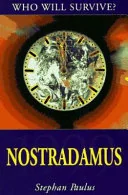
Nostradamus, 1999
 75
75

Nostradamus, 1999
Stefan Paulus’s Nostradamus, 1999 offers a structuralist approach to the famously cryptic quatrains, proposing that their original order unlocks a predictive narrative. The strength lies in Paulus’s meticulous effort to resequence the verses, presenting a compelling argument for a deliberate chronological intent often overlooked. By laying out 181 quatrains in what he posits is their intended flow, the book provides a unique lens for examining millennial anxieties. However, the limitation is the inherent subjectivity in any such reordering; while Paulus presents his rationale, the definitive ‘original sequence’ remains a point of contention among scholars. A particularly interesting passage involves his interpretation of quatrains supposedly detailing the transition into the year 2000, linking them to specific societal anxieties of the 1990s. Ultimately, it’s a scholarly reconstruction rather than definitive prophecy, valuable for its methodological rigor.
📝 Description
75
Stefan Paulus's Nostradamus, 1999, argues the seer's quatrains form a chronological prophecy.
First published in 1996, Nostradamus, 1999 by Stefan Paulus presents a methodical arrangement of 181 quatrains attributed to Nostradamus. Paulus posits that the original sequence of these verses is not accidental but reveals a deliberate narrative charting events anticipated for the new millennium. The book attempts to restore this perceived original order.
This volume is for serious students of Nostradamus, especially those focused on textual analysis and chronological interpretation. It aims to move past scattered readings to uncover a unified predictive schema within the quatrains, particularly regarding eschatological themes and global transformations. The book was released in the mid-1990s, a time of significant public interest in millennial prophecies and end-times speculation.
This work engages with the tradition of prophetic interpretation of Nostradamus's Centuries. While many scholars have focused on thematic or regional readings of the quatrains, Paulus's approach centers on the belief that the specific order of the verses holds the key to deciphering future events. It aligns with a more linear, sequential understanding of prophecy, particularly relevant during periods of intense speculation about the turn of the millennium.
💡 Why Read This Book?
• Gain a structured perspective on Nostradamus's prophecies by examining 181 quatrains arranged in a proposed chronological sequence, offering a unique temporal framework for understanding millennial predictions. • Understand the specific historical context of the mid-1990s and its influence on interpreting prophecies related to the year 2000, as presented by Paulus. • Explore the concept of sequential prophecy, learning how the arrangement of verses, rather than isolated lines, might reveal a more cohesive predictive narrative for the turn of the millennium.
⭐ Reader Reviews
Honest opinions from readers who have explored this book.
❓ Frequently Asked Questions
What is the main goal of Stefan Paulus's Nostradamus, 1999?
The book's primary aim is to reorder Nostradamus's 181 quatrains into their original sequence, believing this arrangement reveals a coherent prophetic timeline for the events of the new millennium.
When was Nostradamus, 1999 first published?
Stefan Paulus's work, Nostradamus, 1999, was first published in 1996, preceding the turn of the millennium it discusses.
How does this book differ from other Nostradamus interpretations?
It emphasizes the importance of the quatrains' original sequence for understanding their predictive power, focusing on a chronological narrative rather than thematic or localized interpretations.
What kind of events does the book suggest Nostradamus foresaw for 1999 and beyond?
The work explores potential prophecies concerning global shifts, societal changes, and significant events anticipated around the turn of the 21st century, as revealed by the reordered quatrains.
Is this book based on new discoveries of Nostradamus's manuscripts?
While it proposes a specific ordering of known quatrains, the book's focus is on interpretive methodology rather than the discovery of entirely new manuscript material.
Who is Stefan Paulus in relation to Nostradamus scholarship?
Stefan Paulus is an author and interpreter of prophetic texts, known for his specific approach to sequencing Nostradamus's quatrains to elucidate their predictive content.
🔮 Key Themes & Symbolism
Chronological Prophetic Sequencing
The core thesis of Nostradamus, 1999 is that the true predictive power of Nostradamus's quatrains is unlocked by arranging them in their original chronological order. Paulus argues against fragmented or thematic readings, positing instead that the verses form a deliberate temporal narrative. This approach suggests that understanding the sequence is key to deciphering the predicted events, particularly those leading up to and encompassing the turn of the millennium. The book meticulously presents this sequence, inviting readers to consider the unfolding of future events as laid out by the seer himself.
Millennial Expectations
Published in 1996, the book taps directly into the widespread fascination and anxiety surrounding the approaching year 2000. It interprets Nostradamus's verses through the lens of millennialism, exploring themes of societal transformation, global upheaval, and the potential dawn of a new age. Paulus’s arrangement is designed to illuminate these specific end-of-century predictions, reflecting the cultural zeitgeist of the late 20th century and its search for meaning in prophecy.
Textual Integrity and Interpretation
Nostradamus, 1999 engages with the challenge of interpreting a text known for its ambiguity and poetic obscurity. By focusing on the sequence, Paulus attempts to restore a form of textual integrity, suggesting that the author's intended order provides a crucial interpretive key. This methodology highlights the hermeneutic process involved in esoteric studies, where form and arrangement can be as significant as content in revealing hidden meanings.
The Future as a Narrative
Paulus frames the future not as a series of disconnected events but as a narrative arc, revealed through the sequential placement of Nostradamus's quatrains. This perspective treats prophecy as a form of storytelling about what is to come. The book encourages readers to view historical progression and future possibilities through this narrative structure, finding coherence and foresight in the seer’s predictions for the new millennium.
💬 Memorable Quotes
Direct passages from the work, attributed to the author.
“The original sequence reveals the picture of what the new millennium may bring.”
— This core statement expresses Paulus's thesis: that the intended order of Nostradamus's prophecies is crucial for understanding future events, particularly those around the year 2000.
“Arranging 181 quatrains in their original order.”
— This describes the book's central methodology, focusing on the systematic reordering of the seer's verses to create a cohesive predictive timeline.
“Anticipating the turn of the century.”
— This highlights the book's temporal focus, directly addressing the widespread interest and speculation surrounding the year 2000 and the end of the 20th century.
“Beyond thematic interpretation, a chronological unveiling.”
— This interpretation contrasts Paulus's sequential approach with other methods of reading Nostradamus, emphasizing the temporal aspect over thematic connections.
💡 Key Ideas
Editorial paraphrase of the work's core concepts — not direct quotes.
A coherent predictive schema for the new era.
This paraphrased concept suggests that Paulus aims to construct a unified system of future predictions from Nostradamus's work, specifically linked to the upcoming millennium.
🌙 Esoteric Significance
Tradition
Nostradamus's work is often situated within the Western esoteric tradition, drawing from Hermeticism, astrology, and Renaissance magic. Paulus’s approach, emphasizing a structured, sequential interpretation, aligns with the tradition's aim to find hidden order and divine blueprints within seemingly chaotic phenomena. By seeking an underlying chronological logic in the quatrains, Paulus participates in the Hermetic principle of 'As Above, So Below,' suggesting a cosmic or historical order is reflected in the text.
Symbolism
The quatrains themselves are rich with symbolic language, drawing from astrological terms, historical allusions, and archetypal imagery. For instance, the frequent mention of celestial bodies like Mars or specific astrological conjunctions connects to astrological divination. References to great kings, cities (like Rome or Paris), and historical figures serve as symbolic placeholders for broader eras or powerful forces. Paulus's sequencing aims to contextualize these symbols within a temporal framework, suggesting they mark specific points in a predicted historical unfolding.
Modern Relevance
Works like Paulus’s continue to influence contemporary discussions on predictive literature and the interpretation of prophecy. Modern esoteric practitioners and scholars of prophecy often reference Nostradamus, and Paulus's sequential method offers a distinct analytical tool. His approach appeals to contemporary interest in pattern recognition and the search for underlying order in complex systems, whether applied to historical events, societal trends, or personal futures within esoteric frameworks.
👥 Who Should Read This Book
• Students of Nostradamus seeking a structured, chronological interpretation of his quatrains, moving beyond thematic analysis. • Enthusiasts of millennialism and end-times literature interested in how prophetic texts were interpreted in the lead-up to the year 2000. • Researchers of Western esoteric traditions interested in the hermeneutics and methodologies applied to prophetic divination and historical forecasting.
📜 Historical Context
Stefan Paulus's Nostradamus, 1999, published in 1996, emerged within a cultural milieu saturated with millennial fervor. The late 20th century saw a resurgence of interest in eschatology, with numerous books, films, and spiritual movements focusing on prophecies and the perceived end of an era. This period was marked by a blend of anxiety and anticipation regarding the year 2000, a date that held symbolic weight across various traditions. Contemporaries like Hal Lindsey, whose works on biblical prophecy gained significant traction, reflected this societal preoccupation. While Paulus’s work is less overtly religious than some millennialist texts, its publication date positions it as a direct response to the widespread speculation about the future. The reception of such works often oscillated between serious academic interest in historical prophecy and popular fascination fueled by the impending date.
📔 Journal Prompts
The proposed chronological sequence of quatrains and its implications for understanding linear time.
Nostradamus's symbolic language for celestial events and their potential predictive significance.
The concept of a 'narrative future' as presented by the sequential arrangement of prophecies.
The role of millennial anxieties in shaping the interpretation of prophetic texts like those by Nostradamus.
Paulus's methodology for discerning order within the quatrains and applying it to future events.
🗂️ Glossary
Quatrain
A stanza or poem of four lines, particularly referring to the four-line verses composed by Nostradamus.
Millennium
A period of one thousand years, often associated with eschatological beliefs and the anticipation of significant global or spiritual change.
Sequencing
The act of arranging items, in this context Nostradamus's prophecies, in a specific order, typically chronological, to reveal a particular meaning or narrative.
Eschatology
A branch of theology concerned with the final destiny of the soul and of humankind, often involving beliefs about the end times and the apocalypse.
Hermeneutics
The theory and methodology of interpretation, especially the interpretation of biblical texts, wisdom literature, and philosophical texts.
Divination
The practice of seeking knowledge of the future or the unknown by supernatural means.
Prophetic Schema
A structured framework or plan that outlines future events as foretold by prophetic texts.
This book appears in 1 collection
🔮 Readers Also Liked
Browse all →







From the “Nostradamus” Collection
View all →






More Free Esoteric History & Biography Books
View all →