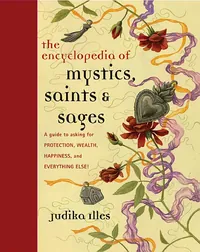
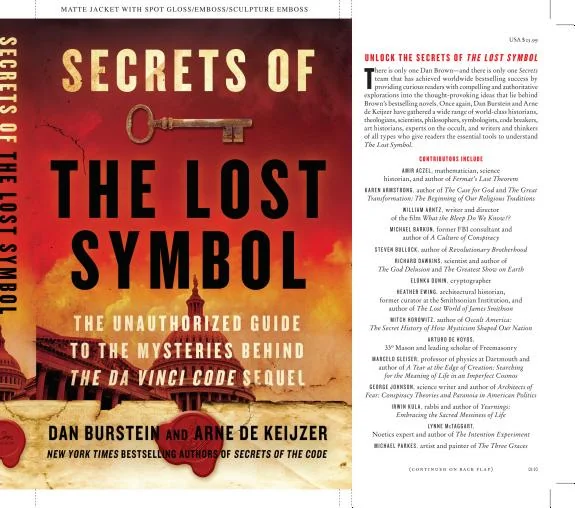
Secrets of The Lost Symbol
 78
78

Secrets of The Lost Symbol
Burstein and de Keijzer's examination of Dan Brown's *The Lost Symbol* is less a literary critique and more a meticulous unpacking of the novel's dense historical and symbolic architecture. Their strength lies in their ability to connect Brown's fictional constructs to tangible historical threads, particularly concerning Freemasonry and the esoteric landscape of Washington D.C. For instance, their explanation of the "Noetic Science" principles, as they relate to the novel's plot, provides a clear bridge between fiction and speculative science. However, the book sometimes feels more like an annotated bibliography than a flowing narrative, occasionally losing the reader in a sea of facts that, while accurate, lack dramatic cohesion. The authors' dedication to factual accuracy is commendable, but the text could benefit from a more integrated voice. Ultimately, *Secrets of The Lost Symbol* is a valuable, if dry, resource for those who want the footnotes to Brown's bestseller laid bare.
📝 Description
78
Published in December 2009, Secrets of The Lost Symbol decodes Dan Brown's novel.
Daniel Burstein and Arne de Keijzer's 2009 book, Secrets of The Lost Symbol, acts as a companion to Dan Brown's novel of the same name. It examines the historical, scientific, and esoteric elements that Brown incorporated into his story. The authors aim to clarify the real-world inspirations behind the fictional events and symbols.
This work is intended for readers of Dan Brown's novel who want to understand the historical references and symbols more deeply. It will appeal to those interested in Freemasonry, the hidden history of Washington D.C., ancient symbols, and the connections between art, science, and mysticism. It also caters to readers curious about the factual basis of popular fiction.
This book emerged in late 2009, a time when popular interest in conspiracy theories and hidden historical narratives was high, partly due to earlier works like The Da Vinci Code. It addresses a public fascination with secret societies and esoteric knowledge. The authors provide a scholarly context for contemporary fiction that touches on these themes, grounding them in verifiable traditions and historical facts.
💡 Why Read This Book?
• Learn about the real historical context of Masonic symbols, such as the Square and Compasses, and their significance beyond the fictional narrative. • Understand the scientific and philosophical theories, like Noetic Science, that informed the novel's exploration of consciousness and human potential. • Discover the hidden meanings behind specific locations and artifacts in Washington D.C. that were central to Dan Brown's plot, as detailed in Chapter 3.
⭐ Reader Reviews
Honest opinions from readers who have explored this book.
❓ Frequently Asked Questions
What historical societies and symbols are discussed in Secrets of The Lost Symbol?
The book extensively covers Freemasonry, detailing its history, rituals, and iconic symbols like the Square and Compasses. It also explores other esoteric traditions and their influence on Western thought and architecture, particularly as they relate to Washington D.C.
Does Secrets of The Lost Symbol explain the scientific concepts in Dan Brown's novel?
Yes, Burstein and de Keijzer investigate the scientific and pseudoscientific concepts featured in *The Lost Symbol*, such as Noetic Science and its purported effects on consciousness and human potential, providing context for Brown's fictional applications.
What is the relationship between Secrets of The Lost Symbol and Dan Brown's novel?
This book acts as a non-fiction companion guide to Dan Brown's novel *The Lost Symbol*. It aims to clarify the real-world history, symbolism, and esoteric ideas that inspired the fictional story.
When was Secrets of The Lost Symbol first published?
Secrets of The Lost Symbol was first published on December 1, 2009, shortly after the release of Dan Brown's novel of the same name.
Who are the authors of Secrets of The Lost Symbol?
The authors are Daniel Burstein and Arne de Keijzer, known for their previous works that explored the factual backgrounds of Dan Brown's other novels, like *Secrets of the Code*.
What specific locations in Washington D.C. are analyzed in the book?
The book examines various landmarks and architectural features within Washington D.C. that hold symbolic or historical significance, often tying them to Masonic lore and esoteric traditions as depicted in the novel.
🔮 Key Themes & Symbolism
Masonic Symbolism Decoded
This work meticulously unpacks the layers of meaning embedded within Masonic symbols featured in Dan Brown's novel. It moves beyond superficial interpretations to explore the historical development and philosophical underpinnings of signs like the Square and Compasses, the All-Seeing Eye, and the Hiram Abiff legend. By referencing actual Masonic texts and traditions, Burstein and de Keijzer provide context for how these symbols function within the novel's narrative and their broader significance in esoteric Western thought.
The Science of Consciousness
Central to the novel's plot is the concept of Noetic Science, the study of consciousness and its connection to the physical world. The book explains the real-world theories and scientific investigations that inspired Brown's exploration of mind-over-matter phenomena, memory manipulation, and human potential. It examines how these speculative scientific ideas intersect with ancient esoteric beliefs about the power of the mind and the interconnectedness of all things, offering a bridge between empirical inquiry and metaphysical concepts.
Washington D.C.'s Hidden History
Burstein and de Keijzer look at the esoteric architecture and symbolic field of Washington D.C., revealing how the city itself serves as a repository of hidden meanings and historical secrets. They analyze landmarks, monuments, and urban planning decisions, connecting them to Masonic principles, ancient mystery schools, and the nation's founding fathers' alleged involvement with esoteric philosophies. The book illuminates how these elements were woven into the narrative fabric of *The Lost Symbol*.
Ancient Mysteries and Modern Fiction
The work explores the enduring influence of ancient mystery traditions, such as those of Egypt and Greece, on contemporary thought and culture. It traces how these age-old concepts regarding initiation, enlightenment, and cosmic knowledge are reinterpreted and disseminated through modern fiction like Dan Brown's. By situating Brown's narrative within this longer historical arc of esoteric inquiry, the authors highlight the persistent human fascination with hidden wisdom and spiritual exploration.
💬 Memorable Quotes
Direct passages from the work, attributed to the author.
“The Masonic symbols are not just decoration; they are keys.”
— This interpretation highlights the authors' view that the symbols used in Freemasonry, and subsequently in Dan Brown's novel, are not merely ornamental. Instead, they are presented as functional elements intended to unlock deeper meanings, historical connections, and esoteric knowledge for those who understand their context.
“Washington D.C.'s layout mirrors ancient sacred geometry.”
— This highlights the book's analysis of the capital city's design. It suggests that the city's planners, influenced by esoteric traditions, incorporated principles of sacred geometry and symbolism into its structure, turning it into a physical manifestation of hidden knowledge.
“Brown's novel reawakens interest in forgotten historical narratives.”
— This interpretation underscores the book's perspective on the cultural impact of Dan Brown's work. It suggests that *The Lost Symbol* served as a catalyst, drawing public attention back to historical events, secret societies, and esoteric ideas that had previously been overlooked or marginalized.
“The pursuit of hidden knowledge is a recurring human endeavor.”
— This reflects a broader observation made by the authors about the underlying themes connecting ancient wisdom traditions and modern popular culture. It posits that the desire to uncover secrets and understand deeper truths is a fundamental aspect of the human condition, consistently expressed through various means, including fiction.
💡 Key Ideas
Editorial paraphrase of the work's core concepts — not direct quotes.
Noetic Science suggests the mind can directly influence the physical world.
This paraphrased concept points to the scientific theories explored in the book, particularly those related to consciousness. It emphasizes the idea that mental states and intentions can have tangible effects on external reality, a core theme that Burstein and de Keijzer connect to both the novel's plot and broader esoteric philosophies.
🌙 Esoteric Significance
Tradition
This work primarily engages with the Western Esoteric Tradition, particularly its Masonic and Hermetic branches. It situates Dan Brown's fictional narrative within this lineage, exploring how contemporary fiction reinterprets and disseminates concepts traditionally passed through secret societies and philosophical schools. It departs from strict adherence by focusing on the popularization and deconstruction of these ideas through a fictional lens, rather than direct transmission of doctrine.
Symbolism
Key symbols analyzed include the Square and Compasses, representing morality and the universe in Masonic lore, and the All-Seeing Eye, symbolizing divine providence or enlightenment. The book also examines the significance of the pyramid and the Hiram Abiff legend, interpreting them as metaphors for initiation, death, and rebirth within the context of Masonic and Hermetic teachings.
Modern Relevance
Contemporary thinkers and practitioners in fields like comparative religion, occult studies, and even architectural symbolism find value in this work. It serves as a bridge, illustrating how ancient esoteric concepts continue to permeate popular culture and influence narratives about consciousness, history, and hidden knowledge, making these ideas accessible to a wider audience today.
👥 Who Should Read This Book
• Readers of Dan Brown's *The Lost Symbol* seeking to separate fact from fiction and understand the historical inspirations behind the novel's plot. • Enthusiasts of Freemasonry and secret societies interested in learning about the real-world symbolism and history referenced in popular culture. • Students of Western Esotericism and comparative religion looking for accessible explanations of complex symbolic systems within a modern context.
📜 Historical Context
The publication of *Secrets of The Lost Symbol* in December 2009 occurred amidst a significant popular resurgence of interest in conspiracy theories, secret societies, and historical mysteries, largely propelled by Dan Brown's earlier blockbuster, *The Da Vinci Code*. This period saw a heightened public appetite for narratives that posited hidden truths beneath the surface of conventional history. The book's exploration of Freemasonry and the esoteric symbolism embedded in American landmarks tapped directly into this cultural zeitgeist. While Brown's fiction fictionalized these elements, Burstein and de Keijzer sought to provide a scholarly counterpoint, grounding the novel's fantastical elements in verifiable historical research. The intellectual climate was ripe for such explorations, with works like *Holy Blood, Holy Grail* (1982) by Michael Baigent, Richard Leigh, and Henry Lincoln having already laid groundwork for popular engagement with historical enigmas, though Brown's approach was more narrative-driven and accessible to a mass audience.
📔 Journal Prompts
The Masonic Square and Compasses: Analyze their dual meaning as tools and moral guides.
Noetic Science: Reflect on the potential impact of collective consciousness.
Washington D.C.'s symbolism: Consider how urban design can encode esoteric messages.
The Hiram Abiff legend: Explore its allegorical significance for personal transformation.
The concept of "hidden knowledge": How does it manifest in contemporary society?
🗂️ Glossary
Freemasonry
A fraternal organization originating in the late 16th to early 17th century, with roots in stonemasons' guilds. It uses allegorical rituals and symbols to impart moral and philosophical lessons, often involving a belief in a Supreme Being.
Noetic Science
A field of study exploring the relationship between consciousness and the physical universe. It investigates phenomena such as intuition, psychic abilities, and the mind's potential influence on matter and health.
Sacred Geometry
The belief that certain geometric shapes and proportions hold symbolic or spiritual meaning. It is often applied in the design of religious structures and esoteric art, suggesting a divine order in the universe.
Hermeticism
A philosophical and religious tradition based on writings attributed to Hermes Trismegistus. It emphasizes principles like 'As Above, So Below,' focusing on spiritual knowledge, alchemy, and astrology.
All-Seeing Eye
A symbol, often depicted as an eye within a triangle surrounded by rays of light, representing divine providence, omniscience, or spiritual enlightenment. It is prominent in Masonic symbolism.
Initiation
A ritual or ceremony marking a person's entry into a new stage of life, a group, or a level of knowledge. In esoteric traditions, it often involves symbolic death and rebirth.
The Lost Symbol
Refers to a mythical or esoteric symbol central to the plot of Dan Brown's novel, representing hidden knowledge or a profound truth sought by the characters.
This book appears in 1 collection
🔮 Readers Also Liked
Browse all →








From the “Philosopher's Stone” Collection
View all →






More Free Esoteric History & Biography Books
View all →