Life!
 82
82

Life!
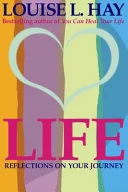
Louise L. Hay’s 'Life!' is less a manual and more a gentle, reflective conversation about the sheer, bewildering miracle of existence. Coming from an author whose name is synonymous with affirmation, it’s notable how Hay eschews prescriptive advice for a broader contemplation. She reminds us that life, in all its "magnificent, frightening, delightful, ridiculous, astounding" facets, is the point. A particular strength lies in her ability to distill complex existential notions into simple, accessible language, making profound ideas feel personal. However, for readers unfamiliar with Hay’s earlier, more directive works, the book might feel somewhat lacking in concrete takeaways, leaning heavily on a philosophical overview rather than actionable steps. The passage discussing the "ridiculous" aspects of life, particularly how we often get caught in trivialities, serves as a potent reminder of what truly matters. Ultimately, 'Life!' offers a warm, philosophical embrace of the human condition.
📝 Description
82
Louise L. Hay's 1995 book 'Life!' considers existence beyond conventional self-help.
Published in 1995, 'Life!' by Louise L. Hay is a reflective work that moves beyond specific healing techniques to ponder the experience of being alive. Hay encourages readers to accept the entirety of life, acknowledging both its joys and difficulties. The book is not a typical manual but a philosophical look at what it means to live.
This book is for people who want to understand life's deeper purpose and meaning. It suits those familiar with Hay's earlier writings and who are looking for a more thoughtful discussion. Anyone questioning life's fundamental aspects or wishing to find more beauty in daily moments will find resonance here.
Published in 1995, 'Life!' arrived during a time of growing interest in New Age spirituality and personal growth. Louise L. Hay was a notable figure in this movement, following her success with 'You Can Heal Your Life.' Her approach made spiritual and metaphysical ideas accessible, differing from more formal esoteric paths. Authors like Marianne Williamson also contributed to a receptive audience for Hay's message of self-love and affirmation.
💡 Why Read This Book?
• Gain a unique perspective on appreciating the totality of your life experiences, as encouraged by Hay's philosophy, which emphasizes embracing both joy and sorrow as presented in 'Life!'. • Discover how to cultivate a deeper sense of gratitude for existence itself, inspired by Hay's reflections on the "magnificent, frightening, delightful" nature of life, first articulated in her 1995 work. • Learn to reframe challenges not as obstacles but as integral parts of the human journey, a core concept explored throughout 'Life!' by Louise L. Hay.
⭐ Reader Reviews
Honest opinions from readers who have explored this book.
❓ Frequently Asked Questions
When was Louise L. Hay's 'Life!' first published?
Louise L. Hay's 'Life!' was first published in 1995, positioning it within the popular New Age and self-help movements of the mid-1990s.
What is the main message of Louise L. Hay's book 'Life!'?
The main message of 'Life!' is to embrace and appreciate the entirety of the human experience, recognizing all its facets—joyful, frightening, delightful, and ridiculous—as part of the miraculous gift of existence.
How does 'Life!' differ from Hay's other books like 'You Can Heal Your Life'?
'Life!' offers a more philosophical and reflective exploration of existence, whereas 'You Can Heal Your Life' focuses more on specific affirmations and healing techniques for physical and emotional well-being.
Is 'Life!' considered an esoteric text?
While 'Life!' deals with metaphysical concepts like the power of thought and the nature of reality, it is often categorized more broadly within New Age and personal development literature rather than strictly esoteric traditions.
What kind of reader would most benefit from reading 'Life!'?
Readers seeking a broader, philosophical perspective on life, those interested in existential questions, and fans of Louise L. Hay's earlier works who want to engage with her more introspective reflections would benefit most.
Does 'Life!' offer practical exercises or advice?
While 'Life!' encourages a shift in perspective, it offers fewer direct practical exercises compared to Hay's earlier works. Its primary benefit lies in shifting one's philosophical outlook on life.
🔮 Key Themes & Symbolism
Embracing the Full Spectrum
The book posits that life's value lies in its totality. Hay urges readers not to shy away from the "frightening" or "ridiculous" aspects but to accept them as integral components of the human experience. This contrasts with many self-help approaches that focus solely on positivity, advocating instead for a comprehensive acceptance of all that living entails. It’s about finding wonder in the mundane and the extraordinary alike.
The Miracle of Existence
Hay frames life itself as an "astounding thing," a gift to be cherished. This perspective encourages a shift from problem-solving to presence and appreciation. By recognizing the inherent miracle in simply being alive, readers are invited to cultivate gratitude and awe. This aligns with certain mystical traditions that view the material world and human existence as divine manifestations.
Inner Power and Belief
Consistent with Hay’s broader philosophy, 'Life!' touches upon the idea that our thoughts and beliefs shape our reality. The book implicitly suggests that by embracing life fully, we unlock our inner power. This concept appeals to principles found in various metaphysical teachings, emphasizing the mind's creative force and its role in manifesting our lived experience.
Acceptance Over Judgment
A core tenet of 'Life!' is the encouragement to accept life as it is, rather than judging or resisting its less pleasant aspects. This non-judgmental stance is crucial for finding peace and contentment. It mirrors the acceptance found in some Buddhist philosophies and emphasizes that struggle often arises from resistance to what is.
💬 Memorable Quotes
Direct passages from the work, attributed to the author.
“Life is a gift.”
— A simple yet profound statement that serves as a foundational belief within the book. It encourages readers to approach their existence with gratitude and awe, recognizing the inherent preciousness of being alive.
“Embrace the journey.”
— This phrase, while common, is used by Hay to advocate for accepting the process of living, including its ups and downs, rather than focusing solely on destinations or outcomes. It's an invitation to be present and engaged with each moment.
“There is wonder in everything.”
— Hay suggests that by adopting a mindset of openness and curiosity, one can discover the extraordinary within the ordinary. This highlights the potential for magic and meaning in everyday life, a perspective often found in spiritual teachings.
“Accept yourself and love yourself.”
— This is a recurring theme for Hay, implying that self-acceptance is the bedrock upon which a full appreciation of life is built. It suggests that external circumstances are less important than one's internal state of being.
💡 Key Ideas
Editorial paraphrase of the work's core concepts — not direct quotes.
The magnificent, frightening, delightful, ridiculous, astounding thing that you experience between birth and death is what life is all about.
This quote captures the book's central thesis: that life's value is found in its entirety, embracing all emotions and experiences without reservation. It challenges readers to see the beauty and significance in every aspect of their existence.
🌙 Esoteric Significance
Tradition
While Louise L. Hay's work is primarily situated within the New Age movement, 'Life!' draws upon threads common in esoteric thought. It reflects the Hermetic principle of 'As Above, So Below,' suggesting a connection between our inner world and outer experience, and the Gnostic emphasis on recognizing the divine spark within. However, Hay’s approach is decidedly less structured and initiatory than classical Hermeticism or Kabbalah, focusing instead on universal accessibility and personal empowerment through affirmations and self-love.
Symbolism
The book, while not overtly symbolic in its language, uses the "magnificent, frightening, delightful, ridiculous, astounding" spectrum of life as a symbolic representation of the totality of existence. This can be seen as a modern interpretation of the alchemical concept of the *prima materia*, the chaotic, undifferentiated substance from which all creation arises. The "astounding thing" of life itself symbolizes the divine spark or the ultimate reality that underlies all manifest forms.
Modern Relevance
Hay's philosophy in 'Life!' continues to be relevant for contemporary seekers interested in mindfulness, positive psychology, and accessible spirituality. Thinkers and practitioners in fields like coaching, wellness, and conscious living often reference her core ideas on self-acceptance and the power of thought. Her work provides a foundational, less complex entry point into metaphysical concepts for those who might find more traditional esoteric texts daunting or overly academic.
👥 Who Should Read This Book
• Individuals new to metaphysical concepts and self-reflection who are seeking an accessible introduction to the idea of life's inherent value. • Long-time followers of Louise L. Hay's work looking for a more philosophical and overarching perspective beyond her specific healing techniques. • Readers grappling with existential questions or seeking to cultivate a greater sense of gratitude and acceptance for the entirety of their life experiences.
📜 Historical Context
Published in 1995, Louise L. Hay's 'Life!' entered a cultural moment ripe with interest in personal growth and New Age spirituality. Hay was already a towering figure, having sold millions of copies of 'You Can Heal Your Life' (1984). Her accessible, affirmative approach provided a gentler alternative to more dogmatic spiritual movements or the often-clinical tone of early psychology. The era saw a surge in books promoting self-love, positive thinking, and metaphysical explanations for life's circumstances. Hay’s work, while not strictly academic, engaged with concepts of mind-body connection and the power of belief that were gaining wider traction. She stood apart from contemporaries like Eckhart Tolle, whose 'The Power of Now' would emerge a few years later with a more focused emphasis on presence, by offering a broader, more celebratory view of life itself. Hay's reception was overwhelmingly positive, cementing her status as a spiritual guru for millions, though some critics noted the lack of empirical grounding for her claims.
📔 Journal Prompts
The "magnificent, frightening, delightful, ridiculous, astounding" nature of life: Identify one instance where you experienced each.
Reflect on the "gift" of life: What aspect of your existence feels most miraculous today?
Consider the "astounding thing" that is life: How does recognizing its wonder shift your daily perspective?
Explore the "delightful" moments: How can you amplify these experiences, as suggested by Hay's philosophy?
Contemplate the "frightening" aspects: What is one step you can take toward acceptance, as encouraged in 'Life!'?
🗂️ Glossary
Affirmation
A positive statement or declaration, often repeated, designed to challenge or overcome self-sabotaging and negative thoughts. Hay famously used affirmations as a tool for personal change.
Metaphysical
Relating to the fundamental nature of reality, existence, and the universe. It often explores concepts beyond the physical or empirical, such as consciousness and spirit.
New Age Movement
A broad spiritual movement that emerged in the mid-20th century, characterized by a blend of Western esoteric traditions, Eastern mysticism, and self-help principles.
Self-acceptance
The act of embracing oneself, including one's flaws and imperfections, without judgment. It is considered a foundational element for personal growth and well-being in Hay's teachings.
Spectrum of Experience
Refers to the full range of human emotions and life events, from the most positive and joyful to the most negative and challenging.
The Gift of Life
A concept emphasizing the preciousness and inherent value of existence itself, encouraging gratitude and appreciation for being alive.
Inner Power
The belief that individuals possess inherent capabilities and the ability to influence their own lives and reality through their thoughts, beliefs, and attitudes.
This book appears in 1 collection
🔮 Readers Also Liked
Browse all →









From the “Affirmations” Collection
View all →






More Free Sacred Texts & Gnosticism Books
View all →