Apophasis and Pseudonymity in Dionysius the Areopagite
 83
83

Apophasis and Pseudonymity in Dionysius the Areopagite



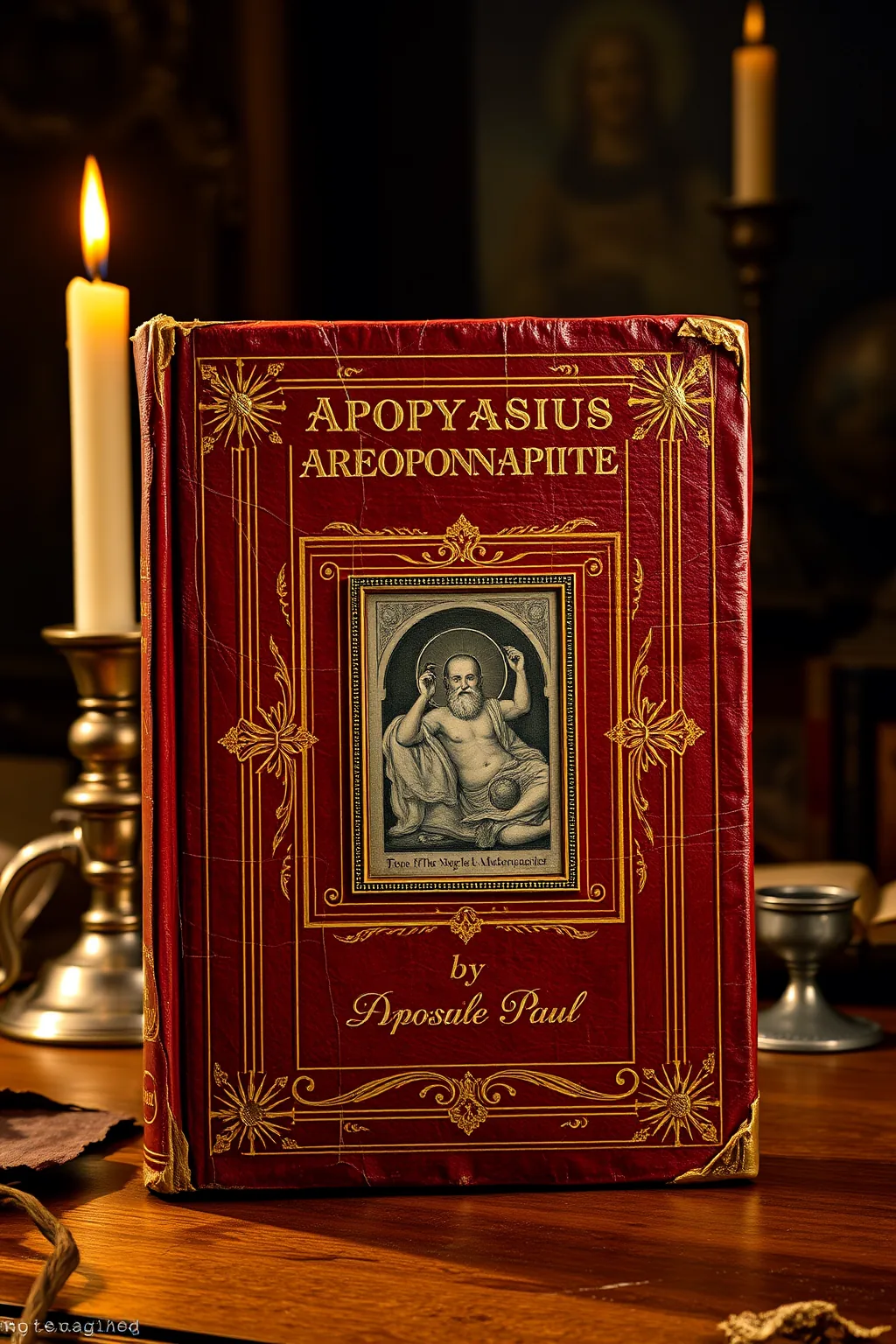
Apophasis and Pseudonymity in Dionysius the Areopagite is a seminal work for modern esoteric seekers, providing a detailed and nuanced exploration of the Corpus Dionysiacum. The author's argument that the pseudonym Dionysius the Areopagite and the influence of Paul are key to understanding the CD is compelling and well-supported. The book's strength lies in its ability to illuminate central mystical themes such as hierarchy, theurgy, and deification through the lens of Paul's teachings. This makes it an invaluable resource for those interested in the mystical traditions of Christianity. The text is densely packed with scholarly insights, making it particularly suited for academics and serious students of esoteric studies. For the general reader, the depth of analysis and the richness of the historical context may require some prior knowledge, but the rewards are substantial. This book is a must-read for anyone seeking to deepen their understanding of Christian mysticism and its esoteric roots. Rating:
📝 Description
83
This book examines the pseudonymous writings attributed to Dionysius the Areopagite.
The writings of Dionysius the Areopagite, a collection of texts from late antiquity, have long been a subject of scholarly debate and mystical contemplation. This work focuses on two key aspects of the Corpus Dionysiacum: the use of pseudonymity, where the author adopts the persona of Dionysius, an early follower of Paul, and the concept of apophasis, or negative theology. Apophasis is a method of approaching the divine by describing what God is not, rather than what God is, a practice central to the Dionysian corpus.
The book investigates the relationship between the pseudonymous author and the apostle Paul, exploring how this literary device shapes the theological content. It also details core themes present in the Dionysian works, including the structure of celestial and ecclesiastical hierarchies, the concept of theurgy or divine work, and the goal of deification. The text aims to clarify these elements for those interested in the philosophical and spiritual underpinnings of these influential writings.
Dionysius the Areopagite's writings are a cornerstone of esoteric Christianity, blending Neoplatonic philosophy with Christian doctrine. These texts were instrumental in shaping mystical traditions across Eastern Orthodoxy and Western medieval thought. Their influence extends to Sufism and Jewish mysticism as well. The use of apophasis, a via negativa, allows for an approach to the divine beyond conceptual grasp, a common characteristic in many esoteric paths seeking direct experience of the ultimate reality.
💡 Why Read This Book?
In today's world, where spiritual seekers often explore a variety of mystical traditions, 'Apophasis and Pseudonymity in Dionysius the Areopagite' offers a unique and profound perspective on Christian mysticism. By understanding the influence of Paul on the Corpus Dionysiacum, readers gain insights into the foundational themes of hierarchy, theurgy, and deification. This book is particularly valuable for those interested in the esoteric dimensions of Christianity and the enduring relevance of ancient mystical texts. It provides a deeper appreciation for the complexities of Christian mysticism and its influence on modern spiritual thought.
⭐ Reader Reviews
Honest opinions from readers who have explored this book.
❓ Frequently Asked Questions
Who is the target audience for this book?
This book is ideal for scholars, students of esoteric studies, and spiritual seekers interested in Christian mysticism and the influence of Paul's teachings.
What are the main themes discussed in the book?
The main themes include hierarchy, theurgy, deification, Christology, affirmation (kataphasis), negation (apophasis), dissimilar similarities, and unknowing, all explored through the lens of the Corpus Dionysiacum.
How does this book contribute to the understanding of Christian mysticism?
The book provides a detailed analysis of the Corpus Dionysiacum, arguing that the pseudonym Dionysius the Areopagite and the influence of Paul are crucial for understanding its mystical themes.
🔮 Key Themes & Symbolism
Pseudonymity and Spiritual Authority
The use of pseudonymity in the Corpus Dionysiacum raises questions about spiritual authority and the nature of esoteric knowledge. Dionysius the Areopagite's works are shrouded in mystery, inviting readers to explore the hidden layers of mystical theology.
The Influence of Paul
The apostle Paul's teachings permeate the Corpus Dionysiacum, useful themes such as hierarchy, deification, and the mystical practice of apophasis. This book reveals how Paul's influence shapes the esoteric range of Christian mysticism.
Mystical Practice of Apophasis
Apophasis, or negative theology, is a central theme in the Corpus Dionysiacum. This mystical practice seeks to describe the divine by affirming what it is not, recognizing the limitations of human language in defining the divine.
💡 Key Ideas
Editorial paraphrase of the work's core concepts — not direct quotes.
The divine is beyond all affirmation and negation.
This quote underscores the mystical practice of apophasis, recognizing the limitations of human language in describing the divine.
The pseudonym Dionysius reveals the hidden truths of spiritual authority.
This line highlights the esoteric significance of pseudonymity in the Corpus Dionysiacum, inviting readers to explore the mysteries of mystical theology.
Paul's teachings animate the entire Corpus Dionysiacum.
This quote emphasizes the profound influence of Paul on the central themes of the Corpus Dionysiacum, such as hierarchy and deification.
The divine mystery is unveiled through the practice of theurgy.
This line underscores the mystical practice of theurgy, which seeks to connect with the divine through ritual and contemplation.
The Corpus Dionysiacum is a strong example of esoteric knowledge.
This quote highlights the strong symbolism and clear insights found in the Corpus Dionysiacum, making it an invaluable resource for seekers of spiritual truth.
🌙 Esoteric Significance
Tradition
This book belongs to the Hermetic and Neoplatonic traditions, which emphasize the mystical union with the divine and the exploration of hidden knowledge. The use of pseudonymity and the esoteric themes explored in the Corpus Dionysiacum reflect these ancient spiritual practices.
Symbolism
Key symbols in this text include the hierarchy of angels, the practice of theurgy, and the mystical practice of apophasis. These symbols represent the esoteric quest for spiritual enlightenment and the recognition of the divine mystery.
Modern Relevance
This work remains relevant today for modern practitioners of mysticism and esoteric studies. It offers clear insights into the nature of spiritual authority, the practice of apophasis, and the mystical quest for divine union. Contemporary scholars and spiritual seekers continue to draw on the strong symbolism and esoteric knowledge found in the Corpus Dionysiacum.
👥 Who Should Read This Book
This book is ideal for scholars of religious studies, spiritual seekers, and practitioners of theurgy. Beginners will find it enlightening for its introduction to mystical theology and esoteric symbolism. Advanced scholars will appreciate the useful insights into the Corpus Dionysiacum and the influence of Paul. Spiritual seekers will benefit from the contemplative depth and philosophical inquiry offered in this text. Practitioners of theurgy will find it a valuable resource for their mystical practices.
📜 Historical Context
Written in the late 5th or early 6th century, 'Apophasis and Pseudonymity in Dionysius the Areopagite' emerged during a time of great theological and philosophical inquiry. The Corpus Dionysiacum, attributed to Dionysius the Areopagite, had a profound influence on the development of Christian mysticism. The use of pseudonymity and the esoteric themes explored in these texts have shaped the spiritual range of the Middle Ages and beyond, making this work a foundational text for scholars and practitioners of mystical theology.
📔 Journal Prompts
Reflect on the significance of pseudonymity in the Corpus Dionysiacum.
Consider the influence of Paul on the themes of hierarchy and deification.
Explore the mystical practice of apophasis and its relevance to your spiritual journey.
How does the use of symbolism in the Corpus Dionysiacum enhance your understanding of mystical theology?
What insights have you gained from the esoteric knowledge presented in this book?
🗂️ Glossary
Apophasis
Negative theology that seeks to describe the divine by affirming what it is not, recognizing the limitations of human language in defining the divine.
Corpus Dionysiacum
A collection of mystical theological texts attributed to Dionysius the Areopagite, exploring themes of hierarchy, deification, and the divine mystery.
Theurgy
A mystical practice that seeks to connect with the divine through ritual and contemplation.
Deification
The process of becoming divine or united with the divine, a central theme in Christian mysticism.
Pseudonymity
The use of a false name or pseudonym to convey esoteric knowledge and spiritual authority.
This book appears in 1 collection
🔮 Readers Also Liked
Browse all →






From the “Christian Mysticism” Collection
View all →








More Free Mysticism & Contemplation Books
View all →