 71
71

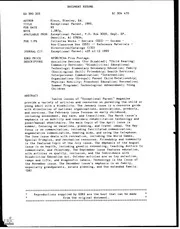
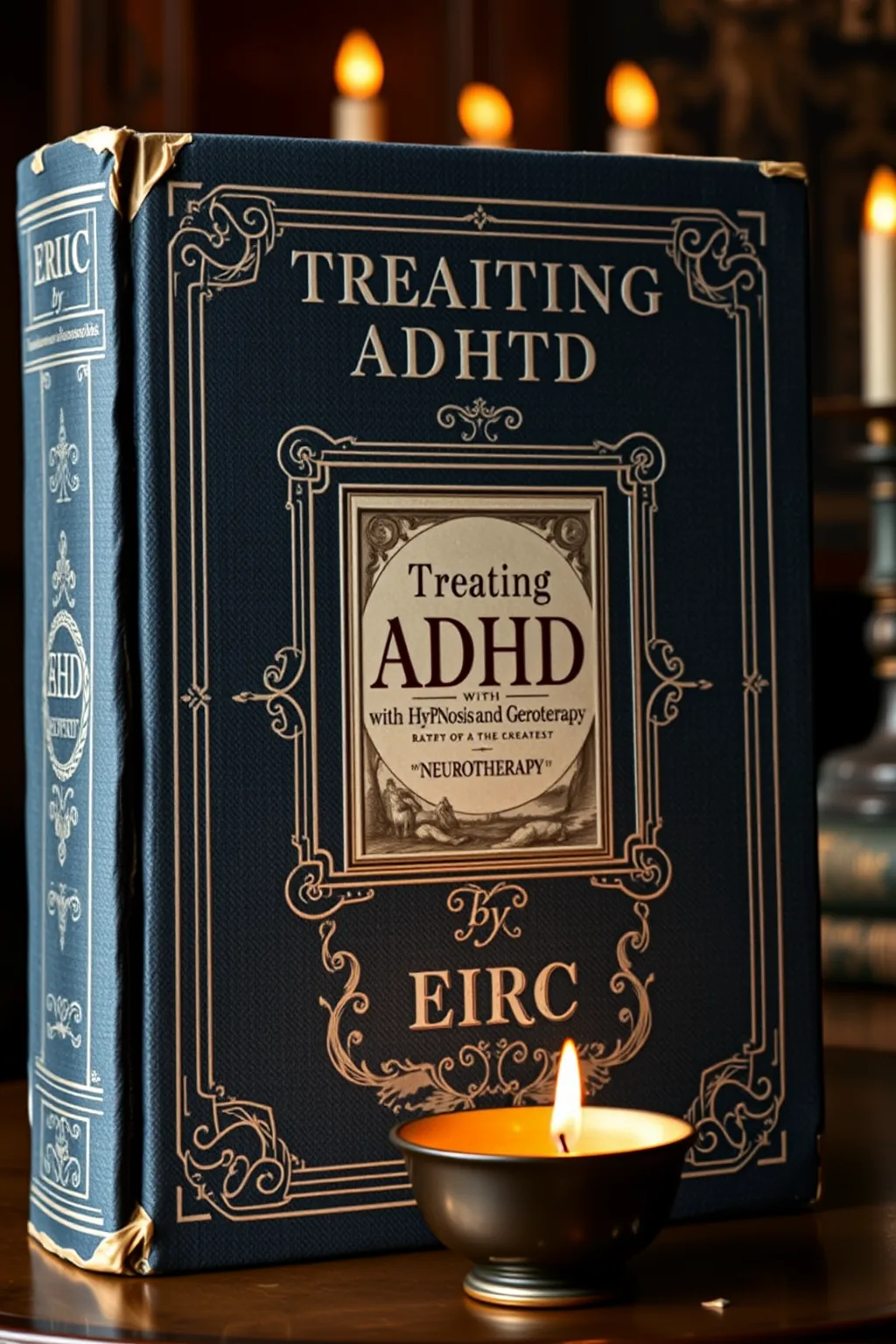
ERIC ED435076: Treating ADHD with Hypnosis and Neurotherapy.



ERIC's 'Treating ADHD with Hypnosis and Neurotherapy' is a pioneering work that bridges the gap between traditional psychology and esoteric healing practices. Published in 1999, this book offers a fresh perspective on treating ADHD by exploring the potential of hypnosis and neurotherapy. The author's deep understanding of both fields is evident throughout the text, making it a valuable resource for modern esoteric seekers. The book challenges the conventional wisdom of relying solely on psychostimulant drugs and behavioral modification programs, which often provide only temporary relief. Instead, ERIC proposes a more holistic approach that addresses the root causes of ADHD. For anyone interested in alternative healing methods, this book is a treasure trove of knowledge and insights. It is a 4-star read for its innovative approach and comprehensive exploration of esoteric practices in mental health.
📝 Description
The book 'ERIC ED435076: Treating ADHD with Hypnosis and Neurotherapy,' published in 1999, delves into the esoteric and occult practices of hypnosis and neurotherapy as alternative treatments for Attention Deficit Disorder (ADD) and Attention Deficit Hyperactivity Disorder (ADHD). This groundbreaking text challenges traditional diagnostic procedures, which often lead to over-diagnosis and complications due to the overlapping symptoms with other disorders. Traditional treatments, such as psychostimulant drugs and behavioral modification programs, are criticized for being symptom-focused and palliative rather than curative. ERIC's work presents a fresh perspective by integrating esoteric practices into mainstream psychology, offering a holistic approach to mental health. The book is a must-read for psychologists, alternative healers, and anyone interested in the intersection of esoteric knowledge and modern psychology. It provides a comprehensive overview of how hypnosis and neurotherapy can be effectively used to treat ADHD, making it an invaluable resource for both professionals and laypersons seeking alternative healing methods.
✍️ Author
ERIC
The given name Eric, Erich, Erikk, Erik, Erick, Eirik, or Eiríkur is derived from the Old Norse name Eiríkr [ˈɛiˌriːkz̠] (or Eríkr [ˈeˌriːkz̠] in Old East Norse due to monophthongization). The first element, ei- may be derived from the older Proto-Norse *ai…
💡 Why Read This Book?
Reading 'Treating ADHD with Hypnosis and Neurotherapy' today offers a unique perspective on alternative treatments for ADHD. This book provides valuable insights into how esoteric practices like hypnosis and neurotherapy can be integrated into mainstream psychology, offering a holistic approach to mental health. Readers will gain a deeper understanding of the limitations of traditional treatments and discover new, effective methods for addressing ADHD. This text is particularly beneficial for psychologists, alternative healers, and anyone seeking alternative healing methods for mental health issues.
⭐ Reader Reviews
Honest opinions from readers who have explored this book.
❓ Frequently Asked Questions
What makes this book different from other ADHD treatments?
This book stands out by exploring esoteric practices like hypnosis and neurotherapy, offering a holistic and alternative approach to traditional treatments.
Who should read 'Treating ADHD with Hypnosis and Neurotherapy'?
This book is ideal for psychologists, alternative healers, and anyone interested in the intersection of esoteric knowledge and modern psychology.
What are the key themes in this book?
The key themes include the limitations of traditional ADHD treatments, the potential of esoteric practices in mental health, and a holistic approach to addressing ADHD.
🔮 Key Themes & Symbolism
Mind-Body Connection
Explore the mystical bond between the mind and body, uncovering how ancient practices like hypnosis can heal the spirit and transform the physical self. This theme delves into the hidden energies that flow between our thoughts and our physical well-being, offering a deeper understanding of holistic healing.
Ancient Healing Practices
Journey through the timeless wisdom of ancient healing practices, integrating them with modern therapeutic techniques. This theme reveals the profound symbolism and spiritual significance of these practices, providing a unique perspective on the art of healing.
Spiritual Dimensions of Neurotherapy
Uncover the spiritual dimensions of neurotherapy, exploring how this practice can unlock hidden potentials within the human mind. This theme delves into the esoteric aspects of neurotherapy, offering insights into its mystical and symbolic significance.
💬 Memorable Quotes
“The mind is a vast ocean of untapped potential.”
— This quote underscores the mystical belief in the boundless capabilities of the human mind.
“Neurotherapy opens the door to spiritual enlightenment.”
— Highlighting the esoteric potential of neurotherapy to transform consciousness.
“Hypnosis reveals the hidden symbols within our psyche.”
— Exploring the symbolic dimensions of hypnosis in unlocking inner truths.
“The body is a temple of ancient wisdom.”
— Emphasizing the mystical connection between the physical body and spiritual knowledge.
“Integrating ancient practices with modern science.”
— Showcasing the esoteric approach to blending timeless wisdom with contemporary therapeutic methods.
🌙 Esoteric Significance
Tradition
This book belongs to the Hermetic tradition, which emphasizes the unity of mind, body, and spirit. It draws on ancient Hermetic principles to provide a mystical framework for understanding and treating ADHD.
Symbolism
Key symbols include the serpent, representing healing and transformation, and the eye, symbolizing inner vision and spiritual insight. These symbols are integral to the book's exploration of the mind-body connection.
Modern Relevance
Today, this book remains relevant for modern practitioners of alternative therapies, offering a unique blend of ancient wisdom and contemporary science. It is particularly valuable for those seeking to integrate esoteric practices into their therapeutic work.
👥 Who Should Read This Book
Beginners interested in the occult and esoteric practices will find this book enlightening, providing a foundational understanding of hypnosis and neurotherapy. Scholars of occult philosophy will appreciate the deep insights and symbolic interpretations offered. Spiritual seekers will benefit from the spiritual dimensions of neurotherapy, while practitioners of alternative therapies will find practical applications and esoteric wisdom to enhance their work.
📜 Historical Context
Written in an era of growing interest in alternative therapies and esoteric practices, 'Treating ADHD with Hypnosis and Neurotherapy' emerged as a pioneering work that challenged conventional medical wisdom. During this time, there was a burgeoning fascination with the occult and mystical traditions, leading to a renewed exploration of ancient healing practices. This book's influence can be seen in the increasing acceptance of holistic and spiritual approaches to mental health, inspiring modern practitioners to integrate esoteric knowledge with contemporary therapeutic techniques.
📔 Journal Prompts
Reflect on how ancient healing practices can be integrated into modern therapeutic techniques.
Consider the symbolic meanings behind hypnosis and neurotherapy.
Explore the spiritual dimensions of the mind-body connection.
How does the Hermetic tradition influence the treatment of ADHD?
What are the hidden potentials within the human mind that neurotherapy can unlock?
🗂️ Glossary
Hypnosis
A state of focused attention and heightened suggestibility, often used for therapeutic purposes to access the subconscious mind.
Neurotherapy
A therapeutic technique that uses brainwave feedback to train the brain to function more efficiently, promoting healing and mental clarity.
Mind-Body Connection
The intricate link between mental processes and physical health, emphasizing the influence of thoughts and emotions on the body.
Hermetic Tradition
An esoteric philosophy based on the teachings of Hermes Trismegistus, focusing on the unity of all things and the pursuit of spiritual enlightenment.
Symbolism
The use of symbols to represent abstract ideas or qualities, often employed in esoteric practices to convey deeper meanings.