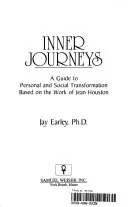
Inner Journeys
 80
80

Inner Journeys
Jay Earley’s Inner Journeys offers a direct, exercise-driven approach to confronting personal history. Unlike many self-help books that meander through theory, Earley presents a series of structured practices clearly influenced by Jean Houston's methodologies. The strength of the book lies in its actionable nature; readers are not passive recipients of information but active participants in their own healing process. The exercises themselves, aimed at fostering self-support and processing past psychological pain, are potent when approached with sincerity. However, the book’s directness can also be its limitation. The foundational concepts, while effective, might feel less novel to those already deeply familiar with the Human Potential Movement's broader landscape. A passage detailing the integration of fragmented self-aspects through guided visualization, for instance, effectively demonstrates the book’s practical intent but assumes a certain comfort with such techniques. Earley’s work provides a solid, if not entirely groundbreaking, toolkit for personal psychological work.
📝 Description
80
Jay Earley's 1990 book, Inner Journeys, offers exercises for psychological healing and personal empowerment.
Inner Journeys provides practical exercises designed for psychological healing and personal empowerment. Developed by Jay Earley, these techniques draw from the therapeutic and developmental work of Jean Houston, a key figure in humanistic psychology. The book aims to give readers tools to address past emotional wounds and build self-reliance. It moves beyond theory to give actionable steps for self-discovery and resilience.
This guide is for individuals actively seeking to resolve psychological distress and build inner strength. It appeals to those interested in self-help, personal growth, and applying psychological principles practically. Readers who want structured exercises to confront and integrate past experiences will find it valuable. The book is suited for those who believe in personal transformation through focused inner work and are ready for the commitment.
Published in 1990, Inner Journeys emerged within the Human Potential Movement, a time when experiential techniques for personal development were gaining traction. Earley's exercises align with psychodrama and guided imagery, methods popular in late 20th-century therapeutic circles. The book's focus on self-support and healing psychological pain reflects a broader societal interest in psychology for self-improvement, moving it from academic study to accessible personal practice.
💡 Why Read This Book?
• You will learn specific techniques for processing past psychological pain, directly applying exercises inspired by Jean Houston's work from the 1980s to foster inner resilience. • You will gain practical methods for cultivating self-support, moving beyond theoretical understanding to implement strategies for personal power as detailed in Earley’s structured approach. • You will engage with a methodology focused on personal growth and healing, utilizing the book's exercises from 1990 to actively reshape your relationship with past experiences.
⭐ Reader Reviews
Honest opinions from readers who have explored this book.
❓ Frequently Asked Questions
What is the main goal of the exercises in Inner Journeys?
The primary goal is to help readers heal psychological pain from their past and to foster robust self-support and a strong sense of personal power through structured practice.
Who is Jean Houston and what is her connection to this book?
Jean Houston is a key figure in the Human Potential Movement. Jay Earley's exercises in Inner Journeys are based on her groundbreaking work in humanistic psychology and experiential learning.
When was Inner Journeys first published?
Inner Journeys was first published in 1990, placing it within the context of late 20th-century explorations in personal growth and psychological self-help.
Are the exercises in the book difficult to follow?
The exercises are designed to be practical and actionable. While they require introspection and commitment, Earley structures them to guide readers systematically through the process.
What kind of psychological pain does the book address?
The book aims to address lingering psychological distress and emotional wounds stemming from past experiences, providing tools to process and integrate them for healing.
Can this book help someone who has never done inner work before?
Yes, the book's structured exercises are suitable for beginners, offering a clear path to explore self-support and personal power even without prior experience in inner work.
🔮 Key Themes & Symbolism
Psychological Healing Techniques
The book centers on a series of practical exercises designed to facilitate the healing of psychological pain. Earley draws upon the methods of Jean Houston, emphasizing experiential learning and guided self-discovery. These techniques aim to help individuals confront and reframe past traumas or difficult experiences, transforming them from sources of distress into catalysts for growth and resilience. The focus is on active engagement rather than passive reflection, providing actionable steps for emotional integration and recovery.
Cultivating Self-Support
A core theme is the development of internal resources for self-reliance and personal strength. Earley's exercises guide readers in building a robust inner foundation, enabling them to draw confidence and stability from within. This process moves away from dependence on external validation and encourages the recognition of one's own capabilities. Fostering self-support is presented as crucial for navigating life's challenges and maintaining psychological well-being, empowering individuals to become their own source of strength.
Personal Power and Agency
Inner Journeys emphasizes the reclamation and enhancement of personal power. By engaging with the exercises, readers are encouraged to take an active role in their own psychological development and life path. This fosters a sense of agency, the belief in one's ability to effect change and make choices aligned with their true self. The book provides tools to overcome feelings of powerlessness, enabling individuals to assert themselves more effectively and live with greater intention and control over their lives.
Integration of Past Experiences
The book proposes a framework for integrating past experiences, particularly those that have caused psychological pain. Rather than seeking to forget or repress difficult memories, the exercises guide readers toward understanding and processing these events. This integration allows individuals to extract wisdom and strength from their history, neutralizing the negative impact of past wounds. The goal is to achieve a more cohesive sense of self, where the past informs but does not dominate the present.
💬 Memorable Quotes
Direct passages from the work, attributed to the author.
“Exercises to heal psychological pain from the past.”
— This concise statement expresses the book's primary objective: providing practical, actionable methods for addressing past emotional wounds and facilitating personal recovery.
“Fostering self-support and personal power.”
— This phrase highlights the dual outcome of engaging with Earley's exercises—building internal resilience and strengthening one's sense of agency and capability.
“Based on the work of Jean Houston.”
— This attribution grounds Earley's methodology in the established theories and practices of a prominent figure in the Human Potential Movement, lending credibility to the approach.
“A series of exercises created by the author.”
— This emphasizes the practical, hands-on nature of the book, indicating that it offers structured activities for the reader to perform rather than purely theoretical content.
💡 Key Ideas
Editorial paraphrase of the work's core concepts — not direct quotes.
Move beyond past pain to build inner strength.
This paraphrased concept captures the forward-looking and empowering intent of the exercises, suggesting a process of transformation that leverages past challenges for future growth.
🌙 Esoteric Significance
Tradition
Inner Journeys aligns with the principles of the Human Potential Movement, which itself draws from a broad spectrum of psychological and philosophical traditions, including humanistic psychology, existentialism, and elements of Eastern spiritual thought. While not strictly adhering to a single esoteric lineage like Hermeticism or Gnosticism, its focus on inner transformation, self-realization, and accessing deeper psychological resources echoes universal spiritual quests for wholeness.
Symbolism
The book's primary symbolism lies in the 'journey' itself – a metaphor for the process of psychological exploration and healing. 'Inner' signifies the internal landscape where this work takes place. While specific symbols aren't heavily detailed, the exercises often involve guided imagery, which can evoke personal symbols for the reader representing past traumas, inner strengths, or aspects of the self needing integration.
Modern Relevance
The emphasis on psychological healing, self-support, and personal power remains highly relevant. Contemporary therapeutic modalities like Internal Family Systems (IFS) and somatic experiencing share the goal of integrating past experiences and fostering inner resilience. Modern mindfulness practices and self-coaching techniques also echo Earley's focus on actionable exercises for personal development and empowerment.
👥 Who Should Read This Book
• Individuals seeking practical, exercise-based methods for healing past psychological wounds and emotional distress. • Practitioners and students of the Human Potential Movement interested in specific techniques inspired by Jean Houston's work. • Anyone looking to cultivate greater self-reliance, personal power, and a stronger sense of inner authority through structured self-exploration.
📜 Historical Context
Published in 1990, Jay Earley's Inner Journeys arrived as the Human Potential Movement, a significant force in late 20th-century psychology, was solidifying its impact. Spearheaded by figures like Jean Houston, the movement championed experiential techniques and the belief in unlocking latent human capacities. Earley’s work directly engaged with this milieu, offering structured exercises that mirrored psychodrama and guided imagery practices popular in therapeutic and self-development circles. This period saw a growing public interest in psychology as a tool for personal betterment, moving beyond clinical applications into everyday life. While figures like Carl Rogers focused on client-centered therapy, Earley’s approach was more directive, providing a specific toolkit for self-transformation. The book emerged in a landscape rich with exploration into consciousness and personal growth, a counterpoint to more cognitive or behaviorally focused schools of psychology.
📔 Journal Prompts
Reflect on the concept of 'self-support' as presented in the exercises.
Identify a past psychological pain point and consider its potential for transformation.
Explore the feeling of personal power generated by completing a specific exercise.
Consider how Jean Houston's approach informs Earley's exercise structure.
Document the process of integrating a difficult past experience using the book's methods.
🗂️ Glossary
Psychological Pain
Emotional or mental suffering resulting from past experiences, traumas, or unresolved conflicts, which can manifest as anxiety, depression, or low self-esteem.
Self-Support
The ability to provide oneself with emotional, psychological, and practical resources, fostering resilience and inner strength without sole reliance on external validation.
Personal Power
An individual's sense of agency, control, and capacity to influence their own life and circumstances, often cultivated through self-awareness and intentional action.
Human Potential Movement
A broad social and psychological movement emphasizing the realization of human capabilities and personal growth through experiential techniques and self-discovery.
Jean Houston
A prominent figure in the Human Potential Movement, known for her work in developmental psychology, mythology, and the use of guided imagery and psychosynthesis.
Integration
The psychological process of incorporating fragmented or conflicting aspects of the self, including past experiences, into a cohesive whole.
Experiential Learning
A learning process that emphasizes direct experience and reflection upon that experience to gain knowledge and skills, central to the methods in this book.
This book appears in 1 collection
🔮 Readers Also Liked
Browse all →









From the “Affirmations” Collection
View all →







More Free Occult Philosophy Books
View all →