What are Affirmations?
Affirmations are positive statements, typically spoken or written repeatedly, designed to influence the subconscious mind and promote desired changes in beliefs, attitudes, and behaviors. They function by challenging and replacing negative or limiting thought patterns with constructive ones. The core principle is that consistent positive repetition can rewire neural pathways, leading to tangible shifts in one's internal state and external reality. This practice is employed across therapeutic, spiritual, and self-help contexts to foster well-being and personal growth.
Best Books for Complete Beginners
For those new to affirmations, starting with practical, encouraging guides is essential. Louise Hay's 'Meditations to Heal Your Life' offers simple, daily practices focused on self-love and healing, making complex ideas accessible. 'The Little Book of Affirmations' by Orange Hippo! provides a concise collection of positive statements for everyday use. Dean Whiteside's 'Affirmation Alchemy' frames affirmations as a transformative tool, while 'Staying Strong' by Demi Lovato shares personal experiences and accessible affirmations. 'I Can Do It' by Louise Hay further reinforces a mindset of empowerment and capability.
Intermediate Reading
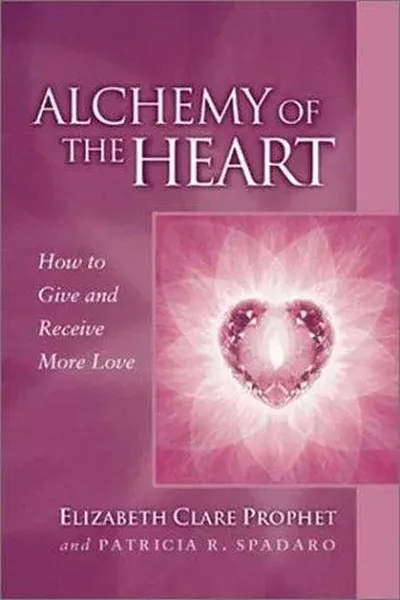
Moving beyond basic practice, intermediate texts explore the deeper psychological and spiritual underpinnings of affirmations. Shakti Gawain's 'Visualización creativa' and its companion 'Creative Visualization' offer techniques that integrate affirmations with mental imagery for enhanced manifestation. Patricia R. Spadaro's 'Alchemy of the Heart' connects affirmations to emotional healing and spiritual growth. Jan Spiller's 'Astrology for the Soul' can inform affirmations by linking them to personal karmic patterns, and 'Trust Life' by Louise Hay expands on embracing life's flow with positive intent.
Classical / Advanced Texts
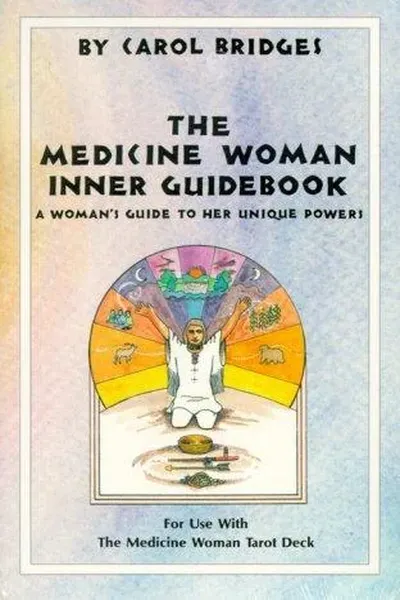
Advanced study of affirmations often intersects with mystical traditions and esoteric philosophy. Rudolf Steiner's 'An Outline of Occult Science' provides a framework for understanding the spiritual mechanics behind thought and consciousness, which underpins affirmation efficacy. 'Apophasis and Pseudonymity in Dionysius the Areopagite' studies negative theology, where affirmations might be understood through their opposite, highlighting the power of negation in spiritual discourse. 'The medicine woman inner guidebook' by Carol Bridges offers shamanic perspectives on inner work and intention setting.
Reading Order — Step by Step
Begin with foundational self-help: Weeks 1-2, focus on Louise Hay's 'Meditations to Heal Your Life' and 'I Can Do It' for basic positive statements and self-empowerment. Month 2, integrate visualization with Shakti Gawain's 'Creative Visualization' and 'Visualización creativa', using affirmation cards like 'Aura Alchemy Positive Affirmation Cards' by Z. Salim. Month 3, explore deeper emotional integration with Patricia R. Spadaro's 'Alchemy of the Heart' and Louise Hay's 'Trust Life'. For advanced study, begin Rudolf Steiner's 'An Outline of Occult Science' and explore the philosophical implications in texts on Dionysius the Areopagite.
Frequently Asked Questions
Which affirmation book should I read first?
For a gentle introduction, start with 'Meditations to Heal Your Life' by Louise Hay. It offers practical, compassionate guidance on using affirmations for everyday well-being and self-acceptance.
How often should I use affirmations?
Consistency is key. Many find daily practice beneficial, either in the morning to set intentions or in the evening to reinforce positive changes. Some texts suggest specific frequencies or durations for optimal effect.
Can affirmations really change my life?
Affirmations work by influencing your subconscious mind and altering thought patterns. While not a magic solution, consistent use, especially when combined with belief and action, can lead to significant shifts in perspective and behavior.
What's the difference between affirmations and positive thinking?
Positive thinking is a general optimistic outlook. Affirmations are specific, actionable statements designed to reprogram limiting beliefs. They are a tool within positive psychology and conscious self-talk.
Are affirmations religious?
Affirmations can be secular or spiritual. While many spiritual traditions incorporate positive declarations, their practice is not inherently tied to any specific religion and can be adapted to personal beliefs.
How do I create effective affirmations?
Effective affirmations are positive, present-tense, personal ('I am'), and specific. Avoid negative phrasing. Focus on what you want to achieve or become, rather than what you want to avoid.
What are affirmation cards?
Affirmation cards, like those by Z. Salim or Tina Marie Ashley, provide pre-written positive statements. They offer a convenient way to access daily inspiration and can be used for quick reflection or as prompts for deeper practice.