Kabbala
 61
61

Kabbala

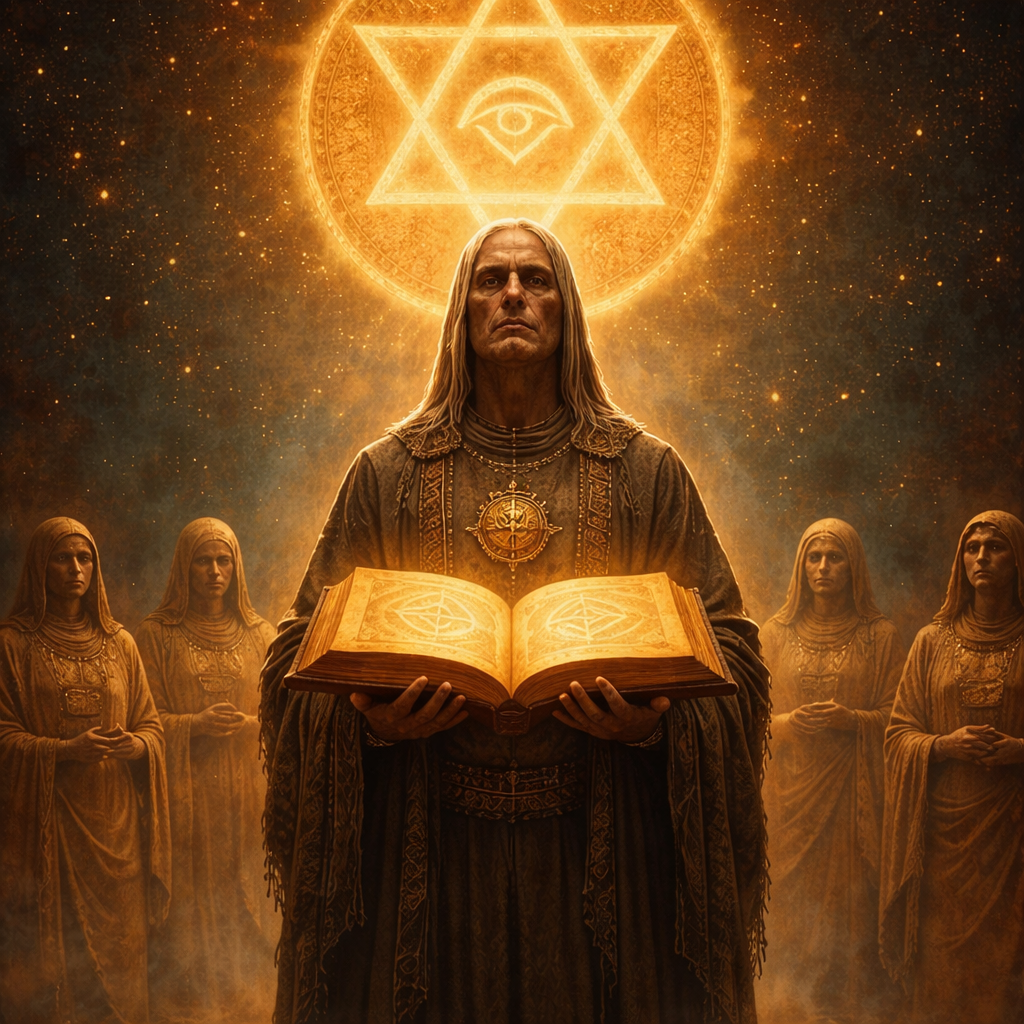

Ophelia Vance (Mystical Literature Reviewer) — Erich Bischoff's 'Kabbala' stands as a cornerstone for anyone seeking to grasp the intricate architecture of Jewish mysticism. Bischoff's exposition is both scholarly and deeply insightful, navigating the complex symbolism of the Sephirot and the mystical ascent with remarkable clarity. He masterfully deciphers the esoteric language, offering a profound understanding of the divine interplay within creation. This work is an essential read for serious students of Kabbalah, occult philosophy, and those yearning for a deeper connection to the spiritual dimensions of life. Its comprehensive nature makes it a valuable reference for both seasoned practitioners and curious newcomers alike.
📝 Description
61
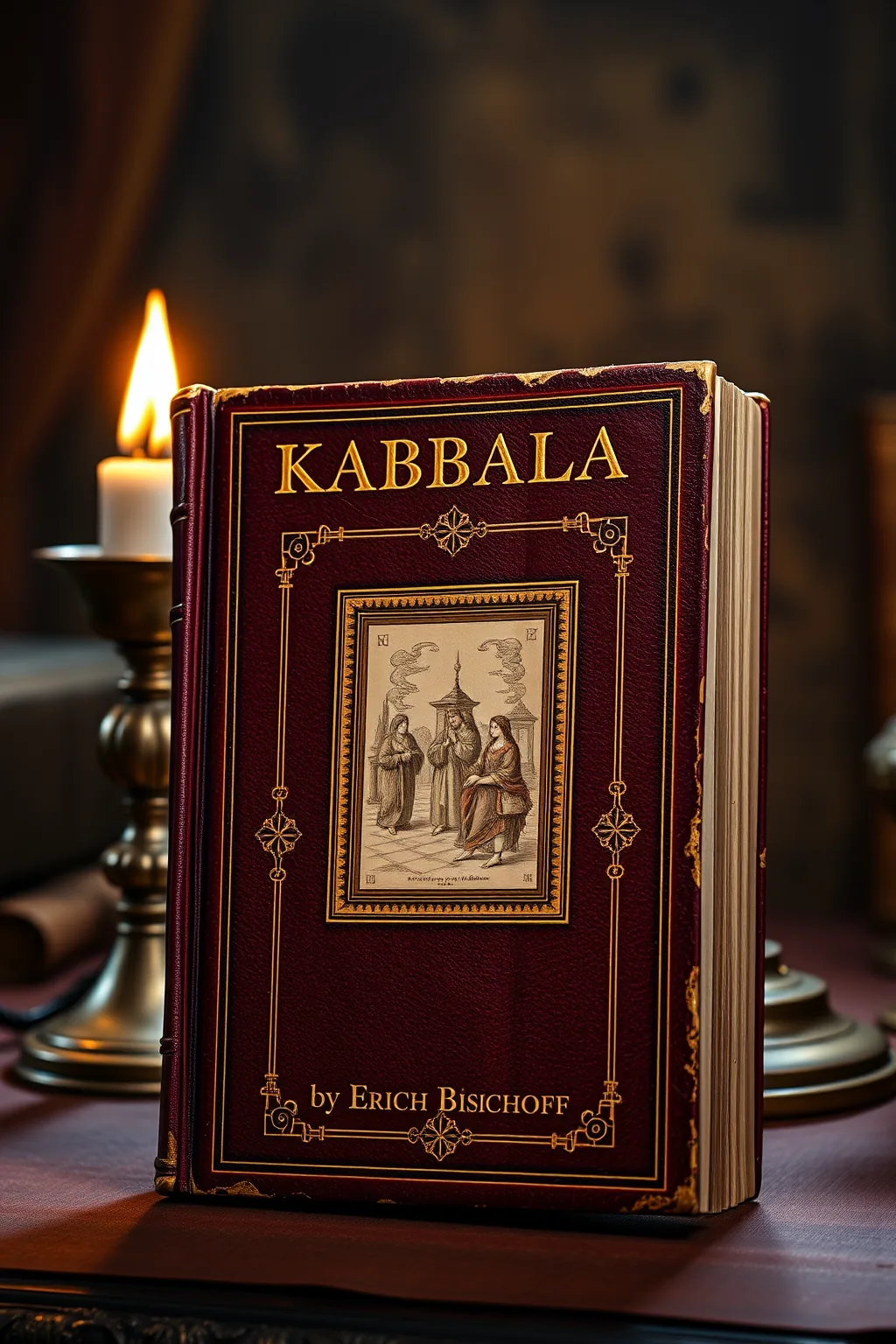
Erich Bischoff's Kabbala, published in 1911, details the core concepts of Jewish mysticism.
Erich Bischoff's Kabbala provides a structured introduction to the esoteric tradition of Jewish mysticism. The book examines the symbolic language and core principles that define Kabbalistic thought. Bischoff walks readers through the Sephirot, the divine emanations, and the spiritual path of the soul. It aims to illuminate a hidden universe where the material and divine intersect.
This work is intended for those seriously interested in spiritual philosophy and the deeper aspects of Gnosis. Bischoff's writing, characterized by careful research, seeks to evoke the atmosphere of sacred contemplation. The book serves as a guide to the metaphysical structures underlying existence. It is a thorough collection for anyone wanting to grasp the fundamental ideas of Kabbalah.
This book sits within the broader field of Western esotericism, specifically focusing on Jewish Kabbalah. It engages with a tradition that seeks to understand the divine nature and creation through symbolic interpretation and mystical practice. Bischoff's work connects Kabbalistic concepts to wider esoteric currents, making it accessible to students of mysticism outside of traditional Jewish scholarship. It represents an attempt to systematize and explain these complex ideas for a modern audience interested in hidden knowledge.
💡 Why Read This Book?
Embark on an illuminating journey into the heart of Jewish mysticism. This book offers unparalleled clarity on the Sephirotic Tree, divine emanations, and the esoteric pathways to spiritual enlightenment. Ideal for seekers of hidden knowledge, scholars of comparative religion, and practitioners aiming to deepen their understanding of ancient wisdom traditions. Discover the profound symbolism that underpins creation and unlock a richer comprehension of the universe's mystical architecture.
⭐ Reader Reviews
Honest opinions from readers who have explored this book.
❓ Frequently Asked Questions
What is Kabbalah?
Kabbalah is an esoteric system of Jewish mysticism that seeks to understand the nature of God and the universe through symbolic interpretation of the Torah and other sacred texts, focusing on divine emanations and spiritual ascent.
Who was Erich Bischoff?
Erich Bischoff was a significant German scholar and writer specializing in occultism and mysticism, known for his accessible yet thorough explorations of complex esoteric traditions.
What are the Sephirot?
The Sephirot are ten divine emanations or attributes of God, central to Kabbalistic cosmology, often visualized as a Tree of Life, representing the stages of divine manifestation and the path to spiritual realization.
Is this book suitable for beginners?
Yes, while comprehensive, Bischoff's clear exposition makes 'Kabbala' accessible to beginners willing to engage with its profound concepts and symbolism.
What is the 'Tree of Life' in Kabbalah?
The Tree of Life is a symbolic diagram representing the divine emanations (Sephirot) and the pathways connecting them, illustrating the process of creation and the spiritual journey from the divine to the material realm.
🔮 Key Themes & Symbolism
The Sephirotic Tree: Divine Architecture
This theme explores the profound concept of the Sephirotic Tree, the central diagram in Kabbalistic thought. Bischoff meticulously details each of the ten Sephirot, revealing them not merely as abstract concepts but as living energies and divine attributes that form the very structure of existence. The interplay between these emanations, their descent from the Ein Sof (the Infinite), and their role in manifesting the material universe is illuminated, offering a profound understanding of cosmic order and the divine blueprint.
Mystical Ascent and the Soul's Journey
Erich Bischoff guides readers through the intricate pathways of the soul's spiritual ascent, a core tenet of Kabbalistic practice and philosophy. This theme studies the stages of purification, contemplation, and ecstatic union with the divine, as envisioned within the Kabbalistic tradition. The text unpacks the esoteric disciplines and contemplative techniques employed by mystics to transcend the limitations of the physical realm and achieve higher states of consciousness, emphasizing the transformative power of Gnosis.
Symbolism and Esoteric Language
At the heart of Kabbalah lies a body of symbolism, and Bischoff excels at deciphering its profound meanings. This theme focuses on the esoteric language employed in Kabbalistic texts, from the mystical interpretations of Hebrew letters and gematria to the allegorical narratives that conceal deeper truths. Understanding this symbolic lexicon is presented as crucial for unlocking the hidden layers of wisdom within the tradition, revealing how the mundane can serve as a vehicle for the divine message.
💬 Memorable Quotes
Direct passages from the work, attributed to the author.
“Every letter is a key to the divine.”
— This emphasizes the sacredness and profound symbolic weight attributed to the Hebrew alphabet within Kabbalah, suggesting each character holds esoteric knowledge.
“The path inward is the path upward.”
— This speaks to the Kabbalistic belief that true spiritual progression is achieved through introspection and inner exploration, mirroring the ascent of the soul.
“Gnosis is the light of understanding.”
— This defines Gnosis not just as knowledge, but as an clear, transformative insight that leads to spiritual awakening and divine comprehension.
“Creation reflects the Creator.”
— This reflects the Kabbalistic principle of divine immanence, suggesting that the entire universe is a reflection or manifestation of its divine source.
💡 Key Ideas
Editorial paraphrase of the work's core concepts — not direct quotes.
The Tree of Life is the cosmic blueprint.
This quote highlights the fundamental role of the Sephirotic Tree as the foundational structure upon which all of creation is built, acting as a divine map of existence.
🌙 Esoteric Significance
Tradition
This work is deeply rooted in the Kabbalistic tradition, a mystical interpretation of Judaism that flourished in medieval Spain and beyond. It explores the esoteric dimensions of Jewish scripture, cosmology, and the nature of God. Bischoff presents Kabbalah not merely as a historical or theological subject, but as a living system of spiritual practice and metaphysical understanding, offering insights into divine emanations, the structure of the cosmos, and the human soul's potential for union with the Infinite.
Symbolism
The core of this book lies in its meticulous exploration of Kabbalistic symbolism. Central is the Tree of Life, a diagram representing the ten Sephirot (divine attributes or emanations) and their interconnections. Bischoff deciphers the symbolic language of Hebrew letters, gematria (numerical values of letters), and allegorical narratives, revealing how these elements serve as keys to unlocking profound spiritual truths and understanding the divine order of creation.
Modern Relevance
In an age often characterized by materialism and spiritual disconnect, Bischoff's 'Kabbala' offers a vital bridge to ancient wisdom. Its exploration of consciousness, the interconnectedness of all things, and the search for ultimate meaning resonates profoundly with contemporary seekers. The book provides tools for introspection and contemplation, empowering individuals to explore their own spiritual potential and gain a deeper understanding of the mystical underpinnings of reality, making it highly relevant for personal growth and philosophical inquiry.
👥 Who Should Read This Book
This clear text is essential for anyone drawn to the profound mysteries of Jewish mysticism. Beginners seeking a clear yet comprehensive introduction to Kabbalah will find Bischoff's exposition invaluable. Scholars of comparative religion and occult philosophy will appreciate its rigorous yet accessible approach. Dedicated spiritual seekers yearning for deeper insights into the nature of reality, consciousness, and the divine will discover a rich source of contemplation. Practitioners of esoteric arts looking to expand their understanding of foundational mystical frameworks will also find this work to be a significant and enriching addition to their library.
📜 Historical Context
Erich Bischoff's 'Kabbala' emerged during a period of intense interest in esoteric traditions in the late 19th and early 20th centuries. This era witnessed a revival of occult studies, fueled by translations of ancient texts and the works of figures like Eliphas Lévi and Helena Blavatsky. Bischoff's work contributed to this milieu by offering a structured and accessible introduction to Kabbalah, a tradition that had long fascinated Western mystics and philosophers. The book reflects a scholarly approach informed by the burgeoning field of comparative religion and mysticism, aiming to bridge the gap between academic inquiry and spiritual seeking, making complex Kabbalistic concepts comprehensible to a wider audience seeking deeper meaning.
📔 Journal Prompts
Meditate on the imagery of the Sephirotic Tree. What does each sphere represent to you personally?
How can the concept of divine emanation be applied to your daily life and interactions?
Reflect on a symbol from nature or your life that might represent one of the Sephirot.
Consider the journey of the soul as described in Kabbalah. What are the 'stages' of your own spiritual growth?
Explore the idea of hidden knowledge. What truths do you feel are waiting to be revealed within yourself or the universe?
🗂️ Glossary
Ein Sof
The Kabbalistic term for the Infinite, Unknowable, and Absolute Godhead, representing the primordial, undifferentiated divine essence that precedes all manifestation.
Sephirot
Ten divine emanations or attributes of God, forming the structure of the Tree of Life and representing the stages of divine creation and revelation.
Gnosis
A Greek term meaning 'knowledge,' often referring to a profound, intuitive, and spiritual understanding of divine truths, particularly as attained through mystical experience.
Tzimtzum
The Kabbalistic concept of divine 'contraction' or self-limitation, which created a void or space for the universe to exist, allowing for creation to emerge from the Infinite.
Kavanah
Jewish mystical intention or concentration, particularly as applied in prayer and ritual, aiming to direct spiritual energy and connect with the divine.
This book appears in 1 collection
🔮 Readers Also Liked
Browse all →





More by Erich Bischoff
All books →


From the “Kabbalah” Collection
View all →![[Zohar]](/img/thumb/zohar-jerry-winston.webp)








More Free Kabbalah & Jewish Mysticism Books
View all →