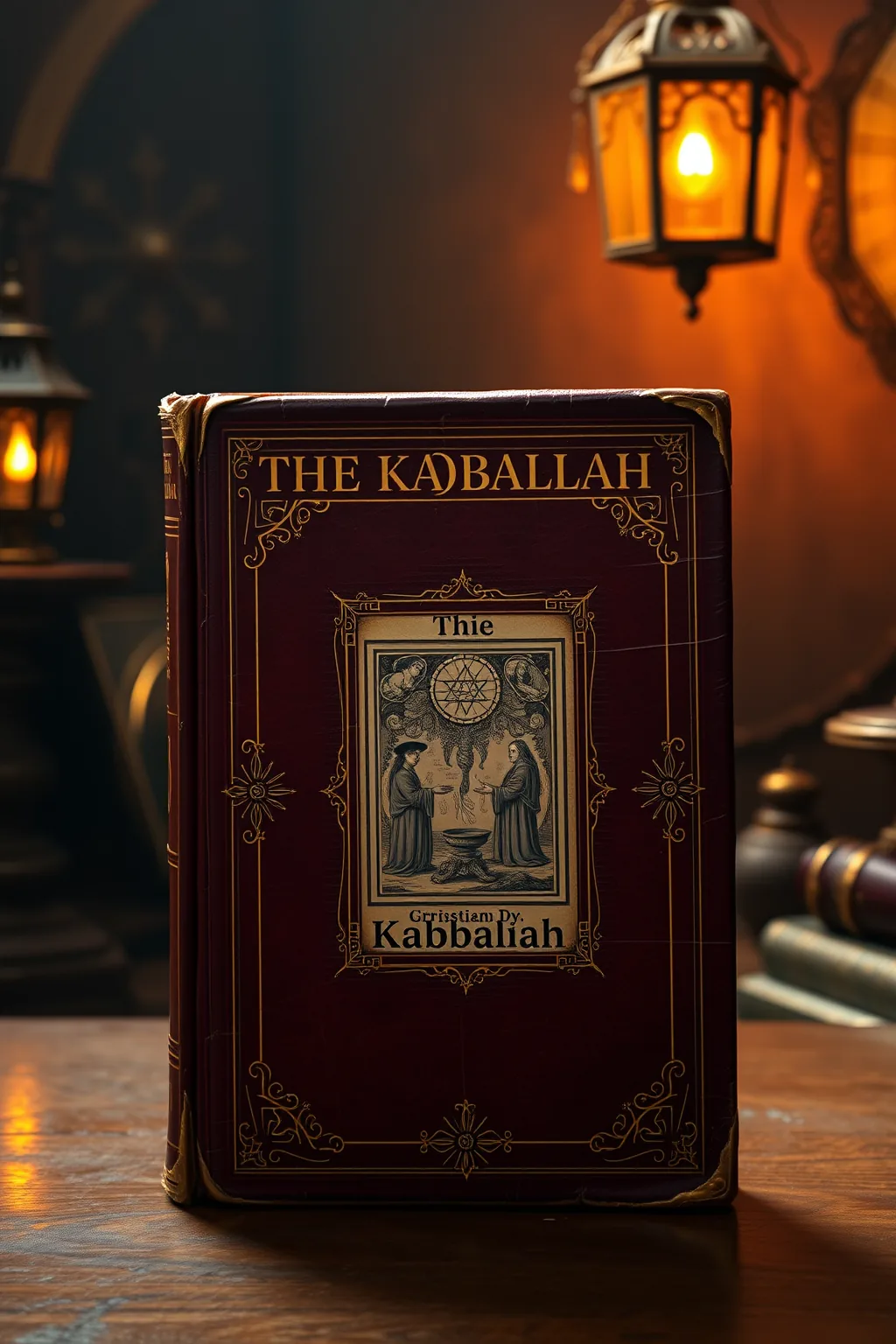
The Kabbalah: its doctrines, development, and literature
 70
70

The Kabbalah: its doctrines, development, and literature


Christian David Ginsburg's 'The Kabbalah: Its Doctrines, Development, and Literature' stands as a cornerstone in the study of Jewish mysticism. Originally published in 1831, this work remains relevant today for its comprehensive exploration of Kabbalistic doctrines and their historical development. Ginsburg's scholarly approach and extensive research make this book an indispensable resource for anyone delving into the esoteric traditions. The text is particularly valuable for modern seekers due to its clarity and depth, providing a bridge between ancient mystical teachings and contemporary spiritual inquiry. Ginsburg's analysis of Kabbalistic literature and its influence on Western esotericism is unparalleled, making this book a must-read for those interested in the mystical dimensions of Judaism. The only drawback is the dense and scholarly language, which may require some effort to navigate. However, the rewards of understanding are immense.
📝 Description
70
Christian D. Ginsburg published 'The Kabbalah: Its Doctrines, Development, and Literature' in 1909, detailing its historical and symbolic core.
This 1909 study by Christian D. Ginsburg examines the doctrines, historical development, and literary aspects of Kabbalah. Ginsburg details the core concepts, tracing their evolution within Jewish mysticism. The book covers significant texts and philosophical underpinnings, aiming to clarify the tradition for both serious students and those curious about its esoteric dimensions. It presents a structured view of Kabbalistic thought, moving from its foundational ideas to its later expressions.
Ginsburg's work is notable for its systematic approach to a complex subject. He maps out the central teachings and their historical progression, using primary sources where available. The book is less an invitation to mystical experience and more a scholarly account of the tradition's intellectual and literary history. It provides a solid overview for understanding Kabbalah's place within religious and philosophical discourse.
Published in the early 20th century, Ginsburg's work emerged during a period of renewed Western interest in Jewish mysticism. Kabbalah, with its complex cosmology and symbolic language, was often viewed through lenses of comparative religion and esoteric philosophy. This book sits within that scholarly tradition, seeking to systematically document and explain Kabbalistic ideas, particularly those found in seminal texts like the Zohar. It aims to make these teachings accessible to a wider audience interested in comparative mysticism and the history of religious thought.
✍️ Author
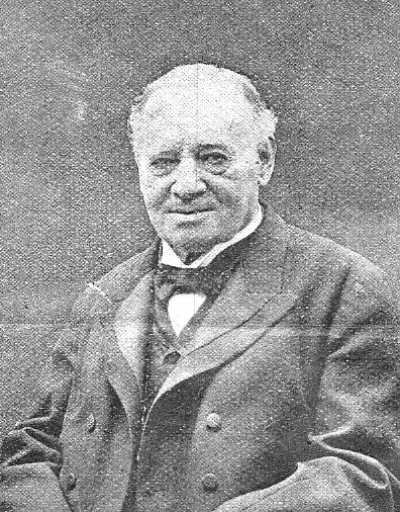
Ginsburg, Christian D. (Christian David)
Christian David Ginsburg (Hebrew: כריסטיאן דוד גינצבורג, 25 December 1831 – 7 March 1914) was a Polish-born British Bible scholar and a student of the Masoretic tradition in Judaism. He was born to a Jewish family in Warsaw but converted to Christianity at …
💡 Why Read This Book?
Reading 'The Kabbalah' by Christian D. Ginsburg today offers a profound journey into the heart of Jewish mysticism. This book provides readers with a deep understanding of the esoteric doctrines and their historical context, making it an essential guide for spiritual seekers and academics alike. By exploring the rich literary heritage of Kabbalah, readers gain insights into the mystical interpretations of biblical texts and the enduring influence of Kabbalistic thought on Western esotericism. This text is particularly valuable for those interested in comparative religion and the spiritual dimensions of Judaism.
⭐ Reader Reviews
Honest opinions from readers who have explored this book.
❓ Frequently Asked Questions
Who is the intended audience for 'The Kabbalah' by Christian D. Ginsburg?
The intended audience includes academic scholars, spiritual seekers, and anyone interested in Jewish mysticism and esoteric traditions. The book's detailed research and scholarly approach make it suitable for both academic study and personal spiritual exploration.
What are the key themes discussed in 'The Kabbalah'?
Key themes include the nature of divine revelation, the role of angels and demons, and mystical interpretations of biblical texts. The book also traces the historical development of Kabbalistic thought and its influence on Western esotericism.
How does 'The Kabbalah' contribute to the study of Jewish mysticism?
The book provides a comprehensive overview of Kabbalistic doctrines, their development, and literary heritage. It serves as an invaluable resource for understanding the mystical dimensions of Judaism and its enduring influence on spiritual and esoteric traditions.
🔮 Key Themes & Symbolism
Mystical Doctrines
The Kabbalah: Its Doctrines, Development, and Literature delves deeply into the mystical doctrines that form the foundation of Kabbalah. These doctrines are rich with esoteric teachings and symbolic interpretations, offering readers a glimpse into the hidden knowledge that has captivated minds for centuries. Ginsburg's exploration of these doctrines provides a comprehensive understanding of the philosophical significance and spiritual depth of Kabbalah.
Historical Development
The book provides a detailed account of the historical development of Kabbalah, tracing its origins and evolution through the ages. This historical context is crucial for understanding the cultural and intellectual milieu in which Kabbalistic doctrines emerged and flourished. Ginsburg's meticulous research sheds light on the key figures and events that have shaped this mystical tradition, making it an invaluable resource for scholars and spiritual seekers alike.
Symbolism and Esoteric Teachings
One of the most captivating aspects of Kabbalah is its strong symbolism and esoteric teachings. The Kabbalah: Its Doctrines, Development, and Literature offers a deep dive into these symbolic interpretations, revealing the profound truths that lie hidden within. Ginsburg's insights into the symbolism of Kabbalah provide readers with a unique perspective on the mystical heart of Judaism, enriching their understanding of this ancient and enigmatic tradition.
💬 Memorable Quotes
Direct passages from the work, attributed to the author.
“Kabbalah offers a pathway to spiritual enlightenment and hidden knowledge.”
— This statement underscores the spiritual and esoteric value of Kabbalah, inviting readers to start a path of reading of discovery and self-realization.
💡 Key Ideas
Editorial paraphrase of the work's core concepts — not direct quotes.
The essence of Kabbalah lies in its ability to reveal the hidden truths of the universe.
This quote underscores the mystical nature of Kabbalah, emphasizing its role in uncovering the esoteric knowledge that lies beyond the veil of ordinary perception.
Kabbalistic doctrines are a range of symbolism and esoteric teachings.
This passage highlights the intricate and layered nature of Kabbalistic doctrines, which are woven with strong symbolism and profound esoteric insights.
The historical development of Kabbalah is a journey through the mysteries of Jewish mysticism.
This quote emphasizes the importance of understanding the historical context in which Kabbalah emerged, providing a deeper appreciation for its mystical and philosophical significance.
The symbolism of Kabbalah reveals the divine secrets of creation.
This quote highlights the role of symbolism in Kabbalah, which serves as a key to unlocking the divine mysteries and esoteric truths of the universe.
🌙 Esoteric Significance
Tradition
The Kabbalah: Its Doctrines, Development, and Literature belongs to the Kabbalistic tradition, which is rooted in the esoteric teachings of Judaism. This mystical tradition is characterized by its strong symbolism, hidden knowledge, and profound philosophical insights, offering seekers a pathway to spiritual enlightenment and self-realization.
Symbolism
Key symbols in Kabbalah include the Tree of Life, the Sephiroth, and the concept of Tzimtzum. These symbols represent the divine mysteries and esoteric truths that lie at the heart of this mystical tradition. The Tree of Life, for example, is a complex diagram that illustrates the interconnectedness of all things, while the Sephiroth are the ten emanations of God that form the foundation of the universe.
Modern Relevance
The Kabbalah: Its Doctrines, Development, and Literature remains relevant today, as modern practitioners continue to explore its esoteric teachings and symbolic interpretations. This work is particularly valued by those seeking to deepen their understanding of Jewish mysticism and its role in the broader context of esoteric traditions. Contemporary scholars and spiritual seekers alike find in Ginsburg's work a wealth of insights that enrich their spiritual and intellectual journeys.
👥 Who Should Read This Book
The Kabbalah: Its Doctrines, Development, and Literature is ideal for a wide range of readers. Beginners interested in Kabbalah will find it an accessible introduction to the mystical doctrines and esoteric teachings of this ancient tradition. Scholars of Jewish mysticism will appreciate its comprehensive exploration of the historical development and philosophical significance of Kabbalah. Spiritual seekers will benefit from the clear insights into symbolism and hidden knowledge, while practitioners of esoteric arts will find it a valuable resource for their spiritual and intellectual pursuits.
📜 Historical Context
The Kabbalah: Its Doctrines, Development, and Literature was written in an era when the study of esoteric traditions was gaining significant interest. Published in the mid-19th century, this work emerged during a time of intellectual and spiritual ferment, as scholars and seekers alike were drawn to the mystical teachings of Kabbalah. The book's importance lies in its comprehensive exploration of the historical development of Kabbalah, providing readers with a deep understanding of the cultural and intellectual milieu in which this mystical tradition flourished. Ginsburg's work has had a lasting influence on the study of Jewish mysticism, serving as a foundational text for scholars and spiritual seekers alike.
📔 Journal Prompts
Reflect on the mystical doctrines of Kabbalah and their significance in your spiritual journey.
Explore the historical development of Kabbalah and its impact on Jewish mysticism.
Consider the role of symbolism in Kabbalah and how it reveals hidden truths.
Journal about the esoteric teachings of Kabbalah and their relevance to your spiritual practice.
Reflect on the modern relevance of Kabbalah and its influence on contemporary spiritual seekers.
🗂️ Glossary
Kabbalah
The esoteric tradition within Judaism that focuses on mystical doctrines, hidden knowledge, and symbolic interpretations.
Sephiroth
The ten emanations of God that form the foundation of the universe in Kabbalistic teachings.
Tree of Life
A complex diagram in Kabbalah that illustrates the interconnectedness of all things and the divine mysteries of creation.
Tzimtzum
The concept in Kabbalah that refers to the divine contraction or withdrawal, allowing for the creation of the universe.
Esoteric Teachings
Hidden knowledge and mystical insights that are revealed through the study of Kabbalistic doctrines and symbolism.
This book appears in 1 collection
🔮 Readers Also Liked
Browse all →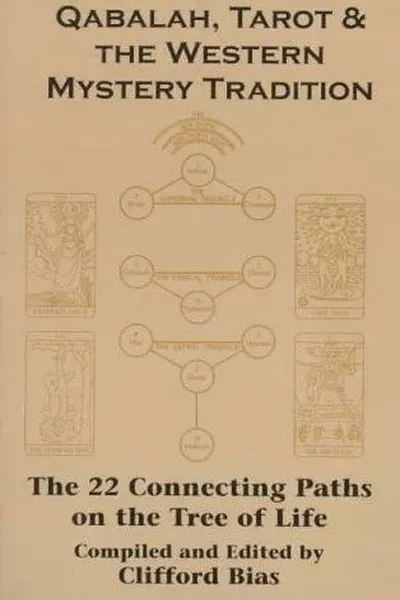









From the “Kabbalah” Collection
View all →








More Free Kabbalah & Jewish Mysticism Books
View all →