Baʻal ha-shem : ha-Beshṭ--magyah, misṭiḳah, hanhagah

 61
61

Baʻal ha-shem : ha-Beshṭ--magyah, misṭiḳah, hanhagah

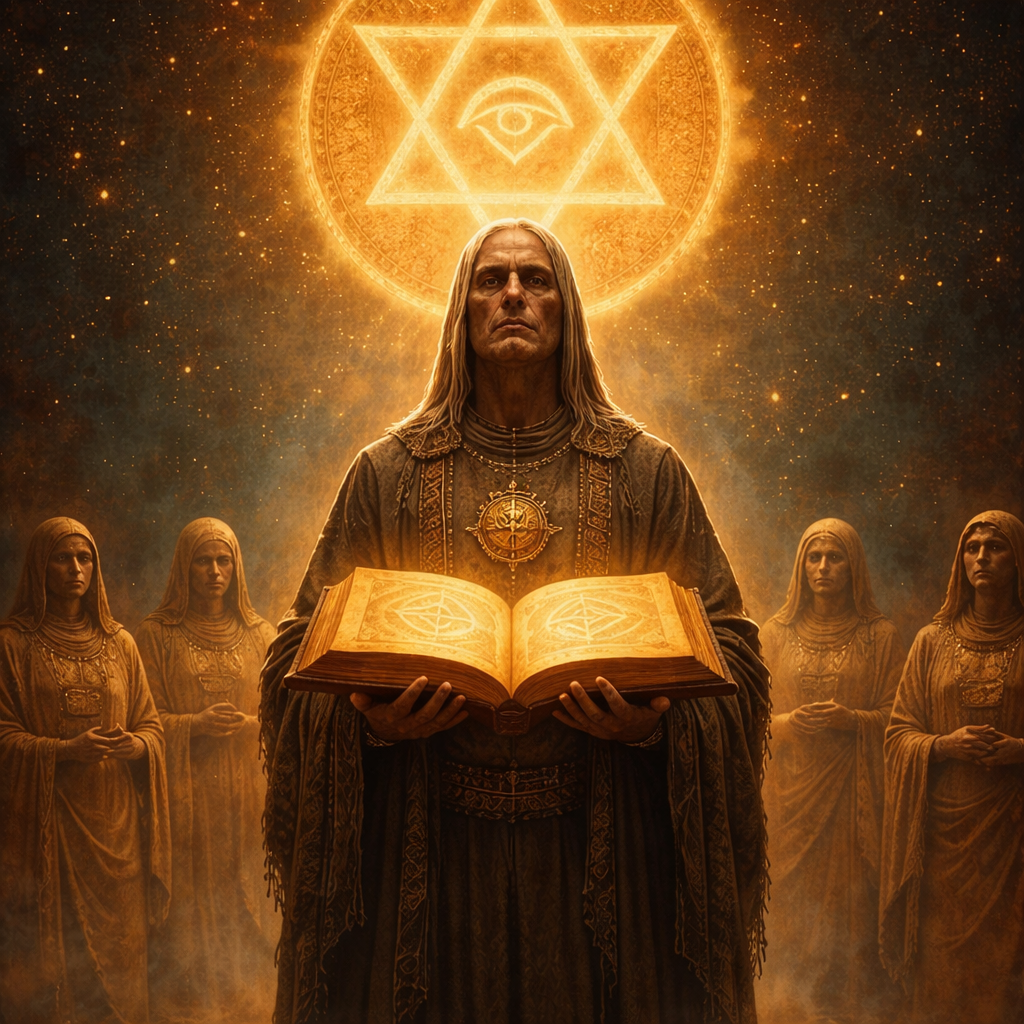

Lorelei Sage (Contemplative Literature Editor) — I. Etkes' 'Baʻal ha-shem: ha-Beshṭ--magyah, misṭiḳah, hanhagah' is a transcendent journey into the soul of Hasidism. Etkes masterfully deciphers the intricate layers of Baal Shem Tov's legacy, revealing the profound mystical and magical (magyah) dimensions often overlooked. The author's scholarship illuminates the deeply embedded Kabbalistic principles and the spiritual leadership (hanhagah) that resonated through generations. This work is an essential read for those seeking to grasp the esoteric heart of Jewish spirituality, offering profound insights into divine immanence and the practice of sacred connection. Its meticulous exploration makes it indispensable for scholars and dedicated practitioners alike.
📝 Description
61
I. Etkes' 2008 study examines Rabbi Israel Baal Shem Tov's esoteric teachings.
I. Etkes' 'Baʻal ha-shem: ha-Beshṭ--magyah, misṭiḳah, hanhagah' examines the esoteric dimensions of Rabbi Israel Baal Shem Tov, the founder of Hasidism. The book moves past standard historical narratives to illuminate the Kabbalistic foundations of his thought. Etkes discusses the practice of 'magyah,' understood as divine interaction, and 'hanhagah,' the principles guiding Baal Shem Tov's spiritual leadership. It presents a view of existence where the divine is immanent and accessible through focused spiritual practice.
The text is directed toward those interested in Jewish mysticism, deeper spiritual understanding, and the history of religion. It invites readers to consider the divine not as remote, but as an accessible presence through intention and sacred acts. The work aims to show how Baal Shem Tov's ideas fostered ecstatic devotion and transformed religious life.
This work situates Rabbi Israel Baal Shem Tov within the broader tradition of Kabbalah and Jewish esotericism. It analyzes his teachings not just as historical events but as a system of spiritual practice aimed at achieving divine communion. The concept of 'magyah' as active divine engagement and 'hanhagah' as a framework for spiritual life are central to understanding this specific stream of Jewish mysticism. Etkes connects these elements to a worldview where the spiritual and material realms are deeply intertwined, and personal devotion is key to experiencing divine presence.
💡 Why Read This Book?
Embark on an illuminating journey into the esoteric heart of Hasidism. 'Baʻal ha-shem' unveils the mystical doctrines, practical magic, and leadership philosophy of Rabbi Israel Baal Shem Tov. Ideal for seekers of Kabbalistic wisdom, scholars of Jewish mysticism, and practitioners interested in the history of spiritual leadership, this book offers a profound understanding of divine immanence and ecstatic devotion.
⭐ Reader Reviews
Honest opinions from readers who have explored this book.
❓ Frequently Asked Questions
What is the central focus of 'Baʻal ha-shem'?
The book centers on Rabbi Israel Baal Shem Tov, the founder of Hasidism, exploring the mystical, magical, and leadership aspects of his teachings and life in depth.
What does 'magyah' refer to in this context?
'Magyah' is interpreted not as sorcery, but as a form of divine interaction or a manifestation of spiritual power derived from divine connection and sacred intention.
Who is the intended audience for this book?
The book is aimed at scholars of Jewish mysticism, students of Kabbalah, and individuals interested in the history of religious movements and spiritual leadership.
How does this book illuminate Baal Shem Tov's leadership?
It delves into the 'hanhagah,' the guiding principles and spiritual practices that informed his leadership, showcasing how his mystical insights translated into practical guidance for his followers.
Does this book require prior knowledge of Kabbalah?
While prior knowledge is beneficial, the book's comprehensive approach aims to illuminate these concepts for dedicated readers, making it accessible to those eager to learn.
🔮 Key Themes & Symbolism
The Esoteric Core of Hasidism
This theme explores the hidden spiritual architecture of Hasidism, tracing its roots to deep Kabbalistic traditions and the transformative mystical practices initiated by Rabbi Israel Baal Shem Tov. It explores how the movement sought to re-enchant the world, emphasizing the immanence of God in all aspects of existence and the potential for direct, ecstatic communion with the Divine. The text illuminates the esoteric principles that guided the early Hasidic masters, revealing a path of spiritual ascent accessible through devotion, prayer, and contemplation.
The 'Magyah' of Divine Interaction
This section unpacks the concept of 'magyah,' often translated as magic, within the context of Baal Shem Tov's teachings. It argues that this 'magic' is not about manipulation, but about a profound understanding of divine currents and the human capacity to align oneself with them. The book explores how this understanding manifested in practices aimed at spiritual healing, guidance, and the manifestation of divine will, rooted in a deep reverence for the sacred interconnectedness of all things. It highlights the symbolic language and intentionality behind these practices.
Hanhagah: Spiritual Leadership and Guidance
The theme of 'hanhagah' focuses on the practical application of mystical wisdom in leadership. Etkes examines how Baal Shem Tov's profound spiritual insights informed his approach to guiding his followers, shaping their religious and ethical lives. This includes exploring the dissemination of esoteric knowledge, the cultivation of communal spirituality, and the establishment of practices that fostered spiritual growth and resilience. The text underscores the significance of leadership rooted in divine connection and a deep understanding of the human soul.
💬 Memorable Quotes
Direct passages from the work, attributed to the author.
“Every deed is a ladder to the heavens.”
— This illustrates the Hasidic belief that even mundane actions, when performed with the right intention and awareness, can become pathways for spiritual ascent and connection to the divine.
“To serve God with joy is to fulfill the Torah.”
— This highlights the central role of ecstatic joy and fervent devotion in Hasidic practice, suggesting that genuine happiness in service is a primary expression of fulfilling divine commandments.
“The world is a whisper of the Infinite.”
— This profound statement points to the immanence of God, suggesting that the physical and observable world is a subtle manifestation or echo of the boundless, ultimate reality.
“A Tzaddik's prayer can mend the world.”
— This speaks to the spiritual power attributed to righteous leaders (Tzaddikim), whose focused prayers and spiritual integrity are believed to have a significant impact on the cosmic order and human well-being.
💡 Key Ideas
Editorial paraphrase of the work's core concepts — not direct quotes.
The Shekhinah rests where the simple folk sing.
This quote emphasizes the divine presence found not just in scholarly study, but in the heartfelt devotion and spontaneous spiritual expression of ordinary people, highlighting the accessibility of God.
🌙 Esoteric Significance
Tradition
This work is deeply rooted in the Kabbalistic tradition, specifically the Lurianic Kabbalah, which profoundly influenced the development of Hasidism. It explores concepts such as divine immanence (Shekhinah), the rectification of the world (Tikkun), and the ascent of the soul through intentional prayer and contemplation. Etkes reveals how Baal Shem Tov synthesized these complex mystical ideas into accessible practices and teachings, creating a vibrant spiritual path for the masses, emphasizing a direct and personal relationship with the Divine.
Symbolism
The text is rich with symbolism drawn from Kabbalistic texts and Jewish mystical lore. Key symbols explored include the 'Shekhinah' (Divine Presence), the 'Tzaddik' (righteous leader) as a conduit for divine energy, and the concept of ' Kavanah' (intention) as the engine of spiritual transformation. The book also explores the symbolic meanings of divine names, the structure of the spiritual worlds, and the alchemical processes of the soul's journey towards unity with the Infinite.
Modern Relevance
The esoteric insights within 'Baʻal ha-shem' offer profound relevance for contemporary seekers. In an age often characterized by spiritual disconnection, the emphasis on divine immanence and direct experience provides a powerful antidote. The exploration of 'magyah' as conscious alignment with divine forces offers a framework for intentional living, while the principles of spiritual leadership resonate with the search for authentic guidance. The book's exploration of joy and devotion as pathways to transcendence continues to inspire those seeking a deeper, more meaningful connection to the sacred in their daily lives.
👥 Who Should Read This Book
This useful text is essential for serious students of Kabbalah and Jewish mysticism, offering deep dives into the foundational principles of Hasidism. Scholars of religious history will find it useful for understanding the development of this transformative movement. Seekers of spiritual wisdom and practitioners interested in devotional practices and the esoteric dimensions of Judaism will discover useful insights into divine connection, intentionality, and the nature of spiritual leadership. It is a challenging yet rewarding read for anyone wishing to explore the mystical heart of Jewish tradition.
📜 Historical Context
Written during a period of significant intellectual and spiritual ferment within Judaism, particularly in Eastern Europe, 'Baʻal ha-shem' emerges from the late 18th and 19th centuries. This era witnessed the rise of Hasidism as a powerful counter-movement to the perceived spiritual and intellectual rigidity of rabbinic Judaism, and the influence of the Enlightenment. Hasidism offered a more accessible, emotionally resonant, and mystical path to God, emphasizing direct experience and joy in religious observance. Rabbi Israel Baal Shem Tov, the central figure, lived in the preceding century, but his teachings gained immense traction and were codified and disseminated during the period Etkes' work addresses. The book thus provides a crucial lens through which to understand the historical development and enduring impact of a movement that profoundly reshaped Jewish spirituality and community life, resonating with Kabbalistic traditions while forging its own unique path.
📔 Journal Prompts
Reflect on a time you felt a profound sense of divine immanence. Where were you, and what were the circumstances?
How can the concept of 'Kavanah' (intention) be applied to your daily activities to infuse them with greater spiritual significance?
Consider the role of joy in your spiritual practice. How can you cultivate more ecstatic devotion in your connection to the Divine?
What does 'magyah' mean to you in a contemporary, non-literal sense? How can one align with positive spiritual forces?
In what ways can the leadership principles of the 'Tzaddik' inform your own approach to guiding others or leading yourself?
🗂️ Glossary
Baʻal ha-shem
Literally 'Master of the Name,' a title often associated with Rabbi Israel Baal Shem Tov, referring to his mastery of divine names and mystical practices.
Ha-Beshṭ
An acronym for Rabbi Israel ben Eliezer, known as the Baal Shem Tov, the founder of the Hasidic movement in 18th-century Eastern Europe.
Magyah
Translated as 'magic,' but in this context refers to a form of spiritual power, divine interaction, or manifestation of God's will through sacred intention and understanding.
Misṭiḳah
Mysticism; the pursuit of direct, intuitive experience of the Divine, often involving contemplation and esoteric knowledge.
Hanhagah
Guidance, leadership, or conduct; in this context, the principles and practices that governed the spiritual leadership of Baal Shem Tov and early Hasidism.
This book appears in 1 collection
🔮 Readers Also Liked
Browse all →









More by I. Etkes
All books →
From the “Kabbalah” Collection
View all →









More Free Kabbalah & Jewish Mysticism Books
View all →