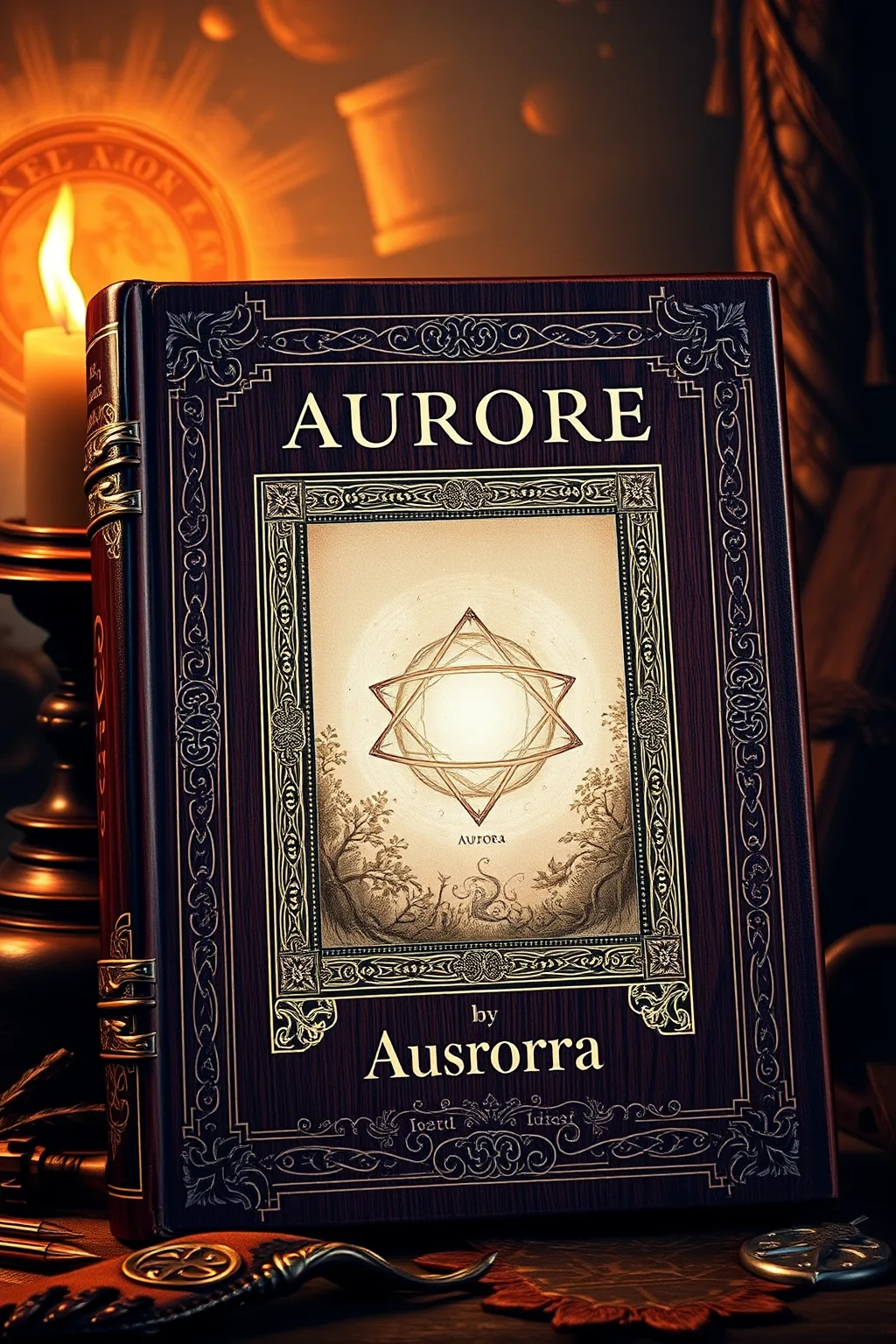
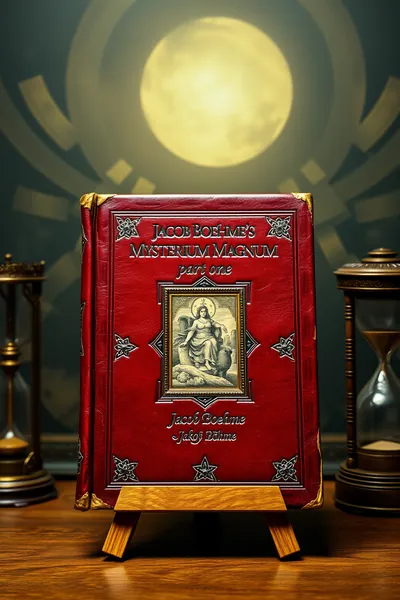
Jacob Boehme's Aurora - electronic text-edition
 81
81

Jacob Boehme's Aurora - electronic text-edition

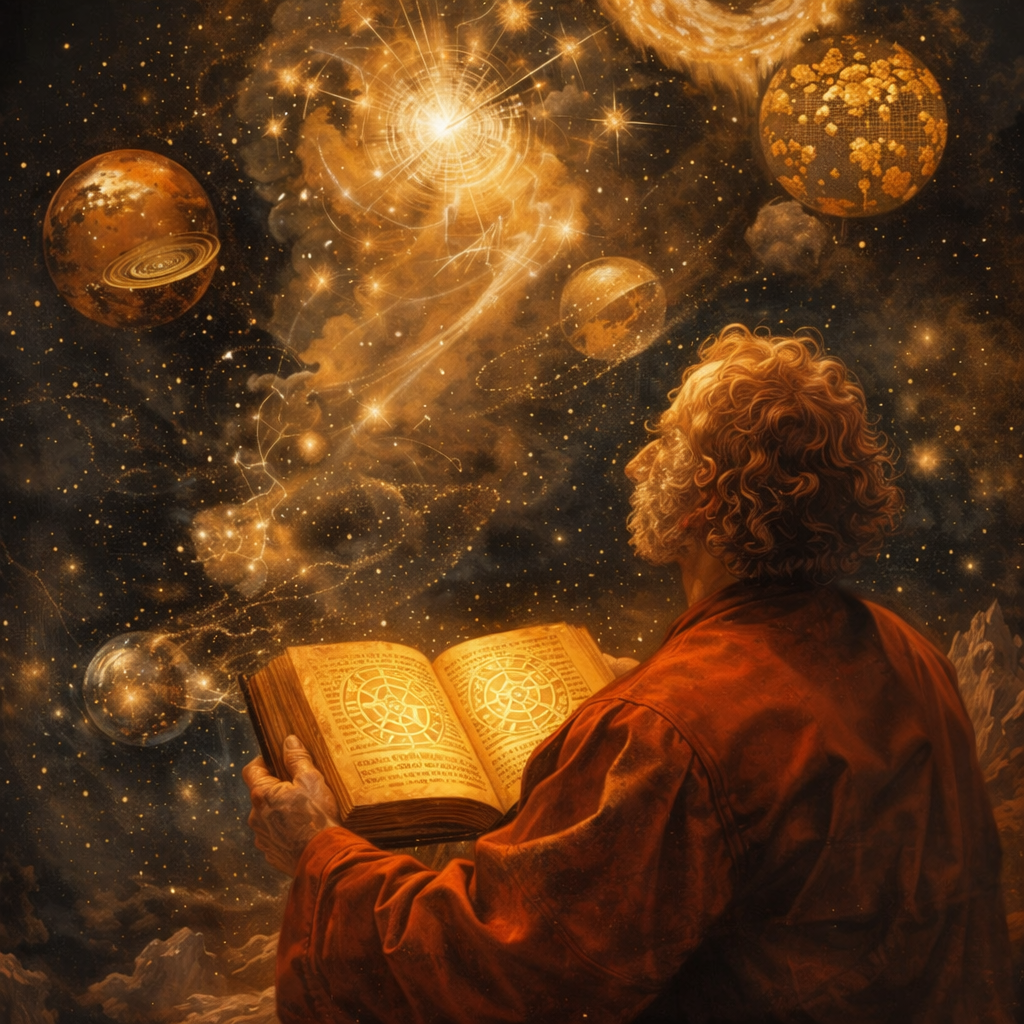

Jacob Boehme's Aurora is a profound and esoteric journey into the mysteries of the divine and human experience. As Boehme's first book, it sets the stage for his later works, introducing readers to his unique blend of theosophical and anthroposophical thought. The text is dense with philosophical and spiritual concepts, drawing heavily from the neo-Platonic and Kabbalistic traditions. For modern esoteric seekers, Aurora offers a wealth of insights into the nature of reality, the emanation of the cosmos, and the transformation of the self. Boehme's writing is both challenging and rewarding, requiring a deep engagement with his ideas. The electronic text edition is particularly valuable, making this seminal work accessible to a wider audience. Despite its complexity, Aurora is a must-read for anyone interested in the deeper dimensions of spirituality and philosophy. It is a 4-star work that will enrich the understanding of those who delve into its pages.
📝 Description
81
Jacob Boehme's Aurora, first published in 1612, details his visions of creation and divine processes.
Jacob Boehme's 'Aurora' lays out his complex system of divine philosophy, developed from his visionary experiences. The work begins with the nature of God before creation, describing a Trinity that moves from stillness to active manifestation. Boehme outlines a process where divine light and darkness interact, leading to the formation of the cosmos and the existence of both good and evil. He explains the fall of Lucifer and Adam, and the subsequent path of redemption available to humanity.
This electronic text edition makes Boehme's challenging prose accessible. His unique vocabulary and symbolic language require careful attention, but the text reveals his attempt to articulate profound spiritual truths. The 'Aurora' is central to understanding Boehme's entire body of work and his influence on later esoteric thought.
Written in 1612, Jacob Boehme's 'Aurora' emerged from the Christian Hermetic and alchemical traditions of early modern Germany. It draws upon Neoplatonic ideas of emanation and the Gnostic concept of a primordial state of being, though Boehme reinterprets these through a distinctly Lutheran lens. His work also connects with theosophical inquiries into the nature of God and the structure of the spiritual world, influencing figures in both Western esotericism and later mystical movements.
✍️ Author
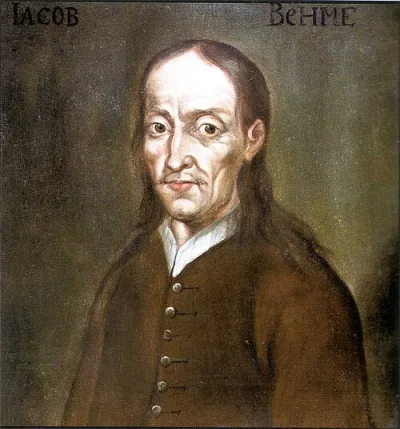
Jacob Boehme (Jakob Böhme)
Jakob Böhme was a German philosopher and Christian mystic, considered an original thinker in the Lutheran tradition.
Mystic
💡 Why Read This Book?
Reading Jacob Boehme's Aurora today provides a unique opportunity to engage with one of the foundational texts of esoteric literature. This book offers deep insights into the nature of the divine, the cosmos, and human existence, drawing from rich philosophical and spiritual traditions. For modern seekers, Aurora serves as a guide to understanding the interconnectedness of all things and the potential for personal transformation. It is a valuable resource for those interested in theosophy, anthroposophy, and the mystical traditions of the past.
⭐ Reader Reviews
Honest opinions from readers who have explored this book.
❓ Frequently Asked Questions
What makes Aurora unique among Jacob Boehme's works?
Aurora is unique because it is Boehme's first book, introducing many of his core ideas and themes that are further explored in his later works. It offers insights that can only be found in this initial text.
How does Aurora relate to theosophical and Kabbalistic traditions?
Aurora resonates with themes common to the theosophical neo-Platonic tradition and the Kabbalistic tradition, exploring concepts such as hierarchies, the emanation of the cosmos, and angelic kingdoms.
Is this electronic text edition accessible to modern readers?
Yes, the electronic text edition of Aurora makes Boehme's profound insights accessible and convenient for modern readers, ensuring that his esoteric wisdom is available to a wider audience.
🔮 Key Themes & Symbolism
Hierarchies of Angelic Kingdoms
Boehme's 'Aurora' looks at the mystical concept of angelic hierarchies, exploring the divine order and the roles of celestial beings in the cosmos. This theme reveals the intricate structure of the spiritual realm and its influence on the human experience.
Emanation of the Cosmos
The book examines the emanation or generation of the cosmos, a theme that appeals to theosophical and Kabbalistic traditions. Boehme's exploration of this concept offers a deep understanding of the divine spark within all creation and the interconnectedness of the universe.
Duality and Transformation
Boehme's writings on the nature of good and evil, as well as the transformative power of spiritual practices, are central to 'Aurora.' This theme invites the reader to contemplate the dualities within the self and the world, and the potential for spiritual growth and enlightenment.
💬 Memorable Quotes
Direct passages from the work, attributed to the author.
“The divine nature is hidden within the depths of the soul.”
— Boehme emphasizes the innate divinity within every individual, inviting seekers to look inward for spiritual enlightenment.
“The struggle between good and evil is a pathway to transformation.”
— Boehme's exploration of duality and transformation encourages readers to embrace the challenges of life as opportunities for spiritual growth.
“The hidden wisdom of the cosmos is revealed to those who seek it.”
— Boehme's words inspire seekers to delve deep into the mysteries of the universe, promising revelation and spiritual insight.
💡 Key Ideas
Editorial paraphrase of the work's core concepts — not direct quotes.
The cosmos is a reflection of the divine order.
This quote highlights Boehme's belief in the interconnectedness of the universe and the divine presence in all creation.
The angelic kingdoms guide the spiritual journey.
This quote underscores the importance of celestial beings in guiding the soul towards enlightenment and divine union.
🌙 Esoteric Significance
Tradition
'Aurora' belongs to the theosophical and Kabbalistic traditions, blending Christian theology with esoteric wisdom. Boehme's unique interpretations of divine and human realms offer a rich source of hidden knowledge for seekers of spiritual enlightenment.
Symbolism
Key symbols in 'Aurora' include hierarchies of angelic kingdoms, the emanation of the cosmos, and the transformative power of spiritual practices. These symbols invite deep contemplation and spiritual insight, revealing the divine spark within all creation.
Modern Relevance
Today, 'Aurora' remains relevant for modern practitioners of theosophy, Kabbalah, and other mystical traditions. Its exploration of the divine and human realms offers valuable insights for those seeking spiritual growth and enlightenment in the contemporary world.
👥 Who Should Read This Book
Beginners in theosophy may find 'Aurora' challenging due to its complex symbolism and theological concepts, but it is an invaluable resource for those seeking to deepen their understanding. Scholars of religious studies will appreciate Boehme's combination of Christian theology and esoteric wisdom. Spiritual seekers and practitioners of the occult will find inspiration and guidance in the book's exploration of the divine and human realms. Overall, 'Aurora' is ideal for anyone interested in the mystical traditions of the West and the pursuit of spiritual enlightenment.
📜 Historical Context
Written in the early 17th century, Jacob Boehme's 'Aurora' emerged during a time of profound spiritual and intellectual ferment in Europe. Boehme's works, including 'Aurora,' were instrumental in shaping theosophical thought and influenced many subsequent mystical and occult traditions. The book's exploration of Christian theology through an esoteric lens offered a fresh perspective on spiritual enlightenment, resonating with the spiritual seekers of his time and beyond. Boehme's ideas have had a lasting impact on Western mysticism, inspiring generations of scholars and practitioners to study the mysteries of the divine and human realms.
📔 Journal Prompts
Reflect on the concept of angelic hierarchies and their role in the cosmos.
Explore the idea of the emanation of the cosmos and its implications for your spiritual journey.
Consider the dualities within yourself and how they can be transformed into opportunities for growth.
Meditate on the hidden wisdom of the cosmos and how it can be revealed through spiritual practices.
Write about the significance of the divine spark within all creation and its impact on your understanding of the universe.
🗂️ Glossary
Theosophy
The study of divine wisdom and the mystical traditions of the West, often involving esoteric symbolism and hidden knowledge.
Kabbalah
A mystical tradition within Judaism that explores the hidden meanings of the Torah and the divine realm.
Emanation
The process by which the cosmos is generated from the divine source, revealing the interconnectedness of the universe.
Angelic Hierarchies
The divine order of celestial beings, each with a specific role in guiding the spiritual journey of the soul.
Duality
The coexistence of opposing forces within the self and the world, such as good and evil, and the potential for transformation through spiritual practices.
This book appears in 2 collections
🔮 Readers Also Liked
Browse all →





More by Jacob Boehme (Jakob Böhme)
All books →
From the “Theosophy” Collection
View all →


More Free Theosophy & Anthroposophy Books
View all →