What are Angels?
Angels are typically understood as spiritual beings, often acting as intermediaries between the divine and humanity. Across religious and esoteric traditions, they are depicted with varying forms and functions, from messengers and guardians to celestial administrators. Their study, angelology, examines their nature, ranks, powers, and influence on the material and spiritual realms, drawing from scripture, apocrypha, and mystical writings.
Best Books for Complete Beginners
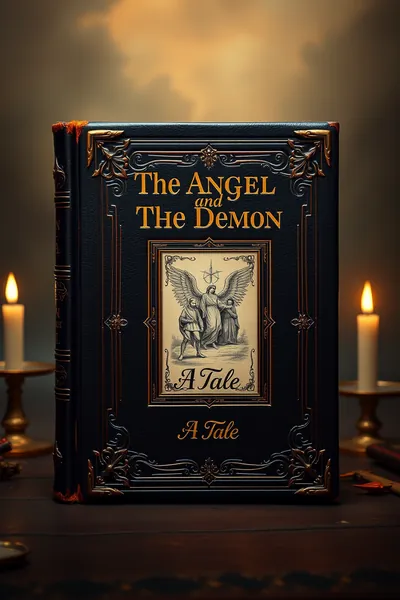
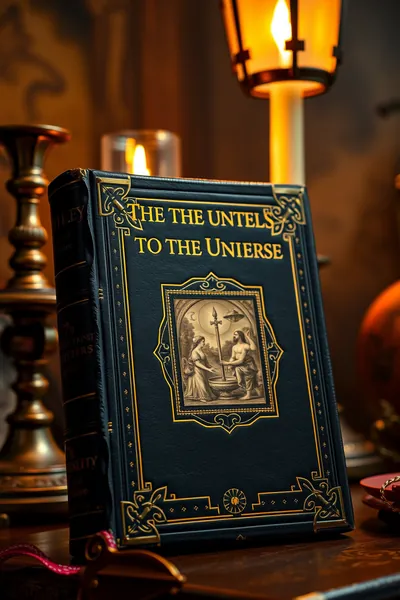
For those new to angelology, starting with accessible texts is crucial. Arthur Machen's 'The Angels of Mons' offers a unique, historical legend, while T. S. Arthur's 'The Angel and the Demon' presents a moralistic tale. For a blend of practical and spiritual guidance, 'The Key to the Universe' by Frank Homer and Harriette Augusta Curtiss (1938) introduces fundamental concepts. Chic and Sandra Tabatha Cicero's 'Tarot Talismans - Invoke the Angels of the Tarot' (2006) bridges tarot practice with angelic invocation, offering a tangible entry point.
Intermediate Reading
Intermediate students can delve deeper into the philosophical and mystical aspects. Jacob Boehme's 'Threefold Life of Man' (2009) and 'Mysterium Magnum, part one' (2009) explore complex divine and human nature through angelic symbolism. Viktor Rydberg's 'The Magic of the Middle Ages' provides historical context on medieval beliefs and practices surrounding angels and magic. 'The Complete Golden Dawn Initiate' by Steven Ashe offers insights into ceremonial magic traditions that often involve angelic work.
Classical / Advanced Texts
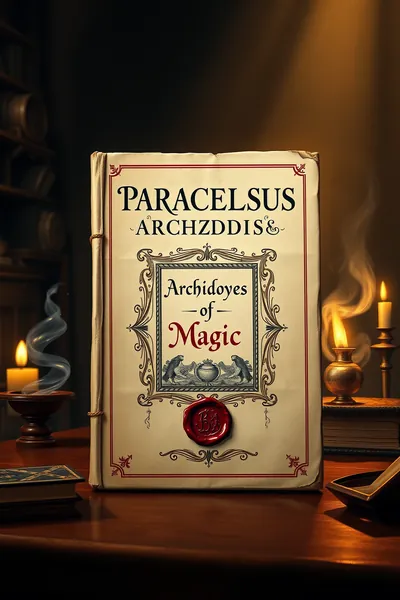
Advanced study requires engagement with foundational mystical and alchemical texts. Jacob Boehme's 'Aurora' (2009) is an important work of Christian mysticism detailing the divine manifestations and the fall of Lucifer, often interpreted through angelic lenses. Paracelsus's 'Archidoxes Of Magic' touches upon the manipulation of elemental and celestial forces, implicitly involving angelic or spiritual agents. William Wake's 'The suppressed Gospels and Epistles of the original New Testament of Jesus the Christ, Volume 1, Mary' offers alternative scriptural perspectives that may shed light on early angelic traditions.
Reading Order — Step by Step
Begin with foundational narratives and accessible guides. Month 1: Start with T. S. Arthur's 'The Angel and the Demon' for a narrative introduction, followed by Chic and Sandra Tabatha Cicero's 'Tarot Talismans' (2006) for practical application. Month 2: Transition to Jacob Boehme's 'Threefold Life of Man' (2009) and Frank Homer and Harriette Augusta Curtiss's 'The Key to the Universe' (1938) for deeper philosophical understanding. Month 3+: Engage with advanced texts like Jacob Boehme's 'Aurora' (2009) and Paracelsus's 'Archidoxes Of Magic' for classical and mystical insights. Supplement with Rydberg's 'The Magic of the Middle Ages' for historical context.
Frequently Asked Questions
Which angel book should I read first?
For a gentle introduction, start with T. S. Arthur's 'The Angel and the Demon' for narrative context, or Chic and Sandra Tabatha Cicero's 'Tarot Talismans' for practical application.
Are there different types of angels discussed?
Yes, texts often discuss hierarchies including archangels, guardian angels, and fallen angels, as well as their specific roles in divine and human affairs.
How do these books relate to religion?
Many texts, particularly those by Jacob Boehme and William Wake, stem from Christian traditions, while others like Skinner's work bridge religious concepts with broader esoteric practices.
Can I learn to communicate with angels from these books?
Some books, like those by the Ciceros or related to ceremonial magic, offer methods for invoking or connecting with angelic beings as part of spiritual practice.
What is angelology?
Angelology is the study of angels, examining their nature, roles, hierarchies, and significance across various theological, mythological, and esoteric systems.
Are there historical accounts of angels?
Arthur Machen's 'The Angels of Mons' presents a famous legend from World War I, illustrating how angelic or supernatural phenomena are perceived in historical events.
What are the 'suppressed Gospels' mentioned?
William Wake's work refers to early Christian texts not included in the standard biblical canon, which may contain different accounts or interpretations of spiritual beings.