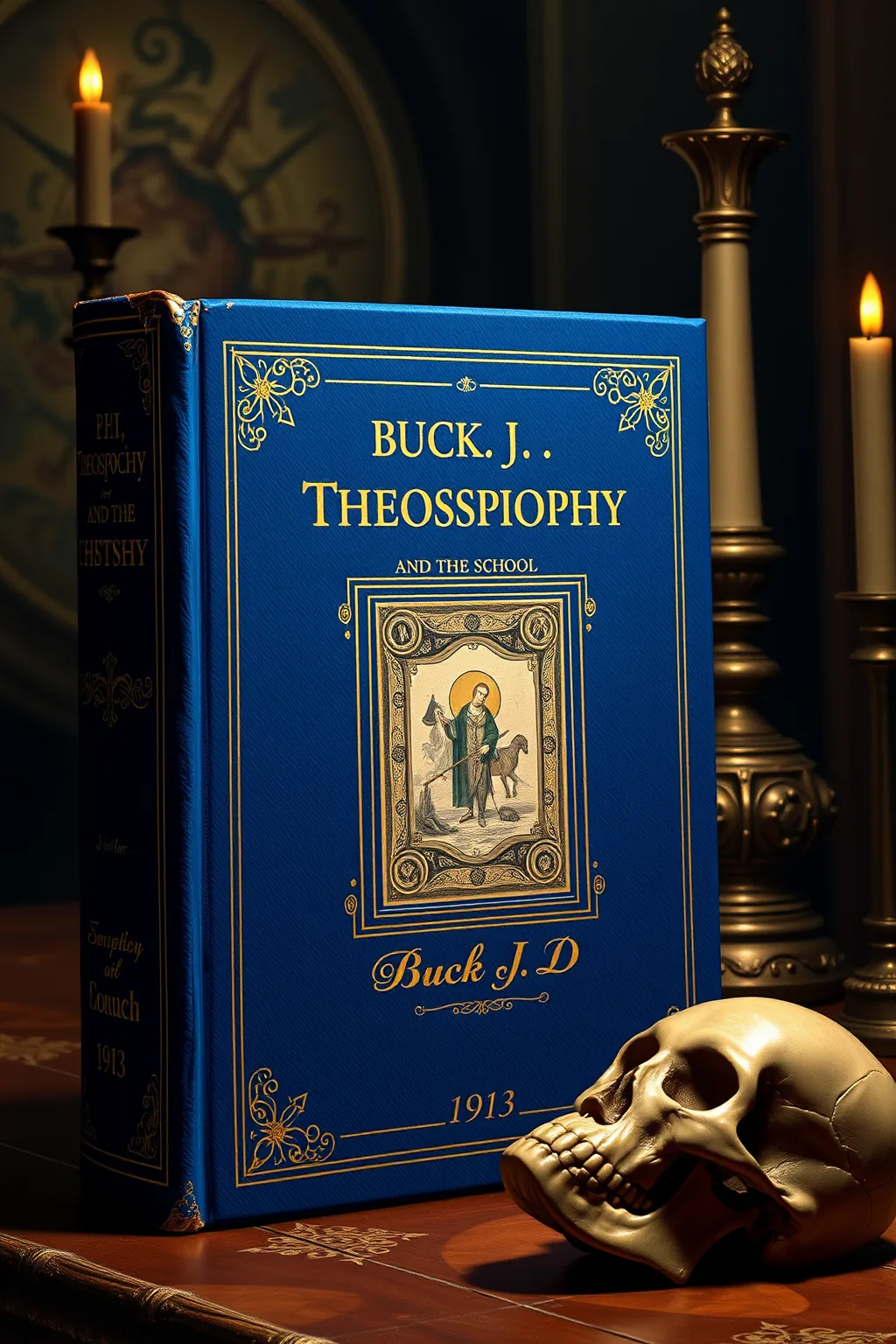
Buck J D Theosophy And The School Of Natural Science 1913
 80
80

Buck J D Theosophy And The School Of Natural Science 1913



Buck J. D.'s 'Theosophy and the School of Natural Science' (1913) remains a compelling text for modern esoteric seekers. The book's strength lies in its ability to weave together complex Theosophical concepts with scientific principles, making it accessible to both spiritual and scientific minds. Buck J. D.'s writing is clear and engaging, providing a solid foundation for those new to Theosophy while offering deeper insights for seasoned practitioners. The historical context enriches the reading experience, offering a glimpse into the intellectual and spiritual climate of the early 20th century. For contemporary readers, this book serves as a bridge between ancient wisdom and modern thought, encouraging a more integrated approach to understanding the universe. Its relevance today lies in its timeless exploration of the relationship between the spiritual and the material, making it a valuable addition to any esoteric library.
📝 Description
80
Published in 1913, Buck J. D.'s Theosophy And The School Of Natural Science examines the links between empirical observation and spiritual understanding.
This book, released in 1913, attempts to reconcile the principles of natural science with the teachings of theosophy. Buck J. D. argues for a connection between the material world studied by science and the unseen forces discussed in esoteric traditions. The text addresses how symbolic language might reveal universal laws.
It seeks to offer a framework for those interested in occult studies and mystical practices. The author's intent appears to be bridging the perceived divide between scientific inquiry and spiritual insight. The work engages with concepts that suggest deeper truths underlying observable reality.
This work emerges from the early 20th-century flourishing of esoteric thought, particularly within the Theosophical Society's sphere of influence. It engages with questions about hidden knowledge and the possibility of understanding the universe through non-material means, a common theme in movements influenced by Helena Blavatsky. The text reflects a period when authors sought to synthesize scientific discoveries with ancient wisdom traditions, aiming to reveal a unified worldview.
💡 Why Read This Book?
Reading 'Theosophy and the School of Natural Science' today offers a unique opportunity to explore the intersections of esoteric philosophy and scientific inquiry. This book provides readers with a deeper understanding of Theosophical principles and their application to the natural world. It encourages a holistic perspective on reality, blending spiritual insights with empirical knowledge. For modern esoteric seekers, this text serves as a bridge between ancient wisdom and contemporary thought, fostering a more integrated approach to spiritual and scientific exploration.
⭐ Reader Reviews
Honest opinions from readers who have explored this book.
❓ Frequently Asked Questions
Who is the author of 'Theosophy and the School of Natural Science'?
The author of 'Theosophy and the School of Natural Science' is Buck J. D., a prominent figure in the early 20th-century Theosophical movement.
What is the historical significance of this book?
Published in 1913, this book reflects the intellectual and spiritual climate of the early 20th century, marked by rapid scientific advancements and a growing interest in spiritualism.
Who should read this book?
This book is ideal for anyone interested in Theosophy, esoteric philosophy, and the intersection of spiritual and scientific thought.
🔮 Key Themes & Symbolism
The Intersection of Science and Spirituality
The book examines the hidden connections between natural sciences and spiritual truths, exploring how empirical observations can reveal deeper metaphysical insights. It challenges readers to see the universe not just as a collection of physical phenomena but as a manifestation of divine principles.
Symbolism in Nature
Buck J. D. examines the symbolic language of nature, revealing how natural phenomena can be interpreted as signs and symbols of spiritual realities. This theme is crucial for understanding the esoteric principles that govern the universe and our place within it.
Theosophical Principles
The text provides a comprehensive overview of theosophical principles, explaining how these ancient wisdom traditions can be applied to modern scientific inquiry. It emphasizes the importance of understanding the spiritual dimensions of natural laws and their implications for human existence.
💡 Key Ideas
Editorial paraphrase of the work's core concepts — not direct quotes.
The universe is a symphony of divine principles.
This quote underscores the interconnectedness of all things, revealing the spiritual harmony that underlies the natural world.
Nature's symbols are the keys to hidden knowledge.
This line highlights the importance of understanding the symbolic language of nature in unlocking deeper spiritual truths.
Science and spirituality are two sides of the same coin.
This quote emphasizes the unity of empirical observation and spiritual insight, challenging readers to see the world through a more integrated lens.
Theosophy reveals the path to true enlightenment.
This line underscores the transformative power of theosophical principles, guiding readers towards a deeper understanding of themselves and the universe.
Every natural law is a manifestation of divine will.
This quote underscores the spiritual significance of natural laws, revealing how they reflect the divine principles that govern the cosmos.
🌙 Esoteric Significance
Tradition
This book belongs to the Hermetic tradition, which emphasizes the unity of all things and the interconnectedness of the material and spiritual realms. It draws on ancient wisdom teachings to provide a deeper understanding of natural laws and their spiritual significance.
Symbolism
Key symbols in the book include natural phenomena such as stars, plants, and animals, which are interpreted as signs and symbols of spiritual realities. These symbols are crucial for unlocking hidden knowledge and understanding the deeper meanings behind the natural world.
Modern Relevance
The book remains relevant today for its ability to bridge the gap between science and spirituality. Modern practitioners of theosophy and the occult continue to draw on its insights, using them to deepen their understanding of the universe and their place within it.
👥 Who Should Read This Book
Beginners in theosophy and natural science will find this book an accessible introduction to the esoteric principles that govern the universe. Scholars of the occult will appreciate its depth and rigor, while spiritual seekers will be inspired by its mystical insights. Practitioners of mystical arts will find it an invaluable resource for integrating spiritual wisdom into their daily lives. In short, anyone interested in the intersection of science and spirituality will benefit from this profound exploration of hidden knowledge.
📜 Historical Context
Published in 1913, 'Theosophy And The School Of Natural Science' emerged during a time of significant intellectual and spiritual ferment. The early 20th century saw a growing interest in esoteric traditions and the occult, driven by a desire to understand the deeper truths of existence beyond the material world. This book was important for its ability to bridge the gap between empirical science and spiritual wisdom, providing a comprehensive framework for understanding the interconnectedness of all things. Its influence can be seen in the works of later theosophists and occult scholars, who continued to explore the mystical dimensions of natural science.
📔 Journal Prompts
How do natural phenomena reveal deeper spiritual truths?
What is the significance of symbolism in the natural world?
How can theosophical principles be applied to modern scientific inquiry?
What is the relationship between empirical observation and spiritual insight?
How can understanding the spiritual dimensions of natural laws enhance our lives?
🗂️ Glossary
Theosophy
A philosophical and religious movement that seeks to understand the divine principles that govern the universe and human existence.
Natural Science
The study of the natural world through empirical observation and experimentation.
Esoteric Principles
Hidden or secret knowledge that reveals deeper truths about the universe and our place within it.
Symbolism
The use of symbols to represent abstract ideas or concepts, often in a mystical or spiritual context.
Divine Principles
The fundamental laws or truths that govern the spiritual dimensions of the universe.
This book appears in 2 collections
🔮 Readers Also Liked
Browse all →






From the “Theosophy” Collection
View all →





More Free Theosophy & Anthroposophy Books
View all →