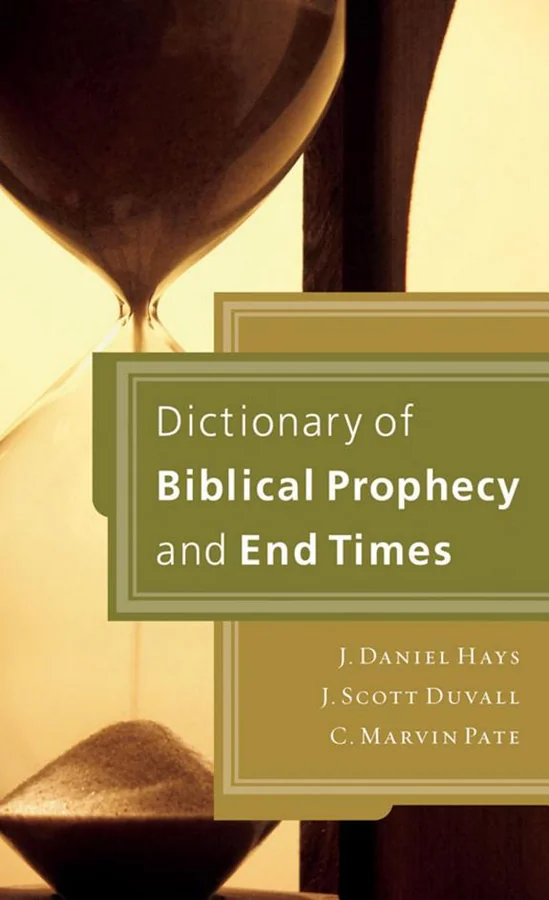
Dictionary of Biblical Prophecy and End Times
 71
71

Dictionary of Biblical Prophecy and End Times
The "Dictionary of Biblical Prophecy and End Times" by Hays, Duvall, and Pate is an impressive undertaking, meticulously cataloging an extensive range of eschatological terms. Its strength lies in its alphabetical, encyclopedic structure, making it an invaluable quick-reference tool for anyone grappling with the dense prophecies of the Bible. The entry on "Tribulation," for instance, effectively synthesizes various interpretive viewpoints without undue bias. However, its primary limitation is the sheer volume of information, which can sometimes feel overwhelming rather than illuminating for the uninitiated. While comprehensive, it occasionally sacrifices narrative flow for exhaustive detail. The treatment of "Gog and Magog" is particularly thorough, showcasing the authors' command of the subject. This dictionary is a weighty resource, best suited for those already invested in understanding biblical prophecy.
📝 Description
71
Published in May 2009, this dictionary alphabetically lists terms from "Abomination of Desolation" to "Zionism."
This dictionary compiles concepts, figures, and events related to biblical prophecy and eschatology in an alphabetical format. It covers terms from "Abomination of Desolation" to "Zionism," with each entry receiving a detailed explanation. The book's goal is to be a straightforward resource for understanding the prophetic writings within the Judeo-Christian tradition.
Its intended audience includes students and researchers of biblical studies, theology, and religious history. It is for those who want a thorough grasp of prophetic texts, especially those concerning end-times scenarios. This includes seminary students, pastors, scholars, and dedicated lay readers looking for a reference that is both scholarly and easy to use.
First appearing in May 2009, the dictionary was released during a time of significant academic and public interest in biblical prophecy, particularly the Book of Revelation. It presented a structured approach, differing from more devotional or argumentative books, by basing its explanations on scholarly exegesis. Its creation reflects ongoing discussions in theological circles about apocalyptic literature, building on centuries of interpretation while aiming to offer clarity for today's readers.
While not strictly esoteric in the Gnostic sense, this work engages with apocalyptic literature, a genre that has often been interpreted through esoteric lenses. The focus on prophecy and end times touches upon themes of hidden knowledge, divine revelation, and future unfolding common in various mystical traditions. It provides a scholarly framework for understanding texts that, throughout history, have fueled speculation and spiritual searching beyond conventional religious interpretation.
💡 Why Read This Book?
• Gain clarity on the "Abomination of Desolation" by accessing its specific definition and scriptural context within this dictionary, moving beyond vague notions. • Understand the diverse interpretations of "The Rapture" by exploring its dedicated entry, which contrasts different theological perspectives presented within the text. • Decipher the prophetic significance of "Zionism" as analyzed in the book, connecting it to specific biblical passages and historical events discussed.
⭐ Reader Reviews
Honest opinions from readers who have explored this book.
❓ Frequently Asked Questions
What is the primary purpose of the Dictionary of Biblical Prophecy and End Times?
Its primary purpose is to serve as a comprehensive, alphabetical reference guide for understanding biblical prophecy and end-times concepts, offering detailed explanations for hundreds of terms.
Who are the authors of this dictionary?
The dictionary was authored by J. Daniel Hays, J. Scott Duvall, and C. Marvin Pate, with its first publication occurring in May 2009.
Does the book cover both Old and New Testament prophecy?
Yes, the dictionary comprehensively covers prophetic themes and terms found throughout both the Old and New Testaments of the Bible.
Is this book suitable for beginners in biblical studies?
While comprehensive, its scholarly depth makes it most suitable for serious students, pastors, and those with a foundational understanding of biblical texts.
What kind of terms can I expect to find in the dictionary?
You can expect entries ranging from specific events like the "Second Coming" and figures like "Antichrist" to symbolic concepts such as "Seals" and "Trumpets."
Does the dictionary offer a single interpretation of prophetic events?
No, the dictionary aims to provide a balanced overview, often presenting multiple interpretive viewpoints on complex prophetic passages and terms.
🔮 Key Themes & Symbolism
Eschatological Frameworks
This work systematically unpacks the diverse theological frameworks surrounding biblical eschatology. It provides detailed explanations for terms central to various end-times interpretations, such as millennial views (pre-, post-, a-millennialism) and the nature of the "Great Tribulation." The dictionary offers objective definitions and historical context for these concepts, enabling readers to compare and contrast different eschatological systems without bias. It’s a crucial resource for understanding the theological architecture of prophetic belief systems.
Symbolic Language of Prophecy
A significant focus is placed on deciphering the rich symbolic language inherent in biblical prophecy. Entries address key symbols like the "beasts" in Daniel and Revelation, the "seals," "trumpets," and "bowls" of judgment, and apocalyptic imagery. The dictionary helps readers understand the historical, cultural, and theological significance of these symbols, moving beyond literalistic readings to appreciate the deeper meanings intended by the prophetic authors. This allows for a more nuanced engagement with apocalyptic texts.
Key Figures and Events
The dictionary provides concise yet thorough entries on key figures and events that shape biblical prophecy. This includes detailed profiles of prophets like Isaiah and Ezekiel, as well as eschatological figures such as the "Antichrist" and the "False Prophet." It also examines significant events like the "Second Coming of Christ," the "Battle of Armageddon," and the "New Jerusalem." Each entry connects these elements to their scriptural origins and interpretive history.
Geographical and National Significance
The prophetic narrative often centers on specific geographical locations and nations, particularly Israel and Jerusalem. This dictionary explores the prophetic significance attributed to these places, including entries on "Babylon," "Gog and Magog," and "Zionism." It clarifies how these geographical markers function within prophetic discourse, often symbolizing spiritual states or future historical developments. Understanding these locations is key to grasping the spatial dimensions of biblical prophecy.
💬 Memorable Quotes
Direct passages from the work, attributed to the author.
“The "Abomination of Desolation" refers to a specific event or entity that will desecrate the Temple.”
— This entry highlights a key, albeit controversial, concept in biblical prophecy, signaling a time of great crisis and divine judgment foretold in both Daniel and Jesus' Olivet Discourse.
“The "Second Coming" is the anticipated return of Jesus Christ to Earth.”
— This foundational eschatological event is explored in depth, detailing its varied biblical depictions and theological implications regarding judgment and the establishment of God's kingdom.
“ "Gog and Magog" represent powerful, often hostile, forces arrayed against God's people.”
— This entry unpacks the complex imagery of these entities, appearing in Ezekiel and Revelation, often interpreted as representing nations or confederacies opposing divine will.
“ "Zionism" in a prophetic context relates to divine promises concerning the land and people of Israel.”
— This term is examined not just in its modern political sense, but through its biblical roots, connecting it to prophecies about restoration and the future role of Israel.
“The "Tribulation" is a period of intense suffering and divine judgment preceding the end times.”
— This concept is central to many eschatological views, and the dictionary provides a thorough overview of its scriptural basis and differing interpretations regarding its timing and duration.
🌙 Esoteric Significance
Tradition
While primarily a work of biblical scholarship, the dictionary touches upon themes often explored in esoteric traditions, particularly those with roots in Abrahamic mysticism. It engages with symbolic interpretations of prophecy that can inform Kabbalistic or Gnostic understandings of divine unfolding and cosmic struggle. The work's systematic approach to deciphering prophetic texts can be seen as a modern analog to older methods of scriptural exegesis found within mystical lineages seeking hidden meanings.
Symbolism
Key symbols like the "beasts" from Daniel and Revelation, and the "seals" and "trumpets" of judgment, are central. In esoteric contexts, these often represent not just literal future events but archetypal forces, stages of spiritual development, or cosmic imbalances. The dictionary's definitions provide the scriptural grounding for these symbols, allowing esoteric practitioners to integrate them into broader symbolic systems related to spiritual warfare, divine intervention, and the unfolding of cosmic cycles.
Modern Relevance
Contemporary thinkers and groups interested in the intersection of spirituality, theology, and societal change may draw upon this dictionary. Its detailed entries on concepts like the "New Jerusalem" or the "Kingdom of God" offer scriptural foundations for discussions on utopian ideals, eschatological hope, and the nature of divine governance. It serves as a reference for those in diverse spiritual communities seeking to understand the biblical underpinnings of eschatological narratives that continue to influence cultural and philosophical discourse.
👥 Who Should Read This Book
['• Bible students and theologians seeking a comprehensive lexicon for prophetic terms, aiding in academic research and sermon preparation.', '• Pastors and religious educators needing reliable definitions and historical context for end-times doctrines to guide congregants.', '• Lay readers deeply interested in biblical prophecy who desire a structured, scholarly resource to deepen their understanding of eschatological texts.']
📜 Historical Context
Published in May 2009, the "Dictionary of Biblical Prophecy and End Times" arrived at a time when evangelical and fundamentalist Christianity in the United States, a significant demographic for such works, continued to exhibit strong interest in apocalyptic literature. This period saw ongoing engagement with figures like Hal Lindsey and Tim LaHaye, whose popular works on end-times prophecy had shaped popular discourse for decades. The dictionary offered a more scholarly, systematic approach compared to these more narrative-driven books. It implicitly engaged with the dispensationalist interpretations prevalent in many circles while providing definitions for a broad spectrum of terms that could be understood across various theological divides, including contrasting views on the millennium and the timing of the Rapture.
📔 Journal Prompts
The "Abomination of Desolation" and its prophetic implications.
Interpreting the symbolism of "Gog and Magog" in contemporary discourse.
The theological significance of the "Second Coming" in modern belief systems.
Connecting "Zionism" as presented in prophecy to current geopolitical events.
Examining the scriptural basis for the "Great Tribulation."
🗂️ Glossary
Abomination of Desolation
A term originating in Daniel, referring to a sacrilegious act or entity that desecrates the Temple, often interpreted as a sign of end-times judgment or the Antichrist's presence.
Antichrist
A key figure in biblical prophecy, typically understood as a powerful opponent of Christ who will appear before the Second Coming, deceiving many and persecuting believers.
Gog and Magog
Nations or leaders mentioned in Ezekiel and Revelation, often interpreted as representing hostile forces that will wage war against God's people in the end times.
Great Tribulation
A future period of intense suffering, persecution, and divine judgment described in prophetic texts, often linked to the events preceding Christ's return.
Millennialism
Theological views concerning the interpretation of the "thousand years" mentioned in Revelation 20, encompassing premillennialism, postmillennialism, and amillennialism.
Second Coming
The anticipated event of Jesus Christ's visible and triumphant return to Earth to judge the living and the dead and establish His eternal kingdom.
Zionism
In a biblical prophetic context, refers to divine promises and future events concerning the land and people of Israel, often tied to restoration and God's covenant faithfulness.
This book appears in 1 collection
🔮 Readers Also Liked
Browse all →







From the “Biblical Prophecy” Collection
View all →





More Free Sacred Texts & Gnosticism Books
View all →