The COMPLEAT wizzard; being a collection of authentic and entertaining narratives of the real existence and appearance of ghosts, demons, and spectres: ... 1770: Iss 219
 81
81

The COMPLEAT wizzard; being a collection of authentic and entertaining narratives of the real existence and appearance of ghosts, demons, and spectres: ... 1770: Iss 219

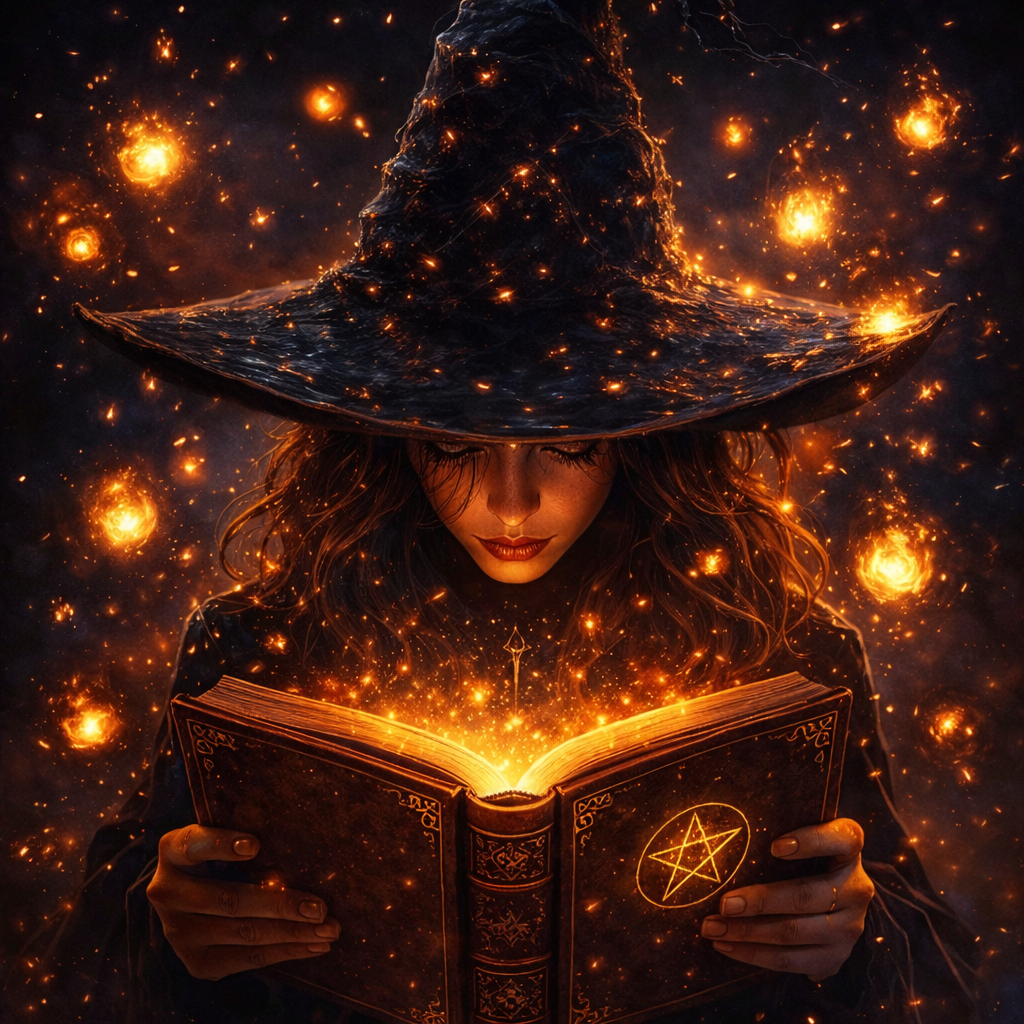

Lorelei Sage (Contemplative Literature Editor) — From the spectral whispers of 1770 emerges "The COMPLEAT wizzard," a potent distillation of authentic paranormal accounts. This volume transcends simple sensationalism, offering a profound exploration of the human psyche's engagement with the ethereal and the infernal. The narratives, presented with an unvarnished directness, serve as potent touchstones for understanding historical occult beliefs and their societal impact. It is an indispensable resource for scholars of demonology, witchcraft history, and comparative religion, revealing the enduring human quest to comprehend the unseen. The collection's strength lies in its raw, unadulterated presentation of belief, making it a compelling read for anyone seeking to delve into the darker, more mysterious corners of human experience.
📝 Description
81
"The COMPLEAT wizzard," published in 1770, collects authentic accounts of ghosts, demons, and spectres.
This 1770 compilation gathers genuine narratives concerning the appearance and existence of ghosts, demons, and spectres. It moves beyond simple ghost tales to show the beliefs and fears about unseen forces prevalent in society at the time. The archaic language creates a strong sense of mystery, urging readers to consider the divide between the physical world and the spirit realm. This book is for those interested in hidden knowledge, historical esotericism, or the origins of Western occult practices. It is a significant historical record, keeping firsthand accounts and societal discussions about the supernatural. It helps in understanding humanity's long-standing interest in the spectral and demonic.
Published in 1770, this collection fits within a long tradition of cataloging supernatural encounters that predates modern demonology and spiritualism. It reflects a period where the boundaries between folklore, religious belief, and empirical observation were less distinct. The accounts likely draw from popular pamphlets, personal testimonies, and perhaps earlier grimoires, situating it as a bridge between folk beliefs and more formalized occult studies. It shows how the supernatural was understood and discussed in the years leading up to the Enlightenment's emphasis on reason.
💡 Why Read This Book?
Unearth forgotten tales of spectral encounters and demonic visitations from 1770. "The COMPLEAT wizzard" offers authentic narratives that illuminate historical occult beliefs and societal anxieties surrounding the supernatural. It's essential for seekers of esoteric knowledge, historians of witchcraft, and anyone fascinated by the enduring mysteries of the unseen world. Read free online and explore the spectral dimensions of the past.
⭐ Reader Reviews
Honest opinions from readers who have explored this book.
❓ Frequently Asked Questions
What is the primary focus of "The COMPLEAT wizzard"?
The book primarily focuses on collecting and presenting authentic narratives concerning the existence and appearance of ghosts, demons, and spectres from the year 1770. It aims to document and entertain through these accounts of the supernatural.
Who is the intended audience for this collection?
This collection is intended for readers interested in historical accounts of the supernatural, occult lore, witchcraft, demonology, and the history of belief systems surrounding the unseen. It appeals to scholars, practitioners, and enthusiasts of esoteric literature.
Is this book a primary source for witchcraft practices?
While it contains narratives related to the supernatural, it is more of a collection of reported appearances and beliefs rather than a practical grimoire or direct instruction manual for witchcraft practices of the era.
What is the historical context of the publication date (1770)?
The year 1770 falls within the broader Enlightenment period, yet it was also a time when folk beliefs, superstitions, and anxieties about the supernatural remained prevalent, especially concerning witchcraft and demonic influence, bridging traditional beliefs with emerging rationalism.
How can this book be accessed?
This specific issue, 'Iss 219', can be accessed as a digitized version, with its original source noted as IA40330315-30. It is part of a larger series related to witchcraft.
🔮 Key Themes & Symbolism
The Tangibility of the Unseen
This collection boldly asserts the 'real existence' of spectral entities, challenging the burgeoning rationalism of the 18th century. It presents accounts not as mere fables but as verifiable testimonies, suggesting a world where the veil between the physical and spiritual is thin and permeable. The narratives explore the impact of these apparitions on individuals and communities, reflecting a deep-seated cultural consciousness grappling with forces beyond empirical understanding. It prompts reflection on the nature of reality itself and the limitations of purely materialist viewpoints when confronted with persistent phenomena of the human experience.
The Dual Nature of Spirits: Benevolent and Malevolent
The compendium examines the spectrum of spiritual manifestations, encompassing both benevolent spectral presences and terrifying demonic incursions. This duality highlights the ancient human understanding of the cosmos as a landscape populated by entities with diverse intentions and powers. The narratives often explore the moral and spiritual implications of these encounters, suggesting that the nature of the spirit mirrored, or was a consequence of, the spiritual state of the observer. It encourages contemplation on divine protection, the consequences of sin, and the ever-present struggle between light and shadow.
Folklore, Belief, and Societal Anxiety
"The COMPLEAT wizzard" serves as a rich repository of 18th-century folklore and popular belief concerning the supernatural. The collected narratives offer invaluable insights into the anxieties, fears, and moral frameworks that shaped society during this period. The widespread belief in ghosts, demons, and spectres reflects a collective psyche deeply concerned with the afterlife, divine judgment, and the forces that could disrupt earthly order. This theme invites an examination of how such beliefs influenced social customs, religious practices, and individual behavior, revealing the profound interconnectedness of the supernatural and the mundane.
💬 Memorable Quotes
Direct passages from the work, attributed to the author.
“Demons whisper temptations where virtue sleeps.”
— This highlights the perceived active role of demonic entities in exploiting human weaknesses and moral frailties for their own malevolent purposes.
“Spectres linger, elements of lives both lived and lost.”
— This evokes the idea of ghosts as residual energies or imprints of past existences, forever tethered to the earthly plane.
“The veil is thin, and the watchful eye may glimpse beyond.”
— This suggests that with heightened awareness or a particular spiritual attunement, one can perceive phenomena normally hidden from ordinary sight.
“Authentic narratives are keys to unlocking hidden truths.”
— This emphasizes the belief that firsthand accounts of the supernatural hold genuine insights into the nature of reality and the spirit world.
💡 Key Ideas
Editorial paraphrase of the work's core concepts — not direct quotes.
The spectral form doth often haunt the thresholds of our fears.
This quote speaks to the psychological projection of fear onto supernatural apparitions, suggesting that our internal anxieties can manifest as perceived external threats.
🌙 Esoteric Significance
Tradition
This work aligns with the broader tradition of Western esotericism, particularly within the spheres of demonology, spiritualism, and folk magic prevalent in the 18th century. It speaks to a period where the lines between religious dogma, popular superstition, and nascent occult philosophy were often blurred. The focus on 'authentic' accounts suggests a desire to catalogue and understand phenomena that were considered by some to be evidence of a hidden spiritual reality, distinct from but coexisting with the observable physical world.
Symbolism
The spectral entities described – ghosts, demons, spectres – are potent symbols. Ghosts often represent unresolved issues, lingering emotions, or the human fear of death and the unknown. Demons symbolize temptation, primal urges, and the forces of chaos or malevolence that challenge moral order. Spectres can embody the uncanny, the unsettling ambiguity of existence, or the psychological manifestations of fear. These figures function symbolically within the narratives to explore themes of sin, redemption, the afterlife, and the precarious balance between the human and the divine or infernal.
Modern Relevance
In an age increasingly dominated by digital interfaces and scientific materialism, "The COMPLEAT wizzard" offers a compelling counterpoint. Its relevance lies in its exploration of enduring human themes: our fascination with the unknown, our anxieties about mortality, and our innate sense of a reality that extends beyond the tangible. The collection invites modern readers to consider the historical roots of paranormal beliefs and to reflect on how these archetypal fears and wonders continue to shape our contemporary understanding of consciousness, the afterlife, and the mysteries that lie just beyond the edge of our perception.
👥 Who Should Read This Book
This compendium is essential for several distinct groups. For the **esoteric scholar**, it provides invaluable primary source material for understanding 18th-century occult beliefs, demonology, and the evolution of ghost lore. **Practitioners of modern witchcraft and paganism** will find historical context for the enduring presence of spirits and darker entities in belief systems. **Seekers of esoteric knowledge** will be drawn to the raw, unvarnished accounts and the philosophical implications of a world populated by spectral beings. Even **beginners to the occult** can find a captivating, if sometimes chilling, introduction to the historical fascination with the supernatural, serving as a foundational text for exploring the 'other side'.
📜 Historical Context
Published in 1770, "The COMPLEAT wizzard" emerges from a fascinating historical juncture. While the Enlightenment championed reason and scientific inquiry, it did not entirely eradicate deeply ingrained folk beliefs and superstitions. This period saw a complex interplay between burgeoning rationalism and enduring anxieties about the supernatural. Belief in witchcraft, demonic influence, and spectral phenomena remained a significant undercurrent in European and American society. This collection reflects that persistent fascination, offering a window into how the 'unseen' was perceived, documented, and debated. The narratives likely drew from oral traditions, local legends, and perhaps even early forms of 'true ghost story' publications, catering to a public simultaneously curious about the occult and seeking validation for the existence of forces beyond the material realm.
📔 Journal Prompts
Reflect on a personal experience, however small, that felt 'otherworldly' or unexplained. How did you interpret it then, and how might you interpret it now?
Consider the societal fears that might have fueled the belief in demons and spectres in 1770. How do contemporary anxieties manifest in our own cultural narratives about the unknown?
If ghosts are 'elements of lives lived,' what kind of 'echo' do you believe your own life might leave behind?
Explore the symbolic meaning of 'the veil' between worlds. What does it represent to you, and what challenges arise when it is perceived as thin?
How does the concept of 'authentic narrative' influence your belief or skepticism regarding supernatural phenomena?
🗂️ Glossary
Spectre
An apparition of a dead person, often perceived as a terrifying or unsettling ghost. In historical contexts, it could also refer to a phantom or an illusion.
Demon
A supernatural being, typically malevolent, believed to be associated with evil or the underworld. Often depicted as tempters or agents of misfortune.
Apparition
The appearance of something that is not normally visible, especially a ghost or ghost-like image. A visual manifestation of the supernatural.
Grimoire
A textbook of magic or witchcraft, typically containing instructions for spells, rituals, and the invocation of spirits. While this book is a collection of narratives, the concept relates to historical occult texts.
Esotericism
Beliefs and practices that are not for public consumption, often involving secret knowledge, mystical insights, and spiritual disciplines aimed at personal transformation or understanding hidden realities.
This book appears in 2 collections
🔮 Readers Also Liked
Browse all →





From the “Witchcraft” Collection
View all →





More Free Witchcraft & Paganism Books
View all →