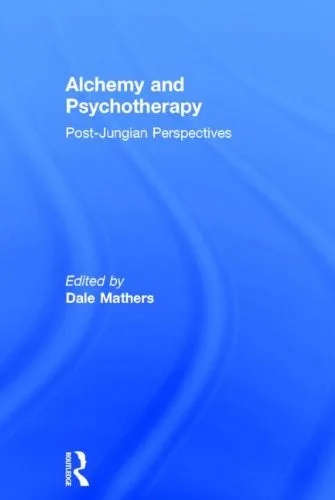
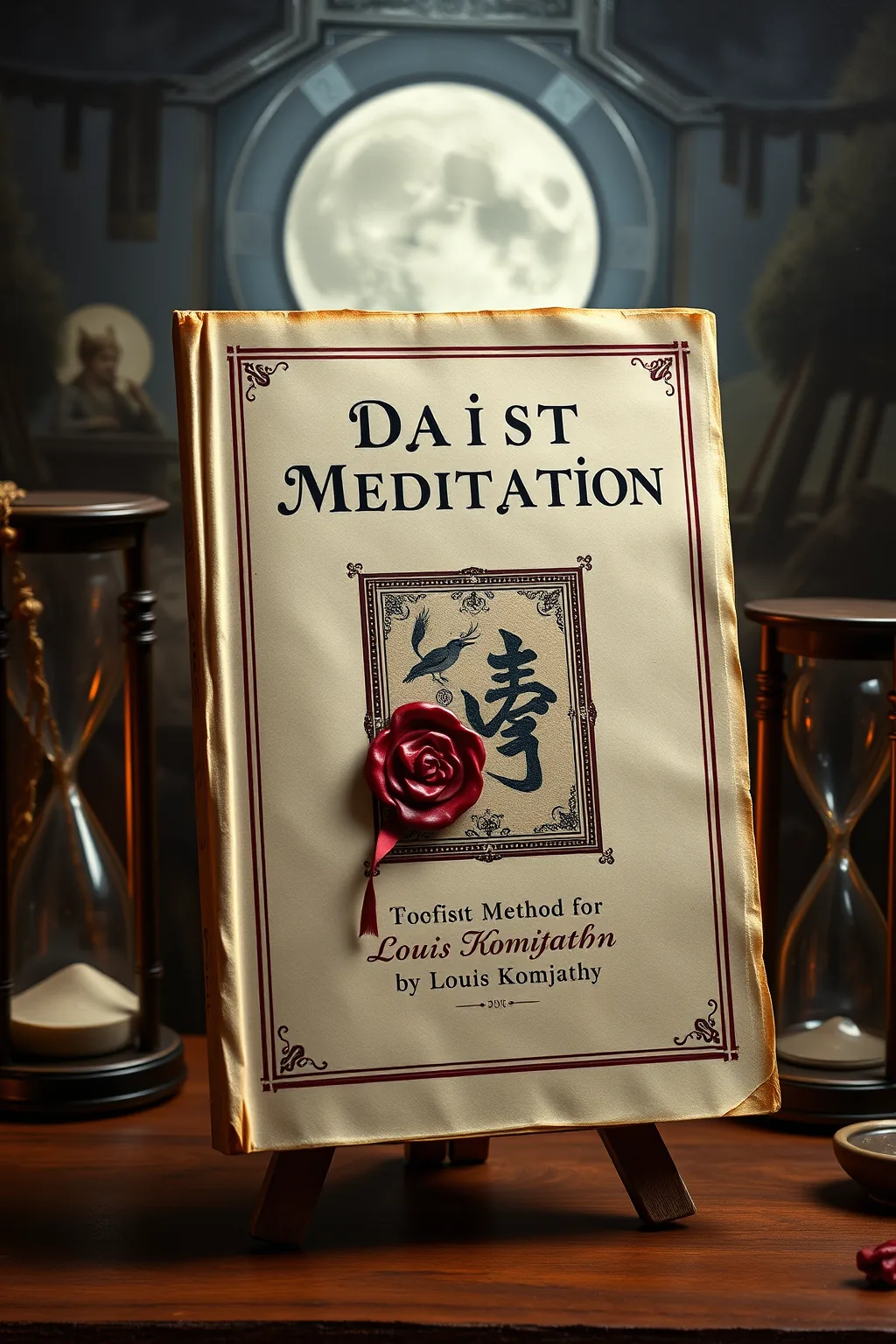
Daoist Meditation: Theory, Method, Application
 75
75

Daoist Meditation: Theory, Method, Application



Daoist Meditation: Theory, Method, Application by Louis Komjathy is a profound and enlightening guide for modern esoteric seekers. The book's strength lies in its clear and concise explanations of complex Daoist meditation techniques, making it accessible to both beginners and advanced practitioners. Komjathy's ability to bridge the gap between theoretical understanding and practical application is commendable. The inclusion of historical context enriches the reader's appreciation of these ancient practices, providing a holistic view of Daoist meditation. For those interested in alchemy and hermeticism, this book offers valuable insights into the spiritual and philosophical underpinnings of these traditions. It is a must-read for anyone looking to deepen their meditation practice and explore the esoteric dimensions of Daoism.
📝 Description
75
Louis Komjathy's 2013 book explains Daoist meditation techniques from theory to application.
Daoist Meditation: Theory, Method, Application examines the connection between meditation and Daoism. Louis Komjathy presents various methods, detailing their symbolic and philosophical underpinnings. The text covers techniques ranging from apophatic practices to visualization exercises.
This work is structured around a lecture given by Dr. Komjathy. It aims to clarify the theoretical basis, practical methods, and potential applications of Daoist meditative traditions. The book addresses both academic study and personal practice, guiding readers toward an understanding of Daoist contemplative arts.
This book fits within the broader esoteric study of religious and spiritual traditions, specifically focusing on internal alchemy and contemplative practices within Daoism. It examines how Daoist concepts of energy cultivation (qi), cosmology, and self transformation are encoded within meditative disciplines. The work addresses how these practices aim to achieve states of consciousness that transcend ordinary perception, aligning with the esoteric goal of direct experience of ultimate reality.
💡 Why Read This Book?
Reading Daoist Meditation: Theory, Method, Application today offers a unique opportunity to explore ancient meditation practices in a modern context. This book provides readers with a comprehensive understanding of Daoist meditation techniques, enabling them to integrate these practices into their daily lives. Whether you are a seasoned meditator or a curious beginner, this work offers valuable insights and practical guidance. It is an essential resource for those seeking to enhance their spiritual journey and gain a deeper understanding of the esoteric traditions within Daoism.
⭐ Reader Reviews
Honest opinions from readers who have explored this book.
❓ Frequently Asked Questions
What types of meditation are discussed in the book?
The book primarily focuses on Apophatic Meditation and Visualization Meditation, providing detailed explanations and practical examples of each.
Is this book suitable for beginners?
Yes, Daoist Meditation: Theory, Method, Application is designed to be accessible to both beginners and advanced practitioners, offering clear and concise explanations of complex meditation techniques.
Can I access this book in formats other than PDF?
Currently, the book is only available in PDF format, making it convenient for digital reading and printing.
🔮 Key Themes & Symbolism
Apophatic Meditation
Apophatic meditation, or the 'via negativa,' is a central theme in Daoist Meditation. This practice involves the negation of all concepts and thoughts to achieve a state of pure awareness, aligning with the Daoist principle of 'wu wei,' or effortless action. By embracing emptiness and stillness, practitioners can tap into the profound wisdom that lies beyond the mind's constructs.
Visualization Meditation
Visualization meditation is another key theme, where practitioners use mental imagery to connect with the divine and manifest their intentions. This technique is deeply rooted in Daoist symbolism and mythology, offering a path to spiritual transformation and inner harmony.
Philosophical Significance
The book looks at the philosophical significance of Daoist meditation, exploring its role in the broader context of Daoist thought. By understanding the underlying principles of Daoism, readers can deepen their meditation practice and achieve a more profound spiritual experience.
💡 Key Ideas
Editorial paraphrase of the work's core concepts — not direct quotes.
Meditation is the key to unlocking the mysteries of the Dao.
This quote underscores the transformative power of meditation in Daoist practice.
Emptiness is the foundation of all creation.
This line highlights the Daoist principle of 'wu,' or emptiness, as the source of all existence.
Through visualization, we can manifest our deepest desires.
This quote emphasizes the practical application of visualization meditation in achieving spiritual goals.
The path to enlightenment lies in the stillness of the mind.
This passage underscores the importance of mental stillness in Daoist meditation practices.
Daoist meditation is a journey into the heart of the cosmos.
This quote invites readers to explore the cosmic dimensions of Daoist spiritual practices.
🌙 Esoteric Significance
Tradition
Daoist Meditation: Theory, Method, Application belongs to the Daoist (Taoist) tradition, which is rooted in ancient Chinese philosophy and spirituality. This tradition emphasizes the harmony between humans and nature, the cultivation of inner virtue, and the pursuit of immortality through spiritual practices.
Symbolism
Key symbols in Daoist meditation include the yin and yang, which represent the balance of opposites, and the Tao Te Ching, the foundational text of Daoism. These symbols are integral to the practice of visualization meditation, where they serve as focal points for spiritual contemplation.
Modern Relevance
In today's fast-paced world, the practices outlined in this book offer a path to inner peace and spiritual fulfillment. Modern practitioners of Daoist meditation use these techniques to reduce stress, enhance mental clarity, and achieve a deeper connection with the divine.
👥 Who Should Read This Book
This book is ideal for beginners seeking an introduction to Daoist meditation practices, scholars looking to deepen their understanding of Daoist philosophy, and spiritual seekers on a journey of self-discovery. Practitioners of meditation will find valuable insights and techniques to enrich their spiritual practice, while those interested in esoteric traditions will appreciate the book's exploration of hidden knowledge and mystical symbolism.
📜 Historical Context
Daoist Meditation: Theory, Method, Application was written in an era where there was a resurgence of interest in Eastern spiritual practices. Published in the early 21st century, it reflects the growing fascination with Daoism and its meditative techniques, which have been passed down through generations. The book's influence lies in its ability to explain complex Daoist concepts and make them accessible to a modern audience, bridging the gap between ancient wisdom and contemporary spiritual seekers.
📔 Journal Prompts
How does apophatic meditation help in achieving a state of pure awareness?
Reflect on the role of visualization in Daoist spiritual practices.
What are the philosophical underpinnings of Daoist meditation?
How can Daoist meditation techniques be integrated into daily life?
Explore the symbolism of the yin and yang in Daoist meditation.
🗂️ Glossary
Daoism
An ancient Chinese philosophy and spiritual tradition that emphasizes living in harmony with the Dao, the natural order of the universe.
Apophatic Meditation
A form of meditation that involves the negation of all thoughts and concepts to achieve a state of pure awareness.
Visualization Meditation
A meditative technique that uses mental imagery to connect with the divine and manifest intentions.
Wu Wei
The Daoist principle of effortless action, achieved through alignment with the natural flow of the universe.
Tao Te Ching
The foundational text of Daoism, attributed to the sage Laozi, which outlines the principles of Daoist philosophy.
This book appears in 3 collections
🔮 Readers Also Liked
Browse all →








More by Louis Komjathy
All books →
From the “Hermeticism” Collection
View all →







![The ancient fragments; containing what remains of the writings of Sanchoniatho, Berossus, Abydenus, Megasthenes, and Manetho. Also the Hermetic Creed, the Old Chronicle, the Laterculus of Eratosthenes, the Tyrian Annals, the Oracles of Zoroaster […]](/img/thumb/the-ancient-fragments-containing-what-remains-of-the-writings-of-sanchoniatho-berossus-abydenus-megasthenes-and-manetho-also-the-hermetic-creed-the-old-chronicle-the-laterculus-of-eratosthenes-the-tyr.webp)

More Free Alchemy & Hermeticism Books
View all →