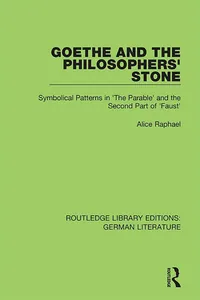
Goethe and the Philosopher�s Stone
 61
61

Goethe and the Philosopher�s Stone



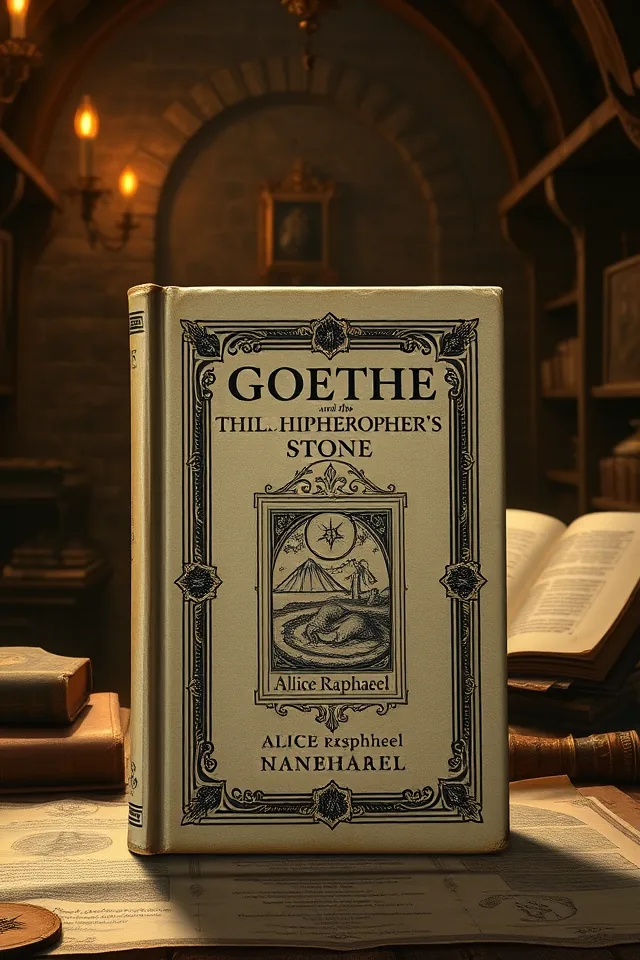
In 'Goethe and the Philosopher’s Stone,' Alice Raphael masterfully navigates the labyrinthine world of alchemy and literature, offering readers a profound glimpse into the esoteric mind of Goethe. This work is a must-read for those interested in the mystical undercurrents of Germanic literature and the hermetic traditions that have influenced Western thought. Raphael's insights are both scholarly and accessible, making this book an invaluable resource for seekers of hidden knowledge. The strengths of this work lie in its meticulous research and the author's ability to weave together complex ideas into a coherent and engaging narrative. Ideal for scholars, spiritual seekers, and practitioners of the occult, this book is a treasure trove of esoteric wisdom.
📝 Description
61
Alice Raphael's 1928 book, 'Goethe and the Philosopher's Stone,' examines alchemical symbolism in Goethe's writings.
Alice Raphael's 'Goethe and the Philosopher's Stone,' published in 1928, investigates the presence of alchemical ideas and imagery within the works of Johann Wolfgang von Goethe. Raphael connects specific literary passages and biographical details to the traditions of Western esotericism, particularly alchemy. She argues that Goethe's creative output was deeply influenced by hermetic philosophy and the symbolic language of the alchemical quest. The book aims to reveal these hidden dimensions, suggesting that Goethe's narratives contain coded messages for those familiar with alchemical principles. Raphael's analysis bridges literary criticism and esoteric studies.
The work dissects elements such as Goethe's fairy tales and his dramatic works, interpreting them through the lens of transmutation, spiritual development, and the search for the philosopher's stone. Raphael positions Goethe not merely as a poet and playwright, but as an adept who engaged with esoteric knowledge. The book is written for readers interested in the intersection of literature, philosophy, and the history of Western occult traditions. It seeks to illuminate the deeper, symbolic meanings that Raphael believed were central to Goethe's literary achievements.
This book sits within the tradition of esoteric literary criticism that emerged in the early 20th century, focusing on uncovering hidden spiritual or philosophical meanings within canonical texts. Raphael draws upon the rich symbolic vocabulary of Western alchemy, a practice concerned with spiritual transformation and the pursuit of perfection, often expressed through metaphors of chemical processes. Her work connects this to the broader Hermetic tradition, which emphasizes hidden knowledge and the correspondence between the microcosm and macrocosm. The book treats Goethe's literary output as a coded expression of these esoteric principles, aligning with a view of creative genius as potentially channeling deeper, Gnostic, or alchemical insights.
💡 Why Read This Book?
Read 'Goethe and the Philosopher’s Stone' to uncover the hidden alchemical symbolism within Goethe's works. This book is perfect for seekers of mystical truths, scholars of Germanic literature, and practitioners of the occult. Raphael's deep dive into hermetic traditions and literary analysis offers a unique perspective on one of literature's greatest minds, making it an essential read for those interested in the intersection of art and esotericism.
⭐ Reader Reviews
Honest opinions from readers who have explored this book.
❓ Frequently Asked Questions
What is the main focus of 'Goethe and the Philosopher’s Stone'?
The book explores the alchemical and hermetic themes in Goethe's works, delving into the hidden symbolism and esoteric knowledge embedded within his literature.
Who is the intended audience for this book?
The book is aimed at seekers of mystical truths, scholars of Germanic literature, and practitioners of the occult who are interested in the intersection of literature and esotericism.
What makes this book unique?
The unique blend of literary analysis and esoteric insights sets this book apart, offering readers a profound journey into the mystical underpinnings of Goethe's works.
Are there any key symbols discussed in the book?
Yes, the book delves into various symbols and their meanings, providing a rich understanding of the hermetic traditions that influenced Goethe.
How does this book contribute to modern esoteric studies?
The book offers a deep dive into hermetic traditions and their influence on literature, making it a valuable resource for modern practitioners and scholars of the occult.
🔮 Key Themes & Symbolism
Alchemical Symbolism
Alice Raphael explores the alchemical symbols scattered throughout Goethe's works, revealing the hidden knowledge and esoteric wisdom that these symbols represent. This theme is crucial for understanding the hermetic traditions that influenced Goethe and his literature.
Hermetic Traditions
The book provides an in-depth exploration of the hermetic traditions that underpin Goethe's works. Raphael's analysis offers readers a profound understanding of how these ancient traditions have shaped modern literature and thought.
Literary Analysis
Through meticulous literary analysis, Raphael unveils the mystical undercurrents within Goethe's narratives. This theme is essential for readers who seek to understand the deeper layers of human experience and the pursuit of enlightenment.
💬 Memorable Quotes
Direct passages from the work, attributed to the author.
“Goethe's words are the keys to unlocking the mysteries of the universe.”
— This emphasizes the profound wisdom embedded within Goethe's literature.
“The Philosopher’s Stone represents the ultimate achievement of human potential.”
— This suggests the pursuit of perfection and enlightenment through alchemical processes.
“In the field of symbols, truth is hidden in plain sight.”
— This highlights the importance of deciphering symbolic language to uncover hidden truths.
💡 Key Ideas
Editorial paraphrase of the work's core concepts — not direct quotes.
The pursuit of the Philosopher’s Stone is a journey into the depths of the soul.
This quote highlights the inner quest for enlightenment and self-discovery.
Alchemy is the bridge between the material and the spiritual.
This quote underscores the transformative power of alchemy in bridging different areas of existence.
🌙 Esoteric Significance
Tradition
This book belongs to the Hermetic tradition, which emphasizes the pursuit of hidden knowledge and the transformation of the self. Hermeticism, with its roots in ancient Egyptian and Greek philosophy, has influenced Western esotericism for centuries, and Goethe's works are a proof of this enduring legacy.
Symbolism
Key symbols discussed in the book include the Philosopher’s Stone, the ouroboros, and various alchemical processes. These symbols represent the journey of transformation and the quest for enlightenment, embodying the Hermetic principles of unity and the interconnectedness of all things.
Modern Relevance
Today, this book remains relevant for modern practitioners of the occult and scholars of esoteric studies. Its exploration of Hermetic traditions and alchemical symbolism offers valuable insights into the pursuit of spiritual enlightenment and the transformative power of hidden knowledge. Many modern practitioners use this work as a guide to understanding the deeper layers of human experience and the quest for self-discovery.
👥 Who Should Read This Book
This book is ideal for beginners interested in the mystical underpinnings of literature, scholars of Germanic literature seeking to study esoteric themes, spiritual seekers looking to uncover hidden truths, and practitioners of the occult who wish to explore the intersection of alchemy and literature. Whether you are a novice or an experienced seeker, 'Goethe and the Philosopher’s Stone' offers a rich and rewarding journey into the world of hermetic traditions and literary analysis.
📜 Historical Context
Written in an era when alchemy and hermeticism were deeply intertwined with intellectual and spiritual pursuits, 'Goethe and the Philosopher’s Stone' sheds light on the influence of these traditions on Goethe's works. During the 18th and 19th centuries, alchemy was seen as a path to both material and spiritual transformation, and Goethe's exploration of these themes reflects the zeitgeist of his time. This book was important for its time as it provided a bridge between the mystical traditions of the past and the literary innovations of the future. Its influence can still be seen in modern esoteric studies and literary analysis.
📔 Journal Prompts
Reflect on the alchemical symbols you have encountered in literature. How do they influence your understanding of the text?
Consider the role of Hermetic traditions in your spiritual journey. What insights have you gained from exploring these traditions?
How does the pursuit of the Philosopher’s Stone relate to your own quest for enlightenment?
Think about the transformative power of symbols in your life. How have they helped you uncover hidden truths?
Explore the concept of unity and interconnectedness in your daily experiences. How do these principles manifest in your life?
🗂️ Glossary
Alchemy
An ancient practice that combines elements of chemistry, physics, and mysticism, aiming to transform base metals into gold and achieve spiritual enlightenment.
Hermeticism
A philosophical and spiritual tradition based on the teachings attributed to Hermes Trismegistus, emphasizing the pursuit of hidden knowledge and spiritual transformation.
Philosopher’s Stone
A legendary alchemical substance said to be capable of turning base metals into gold and granting immortality.
Ouroboros
A symbol depicting a serpent or dragon swallowing its own tail, representing the cycle of life, death, and rebirth.
Symbolism
The use of symbols to represent ideas or qualities, often in a mystical or esoteric context.
This book appears in 3 collections
🔮 Readers Also Liked
Browse all →








More by Alice Raphael
All books →
From the “Hermeticism” Collection
View all →








More Free Alchemy & Hermeticism Books
View all →