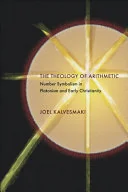
The Theology of Arithmetic
 83
83

The Theology of Arithmetic
Joel Kalvesmaki's *The Theology of Arithmetic* offers a meticulously researched account of numerical symbolism in early Christian thought, particularly within Gnostic circles. The book's strength lies in its clear exposition of how abstract mathematical concepts were integral to theological frameworks, linking Pythagorean and Platonic ideas to Gnostic cosmologies. Kalvesmaki effectively demonstrates the intellectual sophistication of these early thinkers, showing that their use of numbers was far from arbitrary. A notable limitation, however, is the dense academic prose, which may present a barrier for readers less familiar with patristic literature and ancient philosophy. The discussion of the number 'Monad' as a symbol of the supreme, unknowable God, and its subsequent unfolding into multiplicity, is particularly compelling. Ultimately, this is a vital, albeit challenging, study for specialists in the field.
📝 Description
83
Joel Kalvesmaki's 2013 book analyzes numerical symbolism in early Christian Gnosticism.
In *The Theology of Arithmetic*, Joel Kalvesmaki examines the role of numerical symbolism in second-century Christian Gnosticism and its philosophical predecessors. The book demonstrates how Gnostic thinkers, and even their orthodox rivals, used numbers not simply as abstract quantities but as divinely ordered structures for grasping God, scripture, and the cosmos. Kalvesmaki traces the intellectual lineage of these numerological systems, showing their origins in Pythagorean and Platonic thought.
This study illuminates how Gnostic groups developed elaborate cosmologies often based on divine emanations and hierarchies. It places these ideas within the context of Neoplatonism and Pythagoreanism, traditions that already regarded numbers as fundamental principles of existence. Kalvesmaki illustrates how Gnostic thinkers adapted these philosophical ideas. He also shows how early Christian thinkers reacted to and debated these numerical theologies, contributing to the formation of Christian doctrine.
The central concept is the 'theology of arithmetic' itself, the notion that numbers carried spiritual and cosmological significance.
This book engages with the esoteric traditions of late antiquity, specifically the complex symbolic systems developed by Gnostic groups. It shows how these groups integrated mathematical concepts into their theological frameworks, seeing numbers as keys to divine order and cosmic structure. The work situates these Gnostic ideas within the broader intellectual currents of the time, including Neoplatonism and Pythagoreanism, which also invested numbers with deep metaphysical weight. Kalvesmaki reveals how these traditions intersected and influenced one another during a period of significant religious and philosophical change.
💡 Why Read This Book?
• Gain insight into the specific numerical structures used by second-century Gnostic Christians to articulate their theology, a concept distinct from modern mathematical theology. • Understand the direct influence of Pythagorean and Platonic philosophy on early Christian esoteric thought, specifically how concepts like the Monad were reinterpreted by groups like the Valentinians. • Grasp the intricate relationship between numerical symbolism and biblical interpretation as practiced by both Gnostic and orthodox critics, revealing a unique hermeneutical method from antiquity.
⭐ Reader Reviews
Honest opinions from readers who have explored this book.
❓ Frequently Asked Questions
What is the primary focus of "The Theology of Arithmetic"?
The book primarily explores how second-century Gnostic Christians and their critics utilized numerical structures to articulate their understanding of God, interpret biblical texts, and describe the universe, tracing influences from Pythagorean and Platonic thought.
Which historical period does the book cover?
The book focuses on the second century CE, examining the theological and philosophical landscape of early Christianity, Gnosticism, and late antique philosophy.
What intellectual traditions influenced the Gnostics' use of numbers?
The work highlights the significant influence of earlier Neoplatonist and Pythagorean thought, which already assigned deep symbolic and structural meaning to numbers.
Are "gnosticizing groups" the same as "Gnostics"?
The book distinguishes between distinct Gnostic groups and broader "gnosticizing" movements or individuals who adopted elements of Gnostic thought, showing the varied ways numerical theology was employed.
Who is the author of "The Theology of Arithmetic"?
The author is Joel Kalvesmaki, whose work first appeared in 2013, bringing academic rigor to the study of ancient numerical mysticism.
What is a key example of numerical theology discussed?
The book delves into how numbers like ten or twelve were interpreted symbolically to represent divine attributes, cosmological order, or specific scriptural passages within these early Christian traditions.
🔮 Key Themes & Symbolism
Numbers as Divine Language
This work illuminates the understanding of numbers not as mere quantities but as fundamental expressions of divine reality. Early Gnostics and their contemporaries saw numerical patterns as a language through which God structured creation and revealed spiritual truths. Kalvesmaki demonstrates how specific numbers, derived from Pythagorean and Platonic traditions, were employed to map divine hierarchies, interpret sacred texts, and articulate complex cosmological models. This perspective treats arithmetic as a theological discipline, where understanding numerical relationships was akin to understanding the mind of the divine architect.
Gnostic Cosmologies and Numerical Structures
The book intricately details how various Gnostic groups, such as the Valentinians, integrated numerical symbolism into their elaborate cosmologies. These systems often involved sequences of divine emanations or aeons, where numbers represented stages of creation, levels of perfection, or specific divine attributes. Kalvesmaki analyzes how these numerical frameworks provided a coherent structure for Gnostic beliefs about the relationship between the transcendent God and the material world, offering an alternative to orthodox interpretations of biblical narratives.
Orthodox Critiques and Numerical Debates
Kalvesmaki also addresses how orthodox Christian thinkers engaged with and often critiqued the numerical theologies of Gnosticizing groups. Rather than dismissing numerical symbolism entirely, some orthodox writers adapted or reinterpreted it within their own developing doctrinal frameworks. This section highlights the intellectual ferment of the second century, where debates over the interpretation of scripture and the nature of the divine often involved sophisticated discussions of number and proportion, shaping early Christian theological discourse.
Philosophical Antecedents
A crucial aspect of the book is its tracing of the philosophical lineage behind this numerical theology. Kalvesmaki demonstrates the profound debt Gnostic and Christian thinkers owed to earlier Neoplatonist and Pythagorean traditions. These schools had already established a rich symbolic vocabulary for numbers, viewing them as principles of order and existence. The book clarifies how these philosophical concepts were adopted, adapted, and sometimes radically reinterpreted by later religious movements seeking to express ultimate realities through mathematical metaphors.
💬 Memorable Quotes
Direct passages from the work, attributed to the author.
“Numerical structures were used to describe God, interpret the Bible, and frame the universe.”
— This captures the core thesis: numbers weren't just abstract tools but foundational elements for understanding the divine, sacred texts, and the very fabric of existence in early esoteric thought.
“Earlier neo-Pythagorean and Platonist thought influenced this theology.”
— This points to the intellectual heritage, highlighting that the numerical theology of Gnostics and Christians did not emerge in a vacuum but built upon established philosophical traditions concerning the cosmic significance of numbers.
“Some Gnostic Christians used numerical structures to describe God.”
— This highlights a key application of numerical symbolism: using specific numbers to represent aspects of the divine nature, divine beings (aeons), or the process of divine unfolding.
“The variety of number symbolism used by gnosticizing groups and their orthodox critics.”
— This suggests the book explores not only the internal systems of Gnostic thought but also the responses and adaptations by opposing theological factions, revealing a broader intellectual debate.
“The book explores the rich variety of number symbolism.”
— This emphasizes the depth and breadth of the study, indicating that the research covers multiple instances and types of numerical interpretation within the specified religious and philosophical contexts.
🌙 Esoteric Significance
Tradition
This work is deeply embedded within the study of early Christian Gnosticism and its philosophical precursors, particularly Neoplatonism and Pythagoreanism. It fits within the broader lineage of Western esoteric traditions that seek to uncover hidden divine order through symbolic systems. Kalvesmaki's research highlights how numbers were not just mathematical tools but were understood as a divine language, a core tenet in many esoteric schools that perceive reality as fundamentally structured by intelligible, often mathematical, principles.
Symbolism
Key symbols explored include the Monad, representing the ultimate, unknowable divine source, which unfolds into multiplicity. Numbers like ten and twelve also hold significant symbolic weight, often representing divine completeness, cosmic order, or specific aeons within Gnostic pantheons. The book examines how these numerical symbols were used to map spiritual genealogies, interpret creation narratives, and articulate the path of salvation, treating them as fundamental keys to unlocking esoteric knowledge.
Modern Relevance
Contemporary thinkers and practitioners in fields like comparative religion, esoteric philosophy, and even certain branches of theoretical physics find resonance in Kalvesmaki's work. It informs modern discussions on the relationship between mathematics and mysticism, the historical roots of symbolic thinking, and the diverse ways ancient cultures perceived order in the cosmos. Researchers exploring Hermeticism, Kabbalah, or sacred geometry may find valuable historical context and conceptual parallels within this study.
👥 Who Should Read This Book
• Scholars of early Christianity and Gnosticism seeking rigorous analysis of numerical theology and its philosophical underpinnings. • Students of ancient philosophy interested in the Pythagorean and Neoplatonic influence on religious thought in late antiquity. • Readers of esoteric traditions looking to understand the historical roots of symbolic number interpretation and its role in cosmological structuring.
📜 Historical Context
The second century CE was a period of intense intellectual and religious ferment, witnessing the formative stages of what would become orthodox Christianity alongside a proliferation of diverse spiritual movements, including various Gnostic schools. *The Theology of Arithmetic* situates itself within this dynamic milieu, demonstrating how thinkers grappled with fundamental questions about God, creation, and salvation. Kalvesmaki meticulously traces the intellectual currents, particularly the enduring influence of Pythagorean and Neoplatonist philosophy, which already assigned profound symbolic meaning to numbers as the underlying structure of reality. While Gnostic groups developed elaborate cosmologies centered on numerical sequences, orthodox critics, such as Irenaeus, actively engaged with these ideas, often seeking to refute Gnostic interpretations or adapt numerical concepts within their own emerging doctrinal frameworks. This period saw not widespread censorship but rather intense philosophical debate and theological argumentation over these esoteric numerical systems.
📔 Journal Prompts
The concept of the Monad as a divine source and its unfolding into multiplicity.
Numerical structures used by Valentinian Gnostics to describe their cosmology.
Interpretations of the number twelve in early Christian theological debates.
The influence of Pythagorean number theory on second-century Christian thinkers.
How did orthodox critics engage with Gnostic numerical symbolism?
🗂️ Glossary
Gnosticism
A diverse set of religious movements in late antiquity characterized by a belief in salvation through esoteric knowledge (gnosis), often involving complex cosmologies, dualistic worldviews, and a transcendent, unknowable supreme God.
Neoplatonism
A philosophical school originating in the 3rd century CE, building on Plato's ideas, which emphasized a hierarchical structure of reality emanating from a supreme 'One,' often involving mystical ascent and the pursuit of divine knowledge.
Pythagoreanism
An ancient Greek philosophical and religious tradition founded by Pythagoras, which held that numbers are the fundamental principle of all things and that reality is fundamentally mathematical in nature.
Aeons
In Gnostic cosmology, divine beings or emanations that issue from the supreme God, often forming a complex hierarchy that constitutes the pleroma (fullness) and mediates between the divine and the material realms.
Theology of Arithmetic
The concept, explored in the book, where numbers are not merely quantitative but possess inherent divine meaning and structure, serving as a basis for understanding God, creation, and spiritual realities.
Gnosticizing groups
Broader categories of thinkers or movements that adopted or adapted elements of Gnostic thought, not necessarily adhering to a single, defined Gnostic system, showcasing varied applications of Gnostic ideas.
Pleroma
In Gnostic theology, the divine realm or fullness, the totality of divine powers and emanations (aeons) that originate from the supreme God.
This book appears in 1 collection
🔮 Readers Also Liked
Browse all →









From the “Neoplatonism” Collection
View all →








More Free Occult Philosophy Books
View all →