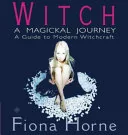
Witch
 75
75

Witch
Fiona Horne's "Witch" stands out for its unpretentious and energetic voice, a welcome departure from more academic or overtly mystical tomes. Horne, a self-proclaimed "Witch with Attitude," injects a much-needed dose of personality and practicality into modern paganism. Her direct address and focus on actionable magick, particularly her insights into "cyber-witchcraft," feel remarkably prescient for a 2001 publication. A notable strength is her ability to demystify complex rituals and concepts, making them accessible without diluting their power. However, the book's strength in accessibility sometimes borders on oversimplification. While the "empowering" message is potent, some readers might yearn for deeper theoretical underpinnings or more nuanced explorations of the historical evolution of Wicca beyond Horne's personal experience. The section detailing rituals for the eight Sabbats, for example, is clear and functional but lacks the deeper contextualization found in other works. Despite this, "Witch" remains a vibrant and vital introduction for those ready to explore the craft with a bold spirit.
📝 Description
75
Fiona Horne's 2001 book "Witch" addresses modern pagan practice with a personal, practical approach.
First published in 2001, Fiona Horne's "Witch" serves as a practical guide for contemporary Wiccan practitioners. The book moves beyond theory, drawing on Horne's thirteen years of experience to detail rituals, spells, and the spiritual path. It explains core elements of modern paganism, including celestial cycles, sacred spaces, deities, and familiars. Horne's "Witch with Attitude" perspective aims to demystify witchcraft for a new generation.
This book is for those exploring or already involved in Wicca and modern witchcraft, especially younger adults seeking a less dogmatic spiritual path. Readers looking for clear advice on spellcasting, ritual, and understanding pagan festivals will find it useful. The work also touches on the intersection of technology and magic, referencing "cyber-witchcraft."
Published in 2001, "Witch" emerged during a period of Neopagan growth and public visibility. As Wicca gained more attention, often through popular culture, misinformation was common. Horne's book offered a grounded, personal counterpoint, connecting with emerging online pagan communities while still respecting traditional elements like covens and seasonal rites. It bridged older traditions with the emerging digital age.
💡 Why Read This Book?
• Gain practical spellcraft and ritual knowledge directly from Fiona Horne's "Witch with Attitude" approach, learning specific incantations and techniques for modern practice. • Understand the integration of technology into magick through the concept of "cyber-witchcraft," a unique perspective for a book published in 2001. • Explore the cyclical nature of pagan festivals, specifically the eight Sabbats, and their associated lore as presented through Horne's personal practice.
⭐ Reader Reviews
Honest opinions from readers who have explored this book.
❓ Frequently Asked Questions
What is Fiona Horne's approach to witchcraft in "Witch"?
Fiona Horne presents a "Witch with Attitude" approach, emphasizing empowerment, practicality, and a modern, accessible style of Wicca. First published in 2001, her book details personal experiences and actionable guidance on rituals, spells, and spiritual concepts.
Is "Witch" suitable for beginners in Wicca?
Yes, "Witch" is highly suitable for beginners. Fiona Horne breaks down core Wiccan practices like spells, rituals, and understanding deities in a clear, engaging manner, making it an accessible entry point to modern paganism.
What is "cyber-witchcraft" as discussed in Fiona Horne's book?
Cyber-witchcraft, as explored in "Witch," refers to the adaptation of magical practices and spiritual exploration to the digital realm. It reflects an early consideration of how online spaces could be utilized for witchcraft, a concept ahead of its time when published in 2001.
Does "Witch" cover Wiccan festivals?
Absolutely. The book details the significance and practice surrounding the eight major Wiccan festivals, known as the Sabbats. Fiona Horne provides insights into celebrating these sacred times within her framework of modern paganism.
When was Fiona Horne's "Witch" first published?
Fiona Horne's "Witch" was first published in 2001, making it a contemporary guide to Wicca and modern paganism from the turn of the millennium.
What are familiars in the context of Fiona Horne's "Witch"?
In "Witch," familiars are discussed as spiritual companions or animal allies that assist a witch in their practice. Fiona Horne explains their role in providing guidance, protection, and magical aid, drawing from traditional witchcraft concepts.
🔮 Key Themes & Symbolism
Practical Spellcraft and Ritual
Horne's "Witch" emphasizes the hands-on application of magick. The book provides concrete instructions for spells, incantations, and rituals, moving beyond abstract theory. It encourages practitioners to actively engage with magical forces, offering techniques for manifestation and personal empowerment. This focus on doing, rather than just knowing, is central to Horne's "Witch with Attitude" philosophy, making witchcraft an accessible and dynamic practice for the modern individual seeking tangible results.
Cyber-Witchcraft and Digital Adaptation
A prescient element of "Witch" is its exploration of "cyber-witchcraft." Published in 2001, it acknowledges the emerging digital landscape as a potential space for spiritual practice and community building. This theme highlights how ancient traditions can adapt to new technologies, suggesting ways to incorporate online resources and interactions into a magical path. It reflects an early understanding of the internet's influence on esoteric movements and the evolving nature of spiritual engagement.
The Wheel of the Year and Sacred Cycles
Central to the book is an understanding of the eight Wiccan festivals, collectively known as the Wheel of the Year. Horne explains the significance of these seasonal markers, from Samhain to Beltane, and their connection to the cycles of nature and deity worship. This framework provides a structure for regular spiritual practice and a means to connect with the earth's rhythms, grounding the practitioner in both personal and cosmic timelines.
Personal Empowerment and "Witch with Attitude"
Horne champions a personal, empowered approach to witchcraft. Her "Witch with Attitude" ethos encourages self-reliance, confidence, and a proactive stance in one's spiritual journey. The book aims to clarify the occult, presenting it as a tool for self-discovery and personal growth rather than an exclusive or esoteric secret. This philosophy empowers readers to claim their own magical path and embrace their inner power.
💬 Memorable Quotes
Direct passages from the work, attributed to the author.
“Fiona Horne is a Witch with Attitude.”
— This is the defining descriptor for Horne's approach, signaling a modern, bold, and self-assured engagement with witchcraft that moves away from archaic stereotypes and embraces contemporary expression.
“In this guide to modern paganism she reveals the intimate secrets of her witches calling.”
— This highlights the book's purpose: to offer readers a personal, insider's look into the author's Wiccan practice, sharing knowledge traditionally considered secret or arcane.
“Read it and be empowered!”
— This is a direct call to action, emphasizing the transformative and self-affirming potential the author believes her book offers to the reader's spiritual and personal development.
“It's enchanting, making magick!”
— This phrase captures the dual essence of the book: its allure and mystical quality ('enchanting') combined with its focus on practical, effective magical creation ('making magick').
“Details about Goddesses, Gods and familiars; cyber-witchcraft;...”
— This snippet outlines the diverse content covered, ranging from core theological elements like deities and animal companions to forward-thinking topics like digital magic, indicating the book's comprehensive scope.
🌙 Esoteric Significance
Tradition
Horne's work aligns primarily with modern Wicca, a contemporary interpretation of older witchcraft traditions, particularly those influenced by Gerald Gardner and the charge attributed to Doreen Valiente. It departs from more rigid or archaic interpretations by emphasizing personal experience, empowerment, and adaptation to modern life, including digital spaces. While rooted in the Goddess/God dyad and cyclical celebrations, it prioritizes accessibility and a "can-do" attitude over strict adherence to historical dogma, making it a bridge between esoteric tradition and individual spiritual seeking.
Symbolism
Key symbols in "Witch" include the **Wheel of the Year**, representing the cyclical nature of life, death, and rebirth, and the interconnectedness of nature's rhythms with spiritual practice. The concept of **familiars** symbolizes the witch's connection to the animal kingdom and the spirit world, acting as guides and allies. **Deities (Goddesses and Gods)** embody archetypal energies and serve as focal points for worship and personal identification, reflecting the divine immanent in nature and within the practitioner.
Modern Relevance
Horne's "Witch" continues to be relevant for its early exploration of **cyber-witchcraft**, a concept now integral to many online spiritual communities. It appeals to contemporary practitioners seeking practical, accessible guides to Wicca and modern paganism, particularly those drawn to a less dogmatic and more personally empowering path. The book's emphasis on self-initiation and direct experience aligns with current trends in personalized spirituality and the growing interest in witchcraft as a tool for self-actualization and social change.
👥 Who Should Read This Book
• Aspiring Witches and Pagans seeking a practical, no-nonsense introduction to modern witchcraft, moving beyond stereotypes to actionable techniques. • Practitioners interested in the evolution of esoteric practices, particularly those curious about early explorations of "cyber-witchcraft" from 2001. • Individuals drawn to a "Witch with Attitude" philosophy who want to cultivate personal empowerment and a dynamic, self-directed spiritual path.
📜 Historical Context
Published in 2001, Fiona Horne's "Witch" emerged during a vibrant period for Neopaganism. The late 20th century saw Wicca gain wider visibility, often through popular media, which sometimes led to sensationalism or misunderstanding. Horne’s work offered a grounded, personal, and accessible counterpoint. It arrived shortly after the rise of the internet, and her inclusion of "cyber-witchcraft" was notably forward-thinking, anticipating the digital communities that would become central to many spiritual practices. Contemporaries like Scott Cunningham were popularizing a more gentle, nature-focused Wicca, while Doreen Valiente, a foundational figure, had already published her comprehensive histories. Horne’s book carved out a niche by appealing to a younger demographic seeking a "Witch with Attitude"—a practical, empowered, and less dogmatic approach to the Craft, distinct from some of the more traditionalist or academic circles.
📔 Journal Prompts
Reflect on the "Witch with Attitude" ethos: how does this perspective influence your approach to magickal practice?
Analyze the concept of "cyber-witchcraft" presented in the book; what are its potential applications today?
Consider the symbolism of familiars; what qualities or energies would you seek in a spiritual companion?
Map your personal understanding of the Wheel of the Year against the festivals described by Fiona Horne.
Evaluate the "empowerment" aspect of witchcraft as detailed in the text; how does it translate to your life outside of ritual?
🗂️ Glossary
Wicca
A modern Pagan religion that emphasizes reverence for nature, the worship of a Goddess and God, and the practice of witchcraft, often involving rituals and spellwork.
Witch with Attitude
A term coined by Fiona Horne to describe a modern, empowered, and self-assured approach to practicing witchcraft, emphasizing personal agency and a dynamic spiritual path.
Magick
The art and practice of causing change to occur in conformity with Will, often involving ritual, spellcraft, and harnessing natural or supernatural energies.
Cyber-Witchcraft
The practice or exploration of witchcraft and esoteric principles adapted for or conducted within digital environments and online spaces.
Familiars
Spiritual companions, often animals or nature spirits, believed to assist a witch in their magical practice, offering guidance, protection, and insight.
Wheel of the Year
The cycle of eight annual festivals celebrated in Wicca and other Pagan traditions, marking the solstices, equinoxes, and cross-quarter days, representing the seasons' progression.
Sabbats
The eight major festivals that comprise the Wheel of the Year in Wiccan and Pagan traditions, celebrating significant points in the solar and agricultural year.
This book appears in 2 collections
🔮 Readers Also Liked
Browse all →






From the “Rune Reading” Collection
View all →






More Free Occult Philosophy Books
View all →