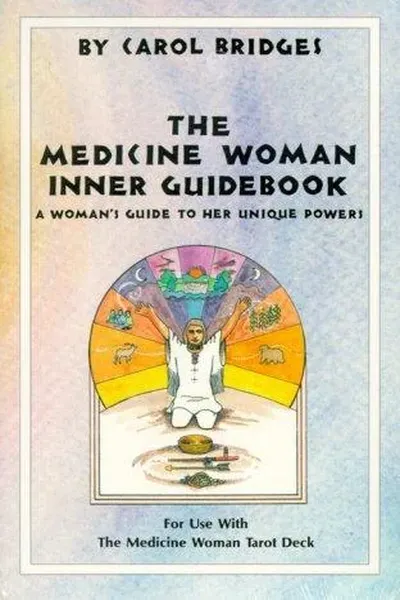
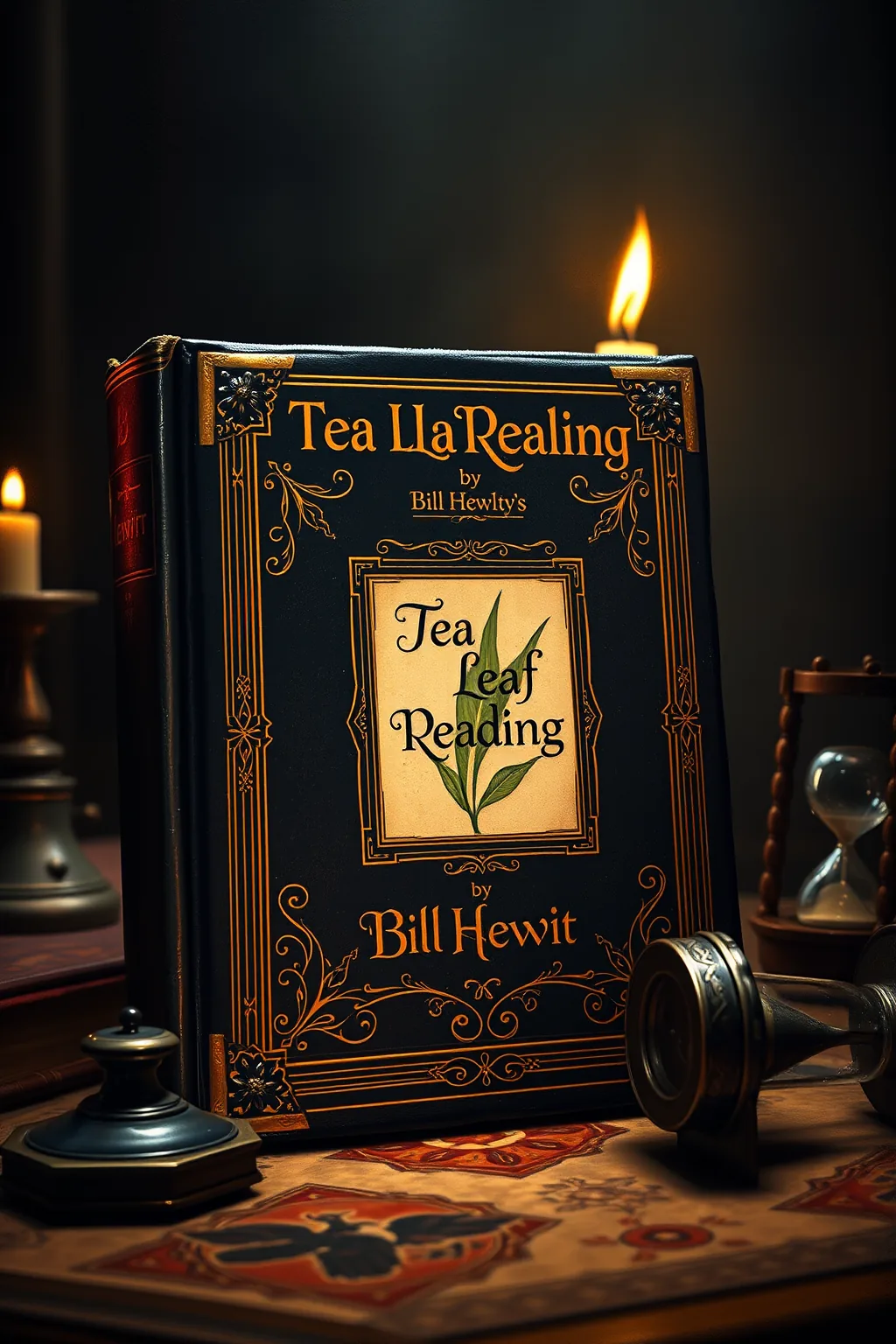
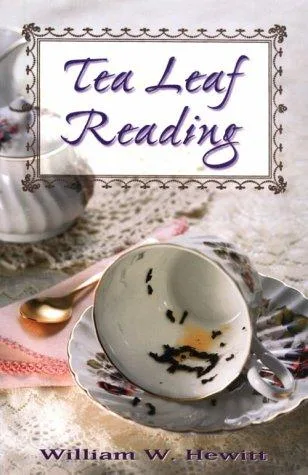
Tea Leaf Reading (Llewellyn's New Age Series)
 61
61

Tea Leaf Reading (Llewellyn's New Age Series)



Lorelei Sage (Contemplative Literature Editor) — Bill Hewitt's "Tea Leaf Reading" is a luminous beacon for those navigating the subtle realms of divination. Hewitt’s authoritative yet gentle prose guides readers past superficial interpretations, delving into the rich symbolism and philosophical underpinnings of tasseography. He masterfully bridges the gap between ancient practice and modern intuition, offering practical techniques alongside profound insights into the nature of fate and free will. This book is an indispensable companion for anyone seeking to deepen their connection to the intuitive self and unlock the hidden wisdom embedded within the everyday act of sharing tea. A truly transformative read for the discerning mystic.
📝 Description
61
Bill Hewitt's 1994 book explains how to read the future in tea leaves.
Bill Hewitt's "Tea Leaf Reading," published in 1994, offers a guide to tasseography, the practice of divining meaning from tea leaf patterns. The book teaches readers how to interpret the shapes and symbols left in a teacup after drinking. Hewitt details the process from preparing the tea to observing the residue. He connects this practice to self-understanding and recognizing patterns in one's life.
The text moves beyond simple fortune telling, suggesting a way to connect with intuition and the symbolic language of the universe. It aims to help readers see deeper meanings in everyday actions, like the ritual of tea drinking. The book is written for both those new to esoteric practices and those with experience, presenting tea leaf reading as a philosophical tool for understanding life's connections.
Tea leaf reading, or tasseography, is an ancient form of divination with roots in various cultures, including those in the Middle East and Europe. It falls within the broader category of divination practices that seek to understand hidden truths or predict future events through symbolic interpretation. This book positions itself within a tradition that views everyday objects and rituals as potential sources of spiritual insight. Hewitt's approach aligns with New Age interpretations that emphasize personal intuition and the interconnectedness of the physical and spiritual worlds.
💡 Why Read This Book?
Uncover the ancient art of tasseography and reveal the hidden messages within your teacup. "Tea Leaf Reading" offers a profound connection to intuitive wisdom and symbolic language, transforming a simple ritual into a powerful tool for self-discovery and spiritual insight. Ideal for seekers of esoteric knowledge, practitioners of divination, and anyone curious about the universe's subtle whispers.
⭐ Reader Reviews
Honest opinions from readers who have explored this book.
❓ Frequently Asked Questions
What is tasseography?
Tasseography, or tasseomancy, is the ancient practice of interpreting patterns left by tea leaves, coffee grounds, or wine sediment in a cup to divine future events or gain insight into present circumstances.
Do I need special tea for tea leaf reading?
No, any loose-leaf tea will suffice. The key is the residue left behind. Black teas are often preferred for their robust leaves and the clarity of the patterns they create.
How long does it take to learn tea leaf reading?
While basic interpretation can be learned quickly, true mastery requires practice and intuition. This book provides a solid foundation, but consistent engagement with the practice is essential for development.
What kind of patterns should I look for?
Look for recognizable shapes, symbols, letters, or numbers. The context of the reading, the question asked, and the reader's intuition are crucial for deciphering their meaning.
Is tea leaf reading scientific?
Tea leaf reading is considered an esoteric and intuitive practice, not a scientific one. It relies on symbolism, synchronicity, and the interpretation of subjective patterns rather than empirical evidence.
🔮 Key Themes & Symbolism
The Language of Symbolism
This book studies the wide range of symbols inherent in tea leaf patterns, arguing that the universe communicates through a universal symbolic language. Hewitt guides readers to recognize and interpret these archetypal forms—from animals and celestial bodies to everyday objects—as keys to unlocking hidden meanings. Understanding this language is presented not merely as a skill, but as a shift in thinking in perception, enabling one to see the profound in the mundane and the cosmic in the commonplace, fostering a deeper connection to the collective unconscious.
Intuition and Inner Wisdom
Central to the practice of tea leaf reading is the cultivation of intuitive perception. Hewitt emphasizes that while the book provides a framework, true insight arises from the reader's inner knowing. He encourages a meditative approach, urging practitioners to quiet the rational mind and attune to the subtle energetic whispers that guide interpretation. This theme highlights the book's role in empowering individuals to trust their own inner guidance, transforming the act of reading tea leaves into a profound exercise in self-discovery and the validation of personal wisdom.
Ritual and Sacred Practice
Hewitt elevates tea leaf reading from a mere parlor trick to a sacred ritual, imbuing the everyday act of drinking tea with spiritual significance. The book explores how setting intentions, creating a calm environment, and approaching the practice with reverence can transform a simple beverage into a conduit for divine communication. This theme underscores the esoteric principle that ordinary actions, when performed with mindfulness and purpose, can become powerful spiritual tools, fostering a sense of connection to ancient traditions and the sacredness of life's unfolding moments.
💬 Memorable Quotes
Direct passages from the work, attributed to the author.
“Within the leaf's embrace, the universe whispers its secrets.”
— This evocative phrase highlights the mystical nature of tasseography, suggesting that the tea leaves act as a natural oracle, channeling cosmic wisdom and hidden truths for those who can perceive them.
“To read the leaves is to read the soul.”
— This profound statement connects the external practice of divination with internal self-exploration, implying that the patterns revealed in the tea leaves are reflections of the querent's inner landscape and spiritual journey.
“The steam carries the question, the leaves hold the answer.”
— This poetic line beautifully illustrates the process of tea leaf reading, framing the act as a dialogue between the seeker's inquiry and the wisdom of the universe, facilitated by the tea itself.
💡 Key Ideas
Editorial paraphrase of the work's core concepts — not direct quotes.
The past is but a shadow, the future a mist, but the present is a cup brimming with possibility.
This quote captures the essence of tea leaf reading as a tool for understanding the present moment's potential, informed by the past and oriented towards the future, all within the contained space of the teacup.
Every swirl is a story, every speck a sign.
This quote emphasizes the intricate detail and symbolic richness found in tea leaf patterns, suggesting that even the smallest formations hold significant meaning waiting to be deciphered.
🌙 Esoteric Significance
Tradition
This work is deeply rooted in the Western esoteric tradition, drawing parallels with practices like scrying and augury, which involve interpreting natural phenomena for divine insight. It aligns with hermetic principles of correspondence, where the microcosm (the teacup) reflects the macrocosm (the universe). Hewitt's approach also appeals to Jungian archetypal psychology, where symbolic patterns evoke universal human experiences and unconscious truths, making it a bridge between ancient mysticism and modern psychological understanding.
Symbolism
The core of its esoteric significance lies in its symbolic language. Each shape and pattern formed by the tea leaves is imbued with meaning, often drawing from archetypal imagery. Animals represent instincts or specific challenges, celestial bodies signify major life forces, and common objects offer practical interpretations. The position of symbols within the cup (past, present, future; spiritual vs. material realms) adds layers of complexity. The practice itself becomes a meditative ritual, fostering attunement to synchronicity and the subtle interconnectedness of all things.
Modern Relevance
In an increasingly fast-paced and often disconnected world, "Tea Leaf Reading" offers a grounding ritual and a powerful tool for introspection. It provides a tangible method for slowing down, focusing attention, and connecting with intuition—skills highly valued in contemporary mindfulness and self-care movements. The book empowers individuals to find personal meaning and guidance outside of conventional sources, fostering a sense of agency and spiritual resilience. Its accessible approach makes ancient esoteric wisdom relevant and applicable to the everyday lives of modern seekers, promoting personal growth and a deeper sense of purpose.
👥 Who Should Read This Book
This useful guide is a treasure for a diverse spectrum of seekers. Absolute beginners in divination will find a clear, encouraging entry point into the art of tasseography, with practical steps and foundational knowledge. Experienced practitioners of tarot or astrology will discover a unique complementary tool, expanding their repertoire of intuitive interpretation and symbolic understanding. Scholars of esoteric traditions will appreciate Hewitt's historical context and the philosophical depth he brings to the practice. Ultimately, anyone yearning for a deeper connection to their intuition, a richer understanding of life's unfolding mysteries, and a way to find profound meaning in simple rituals will find immense value within these pages.
📜 Historical Context
Bill Hewitt's "Tea Leaf Reading," published within Llewellyn's influential New Age Series, emerged during a vibrant period of renewed interest in esoteric traditions and spiritual exploration. The late 20th and early 21st centuries saw a surge in individuals seeking alternatives to mainstream thought, studying ancient wisdom, divination, and personal empowerment. This era fostered a fertile ground for works like Hewitt's, which offered accessible pathways into practices like tasseography, previously considered obscure. The book taps into a lineage of divination that spans centuries and cultures, from ancient Roman augury to Ottoman Turkish coffee fortune-telling, placing it within a global range of mystical inquiry and the human desire to understand destiny.
📔 Journal Prompts
After reading a cup, what recurring symbols or themes emerge? How do these relate to your current life circumstances?
Reflect on a particularly challenging symbol you encountered. What intuitive insights did you gain about overcoming it?
How does the act of preparing and reading tea change your state of mind and connection to the present moment?
Consider the symbolism of the cup itself. Does its shape, color, or design influence the reading?
Imagine you are teaching a friend about tea leaf reading. What is the most important piece of advice you would offer them?
🗂️ Glossary
Tasseography
The ancient art and practice of interpreting patterns left by tea leaves, coffee grounds, or sediment in a cup to divine the future or gain insight into present circumstances.
Divination
The practice of seeking knowledge of the future or the unknown by supernatural means. It encompasses various methods, including astrology, tarot, and tasseography.
Symbolism
The use of symbols to represent ideas or qualities. In tasseography, shapes and forms within the tea leaves are interpreted as symbolic representations of events, feelings, or concepts.
Intuition
The ability to understand something immediately, without the need for conscious reasoning. It is a key element in interpreting the subtle messages conveyed by tea leaf patterns.
Archetype
A universal, archaic symbol, image, or theme that derives its meaning from the collective unconscious. These appear frequently in symbolic interpretations within divination.
This book appears in 1 collection
🔮 Readers Also Liked
Browse all →








More by Bill Hewitt
All books →
From the “Tea Leaf Reading” Collection
View all →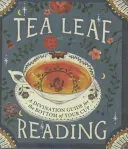





More Free Divination & Tarot Books
View all →