Alchemy: Ancient and Modern: Being a Brief Account of the Alchemistic Doctrines, and Their Relations, to Mysticism on the One Hand, and to Recent Discoveries in Physical Science on the Other Hand; Together with Some Particulars Regarding the Lives and Teachings of the Most Noted Alchemists
 70
70

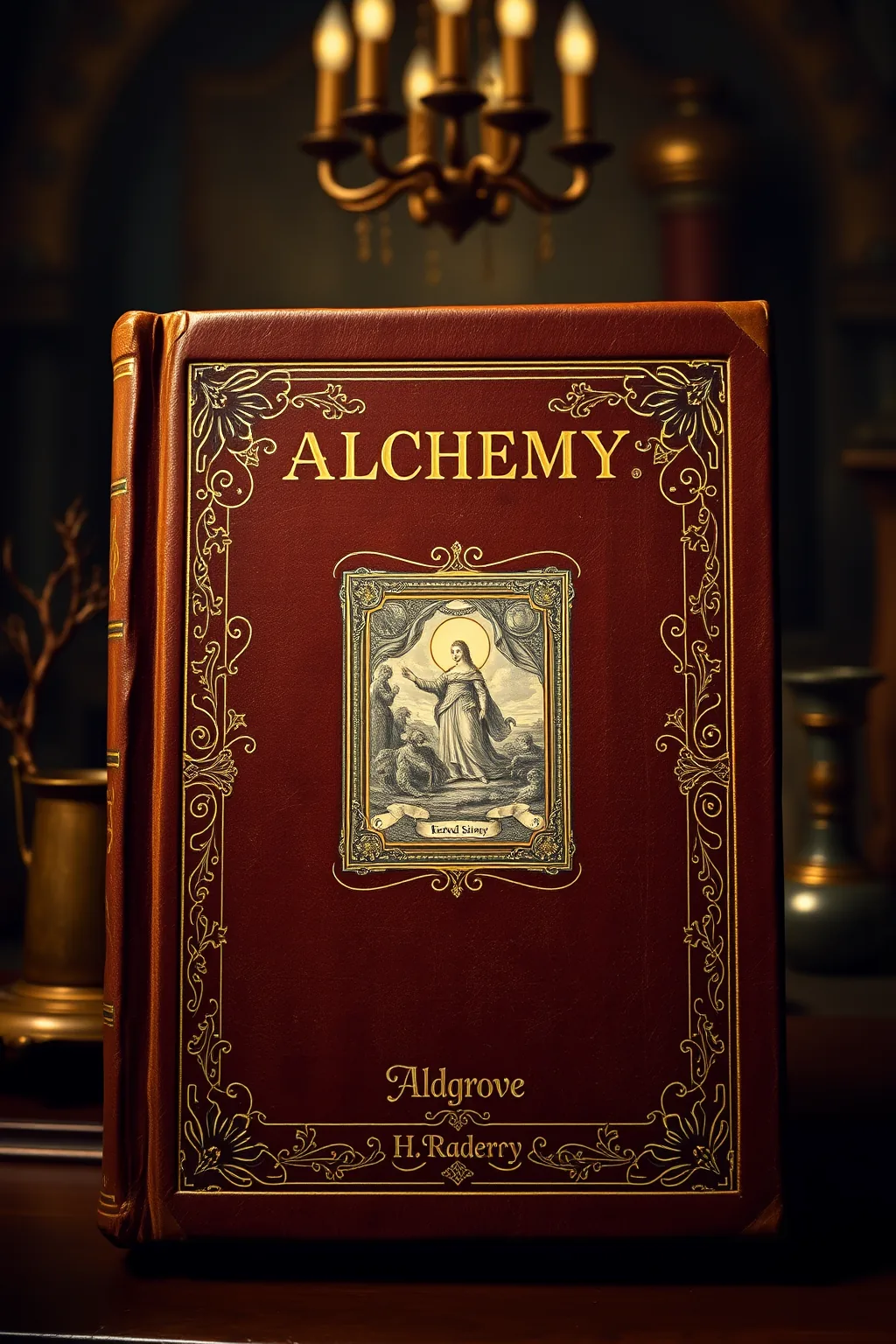
Alchemy: Ancient and Modern: Being a Brief Account of the Alchemistic Doctrines, and Their Relations, to Mysticism on the One Hand, and to Recent Discoveries in Physical Science on the Other Hand; Together with Some Particulars Regarding the Lives and Teachings of the Most Noted Alchemists



H. Stanley Redgrove's Alchemy: Ancient and Modern stands as a timeless classic in the realm of esoteric literature. First published in 1887, this work remains relevant today for its thorough examination of alchemical doctrines and their historical significance. Redgrove masterfully weaves together the mystical and scientific aspects of alchemy, making it accessible to both novice and experienced readers. The book's detailed accounts of notable alchemists and their contributions add depth and authenticity to the narrative. For modern esoteric seekers, this text serves as a valuable guide, offering a bridge between ancient wisdom and contemporary scientific thought. The clarity and precision of Redgrove's writing make complex concepts approachable, ensuring that readers gain a comprehensive understanding of alchemy's enduring influence.
📝 Description
70
Herbert Stanley Redgrove published 'Alchemy: Ancient and Modern' in 1911, detailing alchemical doctrines.
Herbert Stanley Redgrove's 1911 work, 'Alchemy: Ancient and Modern,' examines the doctrines of alchemy and their connections to mysticism and contemporary physical science. The book details alchemical symbolism, philosophical underpinnings, and the biographies of notable alchemists.
It connects these historical practices to broader mystical traditions and nascent scientific understandings of the time. Redgrove considers the philosophical meaning behind alchemy's pursuit of transformation and its conceptualization of universal energies. The book functions as an account of alchemy's history and a guide to its esoteric thought.
Published in 1911, this book sits within the Western esoteric tradition's engagement with alchemy, a practice that fascinated occultists and philosophers from the Renaissance through the early 20th century. It follows a line of inquiry that sought to understand alchemy not merely as a proto-scientific pursuit of gold but as a symbolic system for spiritual or psychological transformation. Redgrove's work connects to a broader interest in ancient mysteries and their perceived relevance to modern spiritual and scientific thought.
✍️ Author
Redgrove, H. Stanley (Herbert Stanley)
Necromancy () is the practice of magic involving communication with the dead by summoning their spirits as apparitions or visions for the purpose of divination; imparting the means to foretell future events and discover hidden knowledge. Sometimes categorized under death magic, the term is occasionally also used in a more general sense to refer to black magic or witchcraft as a whole.
💡 Why Read This Book?
Reading Alchemy: Ancient and Modern today offers a unique opportunity to explore the intersection of mysticism and science. This book provides readers with a deep understanding of alchemical principles and their historical context, making it an essential resource for anyone interested in the occult or the history of science. By studying the lives and teachings of renowned alchemists, readers can gain insights into the enduring fascination with alchemy and its relevance in modern times.
⭐ Reader Reviews
Honest opinions from readers who have explored this book.
❓ Frequently Asked Questions
Who is the author of Alchemy: Ancient and Modern?
The author is H. Stanley Redgrove, a prominent figure in the study of alchemy and esoteric traditions.
What are the key themes in this book?
The book explores alchemical doctrines, the lives of notable alchemists, and the connections between mysticism and modern science.
Is this book suitable for beginners in alchemy?
Yes, Redgrove's clear and accessible writing style makes this book suitable for both beginners and experienced readers.
🔮 Key Themes & Symbolism
Alchemical Symbolism
The book delves deeply into the detailed symbolism of alchemy, uncovering the hidden meanings behind its iconic images and processes. These symbols are not merely decorative but hold profound spiritual and philosophical significance, serving as keys to understanding the mysteries of the universe.
Historical Context
Redgrove provides a comprehensive historical overview of alchemy, tracing its origins and evolution through the ages. This context enriches the reader's understanding of how alchemical doctrines have influenced and been influenced by various cultural and scientific developments.
Mystical Philosophy
The mystical philosophy of alchemy is explored in depth, revealing its connections to broader esoteric traditions. This exploration offers readers a deeper appreciation for the spiritual dimensions of alchemical practice and its role in the quest for hidden knowledge.
💬 Memorable Quotes
Direct passages from the work, attributed to the author.
“In the crucible of the mind, the secrets of the universe are revealed.”
— This phrase underscores the importance of mental and spiritual alchemy, where the mind is the true laboratory of transformation.
💡 Key Ideas
Editorial paraphrase of the work's core concepts — not direct quotes.
The alchemist seeks not merely to transform base metals but to purify the soul.
This quote highlights the spiritual goal of alchemy, where the physical process mirrors the inner transformation of the practitioner.
The philosopher's stone is the symbol of perfection and unity.
This quote emphasizes the ultimate goal of alchemy: the achievement of spiritual and material perfection.
Alchemy is the art of making gold from lead, and wisdom from ignorance.
This passage expresses the dual nature of alchemy, combining both material and spiritual alchemy.
The alchemist's journey is one of self-discovery and enlightenment.
This quote emphasizes the personal and spiritual growth that comes from practicing alchemy.
🌙 Esoteric Significance
Tradition
This book belongs to the Hermetic tradition, which emphasizes the unity of all things and the transformative power of knowledge. It draws on ancient alchemical texts and practices, integrating them with modern scientific understanding.
Symbolism
Key symbols in the book include the philosopher's stone, the ouroboros, and the alchemical elements. These symbols represent the quest for spiritual and material perfection, the cyclical nature of existence, and the transformative processes of alchemy.
Modern Relevance
Today, 'Alchemy: Ancient and Modern' remains relevant for modern practitioners of the occult and seekers of hidden knowledge. It provides a foundation for understanding the mystical and philosophical dimensions of alchemy, which continue to inspire spiritual and intellectual inquiry.
👥 Who Should Read This Book
Beginners interested in alchemy will find this book an accessible and enlightening introduction to the mystical and philosophical aspects of the practice. Scholars of esoteric traditions will appreciate the depth of historical and symbolic analysis. Spiritual seekers will be inspired by the transformative power of alchemical symbolism and its connection to broader mystical traditions. Practitioners of the occult will benefit from the book's insights into the practical and theoretical foundations of alchemy.
📜 Historical Context
Written in an era when the boundaries between science and mysticism were more fluid, 'Alchemy: Ancient and Modern' reflects the intellectual curiosity and spiritual quests of its time. Redgrove's work was important because it sought to reconcile the ancient alchemical traditions with the emerging scientific discoveries of the late 19th and early 20th centuries. This book has influenced both academic studies of alchemy and the practices of modern occultists, bridging the gap between historical esotericism and contemporary spiritual inquiry.
📔 Journal Prompts
Reflect on the personal significance of alchemical symbolism in your spiritual journey.
Consider how ancient alchemical doctrines can be applied to modern scientific discoveries.
Explore the lives of legendary alchemists and their impact on the esoteric traditions.
Journal about the transformative processes of alchemy and their relevance to your spiritual growth.
Write about the philosophical and mystical dimensions of alchemy and their connection to your spiritual beliefs.
🗂️ Glossary
Philosopher's Stone
A legendary alchemical substance believed to transform base metals into gold and grant immortality, symbolizing spiritual perfection.
Ouroboros
A symbol of a serpent swallowing its own tail, representing the cyclical nature of existence and the unity of all things.
Alchemical Elements
The four classical elements—earth, air, fire, and water—used in alchemy to represent the fundamental components of the universe.
Hermetic Tradition
A mystical and philosophical tradition based on the writings of Hermes Trismegistus, emphasizing the unity of all things and the transformative power of knowledge.
Spiritual Alchemy
The practice of alchemy as a means of spiritual and personal transformation, focusing on the purification of the soul and the achievement of enlightenment.
This book appears in 3 collections
🔮 Readers Also Liked
Browse all →









From the “Hermeticism” Collection
View all →







More Free Alchemy & Hermeticism Books
View all →