After Life in Roman Paganism
 70
70

After Life in Roman Paganism



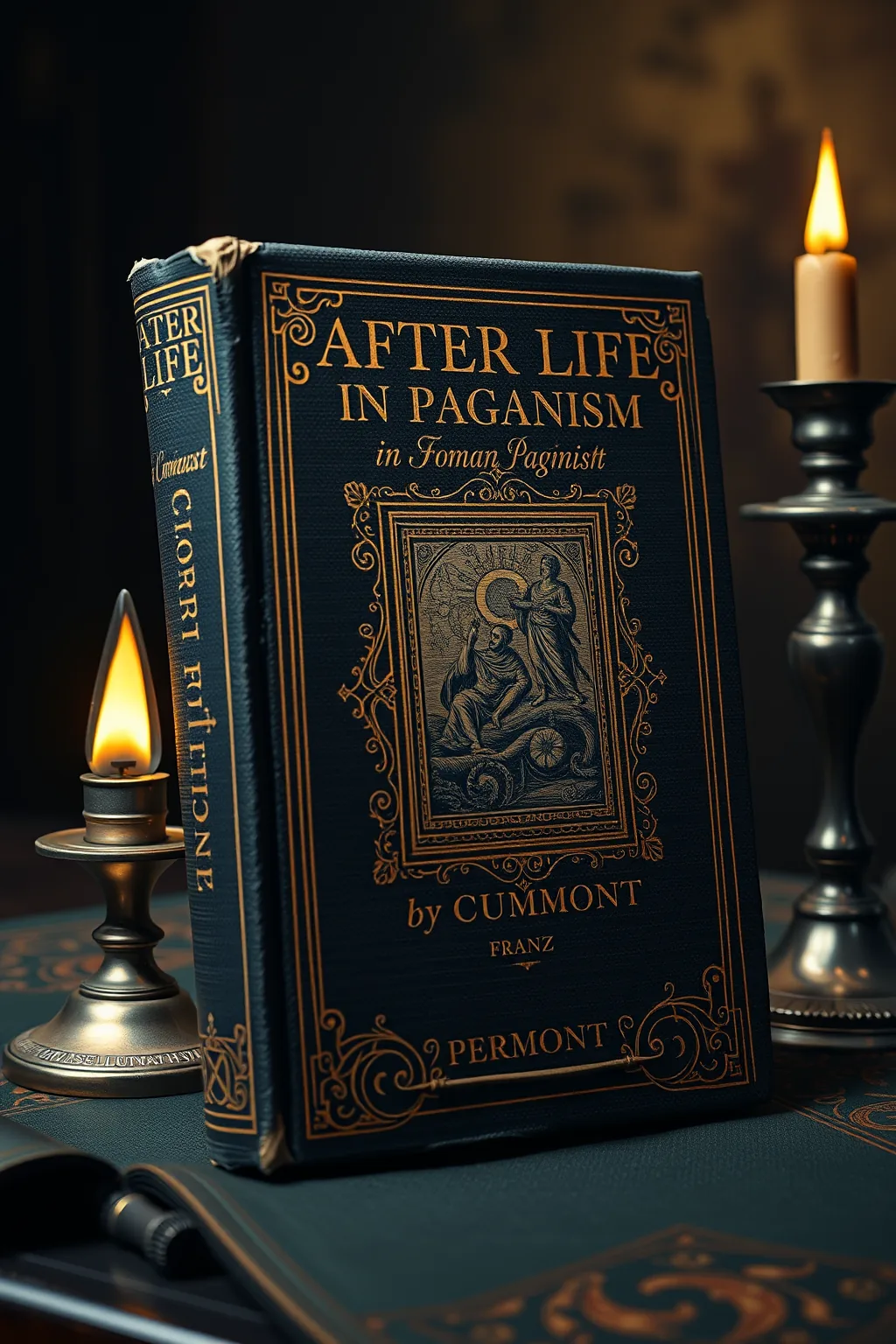
Franz Cumont's After Life in Roman Paganism is a seminal work that remains a cornerstone of esoteric literature. Published in 1868, this book provides an in-depth exploration of Roman pagan beliefs surrounding the afterlife, making it an essential read for modern esoteric seekers. Cumont's scholarship is impeccable, drawing on a wealth of historical and archaeological evidence to paint a vivid picture of ancient Roman religious practices. The book is particularly valuable for its detailed examination of funerary rituals and the role of the underworld in Roman spirituality. For those interested in the occult and paganism, this text offers a deep dive into the esoteric beliefs that shaped one of the world's most influential civilizations. The value of this text lies in its ability to connect ancient beliefs with contemporary esoteric practices, making it a must-read for anyone exploring the mysteries of the afterlife.
📝 Description
70
Franz Cumont's 1922 study examines Roman pagan views on what happens after death.
Published in 1922, Franz Cumont's After Life in Roman Paganism studies ancient Roman religious conceptions of the afterlife. The book investigates the symbolism and practices associated with death rituals and beliefs about the soul's fate. Cumont considers the philosophical and spiritual dimensions of these practices, seeking to understand their meaning within Roman society.
The work is intended for readers interested in the esoteric and spiritual dimensions of ancient civilizations. It examines how Roman paganism addressed fundamental questions about existence, the soul, and the possibility of continued life beyond the physical body. The book invites readers to consider the metaphysical aspects of a culture that significantly influenced Western thought.
This study fits within the broader tradition of scholarship on ancient mystery religions and their impact on popular belief. Cumont, a significant figure in the study of these traditions, examines how esoteric ideas about salvation and the afterlife circulated within Roman paganism. The book addresses the ways in which specific cults and philosophical schools offered distinct pathways to understanding or experiencing the post-mortem existence, connecting personal spiritual concerns to the wider religious landscape.
✍️ Author
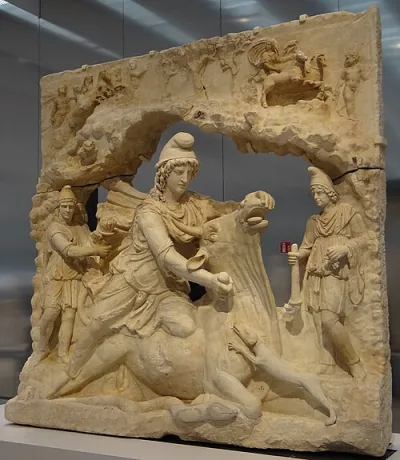
Cumont, Franz
Franz Cumont was a Belgian scholar and historian of religion, specializing in ancient Mediterranean religions and Gnosticism.
💡 Why Read This Book?
Reading After Life in Roman Paganism today offers a unique opportunity to understand the esoteric beliefs of ancient Rome and their relevance to modern spiritual seekers. This book provides deep insights into the rituals and practices that shaped Roman views on the afterlife, offering a rich context for contemporary esoteric and occult studies. By exploring the ancient beliefs, readers can gain a deeper appreciation for the enduring themes of death, rebirth, and the mysteries of the underworld. This knowledge can enrich personal spiritual journeys and provide a historical foundation for those interested in the occult and paganism.
⭐ Reader Reviews
Honest opinions from readers who have explored this book.
❓ Frequently Asked Questions
What is the main focus of After Life in Roman Paganism?
The main focus of the book is the exploration of Roman pagan beliefs regarding the afterlife, including funerary practices and the role of the underworld.
Who should read this book?
This book is ideal for historians, theologians, and anyone interested in esoteric studies, paganism, and the occult.
Is this book relevant for modern esoteric seekers?
Yes, the book provides valuable insights into ancient esoteric beliefs that can enrich contemporary spiritual practices and studies.
🔮 Key Themes & Symbolism
The Mysteries of the Afterlife
Cumont's work unravels the intricate mysteries surrounding Roman pagan beliefs about the afterlife, providing a deep dive into the spiritual dimensions that have fascinated scholars and seekers for centuries. The book reveals the hidden knowledge and symbolism that underpin these beliefs, offering a unique perspective on the eternal quest for spiritual enlightenment.
Symbolism and Rituals
The book looks at the detailed symbolism and rituals that were integral to Roman pagan practices related to the afterlife. Cumont's meticulous research and scholarly rigor shine through as he explores the deeper meanings behind these rituals, revealing their esoteric significance and philosophical depth.
Philosophical Significance
After Life in Roman Paganism offers a profound exploration of the philosophical significance of Roman pagan beliefs. The book invites readers to contemplate the boundaries between the physical and the metaphysical, providing insights that can enrich one's understanding of existence and the spiritual journey.
💬 Memorable Quotes
Direct passages from the work, attributed to the author.
“Symbolism was the language of the gods, revealing hidden truths to those who sought them.”
— Cumont emphasizes the importance of symbolism in Roman pagan practices, suggesting that these symbols held deep, esoteric meanings.
“The veil between worlds was thin, and the Romans sought to bridge the gap through their beliefs and practices.”
— Cumont's work reveals the Romans' belief in the interconnectedness of the physical and spiritual realms, and their efforts to navigate this boundary.
💡 Key Ideas
Editorial paraphrase of the work's core concepts — not direct quotes.
The Romans believed that the afterlife was a area of eternal mystery.
This line highlights the profound sense of mystery that surrounded Roman pagan beliefs about the afterlife.
The rituals of the afterlife were a journey into the unknown, a quest for spiritual enlightenment.
This quote underscores the spiritual significance of Roman pagan rituals, which were seen as a path to deeper understanding and enlightenment.
The afterlife was a area of eternal mystery, a place where the boundaries between life and death blurred.
This quote expresses the mystical and esoteric dimensions of Roman pagan beliefs about the afterlife, inviting readers to explore these mysteries.
🌙 Esoteric Significance
Tradition
This book belongs to the Hermetic tradition, which emphasizes the study of ancient mystical and occult knowledge. Hermeticism seeks to uncover the hidden truths and symbolism that lie beneath the surface of religious and philosophical texts, providing insights into the nature of existence and the spiritual journey.
Symbolism
Key symbols in After Life in Roman Paganism include the use of rituals and sacred objects that held deep esoteric meanings. These symbols were seen as a way to bridge the gap between the physical and spiritual realms, revealing hidden truths to those who sought them. The book explores the significance of these symbols and their role in Roman pagan practices.
Modern Relevance
Today, this book remains relevant to modern practitioners of occult and esoteric traditions who seek to understand the deeper dimensions of ancient religions. Its insights into the mystical and symbolic aspects of Roman pagan beliefs continue to inspire and inform contemporary spiritual practices, providing a rich source of knowledge for seekers of hidden truths.
👥 Who Should Read This Book
Beginners in the field of occult studies may find After Life in Roman Paganism a challenging but rewarding read, as it offers a comprehensive exploration of the esoteric dimensions of Roman pagan beliefs. Scholars of ancient religions and esoteric traditions will appreciate the depth of research and scholarly rigor that Cumont brings to the subject. Spiritual seekers and practitioners of modern pagan and occult traditions will find valuable insights and practical applications in this book, enriching their understanding of the mystical and symbolic aspects of ancient religions.
📜 Historical Context
After Life in Roman Paganism was written during a time when interest in the occult and esoteric traditions was on the rise. Franz Cumont's work provided a much-needed exploration of the mystical and symbolic dimensions of Roman pagan beliefs, offering insights that were previously overlooked. The book's influence can be seen in the renewed interest in ancient religions and their esoteric aspects, inspiring scholars and seekers to delve deeper into the mysteries of the past. Cumont's meticulous research and scholarly rigor have made this book a core part of esoteric studies, continuing to inspire and inform readers today.
📔 Journal Prompts
Reflect on the symbolism and rituals discussed in the book. How do they relate to your own spiritual practices?
Consider the philosophical significance of Roman pagan beliefs about the afterlife. How do these beliefs challenge or affirm your own views on existence?
Explore the concept of the veil between worlds. How does this idea resonate with your understanding of the spiritual journey?
Think about the mysteries surrounding the afterlife. What insights does the book offer that can enrich your own spiritual quest?
Reflect on the influence of Roman pagan beliefs on contemporary esoteric traditions. How do these ancient practices continue to shape modern spiritual practices?
🗂️ Glossary
Hermeticism
A mystical and occult tradition that seeks to uncover hidden truths and symbolism in ancient texts, emphasizing the study of ancient wisdom.
Esoteric
Relating to knowledge that is intended for a select group of people with special knowledge or interests.
Paganism
A broad term encompassing various spiritual and religious traditions that are not part of the major world religions, often emphasizing nature and polytheism.
Symbolism
The use of symbols to represent ideas or qualities, often with deep, hidden meanings that are revealed through study and contemplation.
Afterlife
The realm or state of existence that follows death, often explored in religious and spiritual traditions through rituals and beliefs.
This book appears in 2 collections
🔮 Readers Also Liked
Browse all →

More by Cumont, Franz
All books →From the “Witchcraft” Collection
View all →![The secrets of black arts!: A key note to witchcraft, devination [sic], omens, forwarnings, apparitions, sorcery, dæmonology, dreams, predictions, visions, and the Devil's legacy to earth mortals, compacts with the Devil! With the most authentic history of Salem witchcraft](/img/thumb/the-secrets-of-black-arts-b-a-key-note-to-witchcraft-devination-sic-omens-forwarnings-apparitions-sorcery-d-monology-dreams-predictions-visions-and-the-devil-s-legacy-to-earth-mortals-compacts-with-th.webp)





More Free Witchcraft & Paganism Books
View all →